Insect Bites And Stings: 4 First-Aid Steps For Safe Treatment
Comprehensive guide to recognizing, treating, and preventing insect bites and stings for safe outdoor enjoyment.
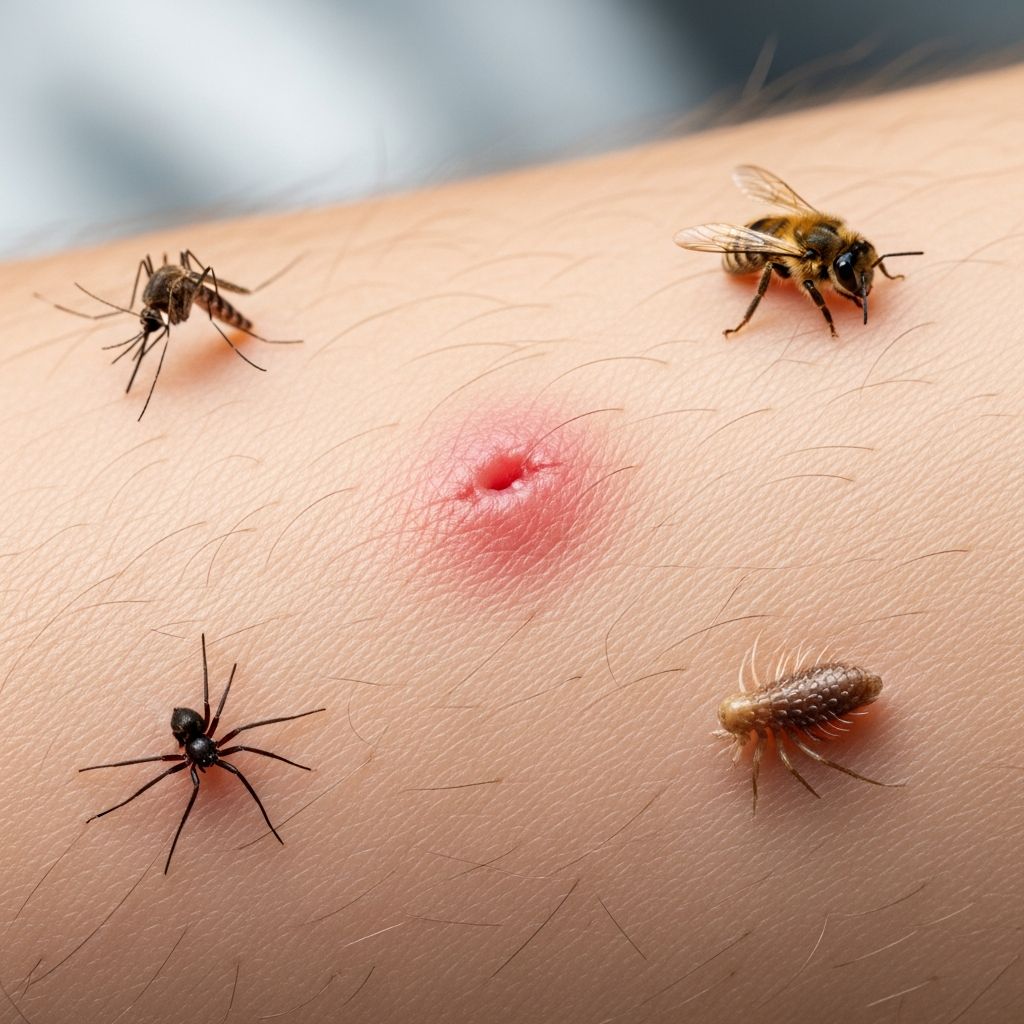
Insect bites and stings are common encounters during outdoor activities, typically causing temporary discomfort that resolves without intervention. However, they can occasionally lead to infections, allergic responses, or disease transmission, necessitating prompt recognition and appropriate action.
Common Culprits Behind Bites and Stings
Arthropods like insects and arachnids are responsible for most human skin punctures. Insects such as mosquitoes, flies, bees, wasps, and ants inject saliva or venom that triggers local inflammation. Arachnids including spiders, scorpions, and ticks deliver venom or feed on blood, sometimes carrying pathogens.
- Mosquitoes: Painless bites that itch intensely due to saliva.
- Bees and Wasps (Hymenoptera): Stings with barbed or smooth venom injectors, often painful immediately.
- Ticks: Embedded mouthparts that may transmit bacteria like those causing Lyme disease.
- Spiders: Fang punctures leading to necrotic or systemic effects in rare cases.
- Scorpions: Tail stings causing neurotoxic symptoms, especially in children.
These encounters vary by region; tropical areas heighten risks from disease vectors like malaria-carrying mosquitoes.
Recognizing Symptoms: From Mild to Severe
Reactions range from localized skin changes to life-threatening emergencies. Most manifest as a small, red, swollen area with pain or itching.
| Symptom Type | Description | Duration |
|---|---|---|
| Local Mild | Pain, red lump, itchiness | 1-3 days |
| Large Local | Swelling >10cm, hives | Up to 1 week |
| Systemic | Fever, nausea, dizziness | Hours to days |
| Anaphylaxis | Breathing difficulty, swelling | Immediate |
Skin tone affects visibility; redness may be subtle on darker complexions, but swelling and heat are detectable by touch. Tick bites might show no initial symptoms but later a bullseye rash.
First Aid Essentials for Immediate Relief
Swift home care minimizes complications. Clean the site with soap and water to prevent infection.
- Remove Stingers: Scrape bee stingers out with a credit card edge; avoid squeezing.
- Cool the Area: Apply ice wrapped in cloth for 10-20 minutes to reduce swelling.
- Elevate: Raise affected limbs to limit fluid buildup.
- Medicate: Use oral antihistamines like diphenhydramine for itch, hydrocortisone cream topically, and NSAIDs for pain.
Avoid scratching to prevent secondary bacterial entry. For scorpion stings, monitor for muscle spasms treatable with benzodiazepines if severe.
When to Escalate Care: Key Warning Signs
Not all reactions self-resolve. Pharmacist input suffices for mild infections with heat, pus, or persistent pain.
Consult a GP if:
- Child under 1 year affected.
- Tick bite with flu symptoms or bullseye rash.
- Multiple stings or prior severe allergy.
Urgent care (e.g., NHS 111 equivalent) for mouth/eye stings, vomiting, high fever, or dizziness.
Emergency (999/911) for anaphylaxis signs: airway swelling, rapid breathing, cyanosis.
Serious Complications and Diseases
Beyond allergies, bites transmit illnesses. Lyme disease from ticks presents with rash, joint pain; early antibiotics are crucial. Scabies mites cause persistent itching rashes. Rarely, necrotic arachnidism from spiders leads to tissue damage.
Anaphylaxis, though uncommon, demands epinephrine auto-injectors for at-risk individuals. Serum sickness-like delayed reactions occur days later with fever and arthralgias.
Related Stories



Prevention Strategies for Outdoor Safety
Proactive measures reduce encounters significantly.
- Wear long sleeves, pants; tuck in during high-risk areas.
- Use DEET (20-30%) or picaridin repellents on skin/clothing.
- Avoid perfumes, bright colors attracting pollinators.
- Check skin/gear post-outdoors for ticks; shower promptly.
- Sleep under insecticide-treated nets in endemic zones.
For children, apply repellents sparingly and cover play areas with screens.
Treatment Options by Severity
| Severity | Home Care | Medical Interventions |
|---|---|---|
| Mild | Ice, antihistamine, clean | Topical steroid if needed |
| Infected | Antibiotics (topical) | Oral antibiotics |
| Severe Local | Oral steroids short-term | GP evaluation |
| Anaphylaxis | Epinephrine IM | ER with monitoring |
Scorpion antivenom is available for severe pediatric cases.
Special Considerations for Vulnerable Groups
Infants, elderly, and immunocompromised face higher risks. Children may develop larger reactions extending 8-10cm. Those with asthma or prior allergies carry epinephrine. Pregnant individuals should prioritize professional advice for systemic symptoms.
Pet owners note similar risks; veterinary care mirrors human protocols.
FAQs on Insect Bites and Stings
Q: How long do most bites last?
A: Typically 1-7 days with proper care.
Q: Can bites cause fever?
A: Yes, indicating infection or systemic reaction; seek care.
Q: What’s a bullseye rash?
A: Circular expanding rash from Lyme; antibiotics needed promptly.
Q: Safe for babies?
A: Monitor closely; GP for under 1s.
Q: Prevent tick bites?
A: Daily checks, repellents, avoid brush.
Q: Allergic after first bite?
A: Sensitization builds; severe reactions possible later.
Long-Term Management and Allergist Referral
Recurrent severe reactions warrant allergy testing and venom immunotherapy. Track incidents in a journal for patterns. Public health campaigns emphasize awareness in vector-prone seasons.
References
- Insect bites and stings — NHS. 2023. https://www.nhs.uk/conditions/insect-bites-and-stings/
- Insect Bites — NCBI Bookshelf (StatPearls). 2023-10-01. https://www.ncbi.nlm.nih.gov/books/NBK537235/
- When to Go to Urgent Care for a Bug Bite — Mass General Brigham. 2024. https://www.massgeneralbrigham.org/en/about/newsroom/articles/when-to-go-to-urgent-care-for-bug-bite
- Bug Bites & Stings — Cleveland Clinic. 2023. https://my.clevelandclinic.org/health/diseases/bug-bites
- Bug Bites and Stings — Rady Children’s Health. 2023. https://www.rchsd.org/health-article/bug-bites-and-stings/
- Insect Stings and Bites: Care Instructions — MyHealth Alberta. 2023. https://myhealth.alberta.ca/Health/aftercareinformation/pages/conditions.aspx?hwid=uh3298
- Insect Bites and Stings — MedlinePlus (NIH). 2024. https://medlineplus.gov/insectbitesandstings.html
Similar Articles








Read full bio of Sneha Tete