Insect Bites and Stings: Treatment and Prevention
Complete guide to treating insect bites and stings with safe home remedies and prevention strategies.
Insect Bites and Stings: Treatment and Prevention Guide
Insect bites and stings are common occurrences that usually cause mild, temporary discomfort. Most result in localized pain, itching, and swelling that can be effectively managed at home with simple remedies. However, it is important to understand when symptoms require urgent medical attention, as in rare cases these reactions can lead to serious allergic responses or infections. This guide provides comprehensive information on treating insect bites and stings, recognizing warning signs, and taking preventive measures to avoid future incidents.
Understanding Insect Bites and Stings
Insect bites and stings occur when insects pierce or puncture the skin, typically to feed on blood or defend themselves. When an insect bites, it injects saliva into the skin, triggering an immune response in which white blood cells rush to the affected site. This natural defense mechanism causes the typical symptoms associated with bites and stings, including redness, swelling, and itching.
The type of insect determines the nature of the reaction. Fire ants, bees, wasps, and hornets typically cause painful stings, while mosquitoes, fleas, and mites are more likely to cause itching than pain. Understanding the source of the bite or sting can help guide appropriate treatment decisions.
Common Symptoms of Insect Bites and Stings
Symptoms vary depending on the type of insect involved and the individual’s sensitivity. Common symptoms include:
- Pain at the site of the bite or sting
- Redness and inflammation of the surrounding skin
- Swelling that may extend beyond the immediate area
- Itching or burning sensations
- Numbness or tingling in some cases
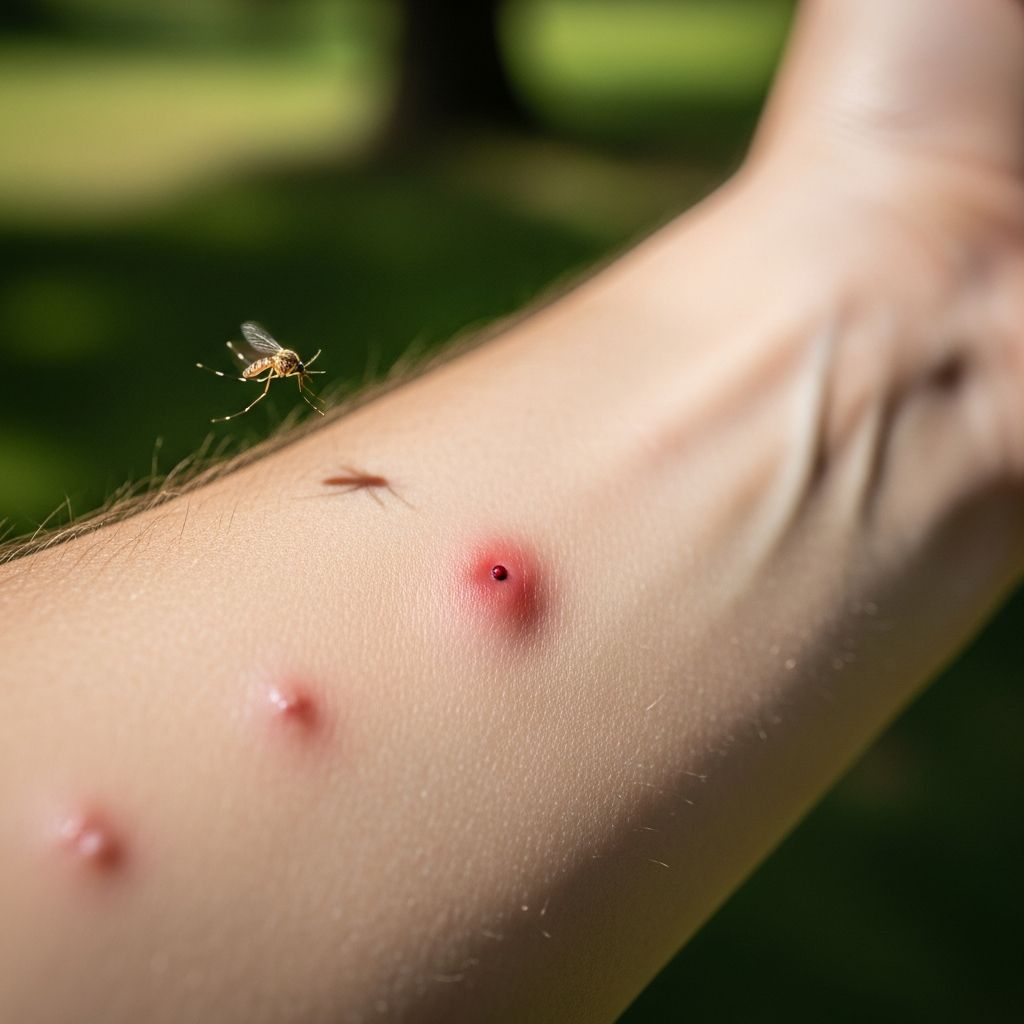
- A small itchy lump (papule) that may develop up to 24 hours after a bite
- A wheal, which is a red, slightly raised mark that often appears immediately after being bitten
A papule is a small itchy lump that typically lasts several days before fading. A wheal is a red, slightly raised mark that may develop immediately after a bite and usually lasts about two hours, though it is often followed by a papule that can persist for several days. A tiny white mark where the sting has punctured the skin may also be visible.
Treating Mild Insect Bites and Stings at Home
Most insect bites and stings can be safely and effectively treated using home remedies and over-the-counter medications. The following steps provide a systematic approach to managing mild reactions:
Immediate Care Steps
- Move to a safe area to avoid additional bites or stings
- Remove any visible stingers by scraping them out carefully with a flat-edged object; avoid grabbing the stinger with tweezers or your fingers, as this may cause more venom to be injected into the skin
- Gently wash the affected area with soap and water to reduce infection risk
Pain and Swelling Management
A cold compress is one of the most effective ways to manage discomfort from insect bites and stings. Apply a cloth dampened with cold water, an ice pack, or a cold flannel to the affected area for 10 to 20 minutes. You can repeat this process by applying ice for 10 minutes and then removing it for 10 minutes. Cold therapy helps reduce pain and minimizes swelling by constricting blood vessels in the area.
Related Stories



Over-the-counter painkillers such as paracetamol or ibuprofen can help ease pain and reduce inflammation. These medications are particularly useful for more uncomfortable stings.
Itch and Swelling Relief
Antihistamines are effective for managing itching and swelling. Continue using antihistamines until the swelling subsides, which may take several days. Hydrocortisone cream can also be applied to the affected skin to reduce itching and inflammation. These topical treatments provide localized relief without systemic side effects.
Severe Local Reactions
In some cases, swelling may be severe or persist for an extended period. A severe local reaction is one that exceeds 10 centimeters in diameter and persists for several days. If you experience significant swelling, consult a doctor. Your healthcare provider may prescribe a short course of steroid tablets to counter the inflammation and promote faster healing.
Treating Insect Stings
Insect stings, particularly from bees and wasps, typically cause mild local skin reactions that follow similar treatment principles as bites. However, stings are more likely than bites to cause serious allergic reactions in susceptible individuals.
Bee Sting Treatment
When you receive a bee sting, the bee leaves its stinger behind in the skin. It is crucial to remove the stinger quickly and correctly. Scrape the stinger out of the skin carefully using a flat-edged object such as a credit card or a fingernail. Do not try to grab the stinger with tweezers or your fingers, as this may squeeze more venom into the skin and worsen the reaction. Once the stinger is removed, follow the general treatment guidelines outlined above for pain, swelling, and itching management.
Wasp and Hornet Sting Treatment
Wasps and hornets do not leave stingers in the skin, but their stings can be equally painful and cause significant swelling. Treatment follows the same principles: apply cold compression, take pain relievers as needed, and use antihistamines to manage itching. Because wasps and hornets can sting multiple times, move away from the insect quickly to avoid additional stings.
When to Seek Emergency Medical Care
While most insect bites and stings are minor, certain symptoms indicate a serious allergic reaction requiring immediate medical attention. Call an ambulance immediately if you experience any of the following warning signs:
- Redness and swelling that spreads rapidly beyond the initial sting site
- An itchy blotchy rash appearing on any part of the body
- Swelling of the face, throat, or neck
- Difficulty breathing or shortness of breath
- Dizziness or confusion
- Nausea or vomiting (in some cases)
- Loss of consciousness
These symptoms may indicate anaphylactic shock, a severe, life-threatening allergic reaction that can occur very quickly and lead to rapid deterioration if not treated immediately. Individuals with known severe allergies to insect stings should carry an epinephrine auto-injector (EpiPen) at all times and use it at the first sign of anaphylaxis before calling emergency services.
Complications and When to See a Doctor
While allergic reactions are the most serious complication, secondary bacterial infections can also develop if the bite or sting site is scratched excessively. Watch for signs of infection over the following days, including increasing redness, warmth, swelling, or pain that worsens rather than improves. If these signs develop, consult a healthcare provider, as antibiotics may be necessary to treat a bacterial infection.
Additionally, some individuals may experience large local reactions that extend beyond the typical localized response. These severe local reactions may induce non-infectious lymphangitis and mild systemic symptoms. If swelling is severe or does not improve within a reasonable timeframe, seek medical evaluation.
Prevention Strategies
The best approach to insect bites and stings is prevention. Taking proactive measures can significantly reduce your risk of encountering these uncomfortable situations.
Protective Clothing
- Wear long-sleeved shirts and long pants when spending time outdoors, particularly in areas known to have high insect populations
- Wear closed-toe shoes to protect your feet from ground-dwelling insects
- Tuck pants into socks when hiking or walking through tall grass or brush
- Choose light-colored clothing, as insects are often attracted to dark colors
Insect Repellents
Using insect repellent is an effective prevention strategy. Products containing DEET, picaridin, or natural ingredients like lemongrass and eucalyptus oil can help deter insects. Apply repellent according to package directions, reapplying after swimming or perspiring heavily. Some repellents are designed specifically for certain insects, so choose one appropriate for the insect threats in your area.
Tick Removal
Ticks require special attention due to their potential to transmit diseases. If you find a tick attached to your skin, remove it promptly and properly. Use fine-tipped tweezers to grasp the tick close to the skin and pull upward with steady, even pressure. Do not twist or jerk, as this may cause the tick’s mouthparts to break off and remain in the skin. Place the removed tick in a sealed container or bag. Avoid crushing the tick with your bare hands, and do not use petroleum jelly, nail polish, or a hot match to remove it, as these methods may cause the tick to release additional saliva and increase disease transmission risk.
Environmental Precautions
- Avoid outdoor areas during dawn and dusk when many insects are most active
- Keep distance from flowering plants and flowering areas where bees and other insects forage
- Avoid wearing perfume, scented lotions, or bright nail polish, which may attract insects
- Cover food and beverages when eating outdoors to avoid attracting wasps and other insects
- Keep windows and doors screened to prevent insects from entering your home
- Remove standing water from your property, as this attracts mosquitoes
Special Considerations for Severe Allergies
Individuals with documented severe allergies to insect stings may require additional medical interventions beyond basic first aid. Specific immunotherapy with bee or wasp venom is the treatment of choice for people who have experienced systemic allergic reactions to Hymenoptera stings. This specialized therapy involves gradual exposure to increasing amounts of insect venom, allowing the immune system to develop tolerance. The standard maintenance dose protects approximately 75% to 95% of treated individuals from experiencing future anaphylactic episodes.
Before undergoing this treatment, healthcare providers typically perform skin-prick tests and/or intradermal tests with bee and wasp venom, along with serum IgE antibody testing. These tests help confirm the specific insect causing the allergic reaction and guide treatment decisions.
Frequently Asked Questions
Q: How long do insect bite symptoms typically last?
A: Symptoms usually resolve within a few days. A wheal may last about two hours, while a papule can persist for several days. Swelling may take longer to completely resolve, particularly in severe local reactions.
Q: Can I prevent infection from insect bites?
A: Yes. Avoid scratching the bite or sting, as this introduces bacteria into the wound. Keep the area clean by gently washing with soap and water, and monitor for signs of infection including increasing redness, warmth, or drainage.
Q: What is the difference between a bite and a sting?
A: A bite occurs when an insect pierces the skin to feed on blood, while a sting is used by certain insects as a defense mechanism. Bee stings leave a stinger behind, while wasp and hornet stings do not.
Q: Are insect repellents safe for children?
A: Many insect repellents are safe for children when used according to package directions. For very young children, consult a pediatrician before applying repellent. Some products specify age restrictions or concentration limits.
Q: Should I seek medical attention for every insect sting?
A: No. Most stings cause only mild reactions manageable at home. Seek medical attention if swelling is severe, symptoms worsen over time, signs of infection develop, or warning signs of anaphylaxis appear.
References
- Insect Bites and Stings: Treatment and Advice — Patient.info. 2024. https://patient.info/skin-conditions/insect-bites-and-stings-leaflet
- Insect Stings: Clinical Features and Management — PubMed Central, U.S. National Library of Medicine. 2012. https://pmc.ncbi.nlm.nih.gov/articles/PMC3334720/
- Insect Bites and Stings: First Aid — Mayo Clinic. 2024. https://www.mayoclinic.org/first-aid/first-aid-insect-bites/basics/art-20056593
- Insect Bites and Stings Medical Encyclopedia — MedlinePlus, U.S. National Library of Medicine. 2024. https://medlineplus.gov/ency/article/000033.htm
- How to Treat a Wasp Sting: Symptoms and Complications — Patient.info. 2024. https://patient.info/features/skin-conditions/how-to-treat-a-wasp-sting
Similar Articles








Read full bio of Sneha Tete