Insect Bites & Stings: Symptoms, Treatment & Prevention Guide
Learn to identify, treat, and prevent common insect bites and stings that cause itching, swelling, and potential allergic reactions.
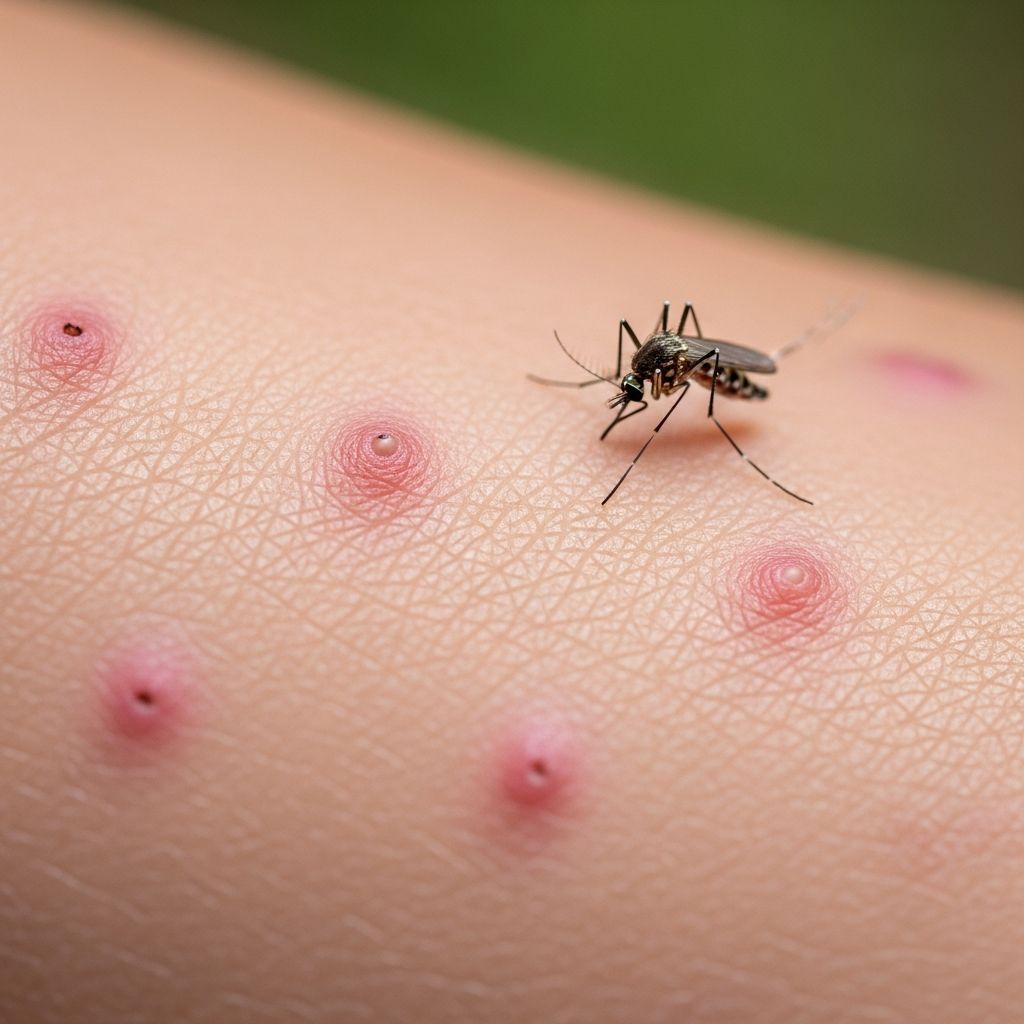
Insect bites and stings are common occurrences that can cause discomfort ranging from mild itching to severe allergic reactions. Understanding the differences between bites and stings, recognizing symptoms, and knowing proper treatment and prevention methods is essential for managing these skin conditions effectively.
What Are Insect Bites and Stings?
Insect bites occur when insects like mosquitoes, fleas, or bedbugs use their mouthparts to pierce the skin, typically to feed on blood. These bites often result in itchy, red welts due to the insect’s saliva triggering an immune response. In contrast, stings happen when insects such as bees, wasps, or scorpions use a stinger or other body part to inject venom, usually in self-defense. Stings tend to cause immediate sharp pain, swelling, and sometimes systemic effects.
Most bites and stings are benign, leading only to temporary irritation. However, they can lead to secondary bacterial infections if scratched excessively or trigger severe allergic reactions, including anaphylaxis, which requires immediate medical attention. Children and those with allergies are particularly vulnerable.
Symptoms of Insect Bites and Stings
Symptoms vary by insect but commonly include:
- Red, itchy bumps or hives at the site
- Swelling and warmth around the bite or sting
- Pain, ranging from mild itching (bites) to sharp stinging (stings)
- In severe cases: fever, nausea, difficulty breathing, or widespread rash
Monitor for signs of infection such as increasing redness, pus, warmth, red streaks, or fever, which indicate the need for antibiotics.
Treatment for Insect Bites and Stings
Initial treatment focuses on relieving symptoms and preventing complications:
- Clean the area: Wash with soap and water to remove debris and reduce infection risk.
- Reduce swelling and itching: Apply a cold compress or ice pack wrapped in cloth for 10-15 minutes. Elevate the affected area if possible.
- Topical remedies: Use over-the-counter hydrocortisone cream (1%) or calamine lotion. Antihistamines like diphenhydramine (Benadryl) orally can help with itching.
- Pain relief: Take ibuprofen or acetaminophen for pain and inflammation.
- For stings: Remove the stinger by scraping with a credit card edge; avoid squeezing to prevent more venom release.
Seek medical help if symptoms worsen after 48 hours, or immediately for signs of anaphylaxis like throat swelling, rapid heartbeat, dizziness, or hives beyond the site.
When to See a Doctor
Consult a healthcare provider promptly if:
- The bite or sting site shows signs of infection (pus, fever over 100.4°F).
- Swelling spreads significantly or doesn’t improve in 2-3 days.
- Allergic symptoms appear: wheezing, vomiting, or facial swelling.
- Multiple stings occur, especially in children or sensitive individuals.
- Suspected tick bite with rash or flu-like symptoms (Lyme disease risk).
Those with known allergies should carry an epinephrine auto-injector (EpiPen).
Common Types of Insect Bites and Stings
Mosquito Bites
Mosquitoes are prolific biters, injecting saliva that causes itchy, raised welts. Bites often appear in clusters on exposed skin. In some regions, they transmit diseases like West Nile virus or Zika. Symptoms peak within 24-48 hours. Treat as above; severe reactions are rare but possible.
Tick Bites
Ticks embed their mouthparts to feed, often unnoticed. Check for them after outdoor activities, especially in wooded areas. Key spots: scalp, ears, armpits, groin. Remove with tweezers, grasping close to skin and pulling steadily. Watch for bull’s-eye rash (Lyme) or fever. Prevent with repellents and thorough checks.
Bee, Wasp, and Ant Stings
Related Stories



These hymenoptera stings cause immediate pain and swelling. Honeybees leave a barbed stinger; wasps and fire ants do not. Multiple stings increase risk. Allergic individuals may experience anaphylaxis. Treat stings promptly; desensitization shots available for allergies.
Spider Bites
Most are harmless, causing mild itching. Black widow bites cause severe muscle cramps, nausea; brown recluse lead to necrotic wounds. Symptoms: escalating pain, sweating. Seek emergency care for suspected venomous bites.
Bedbug Bites
Bedbugs bite at night, leaving itchy, linear welts on arms, legs, torso. Bites don’t transmit disease but infestations require professional extermination. Wash bedding in hot water; vacuum thoroughly.
Flea Bites
Common from pets, fleas bite ankles and legs, causing intense itch. Treat pets and home with vet-approved products. Bites may blister or infect if scratched.
Chigger Bites
Chiggers (mite larvae) bite in grassy areas, causing severe itching in skin folds. Intense itch lasts days; use anti-itch creams and hot showers.
Scorpion Stings
Most are mild, like bee stings. Bark scorpions cause intense pain, numbness. Children at higher risk; antivenom for severe cases.
Head Lice and Scabies
Lice cause itchy scalp sores; scabies burrow under skin causing rash. Treat with medicated shampoos or creams; wash linens.
Mosquito-Borne Diseases
Bites can transmit dengue, malaria, Zika. Symptoms: fever, joint pain, rash. Prevention crucial in endemic areas.
Prevention Tips for Insect Bites and Stings
Proactive measures reduce risk:
- Use EPA-approved repellents: 10-30% DEET, picaridin, or oil of lemon eucalyptus for kids over 2-3 months.
- Wear protective clothing: long sleeves, pants tucked into socks in buggy areas.
- Avoid peak times: dawn/dusk for mosquitoes, tall grass for ticks.
- Eliminate breeding sites: remove standing water, treat yards.
- Check and treat pets for fleas/ticks.
- Don’t disturb nests; use caution around woodpiles.
| Repellent | Effective Against | Age Minimum | Duration |
|---|---|---|---|
| DEET (10-30%) | Mosquitoes, ticks, fleas | 2 months | 4-8 hours |
| Picaridin | Mosquitoes, ticks | 2 months | 8-14 hours |
| Oil of Lemon Eucalyptus | Mosquitoes | 3 years | 6 hours |
Frequently Asked Questions (FAQs)
What’s the difference between a bite and a sting?
A bite involves mouthparts piercing skin to feed (itchy), while a sting injects venom via a stinger (painful).
How do I remove a tick safely?
Use fine-tipped tweezers to grasp near the head and pull steadily; clean area and save tick for ID.
Can insect bites cause serious illness?
Yes, via infections, allergies, or diseases like Lyme or West Nile.
Are repellents safe for children?
Yes, when used as directed; avoid on infants under 2 months.
What if swelling worsens?
Seek medical care for infection or allergy signs.
References
- Bug Bites and Stings — Rady Children’s Health. 2025. https://www.rchsd.org/health-article/bug-bites-and-stings/
- Insect Bites and Stings — Centers for Disease Control and Prevention (CDC). 2024-10-15. https://www.cdc.gov/niosh/topics/insects/default.html
- Prevention of Mosquito Bites — World Health Organization (WHO). 2024. https://www.who.int/news-room/fact-sheets/detail/vector-borne-diseases
- Treatment of Insect Stings — Mayo Clinic. 2025-01-10. https://www.mayoclinic.org/diseases-conditions/insect-bites-and-stings/diagnosis-treatment/drc-20354212
- Tick Bite Prevention — National Institutes of Health (NIH). 2024. https://www.niaid.nih.gov/diseases-conditions/lyme-disease
Similar Articles








Read full bio of medha deb