Insect Repellents: 4 Proven Options For Safe Outdoor Use
Discover safe and effective ways to protect against mosquitoes, ticks, and other biting insects with expert-recommended repellents.
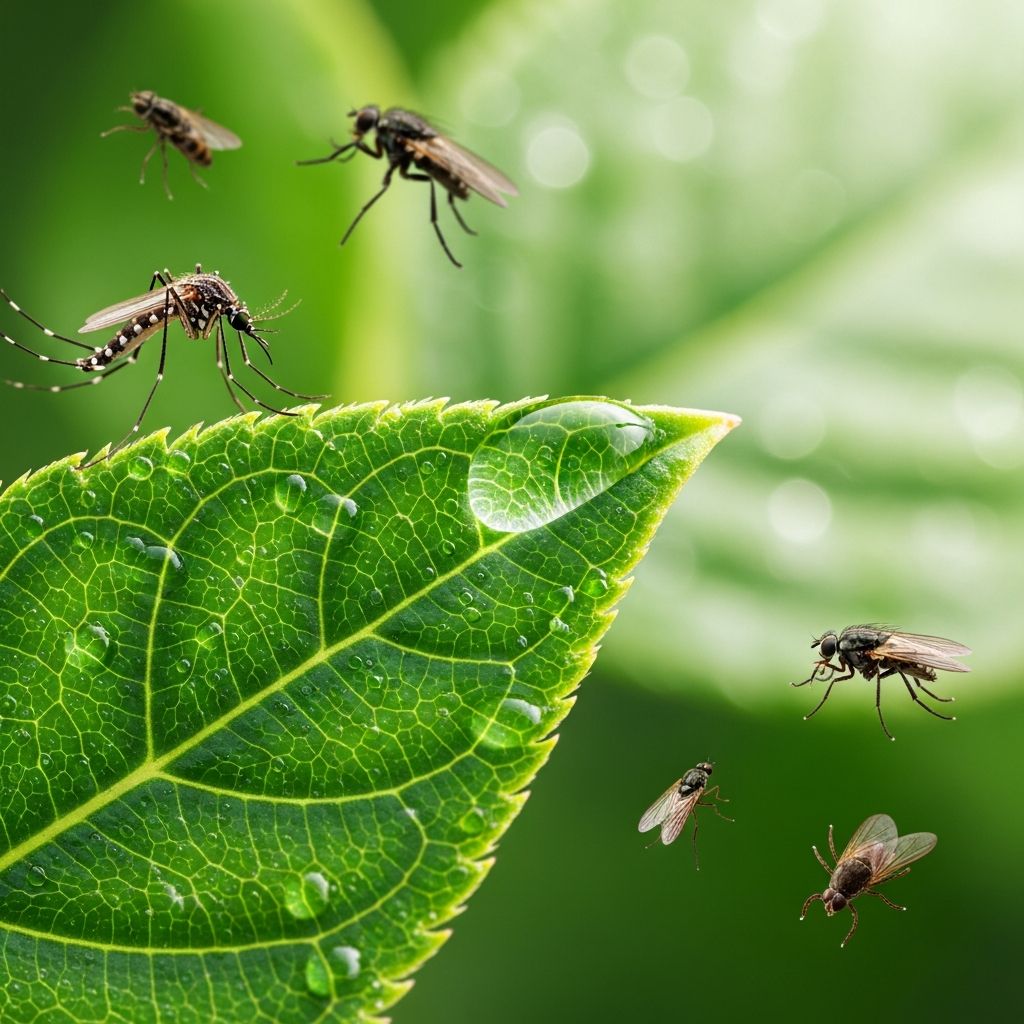
Protecting yourself and your family from insect bites is essential for enjoying outdoor activities while minimizing risks of diseases like West Nile virus or Lyme disease. This guide explores proven repellent options, their effectiveness, safe usage practices, and considerations for different age groups and environments.
Why Insect Repellents Matter
Biting insects such as mosquitoes and ticks transmit serious illnesses. Effective repellents create a barrier that deters these pests, allowing safer time outdoors. Government health agencies emphasize selecting products based on active ingredients, concentration, and application method for optimal protection.
Key Active Ingredients in Repellents
Several compounds have been rigorously tested for repelling insects. Understanding their strengths helps in picking the right one.
DEET: The Gold Standard
N,N-Diethyl-meta-toluamide, commonly known as DEET, has protected people since 1957. It remains the benchmark for effectiveness against mosquitoes and ticks.
- Available in concentrations from 5% to 100%, but 10-35% suffices for most needs.
- 10% DEET offers about 2 hours of protection; 30% extends to 5-6 hours.
- Higher levels beyond 50% add minimal extra time.
Forms include lotions, sprays, and wipes, making it versatile for various activities.
Picaridin: A Modern Alternative
Picaridin (also called KBR 3023 or icaridin) matches DEET’s performance without the strong odor or greasy feel. Introduced globally in 1998, it’s gentle on skin and safe for plastics.
- 20% concentration rivals 20-25% DEET for 8-14 hours against mosquitoes.
- Less irritating, ideal for sensitive skin.
- Effective against ticks, flies, and chiggers.
Oil of Lemon Eucalyptus (OLE)
This plant-derived repellent, specifically p-Mentane-3,8-diol (PMD), provides DEET-like protection. It’s refined from eucalyptus, not a simple essential oil.
- 30% OLE delivers 5-7 hours of mosquito repellency.
- Not for children under 3 due to limited safety data.
- Distinguish from unrefined lemon eucalyptus oil, which lacks proven efficacy.
Permethrin for Gear and Clothing
Permethrin is a synthetic pyrethroid used exclusively on fabrics, not skin. It kills and repels insects on contact.
- Lasts through multiple washes, up to 2 weeks or 5-6 launderings.
- Treat clothing, tents, and nets for layered defense.
- Combines powerfully with skin-applied repellents.
Comparing Repellent Effectiveness
Lab tests using human subjects in mosquito cages reveal clear leaders. DEET at 25-30% consistently tops charts, with picaridin and OLE close behind.
| Ingredient | Concentration | Mosquito Protection Time | Tick Protection | Skin-Friendly |
|---|---|---|---|---|
| DEET | 25-30% | 5-8 hours | Excellent | Good (follow directions) |
| Picaridin | 20% | 8-14 hours | Very Good | Excellent |
| OLE (PMD) | 30% | 5-7 hours | Good | Good |
| Permethrin | N/A (clothing) | N/A | Excellent | N/A |
Data from controlled studies shows plant oils like citronella offer only 1-2 hours, making them unreliable for prolonged exposure.
Safe Application Guidelines
Proper use maximizes benefits and minimizes risks. Always read labels.
- Apply thinly to exposed skin; avoid eyes, mouth, and cuts.
- Use just enough to cover; reapply after swimming or sweating.
- For sunscreen, apply first, let dry, then repellent.
Special Rules for Children
Young skin absorbs more. Limit DEET to 30% max, preferably 10% for kids.
- Picaridin and OLE (over age 3) are suitable alternatives.
- Apply with adult hands; avoid hands to prevent ingestion.
- Use clothing and netting for infants under 6 months.
During Pregnancy and for Sensitive Skin
Related Stories



No evidence shows repellents harm fetuses when used as directed. Opt for picaridin if concerned about DEET odor or feel.
Plant-Based and Natural Options: What Works?
Many seek “natural” repellents, but most underperform. Citronella, peppermint, and garlic mixtures repel for under 2 hours.
- LED lanterns with citronella add ambiance but little protection.
- Choose EPA-registered products for verified efficacy.
2-Undecanone from wild tomato plants shows promise but needs more research.
Enhancing Protection Beyond Repellents
Layer strategies for best results:
- Wear long sleeves, pants; tuck in shirts.
- Eliminate standing water to reduce mosquito breeding.
- Use fans outdoors; insects struggle in wind.
- Check for ticks after hikes.
Potential Side Effects and Precautions
DEET rarely causes rashes if overused or in high concentrations. EPA deems it safe per label instructions.
- Wash off repellents at day’s end.
- Store away from food and pets.
- If irritation occurs, rinse and seek medical advice.
Selecting Products for Your Needs
Match to activity:
- Short walks: 10% DEET or 10% picaridin.
- Camping: 20-30% DEET/OLE + permethrin clothes.
- Kids: Low-DEET wipes or picaridin sprays.
Search EPA’s repellent tool for personalized picks.
Frequently Asked Questions (FAQs)
Is DEET safe for daily use?
Yes, when following guidelines; EPA has reviewed decades of data confirming safety.
Can I use repellents with sunscreen?
Apply sunscreen first, wait 15-30 minutes, then repellent.
What’s best against ticks?
DEET or picaridin on skin, permethrin on clothing.
Do natural repellents work as well?
Most don’t; stick to registered OLE for plant-based efficacy.
How often to reapply?
Every 4-8 hours or after water exposure; check product label.
Conclusion
Armed with knowledge of proven ingredients like DEET, picaridin, and OLE, you can confidently repel insects. Prioritize EPA-registered products and safe habits for worry-free adventures.
References
- Mosquito Repellents: Types and Recommendations — Mississippi State Department of Health. Accessed 2026. https://msdh.ms.gov/page/14,957,93.html
- 5 Best Insect Repellents of 2025, Lab-Tested and Reviewed — Consumer Reports. 2025. https://www.consumerreports.org/health/insect-repellent/best-insect-repellents-for-you-and-your-family-a4042114470/
- Choosing and Using Insect Repellents — National Pesticide Information Center (NPIC), Oregon State University. Accessed 2026. https://npic.orst.edu/ingred/ptype/repel.html
- Find the Repellent that is Right for You — U.S. Environmental Protection Agency. Accessed 2026. https://www.epa.gov/insect-repellents/find-repellent-right-you
Similar Articles








Read full bio of medha deb