Insect Stings: Symptoms, Treatment, and Prevention
Complete guide to insect stings: recognize symptoms, understand reactions, and learn effective treatment options.
Understanding Insect Stings
Insect stings are a common concern, particularly during warmer months when insects are more active. While most insect stings result in minor discomfort and localized swelling, some individuals experience severe allergic reactions that require immediate medical attention. Understanding the types of insects that sting, recognizing the symptoms of different reactions, and knowing how to respond appropriately can help you manage this health concern effectively.
Types of Stinging Insects
Several insects are known for their ability to sting, with the most medically significant belonging to the order Hymenoptera. These insects include three primary families with clinical importance:
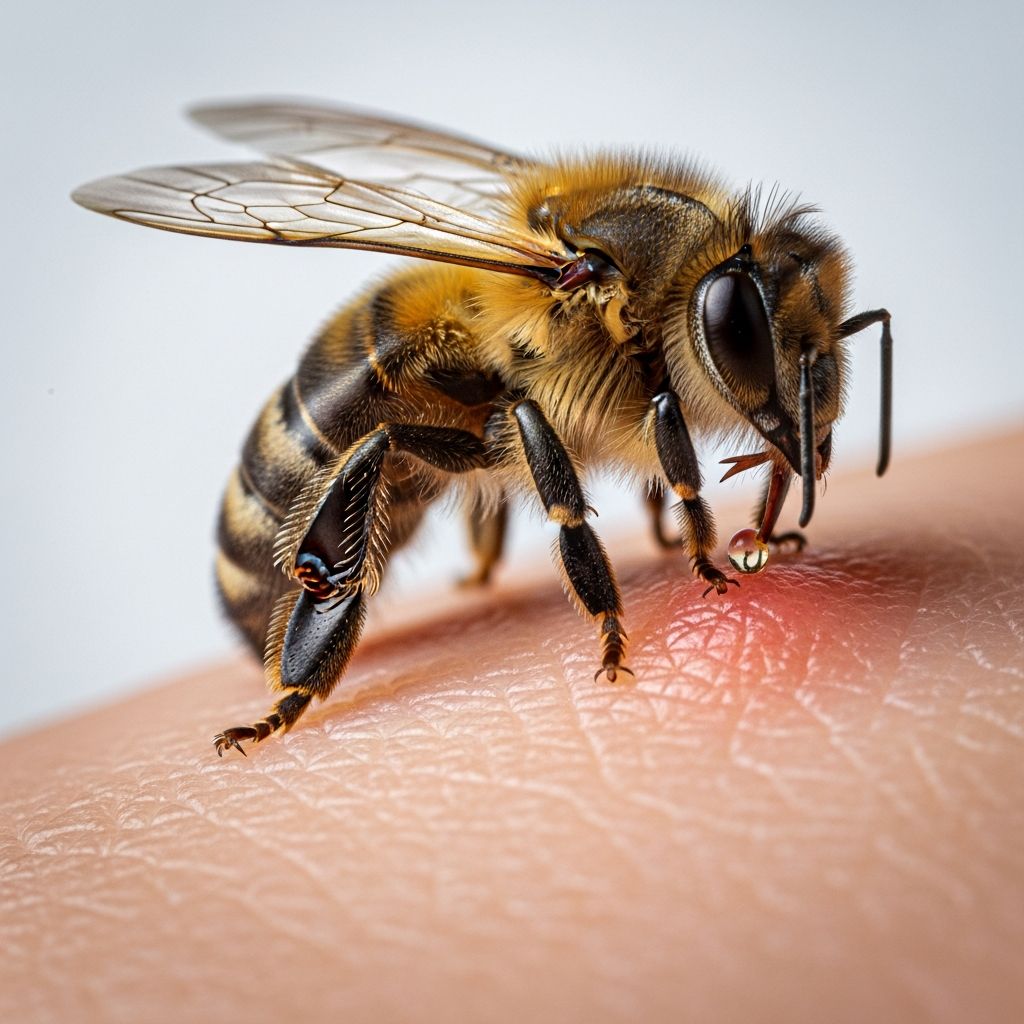
– Bees: This family includes honeybees and bumblebees, which typically sting only when defending their hive or feeling threatened. Unlike some other stinging insects, honeybees leave their stinger in the skin after stinging, resulting in their death.- Vespids: This group encompasses yellow jackets, hornets, and wasps. These insects are more aggressive than bees and can sting multiple times without losing their stinger. They are attracted to food and garbage, making them common encounters in outdoor settings.- Stinging Ants: Particularly fire ants, these insects can deliver painful stings and cause significant local reactions in some individuals.
It is important to note that biting insects, such as mosquitoes, typically do not cause systemic allergic reactions comparable to stinging insects.
Normal Sting Reactions
For most people, an insect sting results in a normal, localized reaction that is not considered dangerous. Normal sting reactions include:
– Transient pain at the sting site- Mild itching- Localized swelling and redness- Warmth around the affected area
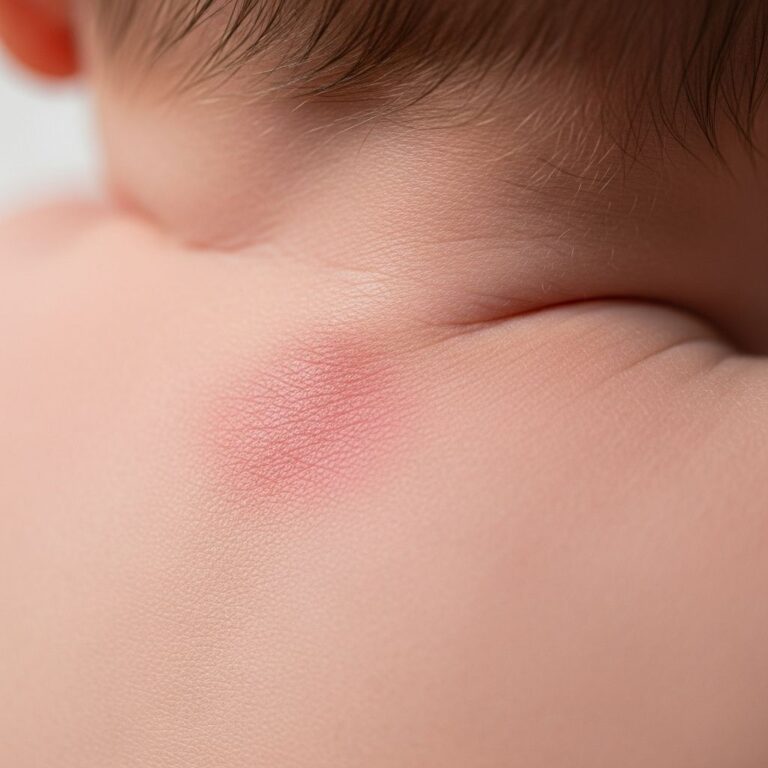
These normal reactions typically resolve within a few hours to a day without requiring medical intervention. The body’s natural inflammatory response causes these symptoms as it responds to the insect venom.
Large Local Reactions
A large local reaction to an insect sting is more extensive than a normal reaction but does not involve systemic symptoms. Characteristics of large local reactions include:
– Swelling that extends beyond the immediate sting site- Delayed onset, typically developing 24 to 48 hours after the sting- Prolonged inflammation that may last 3 to 10 days- Possible itching and discomfort in the affected area
Large local reactions are more frequent than systemic allergic reactions but rarely pose serious danger. However, they can be uncomfortable and may cause concern if the swelling occurs in sensitive areas such as near the eyes or throat. Most patients experiencing large local reactions have detectable venom-specific IgE antibodies, indicating an allergic response. The risk of progressing to a systemic reaction in patients with a history of large local reactions is relatively low, ranging from 5 to 10 percent.
Systemic Allergic Reactions
Systemic allergic reactions to insect stings affect multiple body systems and can range from mild to life-threatening. These reactions occur when allergens from the insect venom trigger a widespread immune response. Symptoms of systemic allergic reactions may include:
– Generalized itching or flushing of the skin- Hives or rash on the body- Swelling of the throat, tongue, or lips- Difficulty breathing or wheezing- Nausea, vomiting, or abdominal cramping- Dizziness or lightheadedness- Rapid or weak pulse- Loss of consciousness in severe cases
Systemic reactions can develop rapidly and may worsen quickly. The severity can vary significantly, even within the same individual. Some individuals experience a rapid onset of severe symptoms, while others have a more gradual progression. Research indicates that anaphylaxis to insect stings has occurred in approximately 3 percent of adults and can be fatal even on the first reaction, making prompt recognition and treatment essential.
Related Stories



Anaphylaxis: A Medical Emergency
Anaphylaxis is the most severe form of allergic reaction and represents a medical emergency. This life-threatening reaction occurs when the immune system mounts an extreme response to the insect venom. During anaphylaxis, multiple body systems are affected simultaneously, leading to a rapid drop in blood pressure, severe breathing difficulties, and potential loss of consciousness.
Immediate treatment is critical for anaphylaxis. The standard emergency treatment involves intramuscular injection of epinephrine (adrenaline), which works rapidly to reverse the symptoms of anaphylaxis. Following epinephrine administration, patients should be placed in a recumbent position (lying flat with legs elevated) to help maintain blood flow to vital organs. Additional supportive measures may include intravenous fluids and supplemental oxygen.
Important to note is that some individuals, particularly those taking beta-blocker medications, may show reduced responsiveness to epinephrine. Additionally, biphasic and protracted anaphylaxis have been reported with insect stings, meaning symptoms may recur or persist even after initial treatment. For this reason, medical observation should continue for 3 to 6 hours following an anaphylactic reaction, depending on the severity of the initial response.
Diagnosis of Insect Sting Allergy
Accurate diagnosis of insect sting allergy is essential for appropriate management and prevention. The diagnostic process typically involves several components:
Clinical History
The clinical history is the most important diagnostic tool. Your healthcare provider will ask detailed questions about the circumstances of the sting, the symptoms that developed, the timeline of symptom progression, and any previous sting reactions. This information helps establish whether a true allergic reaction occurred and the severity of that reaction.
Venom Skin Testing
Venom skin tests are among the most accurate diagnostic methods for identifying insect sting allergies. During this test, small amounts of venom from different insects are introduced into the skin, usually on the forearm or back. If you have an allergy to a particular venom, a localized reaction (wheal and flare) develops at the test site within 15 to 20 minutes. The size of the reaction may indicate the degree of sensitization, though it is important to note that skin test sensitivity does not reliably predict the severity of future sting reactions.
Radioallergosorbent Test (RAST)
The RAST (or similar immunoassay tests) is a blood test that measures levels of venom-specific IgE antibodies. This test is particularly useful as a complementary diagnostic tool when skin testing is not possible or when results are unclear. However, like skin testing, RAST sensitivity does not correlate reliably with the severity of potential sting reactions.
Baseline Serum Tryptase
In some cases, measurement of baseline serum tryptase levels may be performed. This test can help stratify risk in patients with a history of anaphylaxis, as elevated baseline levels may indicate a higher risk for future severe reactions.
A significant finding in diagnostic testing is that venom sensitization can be detected in approximately 25 percent of the adult population, yet most of these individuals never experience a severe reaction to an insect sting. This underscores the importance of clinical history in diagnosis, as the presence of antibodies alone does not necessarily indicate a significant risk.
Treatment Options
Immediate Sting Care
For normal and large local reactions, immediate care at home can help manage discomfort:
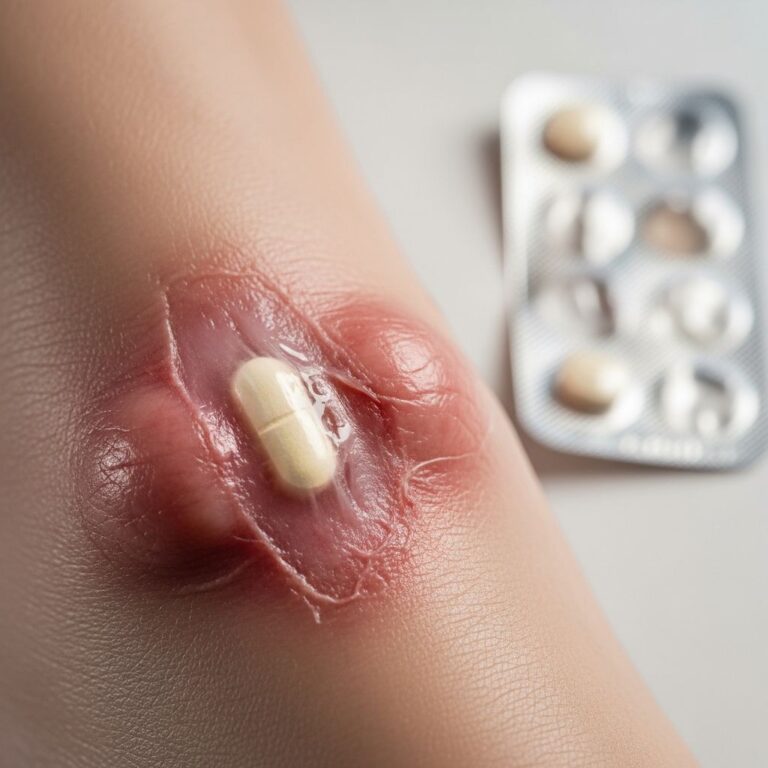
– Remove the stinger if present by scraping it away with a flat-edged object- Wash the area with soap and water- Apply a cold compress to reduce swelling- Take over-the-counter pain relievers such as acetaminophen or ibuprofen- Apply hydrocortisone cream or take antihistamines to reduce itching
Treatment of Systemic Reactions
Systemic reactions typically require medical intervention. Treatment may include:
– Antihistamines (such as diphenhydramine) to reduce allergic symptoms- Corticosteroids to decrease inflammation- Epinephrine for moderate to severe reactions- Additional support measures as needed
Emergency Treatment for Anaphylaxis
Anaphylaxis requires immediate emergency treatment. The primary intervention is intramuscular epinephrine injection, which should be administered as soon as anaphylaxis is suspected. After epinephrine administration, the patient should be positioned recumbent with legs elevated. Additional measures may include intravenous fluids, oxygen therapy, and continued monitoring for potential biphasic reactions.
Venom Immunotherapy
For long-term management of insect sting allergy, venom immunotherapy represents the most effective treatment option. This therapy involves gradually increasing doses of venom extract administered through injections over a period of time, typically beginning with a build-up phase lasting several months and continuing with maintenance injections.
Venom immunotherapy is remarkably effective, with success rates between 75 and 98 percent in preventing sting anaphylaxis. Research shows that this therapy rapidly reduces the risk of anaphylaxis following a sting to as low as 2 percent or less. In most patients, maintenance treatment can be discontinued after 5 years of therapy, with very low residual risk of a severe reaction to future stings.
The indications for venom immunotherapy include a documented history of systemic allergic reaction to an insect sting combined with positive diagnostic testing confirming venom-specific IgE. This therapy is particularly recommended for individuals with a history of anaphylaxis, as it provides substantial protection against future severe reactions.
When to Carry an Epinephrine Auto-Injector
Individuals at risk for systemic reactions should discuss with their healthcare provider whether carrying an epinephrine auto-injector is appropriate. These devices provide rapid access to emergency treatment if a sting reaction begins. Some experts recommend that individuals with even a 2 percent chance of anaphylaxis carry an epinephrine injector, while others reserve it for those with documented anaphylaxis or multiple risk factors. Your allergist can help determine your personal risk level and make appropriate recommendations.
Prevention Strategies
While not all insect stings can be prevented, several strategies can reduce your risk of being stung:
– Avoid wearing bright colors or floral patterns that attract insects- Avoid perfumes, scented lotions, and hair products that may attract insects- Wear protective clothing such as long sleeves and pants when in areas with many insects- Avoid open-toed shoes in grass or wooded areas- Be cautious around food and trash, where insects congregate- Remain calm if an insect approaches; swatting may provoke a sting- Avoid walking barefoot on grass- Keep food and beverage containers covered when eating outdoors- Remove or cover sources of standing water, where insects may breed
Frequently Asked Questions
What should I do if I get stung by an insect?
For normal reactions, remove any stinger, wash the area, apply a cold compress, and use over-the-counter pain relief or antihistamines. Seek medical attention if you develop signs of a systemic reaction such as swelling of the throat, difficulty breathing, or widespread hives. If you experience anaphylaxis symptoms, call emergency services immediately and use an epinephrine auto-injector if available.
How long do insect sting reactions typically last?
Normal sting reactions usually resolve within a few hours to one day. Large local reactions develop over 24 to 48 hours and may persist for 3 to 10 days. Systemic reactions typically develop within minutes to a few hours of the sting. Medical observation for anaphylaxis should continue for 3 to 6 hours following the initial reaction.
Can you develop an allergy to insect stings later in life?
Yes, allergic sensitization to insect venom can develop at any time. Some individuals have their first allergic reaction after years of being stung without problems. Additionally, the severity of reactions can vary, and individuals may experience different reactions to stings from different insect species.
Is venom immunotherapy permanent?
Venom immunotherapy provides long-term protection against sting anaphylaxis. Most patients can discontinue treatment after 5 years of maintenance therapy while maintaining very low risk of severe reactions. However, residual risk does exist, and some individuals may experience recurrence of allergic sensitivity over time.
What is the difference between a large local reaction and anaphylaxis?
Large local reactions involve swelling and inflammation limited to the area around the sting, occurring over 24 to 48 hours and resolving in 3 to 10 days. Anaphylaxis is a systemic reaction affecting multiple body systems, developing rapidly, and causing symptoms such as difficulty breathing, throat swelling, and drop in blood pressure. Anaphylaxis is a medical emergency requiring immediate treatment.
How accurate are allergy tests for insect stings?
Venom skin tests are the most accurate diagnostic method, while RAST testing serves as an important complementary test. However, the degree of sensitivity on these tests does not reliably predict the severity of future sting reactions. Clinical history remains the most important diagnostic factor.
References
- Approach to Patients with Stinging Insect Allergy — Johns Hopkins University School of Medicine, Department of Medicine. 2020. https://pure.johnshopkins.edu/en/publications/approach-to-patients-with-stinging-insect-allergy
- Insect Sting Anaphylaxis — Golden, D.B.K., et al. PubMed Central, National Institutes of Health. 2007. https://pmc.ncbi.nlm.nih.gov/articles/PMC1961691/
- Medical Clinics of North America — Volume 104, Issue 1, Pages 129-143. January 2020. https://doi.org/10.1016/j.mcna.2019.09.009
Similar Articles








Read full bio of Sneha Tete