Insecticides And The Skin: Essential Uses, Risks, And Safety
Exploring cutaneous adverse effects, safe use, and treatments for insecticides in dermatology practice.
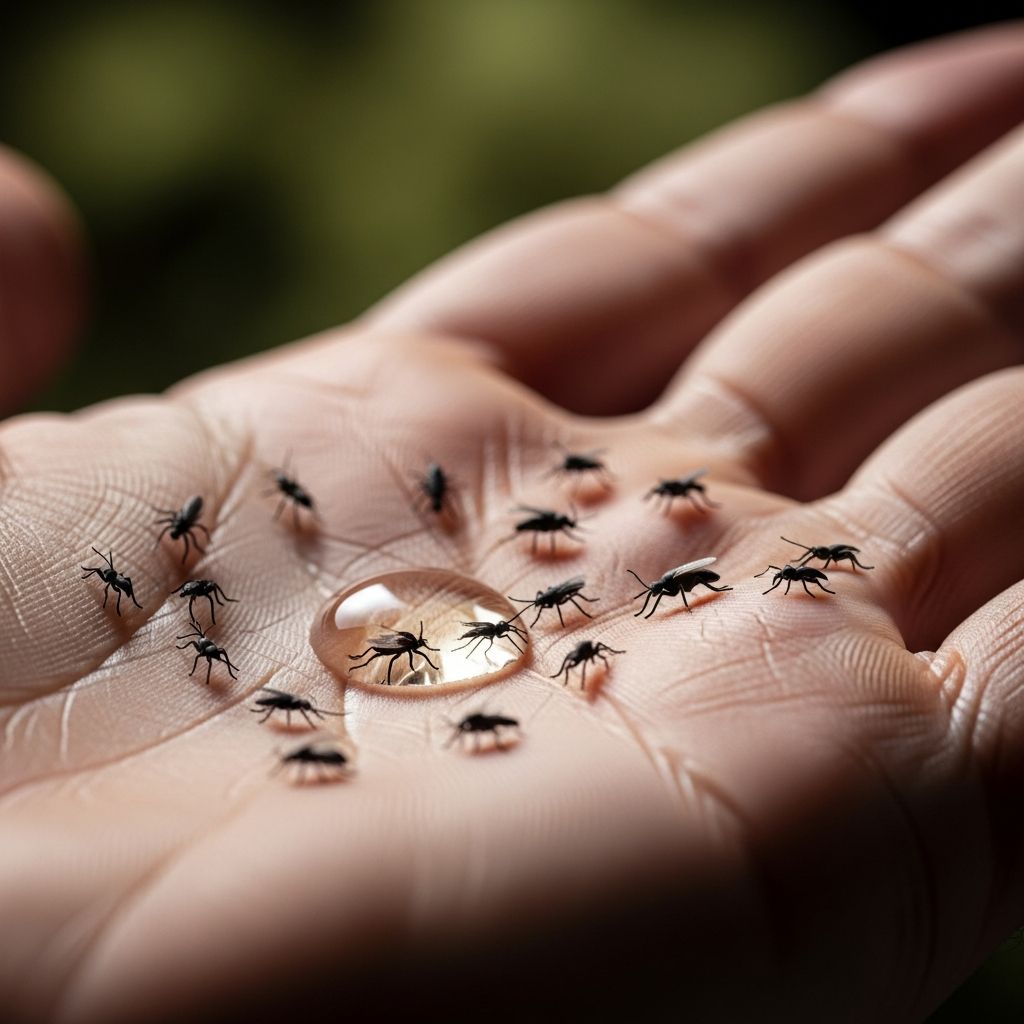
Insecticides play a crucial role in dermatology for treating infestations by insects and mites such as head lice, pubic lice, body lice, scabies mites, bird mites, ticks, mosquitoes, and fleas. These agents are primarily topical formulations including creams, lotions, shampoos, foams, and sprays, with ivermectin serving as a systemic option for severe scabies or parasitic worms. Understanding their application, potential cutaneous adverse effects, and emerging resistance is essential for effective management and minimizing skin harm.
Insecticides Used in Dermatology
Dermatological insecticides target specific ectoparasites infesting human skin and hair. Common preparations include pyrethroids like permethrin for scabies and lice, malathion for head lice, and benzyl benzoate for scabies. Ivermectin, administered orally, is reserved for crusted scabies or treatment failures. These products are formulated for direct skin contact, distinguishing them from agricultural pesticides, though similar mechanisms can lead to skin irritation.
- Permethrin 5% cream: First-line for scabies; applied head-to-toe, left on for 8-14 hours.
- Malathion 0.5% lotion: Alternative for head lice resistant to pyrethrins.
- Ivermectin: Oral dose of 200 mcg/kg, repeated after 1-2 weeks for recalcitrant cases.
- Benzyl benzoate 25% lotion: Traditional scabies treatment, though irritating.
Application requires thorough coverage of affected areas, often repeated to eradicate all life stages of parasites.
Cutaneous Adverse Effects
The most frequent side effect across insecticides is
itching (pruritus)
, often intensified by the underlying infestation like scabies post-scabetic itch. Other reactions include irritant contact dermatitis, characterized by erythema, burning, and stinging, particularly with pyrethroids and organophosphates. Allergic contact dermatitis occurs via sensitization, presenting as eczematous rashes. Severe effects encompass chemical burns, urticaria, hyperpigmentation, and chloracne-like eruptions from halogenated compounds.Local reactions manifest immediately: redness, swelling, vesicles, or pustules. Secondary bacterial infections arise from scratching, leading to impetigo or cellulitis. Systemic absorption may cause paresthesia (pyrethroid ‘tingling’) or, rarely, neurotoxicity. Agricultural studies highlight chronic risks like pigmentary changes and palmoplantar keratoses from prolonged exposure.
| Insecticide Class | Common Skin Effects | Examples |
|---|---|---|
| Pyrethroids | Itching, paresthesia, irritant dermatitis | Permethrin, deltamethrin |
| Organophosphates | Burning, erythema, cholinergic symptoms | Malathion |
| Carbamates | Contact urticaria, necrosis | Carbaryl |
| Other | Chloracne, hyperpigmentation | Paraquat, maneb |
Mechanisms of Skin Injury
Skin damage stems from direct cytotoxicity to keratinocytes, disrupting the barrier and enhancing absorption. Pesticides trigger inflammasome activation (e.g., NLRP3), releasing IL-1β and promoting inflammation. Immunologic sensitization leads to type IV hypersensitivity in allergic cases. Hot, humid conditions and sweat exacerbate penetration, as seen in farmworkers with elevated eczema odds (OR=2.54-3.17).
Insecticide Resistance
**Insecticide resistance** poses a growing challenge, with lice and scabies mites developing tolerance to permethrin and ivermectin. Mechanisms include target site mutations (e.g., voltage-gated sodium channels in pyrethroid resistance) and metabolic detoxification via esterases. Clinical implications involve treatment failures, necessitating rotation of agents or combination therapies.
- Head lice: Up to 80% permethrin resistance in some regions.
- Scabies: Emerging ivermectin resistance in crusted cases.
- Mosquitoes/ticks: Reduced efficacy of DEET alternatives.
Monitoring via susceptibility testing and novel agents like spinosad are recommended.
Safe Use and Precautions
To minimize adverse effects, adhere to label instructions: apply to intact skin, avoid eyes/mucosa, and wash off post-use. Use after sunscreen on exposed areas; never under clothing. Contraindications include infants under 2 months and open wounds. Protective gloves are vital for applicators.
Related Stories



Do’s:
- Perform patch test for sensitive skin.
- Wash linens post-treatment.
- Reapply only as directed.
Don’ts:
- Combine with oils/fragrances.
- Exceed dosage/frequency.
- Use on broken skin.
Treatment of Adverse Effects
Mild irritation resolves with emollients and cool compresses. Topical corticosteroids (e.g., 1% hydrocortisone) alleviate dermatitis; avoid anesthetics like benzocaine due to sensitization risk. Antihistamines control urticaria/pruritus. Secondary infections require antibiotics (e.g., Fucidin cream). Severe burns or necrosis need wound care; anaphylaxis demands epinephrine.
For post-inflammatory hyperpigmentation, sunscreen is key during healing. Consult dermatology if symptoms worsen: fever, spreading erythema, bull’s-eye rash, or respiratory distress.
Prevention Strategies
Prevent infestations via hygiene, long clothing, and EPA-approved repellents (DEET 20-30%, picaridin). In high-risk groups (farmworkers, children near fields), emphasize PPE: gloves, coveralls, respirators. Education on safe handling reduces occupational dermatitis.
Frequently Asked Questions (FAQs)
Q: What is the most common side effect of topical insecticides?
A: Itching, often exacerbated by the underlying infestation like scabies.
Q: How can insecticide resistance be managed?
A: By rotating agents (e.g., permethrin to malathion), using combinations, or novel insecticides like ivermectin.
Q: Is permethrin safe for pregnant women?
A: Generally considered safe (Category B), but consult a physician.
Q: What should I do if I develop a rash after insecticide use?
A: Wash off product, apply cool compresses and hydrocortisone; seek medical help if severe.
Q: Can insecticides cause long-term skin damage?
A: Chronic exposure links to hyperpigmentation, chloracne, and skin cancer risk.
Special Considerations
Vulnerable populations include agricultural workers with inadequate PPE, experiencing higher rates of eczema and rashes. Children near plantations show elevated itchy rash odds (OR=2.74) from drift exposure. Occupational training and regulatory enforcement are critical.
References
- What Dermatologists Say About Bug Spray and Bug Bites in Summer — US Dermatology Partners. 2023. https://www.usdermatologypartners.com/blog/bug-spray-affects-on-skin/
- Insecticides and the Skin — DermNet NZ. 2024-01-15. https://dermnetnz.org/topics/insecticides-and-the-skin
- The Dermatologic Impact of Pesticide Exposure in Agricultural Workers — MK Science Set. 2024. https://mkscienceset.com/articles_file/194-_article1748069899.pdf
- Contact Dermatitis Due to Insects: Symptoms and Treatment — Vinmec. 2023. https://www.vinmec.com/eng/blog/insect-contact-dermatitis-symptoms-and-treatment-prevention-en
- Cutaneous Toxicity: Toxic Effects on Skin — Extoxnet (Oregon State University). 2022. https://extoxnet.orst.edu/tibs/cutaneou.htm
- Bug Sprays and Skin Safety: A Dermatologist’s Perspective — Tono Health. 2024. https://www.tonohealth.com/blog/bug-sprays-skin-safety
Similar Articles








Read full bio of Sneha Tete