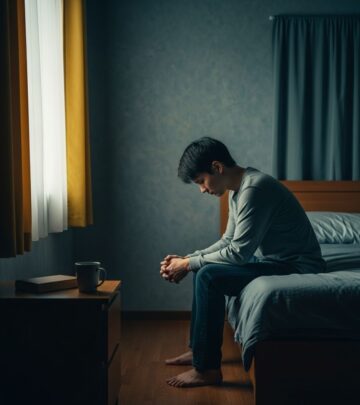
Insomnia: Causes And 4 Proven Solutions For Better Sleep
Discover effective strategies to overcome insomnia, from understanding its roots to proven therapies for restorative sleep.
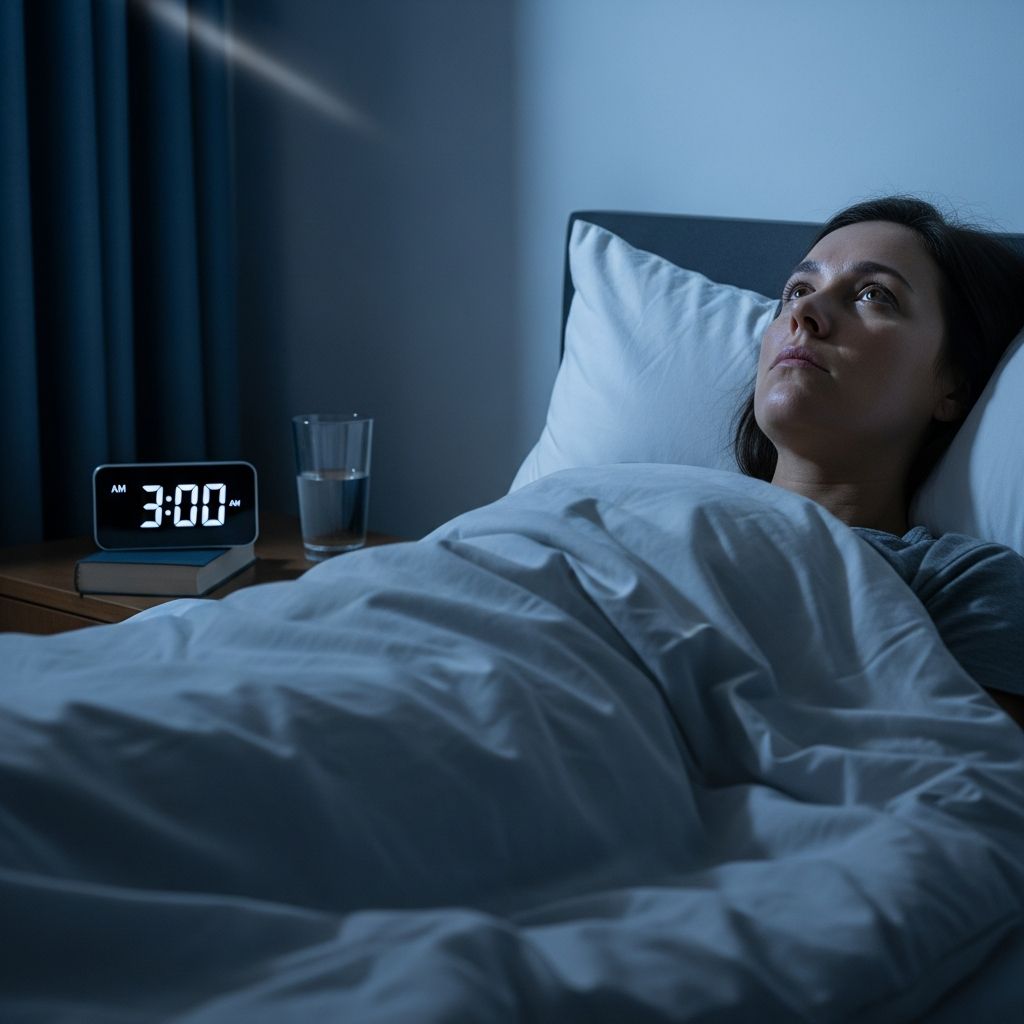
Insomnia disrupts the natural sleep cycle, leaving millions struggling with fatigue and reduced quality of life. This condition manifests as trouble initiating sleep, maintaining it through the night, or experiencing non-restorative rest, often accompanied by daytime impairments like irritability and poor concentration.
Recognizing the Signs of Insomnia
Individuals with insomnia typically face persistent challenges in achieving adequate sleep despite opportunities to rest. Core nighttime symptoms include prolonged time to fall asleep, frequent awakenings, or rising earlier than desired without the ability to return to sleep.
Daytime consequences further highlight the disorder’s impact: chronic tiredness, difficulty focusing, memory lapses, mood disturbances, and even heightened accident risk due to impaired alertness. These effects can persist for weeks in acute cases or years in chronic forms, significantly affecting daily functioning.
- Difficulty falling asleep after lying in bed for extended periods.
- Frequent night wakings without clear cause.
- Early morning awakenings with inability to resume sleep.
- Non-refreshing sleep despite sufficient hours attempted.
- Daytime sleepiness, reduced productivity, or emotional instability.
Unraveling the Root Causes
Insomnia arises from a complex interplay of factors, rarely stemming from a single source. It can be classified as primary, where no underlying condition exists, or secondary, linked to other health issues.
Psychological Contributors
Mental health conditions like anxiety, depression, stress, and trauma frequently precipitate sleep disturbances. Racing thoughts or hyperarousal prevent relaxation, creating a vicious cycle where poor sleep exacerbates emotional distress.
Physical and Medical Factors
Chronic pain from arthritis or back issues, respiratory problems like asthma, gastrointestinal reflux, neurological disorders such as Parkinson’s, or endocrine imbalances including hyperthyroidism all interrupt sleep continuity.
Lifestyle and Environmental Triggers
Irregular schedules from shift work or jet lag, excessive screen exposure before bed, caffeine or alcohol consumption, and napping habits disrupt the body’s circadian rhythm and sleep drive.
Medications and Substances
Many pharmaceuticals, including antidepressants, blood pressure drugs, stimulants, and even some over-the-counter remedies for colds or pain, interfere with sleep architecture.
| Category | Examples | Impact on Sleep |
|---|---|---|
| Psychological | Anxiety, Depression | Increased arousal, racing thoughts |
| Medical | Pain, Asthma, Hyperthyroidism | Pain wakings, breathing issues |
| Lifestyle | Shift work, Screens | Circadian disruption |
| Substances | Caffeine, Medications | Delayed sleep onset |
Types of Insomnia: Acute vs. Chronic
Acute insomnia lasts days to weeks, often triggered by temporary stressors like job loss or travel. Chronic insomnia endures three months or more, at least three nights weekly, demanding comprehensive intervention.
Subtypes include psychophysiological (anxiety about sleep), idiopathic (lifelong onset), and those tied to behavioral patterns in children or substances.
Proven Pathways to Better Sleep
Treatment prioritizes non-drug approaches, with cognitive behavioral therapy for insomnia (CBT-I) as the gold standard. This structured program targets thoughts and behaviors perpetuating sleeplessness, outperforming medications long-term without side effects.
Core Elements of CBT-I
- Stimulus Control: Reserve bed for sleep and intimacy; exit if asleep not within 20 minutes.
- Sleep Restriction: Limit bed time to actual sleep duration, gradually expanding.
- Cognitive Restructuring: Challenge catastrophic sleep beliefs.
- Relaxation Training: Progressive muscle relaxation or breathing exercises.
Delivered by therapists or apps, CBT-I yields lasting improvements in 70-80% of cases.
Related Stories



Lifestyle Optimizations
Enhance sleep hygiene: maintain consistent bed/wake times, dim lights evenings, avoid stimulants post-noon, exercise regularly but not late, and create a cool, dark bedroom.
- Set a fixed daily rise time, regardless of night sleep.
- Curate a wind-down routine sans screens one hour pre-bed.
- Track sleep in a diary to identify patterns.
Pharmacological Options
When behavioral methods insufficient, short-term meds like benzodiazepine receptor agonists, melatonin agonists, or orexin antagonists may aid. Antidepressants like doxepin serve off-label. Always under medical supervision due to dependency risks.
Oral melatonin supplements help some, particularly shift workers, though evidence varies.
Self-Help Strategies for Immediate Relief
For mild episodes, implement these without delay:
- Practice 4-7-8 breathing: Inhale 4 seconds, hold 7, exhale 8.
- Journal worries pre-bed to offload mental clutter.
- Use white noise or earplugs to mask disruptions.
- Avoid clock-watching, which heightens anxiety.
When to Consult a Professional
Seek help if insomnia persists beyond three weeks, impairs work/safety, or accompanies snoring, leg jerks, or mood disorders signaling apnea or RLS. Sleep specialists may recommend polysomnography for diagnostics.
Preventing Insomnia Recurrence
Build resilience through routine, stress management like mindfulness, and prompt addressing of new stressors. Monitor for medication side effects and adjust habits seasonally.
Frequently Asked Questions
What is the difference between insomnia and poor sleep?
Insomnia involves dissatisfaction with sleep quantity/quality plus daytime fallout, beyond mere occasional bad nights.
Can diet influence insomnia?
Yes; heavy meals, caffeine, or alcohol near bedtime disrupt sleep. Opt for light, balanced evening intake.
Is CBT-I available online?
Affirmative; guided programs via apps or websites offer accessible CBT-I components.
Do sleep aids work long-term?
Limited; they manage symptoms but not causes, risking tolerance unlike CBT-I.
How much sleep do adults need?
7-9 hours nightly for optimal health.
References
- Insomnia: Causes, symptoms, and treatments — Medical News Today. 2023-10-01. https://www.medicalnewstoday.com/articles/9155
- Insomnia: Causes, Symptoms, and Proven Treatments for Better Sleep — National Council on Aging. 2024-05-15. https://www.ncoa.org/article/insomnia-explained-causes-symptoms-and-how-to-overcome-sleep-problems/
- Insomnia: Causes, Symptoms, What to Do When You Can’t Sleep — HelpGuide.org. 2024-02-20. https://www.helpguide.org/wellness/sleep/insomnia-causes-and-cures
- Insomnia: Symptoms, Causes, & Treatment — WebMD. 2024-08-10. https://www.webmd.com/sleep-disorders/insomnia-symptoms-and-causes
- Insomnia Symptoms and Treatment Options — UPMC. 2023-11-05. https://www.upmc.com/services/pulmonology/our-services/sleep-medicine/conditions/insomnia
- Insomnia: Symptoms, Causes, and Treatments — Sleep Foundation. 2024-07-22. https://www.sleepfoundation.org/insomnia
- Chronic Insomnia — NCBI Bookshelf (StatPearls). 2023-07-17. https://www.ncbi.nlm.nih.gov/books/NBK526136/
Similar Articles








Read full bio of medha deb