Insomnia: Causes, Symptoms, and Evidence-Based Treatment
Comprehensive guide to understanding insomnia and finding effective treatment solutions.
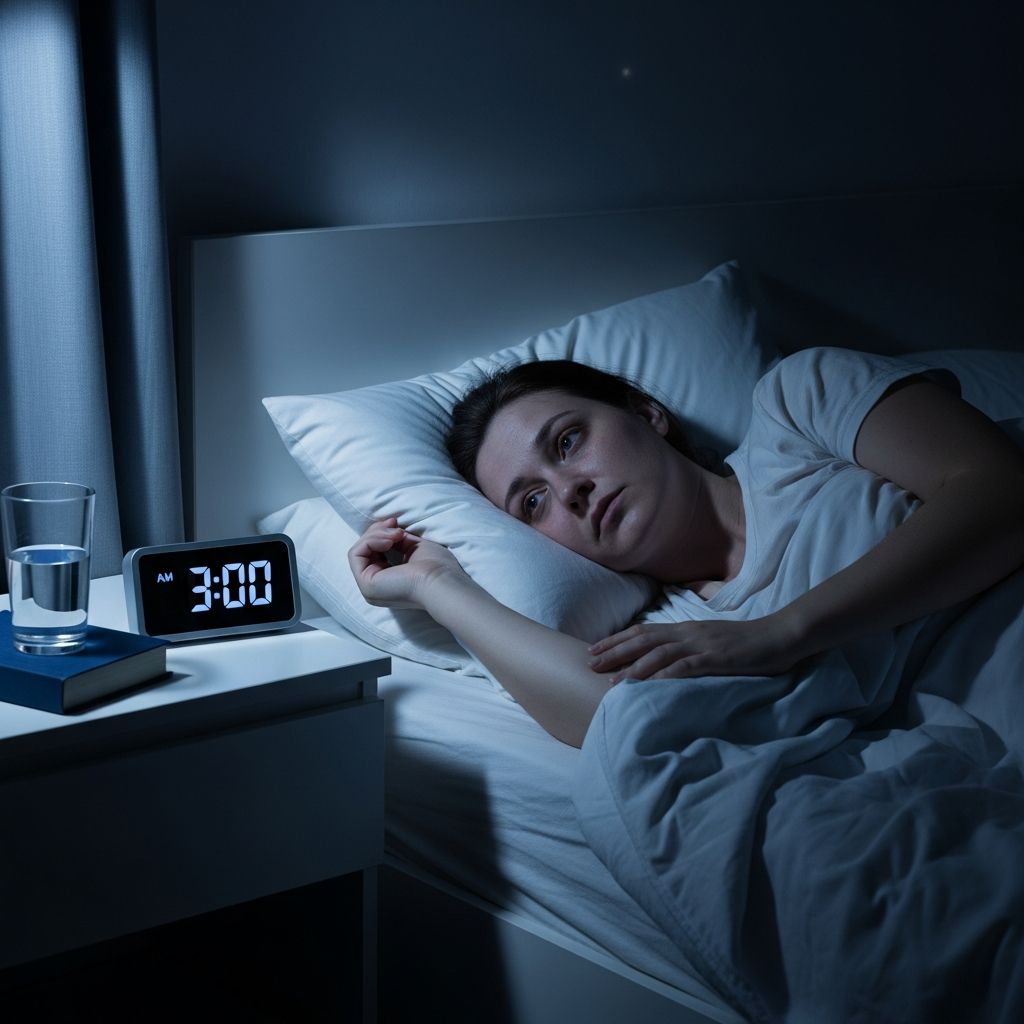
Understanding Insomnia: What You Need to Know
Insomnia is one of the most common sleep disorders affecting millions of people worldwide. It occurs when you consistently have trouble falling asleep, staying asleep, waking too early, or experiencing poor quality sleep. Unlike other sleep disorders that may go unnoticed, insomnia directly impacts your daytime functioning, mood, and overall quality of life. For some individuals, insomnia may be a temporary inconvenience lasting a few nights, while for others it becomes a chronic condition that significantly disrupts their daily routines and well-being.
The condition is typically characterized by a persistent pattern of sleep disruption that occurs at least three nights per week for a month or longer. When insomnia reaches this threshold, it is classified as chronic insomnia, which requires professional evaluation and treatment. Understanding the nature of your sleep problems is the first step toward finding effective solutions and reclaiming restful nights.
Types and Classification of Insomnia
Insomnia manifests in different forms, and healthcare providers classify it based on the specific sleep disturbance patterns:
Sleep-Onset Insomnia
This type involves difficulty falling asleep when you first go to bed. People with sleep-onset insomnia may lie awake for extended periods, often experiencing racing thoughts or anxiety about not being able to sleep.
Sleep-Maintenance Insomnia
This occurs when you can fall asleep but struggle to stay asleep throughout the night. You may experience frequent awakenings or find yourself unable to return to sleep after waking in the middle of the night.
Early Morning Awakening
Some individuals with insomnia wake up much earlier than desired and cannot fall back asleep. This pattern often leaves them feeling unrefreshed and fatigued during the day.
Non-Restorative Sleep
Despite spending adequate time in bed, you may wake feeling as though you haven’t slept at all. This type of insomnia reflects poor sleep quality rather than insufficient sleep quantity.
What Causes Insomnia?
Insomnia rarely develops without underlying causes. Identifying these triggers is essential for developing an effective treatment plan. Multiple factors can contribute to the development of insomnia, ranging from psychological stress to medical conditions and lifestyle habits.
Psychological Factors
Stress, anxiety, and depression are among the most common psychological contributors to insomnia. Worries about work, finances, health, or family can keep your mind active when you’re trying to sleep. Racing thoughts and rumination make it difficult to achieve the mental calm necessary for sleep onset.
Medical Conditions
Various health conditions can interfere with sleep quality. These include chronic pain, arthritis, heart disease, acid reflux, asthma, and neurological conditions. Additionally, hormonal changes during menopause or conditions affecting thyroid function can disrupt sleep patterns.
Medications and Substances
Certain medications used to treat conditions like depression, high blood pressure, and allergies may have stimulating side effects. Caffeine, nicotine, and alcohol consumption, particularly in the hours before bedtime, can significantly impair sleep quality.
Sleep Environment and Habits
An uncomfortable sleeping environment with excessive noise, light, or temperature fluctuations can contribute to insomnia. Similarly, irregular sleep schedules, excessive screen time before bed, and using the bedroom for activities other than sleep can condition your brain to associate the bedroom with wakefulness.
Age and Life Changes
Insomnia becomes more prevalent with age, and significant life transitions such as retirement, relocation, or major life events can disrupt established sleep patterns.
Symptoms and Impact of Insomnia
The effects of insomnia extend far beyond the bedroom. Chronic sleep deprivation accumulates over time, creating widespread impacts on physical health, mental well-being, and daily functioning.
Nighttime Symptoms
During sleep hours, you may experience:
- Difficulty initiating sleep despite feeling tired
- Frequent awakenings throughout the night
- Prolonged periods of wakefulness during sleep
- Restlessness and tossing and turning
- Hyperawareness of the sleep environment and clock-watching
Daytime Symptoms
The consequences of inadequate sleep manifest during waking hours:
- Excessive daytime sleepiness and fatigue
- Difficulty concentrating and memory problems
- Mood disturbances including irritability and anxiety
- Reduced motivation and productivity
- Impaired decision-making and reaction time
- Increased risk of accidents and safety concerns
Long-Term Health Effects
If left untreated, chronic insomnia can lead to more serious health complications. Persistent sleep deprivation has been linked to increased risk of cardiovascular disease, metabolic disorders, weakened immune function, and worsening of existing mental health conditions. The accumulating effects can leave you feeling confused, agitated, and prone to mood swings.
Diagnosis of Insomnia
Proper diagnosis is crucial for developing an effective treatment strategy. When you visit a sleep specialist, they will conduct a comprehensive evaluation to understand your specific sleep patterns and identify potential underlying causes.
Clinical Assessment
Your healthcare provider will ask detailed questions about your sleep history, including when the problem began, how often it occurs, and what you’ve already tried. They will inquire about your daily routine, stress levels, medications, and any medical conditions you have.
Sleep Studies and Testing
Depending on your symptoms, your provider may recommend diagnostic testing to rule out other sleep disorders like obstructive sleep apnea. These may include:
- Overnight polysomnography conducted in a sleep laboratory
- Multiple Sleep Latency Test (MSLT) to assess daytime sleepiness
- Home sleep apnea testing for convenient at-home monitoring
- Actigraphy to track sleep and wake patterns over extended periods
Physical and Neurological Examination
Your provider will perform a comprehensive physical examination and neurological assessment. In rare cases, brain imaging may be ordered to rule out neurological conditions contributing to sleep disturbance.
Evidence-Based Treatment Options
Modern insomnia treatment combines behavioral, cognitive, and pharmacological approaches tailored to your individual needs and circumstances.
Cognitive Behavioral Therapy for Insomnia (CBT-I)
CBT-I is considered the gold standard treatment for insomnia and is the most effective long-term solution. This structured, evidence-based psychotherapy addresses the thoughts, behaviors, and emotions that perpetuate insomnia. A typical CBT-I course consists of 6 to 10 weekly or biweekly sessions delivered by specially trained psychologists or behavioral health specialists.
CBT-I incorporates several key components:
- Sleep Hygiene Education: Learning optimal sleep practices and environmental modifications
- Stimulus Control: Using the bed and bedroom exclusively for sleep
- Sleep Restriction: Adjusting time in bed to match actual sleep time, gradually extending it
- Relaxation Training: Progressive muscle relaxation, deep breathing, and meditation techniques
- Cognitive Restructuring: Identifying and challenging unhelpful thoughts about sleep
- Psychoeducation: Understanding sleep physiology and insomnia mechanisms
Research demonstrates that CBT-I provides longer-lasting benefits, minimal side effects, and superior outcomes compared to medication alone. The improvements tend to persist even after treatment concludes.
Lifestyle and Behavioral Modifications
Simple yet powerful lifestyle changes can significantly improve sleep quality:
- Maintain consistent sleep and wake times every day, including weekends
- Establish a relaxing bedtime routine 30 to 60 minutes before sleep
- Avoid screens and blue light exposure before bedtime
- Eliminate caffeine, nicotine, and alcohol, especially in the evening
- Avoid large meals, excessive fluids, and vigorous exercise close to bedtime
- Create an optimal sleep environment: cool, dark, quiet, and comfortable
- Limit daytime naps to 20 to 30 minutes in the early afternoon
- Engage in regular physical activity, but not immediately before bed
- Practice stress management and mindfulness techniques
Medication Management
While medications should not be the primary treatment, they can provide short-term relief when used appropriately. Various classes of medications may be prescribed, including sedative-hypnotics, antidepressants, or melatonin receptor agonists. However, research shows that combining medication with CBT-I may not provide additional benefits beyond CBT-I alone, suggesting a ceiling effect. Medication works best as a temporary bridge while behavioral changes take effect.
Other Therapeutic Approaches
Additional treatment options include light therapy and chronotherapy for circadian rhythm-related insomnia, relaxation techniques such as progressive muscle relaxation and guided imagery, and acceptance and commitment therapy for managing sleep-related anxiety.
When to Seek Professional Help
You should consider consulting a sleep specialist if you experience insomnia at least three nights per week for a month or longer, or if your sleep problems significantly impact your daytime functioning and quality of life. A multidisciplinary team of sleep experts, including neurologists, pulmonologists, psychiatrists, and behavioral health specialists, can provide comprehensive evaluation and personalized treatment plans.
Frequently Asked Questions
Q: Is insomnia dangerous?
A: Insomnia itself is usually not immediately dangerous, but chronic sleep deprivation can lead to serious health consequences including increased risk of cardiovascular disease, metabolic problems, impaired immune function, and worsening mental health.
Q: How long does it take for treatment to work?
A: CBT-I typically shows improvements within 4 to 6 weeks, with full benefits developing over 8 to 10 weeks. Lifestyle modifications may show results within days to weeks, while medication effects can be immediate.
Q: Can insomnia be cured permanently?
A: Yes, CBT-I provides lasting improvements even after treatment ends. However, occasional sleep difficulties may recur during stressful periods, and maintaining good sleep habits is important for long-term success.
Q: Are sleeping pills the best treatment?
A: No. While medications can provide short-term relief, CBT-I is the most effective long-term treatment with superior outcomes and fewer side effects. Research shows combining therapy with medication doesn’t provide additional benefits beyond therapy alone.
Q: Can I treat insomnia at home?
A: Yes, implementing sleep hygiene changes and behavioral modifications can help mild insomnia. However, chronic insomnia typically requires professional evaluation and treatment, particularly CBT-I delivered by trained specialists.
Q: Is insomnia more common in certain populations?
A: Insomnia prevalence increases with age and is more common in women, particularly during menopause. People with mental health conditions, chronic medical illnesses, and high stress levels also experience higher rates of insomnia.
References
- Sleep Disorders — Cleveland Clinic. Accessed December 2025. https://my.clevelandclinic.org/departments/neurological/depts/sleep-disorders
- Get Insomnia Care — Cleveland Clinic. Accessed December 2025. https://my.clevelandclinic.org/services/insomnia-treatment
- Insomnia in older adults: A review of treatment options — Cleveland Clinic Journal of Medicine. Published 2024. https://www.ccjm.org/content/92/1/43
- Sleep Disorders: Types, Causes, Symptoms & Treatment — Cleveland Clinic. Accessed December 2025. https://my.clevelandclinic.org/health/diseases/11429-sleep-disorders
- Insomnia — Cleveland Clinic Fact Sheet. Accessed December 2025. https://my.clevelandclinic.org/-/scassets/files/org/neurological/sleep-disorders/fact-sheets/2-insomnia.pdf
Similar Articles








Read full bio of medha deb