Insomnia: What It Is, Causes, Symptoms & Treatment
Complete guide to understanding insomnia, its causes, symptoms, and effective treatment options.
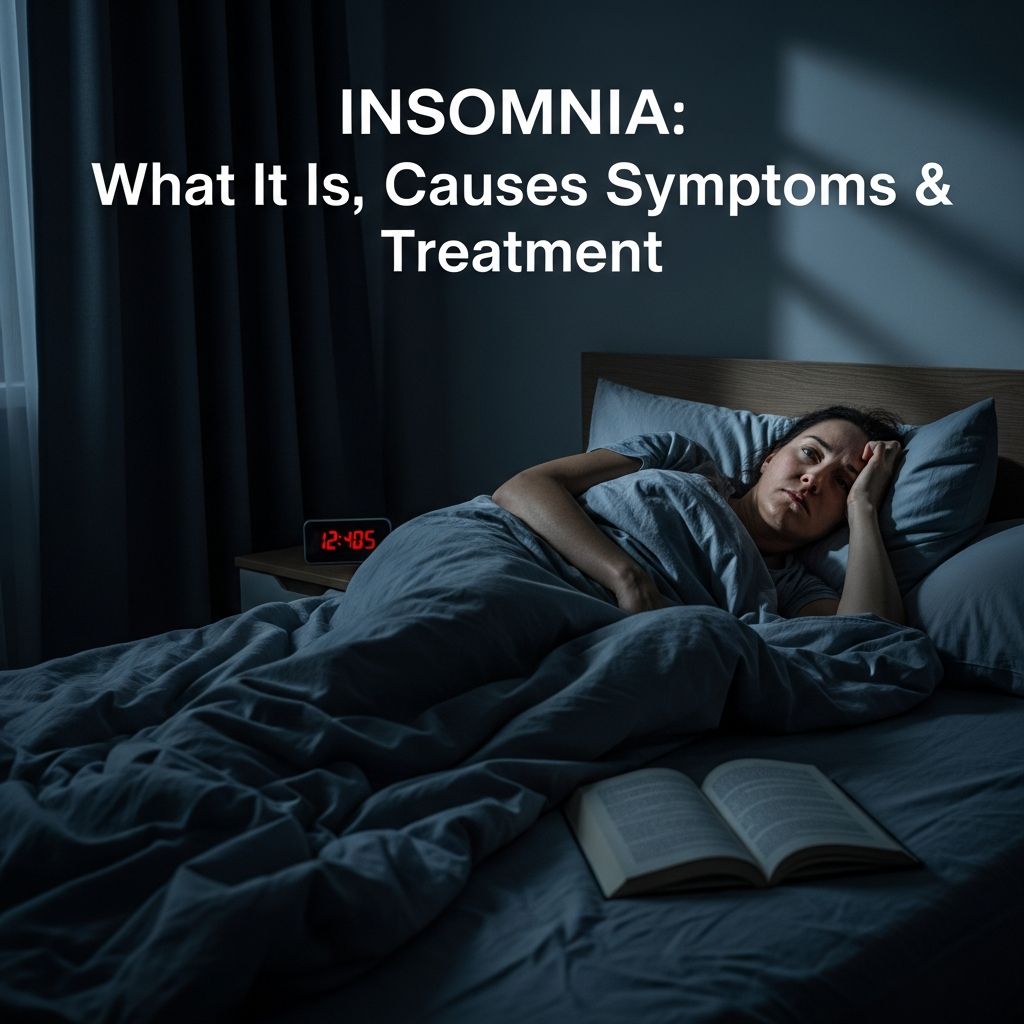
Understanding Insomnia: A Comprehensive Guide
Insomnia is a common sleep disorder that affects millions of people worldwide. It occurs when you experience difficulty falling asleep, staying asleep, or obtaining enough quality sleep to feel rested and function optimally during the day. For some individuals, insomnia may be a temporary inconvenience lasting a few nights, while for others it can become a chronic condition that significantly impacts their daily life, work performance, mood, and overall health. Unlike some sleep disorders that involve unusual behaviors during sleep, insomnia primarily involves a disruption in the quantity and quality of sleep itself.
What Exactly Is Insomnia?
Insomnia is defined as a sleep disorder characterized by persistent difficulty initiating sleep, maintaining sleep, or achieving restorative sleep despite having adequate opportunity to sleep. The condition manifests differently from person to person. Some individuals find themselves lying awake for hours before finally falling asleep, while others fall asleep easily but wake frequently throughout the night and cannot return to sleep. Still others wake up too early in the morning and cannot go back to bed. What ties these experiences together is the resulting daytime dysfunction—feeling unrefreshed, fatigued, irritable, or unable to concentrate.
Types of Insomnia
Understanding the different types of insomnia can help in identifying your specific sleep challenges and determining appropriate treatment approaches.
Primary Insomnia
Primary insomnia occurs independently without being associated with another medical condition, psychiatric disorder, or medication. This type of insomnia typically develops due to psychological factors, poor sleep habits, or environmental factors affecting sleep quality. Individuals with primary insomnia have no underlying health condition causing their sleep disturbance, making it a standalone disorder that requires specific behavioral and cognitive interventions.
Comorbid Insomnia
Comorbid insomnia, also known as secondary insomnia, develops in conjunction with another medical condition, mental health disorder, or medication side effect. Common conditions associated with comorbid insomnia include depression, anxiety, chronic pain, acid reflux, asthma, and heart disease. Additionally, certain medications used to treat other conditions can interfere with sleep quality. Understanding and treating the underlying condition is essential for resolving comorbid insomnia.
Common Causes and Risk Factors
Insomnia rarely develops without reason. Several factors can contribute to the onset and persistence of sleep difficulties:
Psychological Factors
Stress, anxiety, and depression are among the most common psychological triggers for insomnia. Major life events such as job loss, relationship changes, health problems, or financial difficulties can disrupt sleep patterns. Worry about sleep itself can create a cycle where anxiety about not sleeping prevents sleep from occurring.
Medical Conditions
Numerous medical conditions can interfere with sleep, including chronic pain, arthritis, asthma, heart disease, diabetes, acid reflux, and neurological disorders. Sleep apnea, where breathing repeatedly stops and starts during sleep, often occurs alongside insomnia. Additionally, hormonal changes during menopause and pregnancy can significantly affect sleep quality.
Lifestyle and Environmental Factors
Poor sleep habits, also called sleep hygiene, significantly contribute to insomnia. These include irregular sleep schedules, using electronic devices before bed, consuming caffeine or alcohol close to bedtime, exercising too close to sleep time, and maintaining an uncomfortable sleep environment. Additionally, shift work and jet lag can disrupt the body’s natural sleep-wake cycle.
Related Stories



Medications and Substances
Certain medications can interfere with sleep quality. These include some antidepressants, blood pressure medications, corticosteroids, and stimulant medications. Caffeine, nicotine, and alcohol consumption, particularly in the hours before bedtime, can also significantly disrupt sleep patterns.
Recognizing Insomnia Symptoms
The symptoms of insomnia extend beyond just difficulty sleeping. They encompass both nighttime sleep disturbances and daytime consequences:
Nighttime Symptoms
Common nighttime symptoms include taking more than 30 minutes to fall asleep after going to bed, waking multiple times during the night and having difficulty returning to sleep, waking too early in the morning before desired, and experiencing restless or unsatisfying sleep despite spending adequate time in bed.
Daytime Symptoms
During the day, individuals with insomnia often experience persistent fatigue and low energy levels, difficulty concentrating or remembering information, mood disturbances including irritability, anxiety, or depression, and decreased performance at work or school. If left untreated, chronic insomnia can lead to more serious consequences, including confusion, agitation, and significant mood swings that affect relationships and quality of life.
Diagnosis and Evaluation
Proper diagnosis is essential for developing an effective treatment plan. When you visit a healthcare provider for insomnia evaluation, they will take a comprehensive approach:
Medical and Sleep History
Your sleep specialist will ask detailed questions about your sleep patterns, when the insomnia began, what you think triggers it, your medical history, current medications, and any family history of sleep disorders. This information helps identify patterns and potential causes of your sleep disturbance.
Diagnostic Tests
While no single test can definitively diagnose insomnia, your healthcare provider may recommend various tests to rule out other sleep disorders and identify underlying conditions:
Sleep Studies: These can be conducted overnight in a sleep laboratory or in the comfort of your own home. Home sleep apnea tests (HSAT) are particularly useful for evaluating sleep-related breathing disorders.
Physical and Neurological Examinations: These help identify any physical signs of underlying conditions affecting sleep.
Brain Imaging: In rare cases, brain imaging studies may be recommended to rule out neurological conditions.
Cleveland Clinic conducts thousands of sleep studies annually, providing extensive expertise in comprehensive sleep disorder evaluation.
Effective Treatment Options
Treatment for insomnia typically involves a multifaceted approach combining behavioral changes, psychological interventions, and sometimes medication.
Cognitive Behavioral Therapy for Insomnia (CBT-I)
Cognitive Behavioral Therapy for Insomnia is considered the gold standard treatment for insomnia and has been shown to provide longer-lasting benefits with minimal side effects. CBT-I is a structured, evidence-based psychotherapy delivered by specially trained and certified psychologists or behavioral health specialists. A typical course of CBT-I involves 6 to 10 sessions delivered weekly or biweekly.
CBT-I addresses maladaptive behaviors and cognitions that perpetuate insomnia through several key components:
Sleep Hygiene Education: Learning proper sleep habits and environmental conditions that promote sleep.
Stimulus Control: Using your bed only for sleep and intimacy, helping your brain associate the bed with sleep.
Sleep Restriction: Initially limiting time in bed to match actual sleep time, then gradually increasing it.
Relaxation Training: Learning techniques to calm your mind and body before sleep.
Cognitive Therapy: Identifying and changing unhelpful thoughts and worries about sleep.
Research shows that CBT-I is more effective than medication alone, and while combining CBT-I with medication may improve some sleep parameters, studies indicate a ceiling effect where additional interventions beyond CBT-I may not yield further significant improvements.
Lifestyle Modifications and Sleep Hygiene
Behavioral health specialists at Cleveland Clinic help patients implement practical, everyday lifestyle changes that significantly improve sleep quality:
Sleep Schedule: Going to bed and waking up at the same time every day, even on weekends, helps regulate your body’s internal clock.
Bedtime Routine: Establishing a consistent wind-down routine 30-60 minutes before bed signals your body that sleep is approaching.
Environmental Optimization: Ensuring your bedroom is dark, quiet, cool, and comfortable enhances sleep quality.
Digital Device Management: Avoiding phones, computers, and other screens before bed reduces blue light exposure and mental stimulation.
Dietary Changes: Avoiding alcohol, caffeine, and heavy meals close to bedtime prevents sleep disruption.
Daytime Activity: Avoiding daytime naps and maintaining regular physical activity during the day promotes better nighttime sleep.
Clock Watching: Removing clocks from view while in bed prevents anxiety about sleep duration.
Medication Management
While behavioral approaches are preferred, some patients benefit from medication management alongside therapy. Your healthcare provider can discuss appropriate pharmacological options based on your individual circumstances.
Cleveland Clinic’s Comprehensive Approach
Cleveland Clinic’s Sleep Disorders Center, established in 1978 and accredited by the American Academy of Sleep Medicine, offers a multidisciplinary approach to insomnia treatment. The center employs physicians and specialists from various disciplines including neurology, psychiatry, psychology, and pulmonary medicine to provide comprehensive care tailored to each patient’s needs.
Available Services
Cleveland Clinic provides multiple convenient options for insomnia evaluation and treatment:
Overnight and daytime sleep studies at seven sleep laboratories
Home sleep apnea testing for convenience
Cognitive Behavioral Therapy for Insomnia (CBT-I)
Virtual and in-person appointments for flexible access to care
The SLEEP by Cleveland Clinic app offering validated sleep questionnaires for self-assessment
Frequently Asked Questions About Insomnia
How long does insomnia typically last?
Insomnia duration varies greatly among individuals. Some experience acute insomnia lasting a few nights to weeks, often triggered by stress or life events. Chronic insomnia, by definition, occurs most nights for at least three months. With appropriate treatment, many individuals experience significant improvement, though the timeline varies based on the cause and treatment approach.
Is insomnia dangerous?
Insomnia itself is usually not dangerous, but chronic sleep deprivation can lead to serious consequences including impaired cognitive function, mood disturbances, increased risk of accidents, and worsening of existing health conditions. Seeking treatment is important to prevent these complications.
Can insomnia be cured?
Yes, insomnia can be treated effectively, particularly through CBT-I and lifestyle modifications. While some individuals may experience occasional sleep difficulties throughout their lives, the symptoms of insomnia can be substantially improved or resolved with appropriate intervention.
What should I do if I cannot fall asleep after 20 minutes?
If you cannot fall asleep after about 20 minutes, it is recommended to get out of bed and engage in a quiet, relaxing activity in dim light until you feel sleepy, then return to bed. This prevents your brain from associating the bed with wakefulness and anxiety.
How quickly does CBT-I work?
Many individuals begin noticing improvements in sleep quality within the first few weeks of CBT-I, though optimal results typically emerge after completing the full course of 6-10 sessions. Some benefits may continue improving even after treatment concludes.
Should I consult a sleep specialist?
If you experience persistent sleep difficulties affecting your daytime functioning, it is advisable to consult a sleep specialist. They can properly diagnose your condition, rule out underlying disorders, and develop a personalized treatment plan.
Getting Help for Your Insomnia
If you are struggling with insomnia, professional help is readily available. Cleveland Clinic’s sleep specialists understand the frustration of sleepless nights and are committed to helping you identify the root causes of your sleep disturbance and develop effective solutions. Through personalized treatment plans combining behavioral therapy, lifestyle modifications, and when appropriate, medication, most individuals with insomnia can achieve significant improvement in sleep quality and daytime functioning. The key is taking the first step and seeking professional evaluation to begin your journey toward better sleep and improved overall health.
References
- Sleep Disorders Center Overview — Cleveland Clinic. 2024. https://my.clevelandclinic.org/departments/neurological/depts/sleep-disorders
- Insomnia Treatment Services — Cleveland Clinic. 2024. https://my.clevelandclinic.org/services/insomnia-treatment
- Insomnia in older adults: A review of treatment options — Cleveland Clinic Journal of Medicine, 2025. https://www.ccjm.org/content/92/1/43
- Treatment Options for Insomnia: Expert Insights — Cleveland Clinic. 2024. https://my.clevelandclinic.org/health/diseases/12119-insomnia
- Sleep Disorders: Types, Causes, Symptoms & Treatment — Cleveland Clinic. 2024. https://my.clevelandclinic.org/health/diseases/11429-sleep-disorders
Similar Articles








Read full bio of medha deb