Insomnia: Causes, Symptoms & 5 Effective Treatments
Understand the causes, symptoms, and effective treatments for insomnia to improve your sleep and daytime functioning.
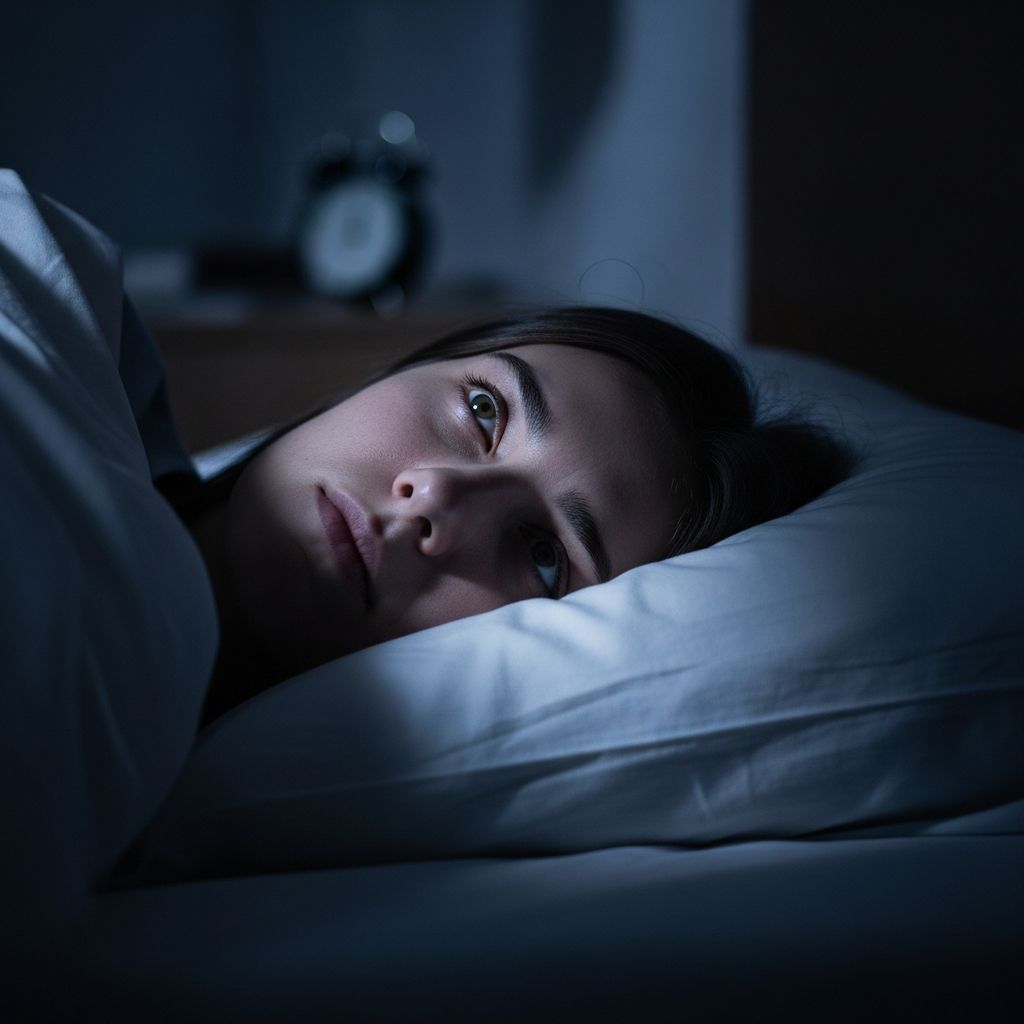
Insomnia, or poor sleep, is a common condition characterized by difficulty initiating sleep, maintaining sleep, early morning awakening, or non-restorative sleep, despite adequate opportunity, leading to daytime impairment such as fatigue, poor concentration, and mood disturbances.
What is insomnia?
Everyone has different sleep needs, but sufficient sleep leaves you feeling refreshed without daytime sleepiness. The medical definition of insomnia is difficulty getting to sleep, staying asleep, early wakening, or non-restorative sleep despite adequate time in bed, resulting in daytime issues like poor concentration, mood changes, and tiredness.
Sleep requirements vary by age and individual, decreasing with age. Insomnia impairs daytime functioning, causing fatigue, mood disturbances, interpersonal issues, work problems, and reduced quality of life, impacting physical and mental health.
Symptoms of insomnia
Poor sleep, especially chronic, severely affects life by causing:
- Tiredness (fatigue) and loss of energy during the day.
- Poor concentration.
- Loss of interest in usual activities.
- Irritability.
- Depression and anxiety.
- Reduced ability to perform tasks like work, social activities, or exercise; increased errors at work or while driving.
- Worse quality of life.
Complications include increased risk of depression/anxiety relapse, hypertension (with short sleep), absenteeism, accidents, and cardiometabolic risks due to hyperarousal.
Causes of insomnia
Temporary problems
Poor sleep is often short-term due to stress, work/family issues, jet lag, routine changes, new baby, or unfamiliar bed. It usually resolves over time.
Stress, anxiety or depression
Anxieties about work, home, or personal issues make it hard to relax. Depression, with low mood, lethargy, poor concentration, tearfulness, and negative thoughts, commonly causes poor sleep. Treating these often improves sleep.
A vicious cycle
Initial causes lead to worry about sleep and next-day fatigue, perpetuating the problem.
Sleep paralysis
Some experience paralysis upon waking or falling asleep, unable to move/speak briefly. See separate resources on sleep paralysis.
Other causes
Secondary insomnia links to medical/mental conditions or substances. Primary insomnia lacks identifiable cause, comprising 1 in 5 chronic cases.
Insomnia classifications
Definitions vary, but common categories include:
By type
- Primary insomnia: No underlying illness; about 20% of long-term cases.
- Secondary (comorbid) insomnia: Symptom of other medical/mental conditions or substance use.
By duration
- Transient: Less than 1 week, often situational.
- Short-term: 1-4 weeks.
- Chronic: Over 3 nights/week for 3+ months.
Do I need to see a doctor?
Consult if poor sleep persists beyond temporary stressors, affects daily life, or accompanies other symptoms. Doctors assess via history, sleep diary, and rule out secondary causes.
Treatment of insomnia
Treatments follow a step-wise approach: sleep hygiene, relaxation, exercise, then CBT if needed. CBT-I outperforms sleeping pills long-term.
Understanding some facts
Recognize normal sleep variations and that worry worsens insomnia.
Sleep hygiene
Adopt habits like consistent schedule, cool/dark/quiet bedroom, no caffeine/alcohol/nicotine late, limit naps, avoid screens.
- Regular sleep/wake times.
- Bed for sleep/sex only.
- Wind-down routine.
- Daylight exposure mornings.
Relaxation techniques
Progressive muscle relaxation, deep breathing, meditation reduce anxiety.
Related Stories



Daytime exercise
Regular activity improves sleep; avoid evenings.
Behavioural and cognitive therapies
For persistent cases, referral to CBT-I. Effective, durable (up to 2 years), available digitally.
Types include:
- Stimulus-control therapy: Bed for sleep only; leave if awake 20 mins; consistent wake time.
- Sleep restriction therapy: Limit bed time to actual sleep (e.g., 5 hrs if averaging 5), adjust weekly to 85-90% efficiency, then increase 15 mins.
- Biofeedback: Sensors train body control.
- Cognitive therapy (CBT): Challenge negative sleep thoughts.
- Acceptance and Commitment Therapy (ACT): Assess past strategies’ effectiveness.
CBT-I components: sleep hygiene, stimulus control, restriction, cognitive restructuring, relaxation. Superior for outcomes like sleep onset, duration.
Medication
Short-term hypnotics if needed, but CBT preferred. Avoid long-term due to dependence.
How well do treatments work?
CBT-I improves sleep in adults; studies show better onset, duration, efficiency lasting years. Exercise adds benefits.
| Treatment | Efficacy | Duration of Effect |
|---|---|---|
| CBT-I | High; improves sleep parameters | Up to 2 years |
| Sleep Hygiene | Moderate; foundational | Ongoing with adherence |
| Exercise | Efficacious with health gains | Sustained |
Frequently Asked Questions (FAQs)
Q: What is the difference between primary and secondary insomnia?
A: Primary has no underlying cause; secondary is linked to other conditions like depression or pain.
Q: How long should I try sleep hygiene before seeking help?
A: 2-4 weeks; if no improvement, consult a doctor for CBT referral.
Q: Is CBT-I available online?
A: Yes, digital CBT-I is effective and increasingly accessible.
Q: Can exercise really help insomnia?
A: Yes, regular daytime exercise improves sleep quality and offers additional health benefits.
Q: When is medication appropriate for insomnia?
A: Short-term for severe cases; CBT-I is first-line for long-term management.
Not suitable for: untreated conditions, non-insomnia disorders like apnea.
References
- Insomnia (Poor Sleep): Causes, Types, and Treatment — Patient.info. 2023. https://patient.info/mental-health/insomnia-poor-sleep
- CBT for insomnia: how does it work? — Patient.info. 2023. https://patient.info/features/healthy-living/cbt-for-insomnia-how-does-it-work
- Behavioral Strategies, Including Exercise, for Addressing Insomnia — PMC (NCBI). 2019-08-20. https://pmc.ncbi.nlm.nih.gov/articles/PMC6715137/
- Insomnia | Doctor — Patient.info. 2023. https://patient.info/doctor/history-examination/insomnia
- Understanding the cause of your sleep problems — Patient.info. 2023. https://patient.info/features/healthy-living/understanding-the-cause-of-your-sleep-problems
Similar Articles








Read full bio of Sneha Tete