Insomnia Symptoms: 9 Key Signs And When To Seek Help
Recognizing the signs of insomnia: nighttime struggles and daytime impacts that disrupt your life and health.
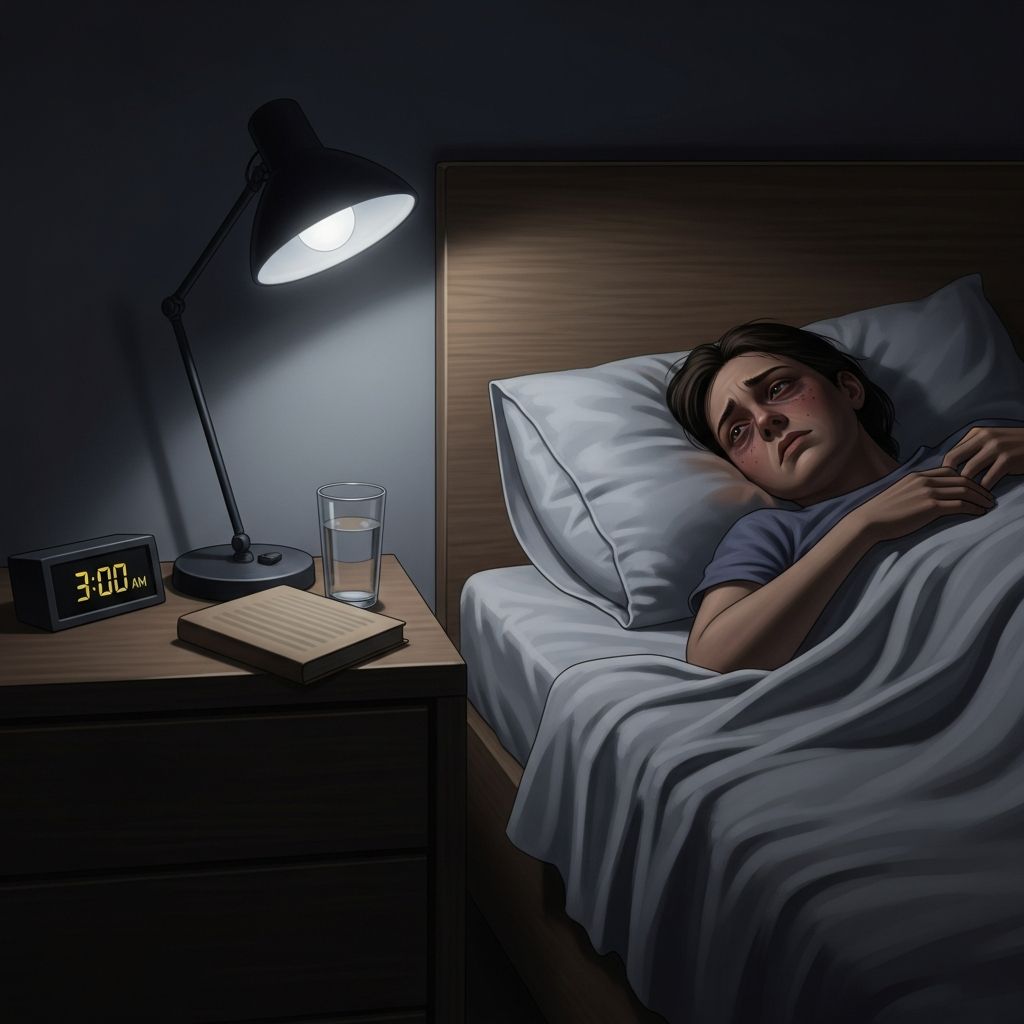
Insomnia is a prevalent sleep disorder marked by challenges in falling asleep, staying asleep, or achieving restorative sleep, often leading to daytime consequences that impair daily functioning. Difficulty falling asleep at night, frequent awakenings, or waking too early are hallmark nighttime symptoms, while daytime fatigue, irritability, and cognitive difficulties signal broader impacts.
What Is Insomnia?
Insomnia represents one of the most common sleep disorders, disrupting the ability to initiate sleep, maintain it, or obtain quality rest despite adequate opportunities. It manifests as excessive daytime sleepiness, memory issues, and reduced cognitive performance, with short-term episodes triggered by stress or changes and chronic forms persisting three nights weekly for three months or more.
Defined clinically as chronic dissatisfaction with sleep quantity or quality, insomnia involves difficulty falling asleep, nighttime awakenings with trouble resuming sleep, or undesired early morning awakenings, accompanied by daytime fatigue, sleepiness, cognitive impairments, and mood disturbances. This hyperarousal state—encompassing physiologic, cognitive, and emotional overactivity—prevents natural disengagement from wakefulness, perpetuating the cycle.
Insomnia Symptoms
Recognizing insomnia symptoms is crucial for early intervention. These divide into nighttime disruptions and daytime repercussions, often exacerbating each other.
Nighttime Symptoms of Insomnia
- Difficulty falling asleep: Lying awake for extended periods, sometimes 30 minutes or more, despite fatigue.
- Trouble staying asleep: Frequent awakenings, particularly after midnight, with difficulty returning to sleep.
- Waking up too early: Stirring before desired wake time and inability to fall back asleep.
- Non-restorative sleep: Waking feeling unrefreshed, even after seemingly adequate hours.
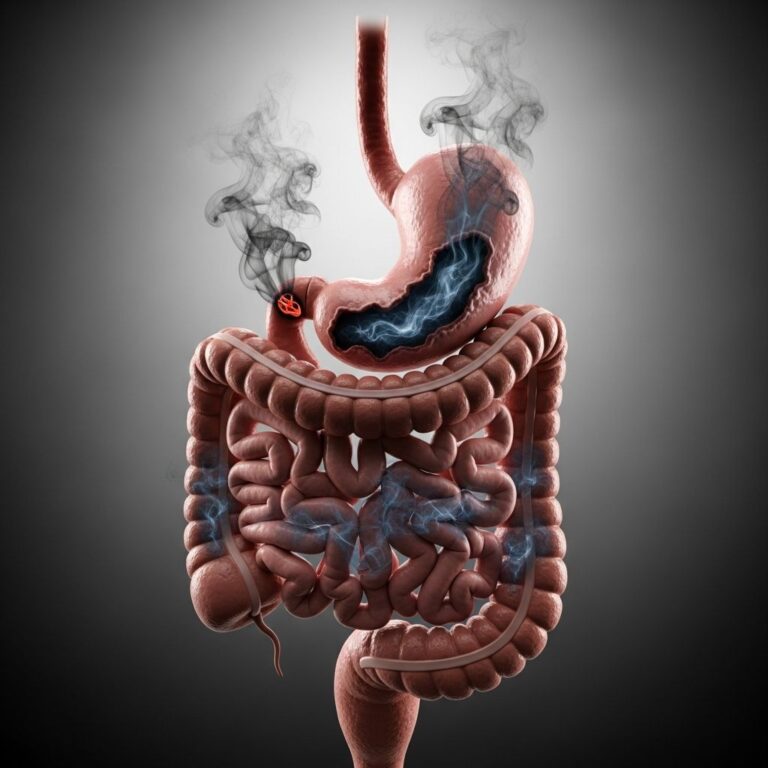
These align with hyperarousal models, where elevated EEG activity (beta and gamma waves), reduced delta power, and REM instability reflect persistent brain activation during supposed rest periods. Physiologic markers include higher heart rate, body temperature, and metabolic rate, alongside sympathetic nervous system overdrive.
Daytime Symptoms of Insomnia
- Fatigue and low energy: Persistent tiredness impacting physical activities.
- Daytime sleepiness: Uncontrollable urges to nap or drowsiness during tasks.
- Cognitive impairments: Problems with concentration, memory, focus, and decision-making.
- Mood disturbances: Increased irritability, anxiety, depression risk, and emotional instability.
- Performance issues: Reduced productivity at work or school, impaired motor skills.
Such symptoms stem from sleep deprivation’s cumulative toll, heightening error risks in demanding activities like driving.
How Common Is Insomnia?
Insomnia affects a significant portion of adults: up to 1 in 2 experience short-term bouts, while chronic insomnia impacts 6-10% of the population. Occasional symptoms occur in two-thirds of people, though not all meet diagnostic thresholds unless causing distress or functional impairment. Prevalence underscores its public health relevance, particularly amid rising stress and lifestyle factors.
Causes of Insomnia
Insomnia arises from multifactorial origins, blending predisposing traits, precipitating events, and perpetuating habits. No singular cause exists; it often coexists with other conditions.
- Psychological factors: Stress, anxiety, depression fuel cognitive hyperarousal at bedtime.
- Physiologic dysregulation: Hyperarousal via elevated cortisol, altered stress responses, increased blood pressure, and inflammation.
- Lifestyle and environmental: Poor sleep hygiene, irregular schedules, caffeine, screens disrupt circadian rhythms.
- Medical contributors: Pain, respiratory issues, medications, hormonal shifts (e.g., menopause).
- Neurological aspects: Brain imaging reveals impaired deactivation of executive control regions (frontoparietal cortex, thalamus) during sleep.
Related Stories



Models like the ‘flickering switch’ depict rapid sleep-wake transitions, while REM instability links fragmented REM to perceived poor sleep.
Health Risks of Untreated Insomnia
Prolonged insomnia elevates risks for serious conditions. It heightens cardiovascular disease (CVD) odds by 45%, via cortisol surges, hypertension, inflammation, and arterial calcification.
- Heart health: Short/disrupted sleep correlates with plaque buildup and CVD events.
- Mental health: Amplified depression, anxiety.
- Metabolic issues: Diabetes risk from stress hormone dysregulation.
- Other: Chronic pain, substance abuse, diminished quality of life.
Sleep deprivation impairs immunity, cognition, and safety, making untreated insomnia a gateway to broader decline.
Diagnosing Insomnia
Diagnosis relies on clinical evaluation of sleep history, habits, and symptoms. Providers assess via interviews, sleep diaries (tracking duration, quality, factors), and tools like the Pittsburgh Sleep Quality Index.
Tests rule out confounders: actigraphy (wearable motion tracking), polysomnography (lab sleep study for apnea overlap), or bloodwork for thyroid/hormonal issues. Chronic diagnosis requires symptoms ≥3 nights/week for ≥3 months, with daytime impairment.
| Method | Purpose | Details |
|---|---|---|
| Sleep Diary | Track patterns | 1-2 weeks logging bedtime, awakenings, naps, mood |
| Questionnaires | Assess severity | Pittsburgh Sleep Quality Index scores sleep over month |
| Polysomnography | Rule out disorders | Monitors brain waves, oxygen, movements overnight |
| Actigraphy | Motion-based | Wrist device estimates sleep-wake cycles |
Treatment Options for Insomnia
Approaches prioritize cognitive behavioral therapy for insomnia (CBT-I) as first-line, outperforming medications long-term. CBT-I targets thoughts/behaviors via sleep restriction, stimulus control, relaxation.
- Behavioral therapies: Improve hygiene (consistent schedule, dark/quiet room, limit stimulants).
- Medications: Short-term hypnotics (e.g., zolpidem), antidepressants; use cautiously due to dependence.
- Lifestyle changes: Exercise, diet, mindfulness reduce hyperarousal.
Consult professionals; self-treatment risks overlook underlying issues.
When to See a Doctor for Insomnia
Seek help if symptoms persist >3 weeks, disrupt life, or accompany snoring, pain, mood shifts. Early intervention prevents chronicity and comorbidities. Warning signs: severe daytime sleepiness, falls/asleep driving, worsening mental health.
Frequently Asked Questions (FAQs)
What are the first signs of insomnia?
The initial signs include trouble falling asleep within 30 minutes, frequent night wakings, or early morning awakenings with inability to resume sleep, plus next-day fatigue.
Can insomnia cause heart problems?
Yes, insomnia raises CVD risk by 45% through inflammation, hypertension, and stress hormones like cortisol.
How is insomnia different from poor sleep?
Insomnia requires daytime impairments (fatigue, cognitive issues) beyond mere short sleep duration.
Does stress always lead to insomnia?
Stress can trigger acute insomnia, but chronic cases involve perpetuating factors like hyperarousal and habits.
Can lifestyle changes cure insomnia?
Often yes, via CBT-I and hygiene improvements, though medical evaluation ensures no underlying causes.
References
- Insomnia and Heart Health — American Heart Association. 2024. https://www.heart.org/en/health-topics/sleep-disorders/insomnia
- The Pathophysiology of Insomnia — PMC – PubMed Central. 2015-04-01. https://pmc.ncbi.nlm.nih.gov/articles/PMC4388122/
- Insomnia: Symptoms, Causes, and Treatments — Sleep Foundation. 2024. https://www.sleepfoundation.org/insomnia
- Insomnia: What It Is, Causes, Symptoms & Treatment — Cleveland Clinic. 2024. https://my.clevelandclinic.org/health/diseases/12119-insomnia
Similar Articles








Read full bio of Sneha Tete