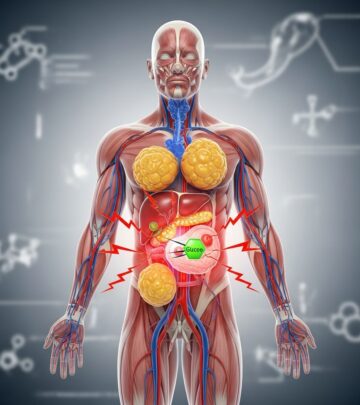
Insulin and Diabetes: Managing Blood Sugar Levels
Comprehensive guide to insulin therapy: Types, delivery methods, and managing blood sugar effectively.
What is Insulin?
Insulin is one of the main treatments prescribed to help people with diabetes manage their blood sugar levels and reduce their risk of complications. This vital hormone plays a crucial role in maintaining optimal glucose control, which is essential for preventing both short-term and long-term health problems associated with diabetes.
Insulin works by regulating the amount of glucose in your bloodstream, allowing your cells to absorb sugar for energy. Without adequate insulin, blood glucose levels rise to dangerous levels, potentially causing serious health complications. For people with type 1 diabetes, the pancreas fails to produce insulin naturally, making insulin therapy an absolute necessity for survival and health.
Taking insulin on its own, however, is not sufficient to manage blood sugar levels effectively. You also need to maintain physical activity according to your general health capabilities and follow a healthy diet. This comprehensive approach helps keep your blood sugar levels within the target range and significantly reduces the risk of developing long-term complications.
Insulin for Type 1 Diabetes
Insulin is the main treatment for type 1 diabetes. When you have type 1 diabetes, your body doesn’t produce any insulin like it normally would. Since you cannot live without insulin, it becomes essential to receive daily insulin injections or use an insulin pump—a small device that you attach to your body which automatically releases insulin.
People with type 1 diabetes require insulin replacement because their immune system has attacked and destroyed the insulin-producing cells in the pancreas. This means the body cannot naturally regulate blood sugar levels, making external insulin administration vital for maintaining health and preventing potentially life-threatening complications.
Insulin for Type 2 Diabetes
While insulin is the primary treatment for type 1 diabetes, the treatment approach for type 2 diabetes differs significantly. You might not need medication at all and could manage your blood sugar levels through exercise and diet alone. Alternatively, you may need to take tablets, insulin, or other types of medication.
Around one in four people with type 2 diabetes take insulin. If you have type 2 diabetes and are prescribed insulin, it doesn’t mean you have type 1 diabetes—you still have type 2 diabetes but have changed treatment. Insulin is used as a treatment for type 2 diabetes because the insulin your body makes either is not working properly, a condition called insulin resistance, or the pancreas initially produces more and more insulin to help but over time becomes worn out and starts producing less insulin.
When you’re first diagnosed with type 2 diabetes, you may not need to use insulin straight away unless your blood sugar levels are very high. Insulin can be used as a short-term treatment to help quickly bring down your blood sugar levels. However, you may need to start insulin as a treatment if other medications haven’t helped manage your blood sugar levels or are not appropriate for you.
It’s important to understand that if you need insulin as a medication, it isn’t your fault and doesn’t mean you haven’t managed your diabetes well. It’s simply another medication that can help keep you as healthy as possible, and insulin may be the most appropriate treatment choice for you.
Types of Insulin
Most people with type 1 diabetes and some people with type 2 diabetes are prescribed two kinds of insulin:
- Fast-acting insulin (bolus insulin): You take this with meals and sometimes snacks
- Slower-acting insulin (basal or background insulin): You take this once or twice a day and it works throughout the day
Rapid-Acting or Fast-Acting Insulin
Bolus insulin gives you a quick burst of insulin to deal with carbohydrates from food and drink. Your dose depends on how many carbohydrates you’re eating. You take rapid-acting or fast-acting insulin shortly before or after meals. You may be prescribed brands such as Novorapid, Apidra, or Fiasp, which works even quicker. Rapid-acting insulin starts to work within a few minutes and lasts between three to five hours depending on the brand.
Long-Acting Insulin
Long-acting insulin is slower than intermediate insulin but very similar in how your body uses it. You usually take it once a day, at the same time each day. Brands you may be prescribed include Tresiba and Lantus. It’s been shown to reduce the risk of hypos (low blood sugar episodes) compared to intermediate-acting insulin.
For type 1 diabetes specifically, most people take both a long-acting insulin (also called background or basal insulin) once or twice a day and a rapid-acting insulin (also called mealtime or bolus insulin) before meals. This combination is sometimes known as a basal bolus regimen. You’ll need to calculate your rapid-acting insulin dose for each meal, depending on the amount of carbohydrates you’ll be eating through carb counting.
Common long-acting insulin options recommended by diabetes care teams include:
- Insulin detemir (Levemir): Usually recommended to take twice a day
- Insulin glargine (Lantus, Toujeo, Semglee, or Abasaglar): Usually taken once a day, especially if you cannot take insulin detemir or prefer fewer injections
- Insulin degludec (Tresiba): Taken once a day, recommended if you experience nighttime low blood glucose or need help from a carer
Mixed Insulin
Some people are prescribed just one kind of insulin—a combination of a fast-acting one and a slower-acting one. This is known as mixed insulin. Some people with type 2 or gestational diabetes may only be prescribed slow-acting (background or basal) insulin, as this may be enough to help manage blood sugars in combination with other treatments.
Insulin Delivery Methods
Insulin Injections
You can inject insulin using an insulin pen and needle. This remains the most common method of insulin delivery for most people with diabetes. Insulin pens make it easy to carry insulin with you and administer doses discreetly throughout the day.
Insulin Pumps
Insulin can also be released using a small insulin pump, which you attach to your body. If you use an insulin pump rather than injecting insulin, you’ll only need to use fast-acting insulin. Your pump will be set up to release small amounts of this insulin all the time, and you tell the pump to give extra boluses (doses) when you need it.
Insulin pumps offer several advantages, including more precise insulin delivery and the ability to adjust doses based on activity levels and meal consumption. They provide greater flexibility for people managing their diabetes.
Managing Insulin Resistance
Insulin resistance occurs when your body doesn’t respond effectively to insulin. If you inject insulin as a treatment for your diabetes and have insulin resistance, it does not mean you are resistant to that specific brand or type of insulin. However, you may need to increase the doses or use higher doses to cover the same amount of carbohydrate.
To help make insulin more effective again, your healthcare team might suggest starting other medications such as metformin alongside your insulin. Metformin can be prescribed to help reduce insulin resistance whether you have type 1 or type 2 diabetes.
Weight loss, healthy eating, and exercise can all improve insulin resistance and severe insulin resistance. Some people with severe insulin resistance need specialized therapies including metreleptin therapy, immunosuppression, highly concentrated insulin therapy, or a combination of the three.
Additional Diabetes Treatments
While insulin is the primary treatment for type 1 diabetes, type 2 diabetes management often involves additional medications. Metformin is the most common treatment for type 2 diabetes, and you might also take it if you have gestational diabetes. Metformin is part of a drug class called biguanides and works by reducing the amount of glucose that the liver releases into your body, helping the insulin your body makes work better.
New immunotherapies are also being developed and tested in clinical trials. These treatments reprogramme the immune system so that it no longer attacks and destroys insulin-producing cells in the pancreas. They could potentially give us a way to stop type 1 diabetes in its tracks or prevent the condition entirely.
Comprehensive Diabetes Management
Managing diabetes effectively requires more than just insulin therapy. A comprehensive approach includes:
- Regular physical activity according to your capabilities
- Healthy eating and balanced nutrition
- Blood sugar monitoring
- Medication management
- Regular healthcare appointments
- Emotional support and mental health care
Your diabetes treatment may be different depending on what type of diabetes you have. Your diabetes care team will discuss your insulin treatment with you and recommend the treatment they think is best for you. The type of insulin you take and your dose may change over time as your needs evolve.
Frequently Asked Questions
Q: Do all people with type 1 diabetes need insulin?
A: Yes, everyone with type 1 diabetes needs to take insulin as a medication because their body cannot produce it naturally.
Q: Can type 2 diabetes be managed without insulin?
A: Many people with type 2 diabetes can manage their condition through exercise and diet alone, or with tablet medications. However, some people with type 2 diabetes may need insulin as their treatment progresses.
Q: What is the difference between basal and bolus insulin?
A: Basal (background) insulin is a long-acting insulin taken once or twice daily to provide steady blood sugar control throughout the day. Bolus (mealtime) insulin is fast-acting and taken before meals to cover carbohydrate consumption.
Q: What is an insulin pump and who uses it?
A: An insulin pump is a small device attached to your body that automatically delivers insulin. It’s primarily used by people with type 1 diabetes and uses only rapid-acting insulin, eliminating the need for long-acting insulin injections.
Q: Does needing insulin mean I haven’t managed my diabetes well?
A: No. If you need insulin as a medication, it isn’t your fault and doesn’t indicate poor diabetes management. It’s simply another medication that helps keep you as healthy as possible.
Q: Can insulin resistance be treated?
A: Yes, insulin resistance can be improved through weight loss, healthy eating, exercise, and medications like metformin. Severe cases may require specialized therapies under medical supervision.
Q: How do I calculate my rapid-acting insulin dose?
A: You calculate your rapid-acting insulin dose based on the carbohydrates you’ll be eating, a process called carb counting. Your diabetes care team will teach you how to do this accurately.
Q: Are there new insulin treatments being developed?
A: Yes, immunotherapies are being tested in clinical trials. These new treatments aim to stop the immune system from attacking insulin-producing cells, potentially preventing or halting type 1 diabetes development.
References
- Type 1 Diabetes Treatments — Diabetes UK. Accessed January 2026. https://www.diabetes.org.uk/about-diabetes/type-1-diabetes/treatments
- Insulin Resistance: Meaning, Causes & Treatment — Diabetes UK. Accessed January 2026. https://www.diabetes.org.uk/about-diabetes/looking-after-diabetes/treatments/insulin/resistance
- Diabetes Treatments — Diabetes UK. Accessed January 2026. https://www.diabetes.org.uk/about-diabetes/looking-after-diabetes/treatments
- Insulin and Type 2 Diabetes — Diabetes UK. Accessed January 2026. https://www.diabetes.org.uk/about-diabetes/looking-after-diabetes/treatments/insulin/type-2-diabetes
- Insulin for Type 1 Diabetes — NHS Medicines Information. Accessed January 2026. https://www.nhs.uk/medicines/insulin/insulin-for-type-1-diabetes/
- What is Insulin? — Diabetes UK. Accessed January 2026. https://www.diabetes.org.uk/about-diabetes/looking-after-diabetes/treatments/insulin/what-is-insulin
- Types of Insulin — Diabetes UK. Accessed January 2026. https://www.diabetes.org.uk/about-diabetes/looking-after-diabetes/treatments/insulin/types
- Injecting Insulin — Diabetes UK. Accessed January 2026. https://www.diabetes.org.uk/about-diabetes/looking-after-diabetes/treatments/insulin/injecting
Similar Articles








Read full bio of Sneha Tete