Insulin: Hormone Function, Types & Role in Blood Sugar
Understanding insulin's critical role in regulating blood sugar and energy metabolism.
What Is Insulin?
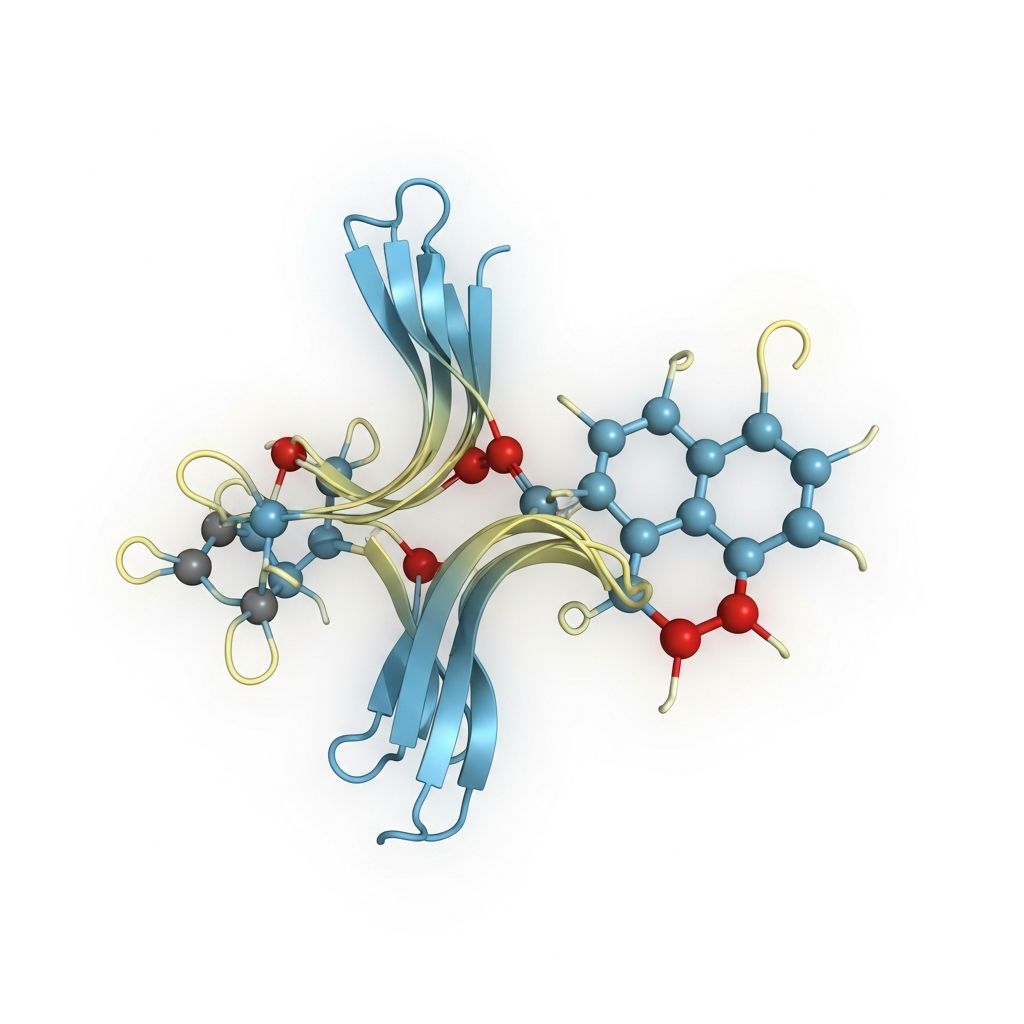
Insulin is a hormone produced by your pancreas that plays a fundamental role in regulating blood glucose levels and energy metabolism. Acting like a biological key, insulin unlocks cellular doors to allow glucose to enter your muscle, fat, and liver cells, where it can be used for energy or stored for later use. Understanding insulin’s function is crucial for managing diabetes and maintaining overall metabolic health.
Your pancreas contains specialized cells called beta cells that continuously monitor blood glucose levels. When you consume food, particularly carbohydrates, your blood sugar rises. In response, your pancreas releases insulin into the bloodstream to transport glucose from your blood into your cells. Without adequate insulin or when cells don’t respond properly to it, glucose accumulates in your bloodstream, leading to hyperglycemia and potential complications.
How Insulin Works
Insulin functions through a precisely orchestrated biological mechanism. After you eat, your digestive system breaks down food into glucose, which enters your bloodstream. Your pancreas detects this rise in blood glucose and releases insulin accordingly. This hormone circulates through your blood and binds to insulin receptors on cell surfaces, signaling cells to absorb glucose.
Once insulin opens cellular pathways, glucose enters cells where it undergoes metabolism to produce energy in the form of adenosine triphosphate (ATP). Excess glucose that isn’t immediately needed is converted to glycogen for storage in the liver and muscles, or transformed into fat for long-term energy storage. This process maintains blood glucose levels within a healthy range, typically between 70 and 100 mg/dL during fasting and up to 140 mg/dL after meals.
Insulin sensitivity refers to how effectively your cells respond to insulin. When insulin sensitivity is high, cells efficiently absorb glucose with relatively small amounts of insulin. Conversely, when insulin sensitivity is low, your cells don’t respond optimally to insulin signals, requiring your pancreas to produce increasingly larger amounts to achieve the same glucose-lowering effect. This condition, called insulin resistance, can eventually lead to type 2 diabetes if left unmanaged.
Types of Insulin
Different insulin formulations have been developed to meet various treatment needs, each with distinct onset times, peak effects, and duration of action. Healthcare providers prescribe specific insulin types based on individual patient requirements and diabetes management goals.
Rapid-Acting Insulin
Rapid-acting insulins begin working within 15 minutes of injection and peak within 30 to 90 minutes. These formulations are designed to mimic your body’s natural insulin response to meals and are typically administered at mealtimes. Common rapid-acting insulins include insulin lispro, insulin aspart, and insulin glulisine. They remain effective for approximately 4 to 6 hours.
Short-Acting Insulin (Regular Insulin)
Regular insulin is a human-made short-acting insulin that begins working within 30 minutes of injection. It reaches peak effectiveness between two and three hours after administration and continues reducing blood sugar for three to six hours total. Regular insulin provides a balance between rapid-acting and intermediate-acting insulins, making it suitable for both meal-time coverage and basal insulin needs in certain treatment regimens.
Related Stories



Intermediate-Acting Insulin
Intermediate-acting insulins, such as NPH (neutral protamine Hagedorn) insulin, begin working within 1 to 3 hours and peak between 4 and 12 hours after injection. These insulins provide moderate-duration coverage and are often combined with rapid-acting insulins in treatment protocols. The prolonged peak action makes them less predictable than other formulations.
Long-Acting Insulin
Long-acting insulins provide basal (background) glucose coverage throughout the day and night. Insulin glargine, one of the most commonly prescribed long-acting insulins, demonstrates a relatively flat profile over approximately 24 hours with minimal peak activity. This characteristic makes it ideal for maintaining steady glucose control between meals. The acidic formulation of insulin glargine is neutralized upon subcutaneous injection, promoting microprecipitate formation that slowly releases insulin into circulation, maintaining constant insulin concentration over 24 hours. Other long-acting options include insulin detemir and insulin degludec, which offers an even longer duration of action exceeding 42 hours.
Ultra-Long-Acting Insulin
Insulin degludec represents the newest class of ultra-long-acting insulins, with a duration exceeding 42 hours. This extended action allows for flexible dosing times and provides consistent glucose control. Studies demonstrate that insulin degludec reduces the risk of nonsevere hypoglycemia compared to other long-acting preparations at equivalent glycemic control levels.
Insulin Combinations
Premixed insulin formulations combine rapid or short-acting insulin with intermediate-acting insulin in fixed ratios. These combinations simplify treatment regimens for patients who require multiple insulin types but prefer fewer injections daily.
Insulin Delivery Methods
Insulin can be administered through several delivery mechanisms, each offering distinct advantages:
Subcutaneous Injections
Traditional insulin injections deliver insulin through the subcutaneous tissue beneath the skin. Patients typically inject insulin in the abdomen, arms, thighs, or buttocks. Injection sites should be rotated to prevent lipohypertrophy (thickened tissue) that can affect insulin absorption rates and efficacy.
Insulin Pens
Insulin pens offer a more convenient and discreet method of insulin delivery compared to traditional syringes. These devices contain a cartridge of insulin with an attached needle and allow patients to dial their required dose precisely. Pens are portable, easier to use in public settings, and often improve patient adherence.
Insulin Pumps
Insulin pumps are small, wearable electronic devices that deliver insulin continuously throughout the day and night via a small catheter placed beneath the skin. These devices provide basal insulin infusion continuously and allow patients to administer bolus doses at mealtimes. Insulin pumps offer greater flexibility in insulin dosing and can improve glucose control by mimicking the body’s natural insulin secretion more closely.
Intravenous Insulin Infusion
In acute care settings such as hospitals and intensive care units, insulin may be administered through intravenous infusion. This method provides immediate insulin delivery and allows for precise glucose control in critically ill patients. IV insulin infusion is particularly useful in managing diabetic ketoacidosis (DKA) and hyperglycemic hyperosmolar state (HHS). Current guidelines recommend maintaining blood glucose between 140 and 180 mg/dL for most critically ill patients, with intensive glucose control (80 to 110 mg/dL) reserved for specific patient populations after careful risk assessment.
Blood Glucose Targets and Clinical Management
Optimal blood glucose ranges vary depending on clinical context and patient characteristics. For non-critically ill hospitalized patients with type 2 diabetes, insulin remains the preferred medication for glycemic control according to the American Diabetes Association (ADA). The ADA has established 140 to 180 mg/dL as the target glucose range for most critically ill patients, reflecting the principle of moderation between intensive and conventional glucose control.
In diabetic ketoacidosis (DKA), the mainstay of treatment is insulin, ideally administered as an IV infusion of regular insulin. When serum glucose reaches 200 mg/dL, the insulin infusion rate should be reduced, but glucose should be maintained between 150 and 200 mg/dL until DKA resolution is achieved.
For hyperglycemic hyperosmolar state (HHS), which requires plasma glucose exceeding 600 mg/dL and serum osmolality greater than 320 mOsm/kg, insulin infusion should reduce glucose levels while maintaining serum glucose between 200 and 300 mg/dL until the patient regains mental alertness.
Postoperative Glucose Management
Postoperative hyperglycemia is common following surgical procedures, particularly cardiothoracic surgery, and is characterized by increased glucose production and suppressed insulin secretion. This response results from excessive release of counter-regulatory hormones including glucagon, epinephrine, norepinephrine, and glucocorticoids, along with overproduction of inflammatory mediators such as TNF-α, IL-1, and IL-6.
Modern insulin protocols in surgical intensive care units emphasize transition from IV insulin to subcutaneous basal insulin therapy as patients stabilize. Insulin glargine has demonstrated effectiveness in this transition, providing consistent glucose control while minimizing hypoglycemia risk. Studies show that despite moderate doses of subcutaneous insulin at transition, hypoglycemia remains rare, occurring in fewer than 2% of patients, with efficacy for achieving euglycemia (normal blood glucose) reaching approximately 70%.
Insulin Sensitivity and Resistance
Insulin sensitivity describes how effectively your cells respond to insulin signals. When insulin sensitivity is high, cells efficiently utilize glucose, and your body requires less insulin to maintain normal blood glucose levels. Multiple factors influence insulin sensitivity, including physical activity, diet quality, body weight, and genetic predisposition.
Insulin resistance develops when muscle, fat, and liver cells don’t respond appropriately to insulin. This condition prevents cells from efficiently using glucose for energy or storage, causing glucose to accumulate in your bloodstream. In response, your pancreas produces increasing amounts of insulin (hyperinsulinemia) to try to overcome cellular resistance and maintain blood glucose levels within normal range.
As long as your pancreas can produce sufficient insulin to compensate for cellular resistance, blood glucose levels typically remain normal. However, if cells become too resistant to insulin, blood glucose levels rise, leading to hyperglycemia. Prolonged hyperglycemia can progress to prediabetes and ultimately type 2 diabetes if left unmanaged.
Improving Insulin Sensitivity
Several lifestyle modifications can significantly enhance insulin sensitivity. Regular physical exercise improves glucose uptake by muscles even without insulin action, making it one of the most effective interventions. Dietary changes emphasizing whole grains, lean proteins, fruits, and vegetables while reducing processed foods and saturated fats support better glucose control. Weight management, particularly reducing abdominal obesity, substantially improves insulin sensitivity. Adequate sleep, stress management, and reducing inflammatory markers through dietary antioxidants also contribute to enhanced insulin responsiveness.
Insulin in Diabetes Management
Insulin therapy is essential for patients with type 1 diabetes, whose pancreases produce little or no insulin. It is also a crucial option for type 2 diabetes management, particularly as the disease progresses and oral medications become insufficient. Physiologic insulin replacement, guided by hemoglobin A1c (HbA1c) monitoring and glycemic variability assessment, represents the therapeutic standard for patients with advanced insulin deficiency.
Newer insulin preparations offer improved safety profiles and convenience. Longer-acting insulins facilitate achievement of near-normal glycemia with reduced hypoglycemia risk. Continuous subcutaneous insulin infusion using insulin pumps further enhances the ability to achieve tight glucose control while minimizing hypoglycemic episodes.
Frequently Asked Questions
Q: What is the normal fasting blood glucose range?
A: Normal fasting blood glucose typically ranges from 70 to 100 mg/dL. Blood glucose between 100 and 125 mg/dL in the fasting state indicates prediabetes, while levels of 126 mg/dL or higher suggest diabetes.
Q: How quickly does insulin start working?
A: Onset time depends on insulin type. Rapid-acting insulins begin working within 15 minutes, short-acting (regular) insulins within 30 minutes, intermediate-acting insulins within 1 to 3 hours, and long-acting insulins within several hours with relatively flat activity over 24 hours.
Q: Can insulin cause weight gain?
A: Yes, insulin can contribute to weight gain because it promotes glucose uptake and storage as fat. However, improved glucose control often outweighs this risk, particularly in type 1 diabetes where insulin is essential for survival.
Q: What causes hypoglycemia during insulin therapy?
A: Hypoglycemia occurs when insulin doses are excessive relative to carbohydrate intake and physical activity. This is why careful dose adjustment, regular glucose monitoring, and patient education about recognizing hypoglycemic symptoms are essential components of safe insulin therapy.
Q: Is insulin glargine better than other long-acting insulins?
A: Insulin glargine is highly effective with a relatively flat 24-hour profile. However, newer ultra-long-acting insulins like insulin degludec may offer advantages including more flexible dosing schedules and potentially lower hypoglycemia risk at equivalent glucose control levels.
Q: How often should insulin injection sites be rotated?
A: Injection sites should be rotated with each injection to prevent lipohypertrophy and lipodystrophy, which can affect insulin absorption rates and glucose control consistency.
References
- Cleveland Clinic Cardiovascular Intensive Care Unit Insulin Conversion Protocol — National Center for Biotechnology Information (NCBI). 2010. https://pmc.ncbi.nlm.nih.gov/articles/PMC2769886/
- Proper Administration of Insulin Can Reduce Complexity of Patient’s Hospital Course — Cleveland Clinic Journal of Medicine. 2021. https://www.ccjm.org/page/acp-2021/insulin-hospital-course
- New Insulin Preparations: A Primer for the Clinician — Cleveland Clinic Journal of Medicine. 2016. https://www.ccjm.org/content/83/5_suppl_1/s27
- Insulin Resistance: What It Is, Causes, Symptoms & Treatment — Cleveland Clinic. 2024. https://my.clevelandclinic.org/health/diseases/22206-insulin-resistance
- Regular Insulin Injection (Short-Acting Insulin) — Cleveland Clinic. 2024. https://my.clevelandclinic.org/health/drugs/23492-regular-insulin-injection-short-acting-insulin
- Type 2 Diabetes: What It Is, Causes, Symptoms & Treatment — Cleveland Clinic. 2024. https://my.clevelandclinic.org/health/diseases/21501-type-2-diabetes
Similar Articles








Read full bio of Sneha Tete