Insulin Injection Sites: Essential Guide For Stable Absorption
Master safe and effective insulin injection sites to optimize absorption, prevent complications, and maintain stable blood glucose levels.
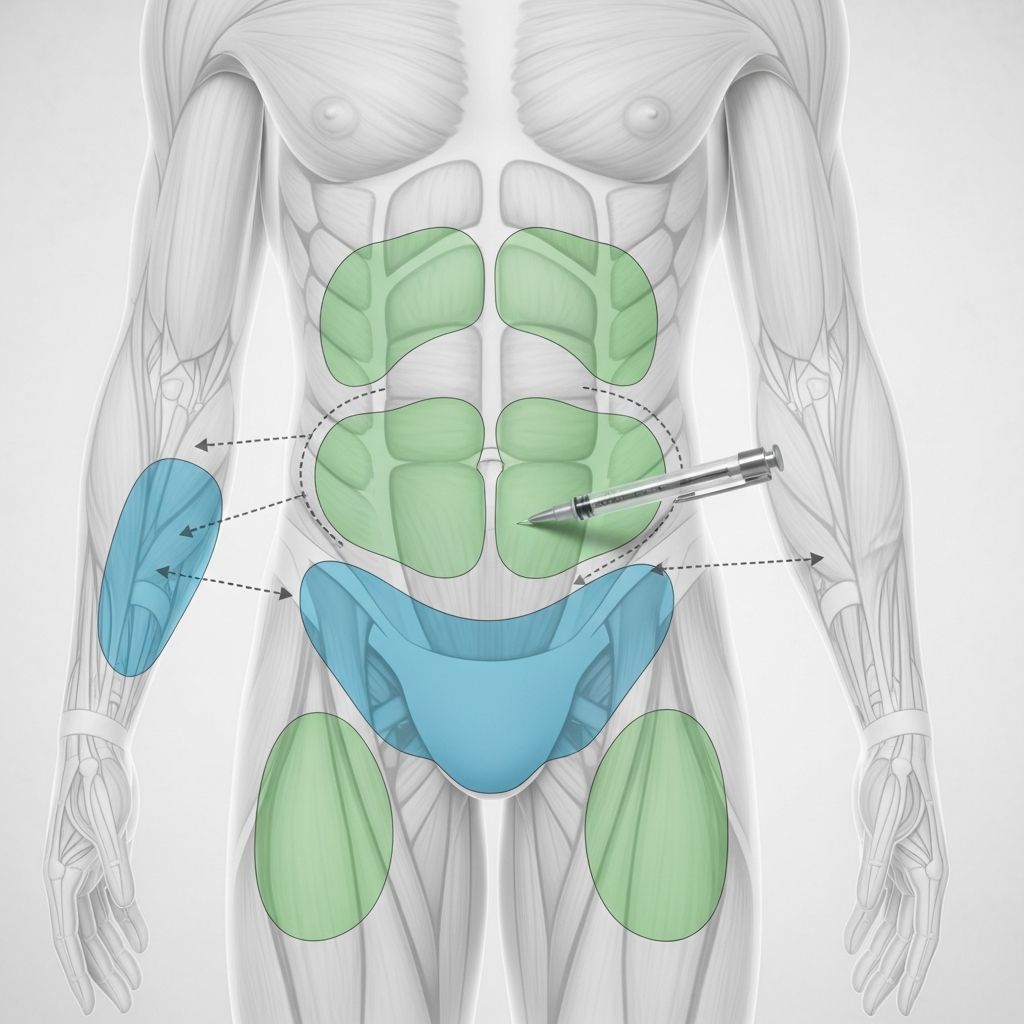
Administering insulin correctly is crucial for people managing diabetes, as the choice of injection site directly influences absorption rates and blood glucose control. This guide explores the most effective areas for subcutaneous insulin delivery, emphasizing the importance of site selection, proper technique, and consistent rotation to avoid complications like lipohypertrophy.
Why Injection Site Matters in Insulin Therapy
The subcutaneous layer, the fat tissue beneath the skin, is the target for insulin injections because it allows for steady, predictable absorption into the bloodstream. Injecting into muscle causes rapid uptake, potentially leading to hypoglycemia, while poor site choices can result in uneven absorption or tissue damage. Rotating sites prevents fat buildup or breakdown under the skin, known as lipohypertrophy or lipoatrophy, which disrupts insulin efficacy. Studies show that consistent rotation maintains stable glycemic control and reduces injection pain over time.
Key factors influencing site suitability include fat thickness, blood flow, and ease of access. The abdomen typically offers the fastest and most reliable absorption due to its vascularity, making it ideal for rapid-acting insulins. Thighs and buttocks provide slower absorption, suitable for basal insulins. Always select sites with ample subcutaneous fat, avoiding lean or muscular areas.
Primary Recommended Areas for Insulin Injections
Safe injection zones are limited to areas with sufficient fatty tissue. Here’s a breakdown of the main options:
- Abdomen: The top choice for most users, spanning from below the ribs to above the pubic bone, excluding a 2-inch radius around the navel. This site’s consistent absorption profile suits both mealtime and long-acting insulins.
- Thighs: Focus on the outer upper portion, 4 inches below the hip and 4 inches above the knee, avoiding inner thighs or near joints.
- Upper Arms: Target the back and outer fleshy area between shoulder and elbow; self-injection here may require practice or assistance.
- Buttocks: Use the upper outer quadrant, above the hip line but below the waist, often needing help for access.
Avoid scars, bruises, moles, varicose veins, or inflamed skin in any area, as these impair absorption. For children or those with low body fat, confirm adequate subcutaneous depth to prevent intramuscular injection.
Mastering the Technique for Each Site
Proper insertion ensures insulin reaches the fat layer without hitting muscle. Use a 4-8 mm needle for most adults, inserting at 90 degrees without pinching if subcutaneous fat exceeds 12.7 mm. For longer needles or slimmer individuals, pinch the skin and use a 45-degree angle.
| Site | Insertion Angle | Pinch Needed? | Absorption Speed |
|---|---|---|---|
| Abdomen | 90° | Rarely | Fastest |
| Thigh | 90° or 45° | Often | Slower |
| Arm | 90° | Usually | Moderate |
| Buttocks | 90° | Yes | Slowest |
Steps for all sites: Clean with alcohol, allow to dry, insert needle swiftly, inject steadily, hold for 5-10 seconds, then withdraw without rubbing. For pens or syringes, prime the device first to remove air bubbles.
Related Stories



Essential Strategies for Site Rotation
Never reuse the exact spot consecutively; instead, map out a rotation plan across body areas. Divide the abdomen into quadrants or a grid, spacing injections 1 inch apart. Alternate daily between abdomen, thigh, arm, and buttocks to balance absorption rates, especially with mixed insulin types.
Visualize rotation like a clock face on each site: inject at different ‘hours’ each time. Track via a journal or app to ensure even use. Poor rotation leads to lipohypertrophy in up to 50% of long-term users, causing unpredictable glucose levels. If lumps form, allow 2-3 months healing before reuse, consulting a healthcare provider.
Common Pitfalls and How to Avoid Them
- Lipohypertrophy: Caused by repetitive use; rotate rigorously and inspect skin monthly.
- Inconsistent Absorption: Exercise near sites speeds uptake—avoid injecting legs before activity.
- Pain or Bleeding: Use fresh needles, insert perpendicularly, and don’t aspirate (pull back plunger).
- Intramuscular Injection: Common in lean people; measure skin-fold thickness and adjust technique.
Women should note hormonal changes may alter fat distribution, requiring site reassessment. Children need age-appropriate needles and parental supervision.
Special Considerations for Different Populations
For obese individuals, the abdomen remains optimal despite thicker fat layers. Underweight or athletic people may have thinner subcutaneous tissue (mean 2-2.5 mm skin depth), necessitating shorter needles. Pregnant individuals should prioritize thighs or buttocks to accommodate abdominal changes.
Insulin pumps use continuous infusion sets rotated every 2-3 days, following similar sites. Hybrid users (pens/syringes/pumps) maintain unified rotation logs.
Tools and Aids for Better Injection Management
Injection aids like skin grippers or angle guides assist those with dexterity issues. Apps such as Glucose Buddy track sites digitally. Visual diagrams or body maps help beginners plan rotations effectively.
Frequently Asked Questions (FAQs)
Can I inject insulin before exercise?
Avoid sites over active muscles, as absorption accelerates. Opt for abdomen instead.
How often should I change needles?
Every injection to minimize trauma and ensure sharpness.
What if I hit a blood vessel?
Rare; apply pressure, monitor glucose, and note for future avoidance.
Is the belly button area safe?
No—stay 2 inches away to prevent erratic absorption.
Does site affect insulin type?
Analogs are site-agnostic; human insulins vary (fastest abdomen).
Monitoring and Long-Term Maintenance
Regular self-inspection for lumps, combined with A1C checks, ensures technique efficacy. Annual consultations with diabetes educators refine practices. Emerging research explores ultrasound-guided sites for precision, though not standard.
Adopting these principles empowers consistent diabetes management, reducing complications and enhancing quality of life.
References
- Insulin Injection Sites: Where and How to Inject — Healthline. 2023. https://www.healthline.com/health/diabetes/insulin-injection
- Where to Inject Insulin & How to Keep Insulin Injection Sites Healthy — USMED. 2023. https://www.usmed.com/insulin-injection-sites/
- Insulin injections: Selecting the injection site — AboutKidsHealth. 2023. https://www.aboutkidshealth.ca/insulin-injections-selecting-the-injection-site
- The Injection Technique Factor: What You Don’t Know or Teach Can… — PMC (NCBI). 2019-07-01. https://pmc.ncbi.nlm.nih.gov/articles/PMC6640874/
- Insulin injection sites — Healthify NZ. 2023. https://healthify.nz/medicines-a-z/i/insulin-injection-sites
Similar Articles








Read full bio of Sneha Tete