Insulin Pens Guide: 5-Step Use And Safety Tips
Discover how insulin pens simplify diabetes care with precision dosing, portability, and smart technology for better control.
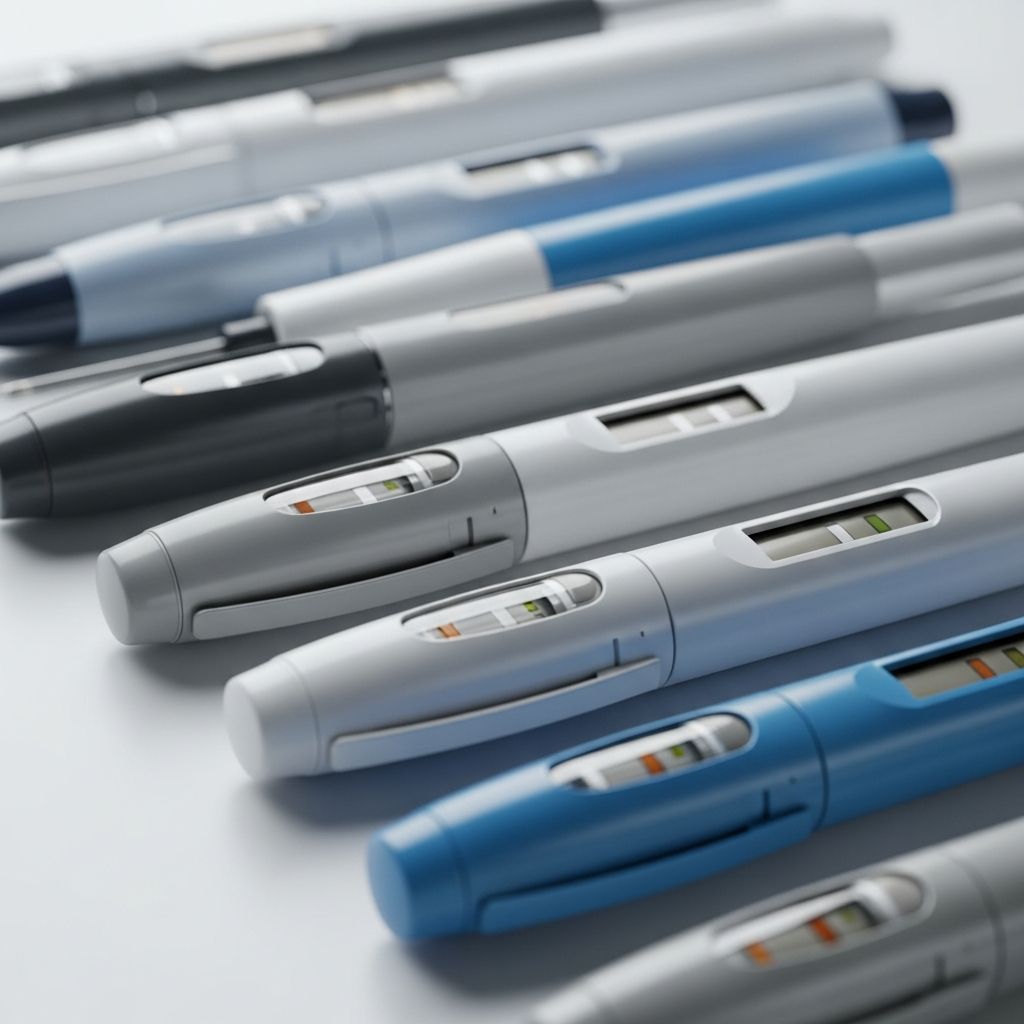
Insulin pens represent a major advancement in diabetes management, offering a user-friendly alternative to traditional vials and syringes. These devices combine insulin storage, dosage selection, and injection into one compact tool, making daily therapy more manageable for millions worldwide.
Why Choose Insulin Pens for Diabetes Care?
People living with diabetes often require insulin to regulate blood glucose levels effectively. While not everyone needs insulin, those who do benefit from methods that enhance adherence and precision. Insulin pens streamline this process by allowing quick, accurate dosing without the mess or complexity of drawing from a vial.
Key advantages include portability for on-the-go use, discreet administration in public settings, and features that minimize pain through fine-gauge needles. Studies show users report higher satisfaction, with reduced treatment burden and improved quality of life.
Types of Insulin Pens Available
Insulin pens come in two primary categories: disposable and reusable, each suited to different needs.
- Disposable Pens: These are pre-filled with insulin and discarded after use. Ideal for simplicity, they eliminate the need for cartridge replacement and are perfect for beginners or those preferring minimal maintenance.
- Reusable Pens: Equipped with replaceable cartridges, these allow refilling with new insulin supplies. Cost-effective over time, they support customizable insulin types and larger volumes.
Additionally, color-coding on many pens helps distinguish insulin types—such as rapid-acting or long-acting—at a glance, reducing mix-up risks.
Connected Insulin Pens: The Future of Smart Dosing
Modern innovations include connected insulin pens, which integrate Bluetooth technology for real-time data tracking. These smart devices sync with mobile apps to log doses, remind users of injections, and calculate boluses based on glucose readings.
Features like insulin-on-board tracking prevent over-dosing (stacking), while alerts for missed doses or temperature exposure enhance safety. Clinical evidence links them to fewer hypoglycemic events and better glycemic control.
| Feature | Benefit | Example Devices |
|---|---|---|
| Bolus Calculator | Recommends precise doses using glucose data | InPen |
| Missed Dose Alerts | Reduces forgotten injections | NovoPen |
| Insulin-on-Board | Avoids stacking risks | ESYSTA |
| Data Sharing | Allows HCP review without logbooks | Bigfoot Unity |
The American Diabetes Association (ADA) endorses these for multiple daily injection (MDI) therapy, noting potential A1C improvements from consistent dosing.
Step-by-Step Guide to Using an Insulin Pen
Mastering insulin pen use ensures safe, effective delivery. Follow these steps each time:
- Prepare the Pen: Check insulin expiration and clarity. For reusable pens, insert a new cartridge if needed.
- Attach Needle: Twist on a new, sterile needle. Prime the pen by dialing 2 units and injecting air to clear bubbles.
- Dial Dose: Select the prescribed amount using the dial. Double-check for accuracy.
- Select Site: Clean skin at abdomen, thigh, or arm with alcohol. Pinch skin if advised.
- Inject: Insert needle at 90 degrees, count to 10, then withdraw. Dispose of needle safely.
Rotate sites to prevent lipohypertrophy (fatty lumps from repeated injections).
Related Stories



Storage and Handling Best Practices
Proper storage maintains insulin potency. Unopened pens go in the refrigerator (2-8°C/36-46°F). In-use pens store at room temperature (up to 30°C/86°F) for 28 days max, away from heat or direct light.
- Avoid freezing or exposing to extremes, as this degrades insulin.
- Keep pen caps on to protect from light.
- Do not shake vigorously; gently roll if cloudy insulin is used.
For travel, use insulated bags. Connected pens may alert for temperature issues.
Safety Precautions and Common Mistakes to Avoid
While convenient, pens require vigilance. Never share pens due to infection risks—use single-patient only. Dial-back is impossible on most models, so measure carefully.
Common pitfalls include forgetting to prime (causing under-dosing) or reusing needles (dulling and increasing pain). For visual impairments, pens with audible clicks or magnifiers aid accuracy.
Comparing Insulin Pens to Vials and Syringes
| Aspect | Insulin Pens | Vials & Syringes |
|---|---|---|
| Ease of Use | High; fewer steps, portable | Moderate; requires drawing skills |
| Accuracy | Superior; dial prevents air bubbles | Variable; measurement errors common |
| Cost | Higher upfront, economical long-term | Lower initial, flexible dosing |
| Discretion | Excellent; slim design | Poor; bulkier setup |
| Suitability | Children, elderly, low dexterity | High-volume needs |
ADA prefers pens for most, citing better adherence and outcomes.
Disposal Guidelines for Safety
Safe disposal protects others. Used needles and pens go into sharps containers—not trash. Full containers can be mailed back or dropped at pharmacies/hospitals.
- Recap needles carefully or use auto-retracting types.
- Separate disposable pens post-expiration.
- Follow local regulations for biohazard waste.
Who Benefits Most from Insulin Pens?
Pens excel for pediatrics, seniors, and those with dexterity issues or busy lifestyles. Caregivers appreciate reduced preparation time. Evidence shows higher injection frequency and persistence with pens.
Frequently Asked Questions (FAQs)
Can insulin pens be used with any insulin type?
Most support rapid, basal, or premixed insulins; check compatibility with your prescription.
Do connected pens replace CGMs?
No, they complement by integrating glucose data for smarter dosing.
How often should needles be changed?
Every injection to ensure sharpness and hygiene.
Are pens covered by insurance?
Often yes; discuss with providers for connected models.
What if I drop my pen?
Inspect for damage; test dose before use.
Choosing the Right Insulin Pen for You
Consult healthcare providers to match pens to your regimen, considering factors like dose range, insulin type, and tech preferences. Trials or samples help test fit.
In summary, insulin pens empower better diabetes control through innovation and simplicity, evolving from basic tools to data-driven aids.
References
- Insulin pens: Types, benefits, and how to use them — Medical News Today. 2023-10-11. https://www.medicalnewstoday.com/articles/316607
- Advantages and disadvantages of connected insulin pens — PMC (NCBI). 2023-10-01. https://pmc.ncbi.nlm.nih.gov/articles/PMC10563601/
- Connected Insulin Pens: Benefits + How to Get Them — Beyond Type 1. 2023-01-15. https://beyondtype1.org/connected-insulin-pens-type2diabetes/
- Insulin Pens — American Diabetes Association. 2024-06-20. https://diabetes.org/about-diabetes/devices-technology/insulin-pens
- Insulin Pen vs Vial: Choosing the Right Option — PharmcareUSA. 2023-05-12. https://pharmcareusa.com/education/insulin-pen-vs-vial/
- Insulin Pen Overview & FAQs — Association of Diabetes Care & Education Specialists. 2024-02-10. https://www.adces.org/education/danatech/insulin-medicine-delivery/insulin-medicine-delivery-101/insulin-pen-overview-faqs
Similar Articles








Read full bio of Sneha Tete