Insulin Pumps: 5 Key Benefits, Features, And Getting Started
Discover how insulin pumps revolutionize diabetes care with continuous delivery, smart tech, and lifestyle flexibility for better control.
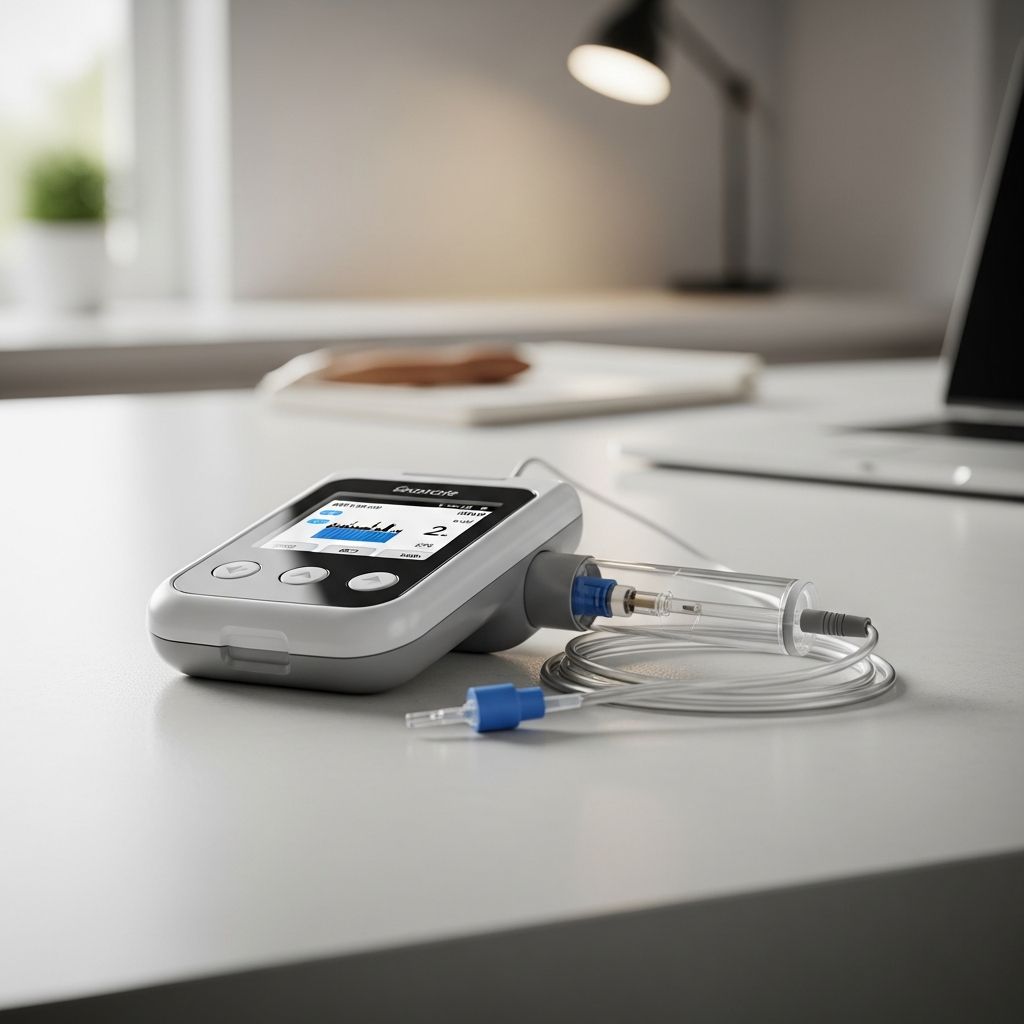
Insulin pumps represent a transformative approach to diabetes management, offering a continuous and customizable delivery of insulin to mimic the pancreas’s natural function. These devices provide steady background insulin throughout the day and on-demand doses for meals or corrections, helping users achieve tighter blood glucose control with greater convenience.
Understanding the Role of Insulin Pumps in Diabetes Care
For individuals with type 1 diabetes or insulin-dependent type 2 diabetes, maintaining stable blood sugar levels is crucial. Traditional multiple daily injections (MDI) can be cumbersome, leading to variability in dosing and lifestyle restrictions. Insulin pumps address these challenges by automating insulin delivery, reducing injection frequency, and integrating with modern monitoring tools.
These devices are particularly beneficial for those experiencing hypoglycemia unawareness, erratic schedules, or difficulty with precise dosing. Clinical evidence shows improved hemoglobin A1c levels and quality of life for many users.
Core Components of Modern Insulin Pumps
Insulin pumps consist of several key parts working in harmony to deliver therapy effectively. Understanding these elements is essential for users considering adoption.
- Pump Device: A compact, wearable computer that houses the insulin reservoir, programming interface, and delivery mechanisms. It calculates and dispenses insulin based on user inputs and sensor data.
- Infusion Set: A thin tube and cannula system that connects the pump to the body. The soft cannula inserts under the skin, typically changed every 2-3 days to prevent infections.
- Reservoir or Cartridge: Holds up to 300 units of rapid-acting insulin, refillable as needed.
- Continuous Glucose Monitor (CGM) Integration: Many pumps pair with CGM sensors for real-time glucose readings, enabling automated adjustments.
Types of Insulin Pumps Available Today
Insulin pumps vary in design to suit different preferences and needs. The two primary categories are tubed and tubeless models.
| Type | Description | Pros | Cons |
|---|---|---|---|
| Tubed (Tethered) Pumps | Feature a long, flexible tube linking the pump (worn on clothing or belt) to the infusion site on the abdomen, thigh, or arm. | Removable pump for activities; larger reservoir capacity; versatile site options. | Tubing can snag; requires management during sports. |
| Patch or Tubeless Pumps | Adhere directly to the skin with built-in reservoir and short cannula; no external tubing. | Discreet and lightweight; ideal for active lifestyles; waterproof options available. | Smaller reservoir; pump stays on body during wear (2-3 days). |
Advanced models like the MiniMed 780G or t:slim X2 incorporate interoperable technology, communicating with compatible CGMs and apps for seamless control.
How Insulin Delivery Works: Basal and Bolus Mechanisms
Insulin pumps emulate pancreatic function through two delivery modes.
- Basal Insulin: A continuous low-rate infusion (e.g., 0.01-50 units/hour) maintains baseline glucose stability overnight and between meals. Rates can be programmed hourly to match daily patterns.
- Bolus Insulin: User-initiated doses cover carbohydrate intake or correct highs. Bolus calculators factor in current glucose, insulin-on-board, and food estimates for precision.
Automated systems use algorithms to adjust basal rates every 5 minutes based on CGM data, suspending delivery if lows are predicted. Insertion sites rotate across the abdomen, buttocks, thighs, or arms for optimal absorption.
Related Stories



Key Benefits and Real-World Advantages
Adopting an insulin pump yields measurable improvements in diabetes control and daily life.
- Precision Dosing: Delivers micro-doses impossible with syringes, minimizing highs and lows.
- Fewer Injections: Cannula changes every 2-3 days replace 4-6 daily shots.
- Lifestyle Flexibility: Enables precise adjustments for exercise, travel, or irregular meals.
- Hypoglycemia Reduction: Alerts and auto-suspend features prevent severe lows.
- CGM Synergy: Hybrid closed-loop systems automate up to 80% of dosing.
Studies indicate users often see A1c drops of 0.5-1%, with enhanced time-in-range.
Getting Started: Initiation and Training Process
Transitioning to pump therapy requires preparation and professional guidance.
- Consultation: Endocrinologists assess candidacy based on lifestyle, motivation, and MDI history.
- Pump Selection: Factors include size, battery life, waterproofing, and CGM compatibility. Prescription required for ages 6+ in many models.
- Training: 1-2 day sessions cover programming, site insertion, troubleshooting, and backup plans.
- Site Preparation: Clean skin, rotate locations, avoid scars or irritation.
- Follow-Up: Regular check-ins optimize settings and address issues.
Daily Maintenance and Troubleshooting Tips
Proper care ensures reliability.
- Refill reservoir with U-100 rapid-acting insulin (e.g., NovoLog, Humalog).
- Change infusion sets every 48-72 hours; inspect for kinks or leaks.
- Monitor alerts for occlusions, low battery, or reservoir empty.
- Backup with pens/syringes for failures.
Common issues like site absorption problems resolve with rotation or priming checks.
Advanced Features in Next-Generation Pumps
Today’s pumps evolve with smart tech:
- Automated Insulin Delivery (AID): CGM-linked algorithms adjust basal in real-time.
- Smart Bolus Calculators: Account for active insulin and trends.
- Connectivity: App integration for remote monitoring by caregivers.
- Waterproofing: Suitable for swimming (up to 12 feet for 24 hours in some).
Potential Challenges and Risk Mitigation
While effective, pumps aren’t for everyone. Skin irritation (5-10% users), pump failures (rare, <1%), or ketoacidosis risk if occluded require vigilance. Ketoacidosis prevention involves daily basal checks and illness protocols. Costs vary; insurance often covers with prior authorization.
Who Benefits Most from Insulin Pump Therapy?
Ideal candidates include children over 6, athletes, pregnant individuals, or those with brittle diabetes. Not suitable for needle-phobes unable to manage cannulas or inconsistent users.
FAQs
Can insulin pumps cure diabetes?
No, they manage symptoms by replacing pancreatic insulin production.
How often do I change the cannula?
Every 2-3 days to avoid infections.
Are pumps safe for sports?
Yes, with secure sites and waterproof models.
What insulin types are compatible?
Rapid-acting U-100 like Humalog or NovoLog.
Do pumps work with all CGMs?
Many integrate with specific brands; check interoperability.
References
- What is an insulin pump? | Orlando – UCF Health — UCF Health. 2023. https://ucfhealth.com/our-services/endocrinology/insulin-pump/
- Diabetes Treatment – Insulin Pump Technology – Medtronic — Medtronic. 2024. https://www.medtronic.com/en-ca/diabetes/what-is-diabetes/insulin-therapy/insulin-pump.html
- Automated Insulin Delivery Systems and Insulin Pumps — Breakthrough T1D. 2024. https://www.breakthrought1d.org/daily-management/t1d-technology/aid-insulin-pumps/
- How Does an Insulin Pump Work? – Tandem Diabetes Care — Tandem Diabetes Care. 2024. https://www.tandemdiabetes.com/support/diabetes-education/managing-diabetes/how-insulin-pumps-work
- Insulin Pumps – UF Health — UF Health. 2023. https://ufhealth.org/care-sheets/insulin-pumps
- MiniMed™ 780G Insulin Pump System – Medtronic — Medtronic Diabetes. 2024. https://www.medtronicdiabetes.com/products/minimed-780g-insulin-pump-system
- Insulin Pump: What It Is, How It Works & Types – Cleveland Clinic — Cleveland Clinic. 2023. https://my.clevelandclinic.org/health/articles/insulin-pumps
Similar Articles








Read full bio of Sneha Tete