Insulin Resistance: Guide To Causes, Diagnosis & Treatment
Understand insulin resistance, its impact on diabetes management, and effective strategies to improve insulin sensitivity.
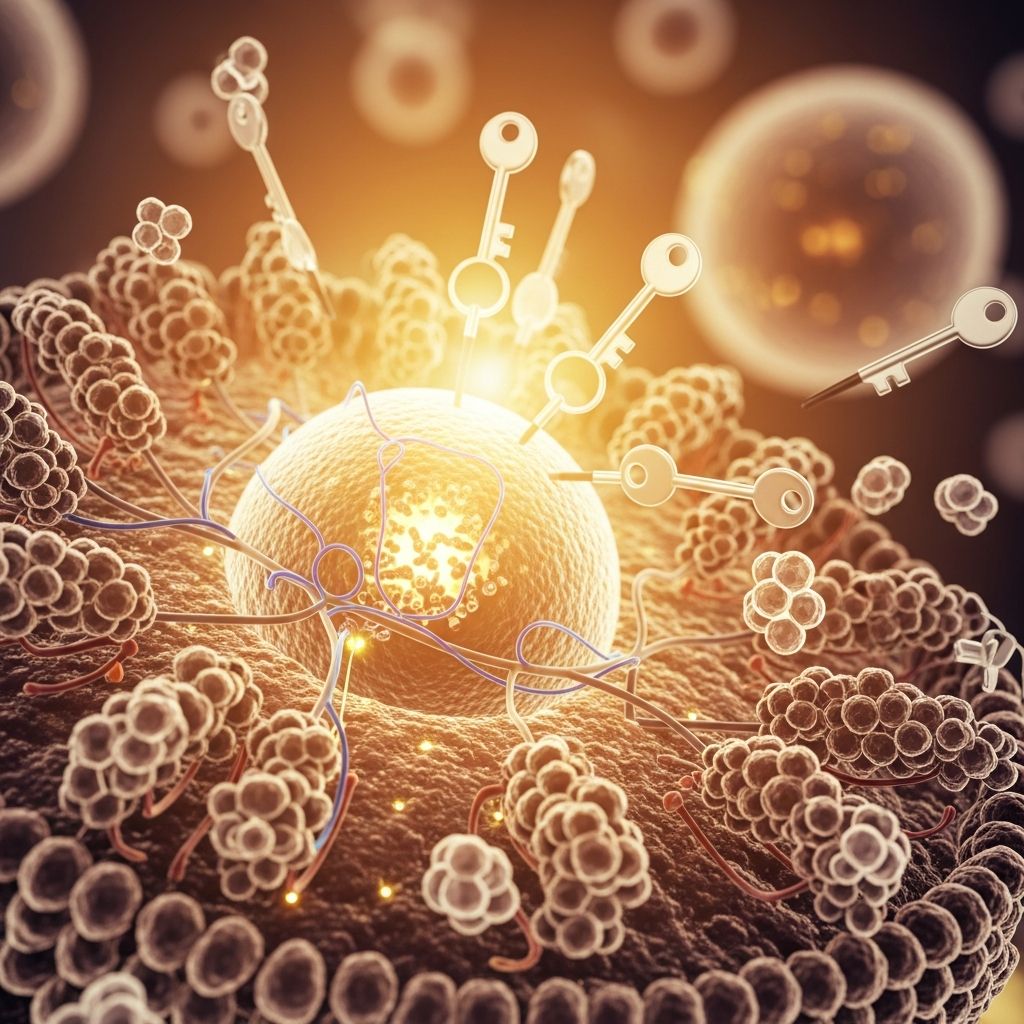
Insulin resistance occurs when the body’s cells do not respond properly to insulin, a hormone essential for regulating blood sugar levels. This condition is common in people with type 2 diabetes or those at risk, making blood sugar control more challenging even with insulin therapy.
What is insulin resistance?
**Insulin resistance** means your body doesn’t respond as it should to insulin, the hormone that allows glucose to enter cells for energy. When cells resist insulin, your pancreas produces more to compensate, leading to high insulin levels (hyperinsulinemia) and elevated blood sugar.
Over time, the pancreas may struggle to keep up, resulting in prediabetes and type 2 diabetes. Insulin resistance often precedes type 2 diabetes by 10-15 years and is linked to metabolic syndrome. In diabetes management, it explains why higher insulin doses are sometimes needed despite treatment.
Why does insulin resistance happen?
Several factors contribute to insulin resistance:
- Excess weight: Fat, especially around the abdomen, releases fatty acids and inflammatory substances that impair insulin signaling.
- Inactivity: Lack of exercise reduces muscle glucose uptake, worsening resistance.
- Genetics: Family history increases risk, as certain genes affect insulin function.
- Age: Risk rises after 45 due to natural declines in muscle mass and activity.
- Hormonal issues: Conditions like PCOS or high cortisol levels can contribute.
- Poor diet: High intake of refined carbs and sugars spikes insulin demand.
In diabetes, ongoing high blood sugar and inflammation further entrench resistance, creating a cycle that complicates insulin therapy.
Signs and symptoms of insulin resistance
Insulin resistance often develops silently, but key signs include:
- High blood sugar readings despite insulin or medications.
- Weight gain, particularly visceral fat.
- Fatigue after meals due to poor glucose utilization.
- Dark skin patches (acanthosis nigricans), especially on neck or armpits.
- Increased hunger or cravings for sweets.
- High blood pressure or abnormal cholesterol levels.
For those on insulin therapy, needing progressively higher doses to control blood sugar is a hallmark symptom. Early detection through routine checks is crucial.
Insulin resistance and diabetes
Insulin resistance is central to type 2 diabetes, where it drives hyperglycemia. In type 1 diabetes, it can develop later due to ‘double diabetes’ from weight gain or autoimmunity.
People with insulin resistance face higher risks of cardiovascular disease, fatty liver, and neuropathy. Studies like the Diabetes Prevention Program show lifestyle changes can cut diabetes risk by 58%. In insulin-treated patients, severe resistance may increase mortality and complications, suggesting cautious insulin use.
How is insulin resistance diagnosed?
Diagnosis involves blood tests since symptoms overlap with diabetes:
| Test | Description | Indicators of Resistance |
|---|---|---|
| HOMA-IR | Calculated from fasting insulin and glucose | >2.5 suggests resistance |
| Fasting Insulin | Measures baseline levels | >25 μU/mL indicates hyperinsulinemia |
| Oral Glucose Tolerance Test (OGTT) | 2-hour post-glucose insulin levels | Elevated insulin response |
| HbA1c and Fasting Glucose | Standard diabetes screens | Prediabetes range (100-125 mg/dL fasting) |
| Hyperinsulinemic-Euglycemic Clamp | Gold standard (research use) | Low glucose infusion rate |
Related Stories



No single test is perfect; doctors combine clinical history, waist circumference, and labs for diagnosis.
Treating insulin resistance
The primary goal is improving insulin sensitivity to better control blood sugar and prevent complications. Treatment emphasizes lifestyle first.
Lifestyle changes
**Diet:** Focus on calorie reduction, low-glycemic foods, and balanced nutrition. Key strategies:
- Reduce refined carbs, sugars, and high-GI foods.
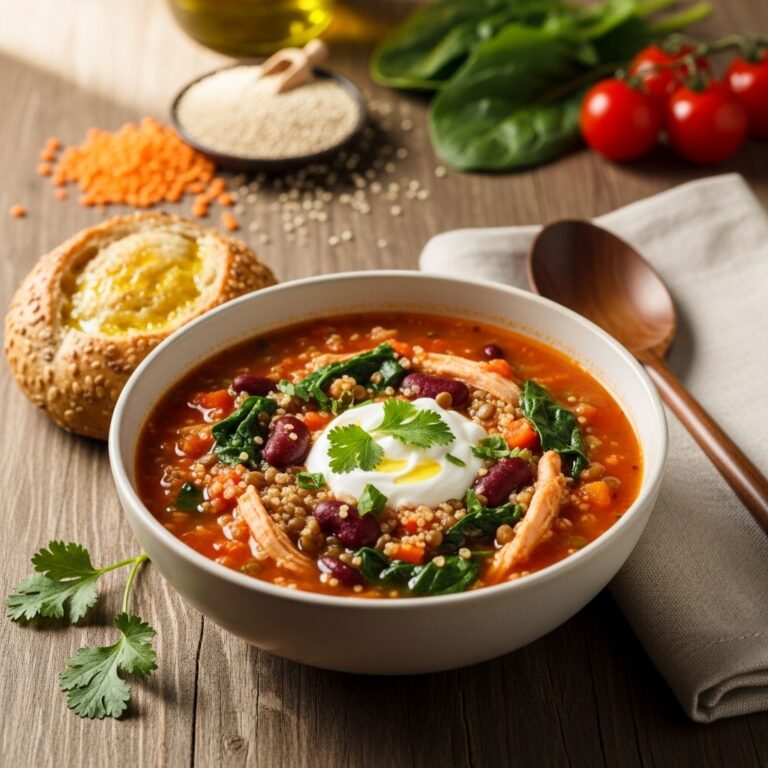
- Increase fiber from vegetables, whole grains, lean proteins.
- Aim for 5-7% weight loss to dramatically improve sensitivity.
**Exercise:** At least 150 minutes weekly of moderate activity like brisk walking boosts muscle insulin uptake. Strength training twice weekly further enhances this.
**Weight management:** Even modest loss (5-10%) reverses liver fat and resistance.
Studies confirm these changes outperform medications alone for prevention.
Medications
No drugs specifically treat insulin resistance, but several improve sensitivity:
- Metformin: Reduces liver glucose production; first-line for prediabetes/diabetes.
- GLP-1 agonists (e.g., semaglutide): Promote weight loss and insulin sensitivity.
- SGLT2 inhibitors: Aid glucose excretion and weight loss.
- Thiazolidinediones (e.g., pioglitazone): Enhance insulin action in fat/muscle.
For severe cases on insulin, agents reducing insulin demand are preferred over escalating doses, as high-dose insulin may worsen outcomes in resistant patients.
Surgery
Bariatric surgery (gastric bypass, sleeve) dramatically improves insulin sensitivity in obese individuals, often resolving type 2 diabetes. The STAMPEDE trial supports its efficacy. Suitable for BMI >35 with comorbidities.
Managing insulin resistance when using insulin
For insulin users, resistance means higher doses for control. Strategies include:
- Optimize injections: Use U-500 insulin for very high needs; rotate sites to avoid lipohypertrophy.
- Combine therapies: Add metformin/GLP-1 to lower insulin requirements.
- Avoid over-insulinization, which can promote weight gain and further resistance.
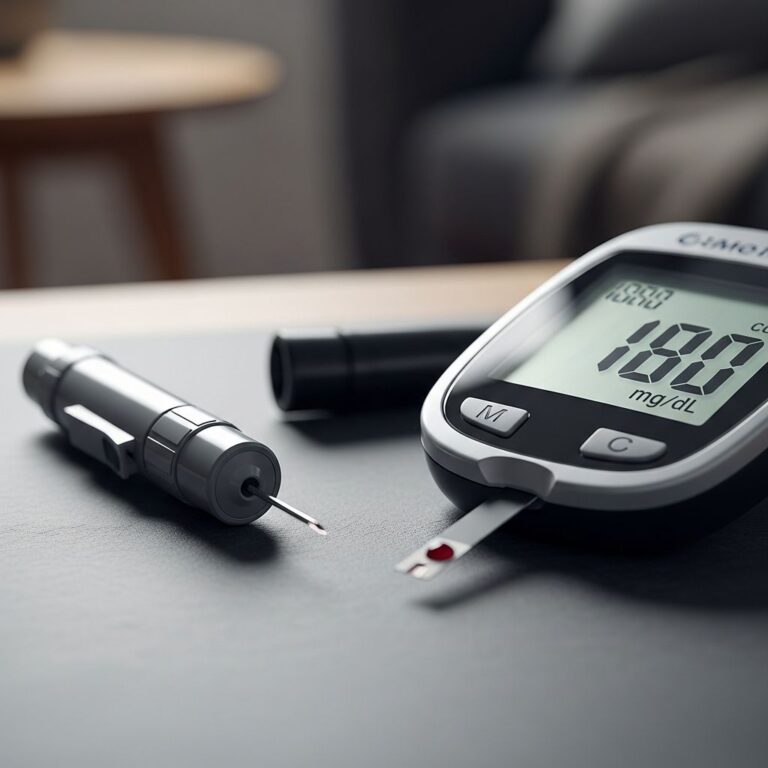
- Monitor with CGM for patterns; continuous glucose monitoring aids precise dosing.
Caution: In highly resistant patients, insulin therapy may increase risks of mortality and events compared to non-insulin approaches.
Can you reverse insulin resistance?
Yes, insulin resistance is often reversible with sustained lifestyle changes. Weight loss reduces fat-driven interference, exercise builds sensitive muscle, and diet stabilizes demand.
Research shows 7% weight loss halves diabetes risk; caloric restriction to 1200 kcal/day cuts liver fat quickly. Early intervention yields best results, preventing progression.
Preventing insulin resistance
- Maintain healthy weight through diet/exercise.
- Limit processed foods and sugars.
- Engage in regular physical activity.
- Screen regularly if at risk (family history, obesity).
- Manage related conditions like hypertension.
Frequently asked questions
What causes insulin resistance in diabetes?
Primarily excess fat, inactivity, genetics, and chronic high blood sugar impair cell response to insulin.
Can exercise reverse insulin resistance?
Yes, 30+ minutes daily of moderate exercise like walking improves muscle insulin sensitivity significantly.
Is metformin good for insulin resistance?
Yes, it reduces glucose production and is proven to delay diabetes in at-risk individuals.
Does insulin worsen resistance?
In highly resistant patients, high-dose insulin may contribute to complications; focus on sensitivity-improving therapies.
How much weight loss reverses resistance?
5-10% body weight loss often suffices, especially targeting visceral fat.
References
- Insulin Resistance – StatPearls — NCBI Bookshelf. 2023-10-01. https://www.ncbi.nlm.nih.gov/books/NBK507839/
- Insulin Therapy for Insulin Resistant Patients — Diabetes Journals. 2018-06-01. https://diabetesjournals.org/diabetes/article/67/Supplement_1/1577-P/54779/Insulin-Therapy-for-Insulin-Resistant-Patients
- Insulin Resistance: Symptoms, Causes, Tests, and Treatment — WebMD. 2023. https://www.webmd.com/diabetes/insulin-resistance-syndrome
- Insulin Resistance — UC Davis Health. 2023-11-08. https://health.ucdavis.edu/conditions/insulin-resistance
- Insulin Resistance: What It Is, Causes, Symptoms & Treatment — Cleveland Clinic. 2023. https://my.clevelandclinic.org/health/diseases/22206-insulin-resistance
- About Insulin Resistance and Type 2 Diabetes — CDC. 2024. https://www.cdc.gov/diabetes/about/insulin-resistance-type-2-diabetes.html
- How to Reverse Insulin Resistance — Yale School of Medicine. 2023. https://medicine.yale.edu/news-article/how-to-reverse-insulin-resistance/
Similar Articles








Read full bio of medha deb