Insulin Resistance: Causes, Symptoms & Treatment
Understanding insulin resistance: Learn what it is, why it happens, and how to manage it effectively.
Understanding Insulin Resistance
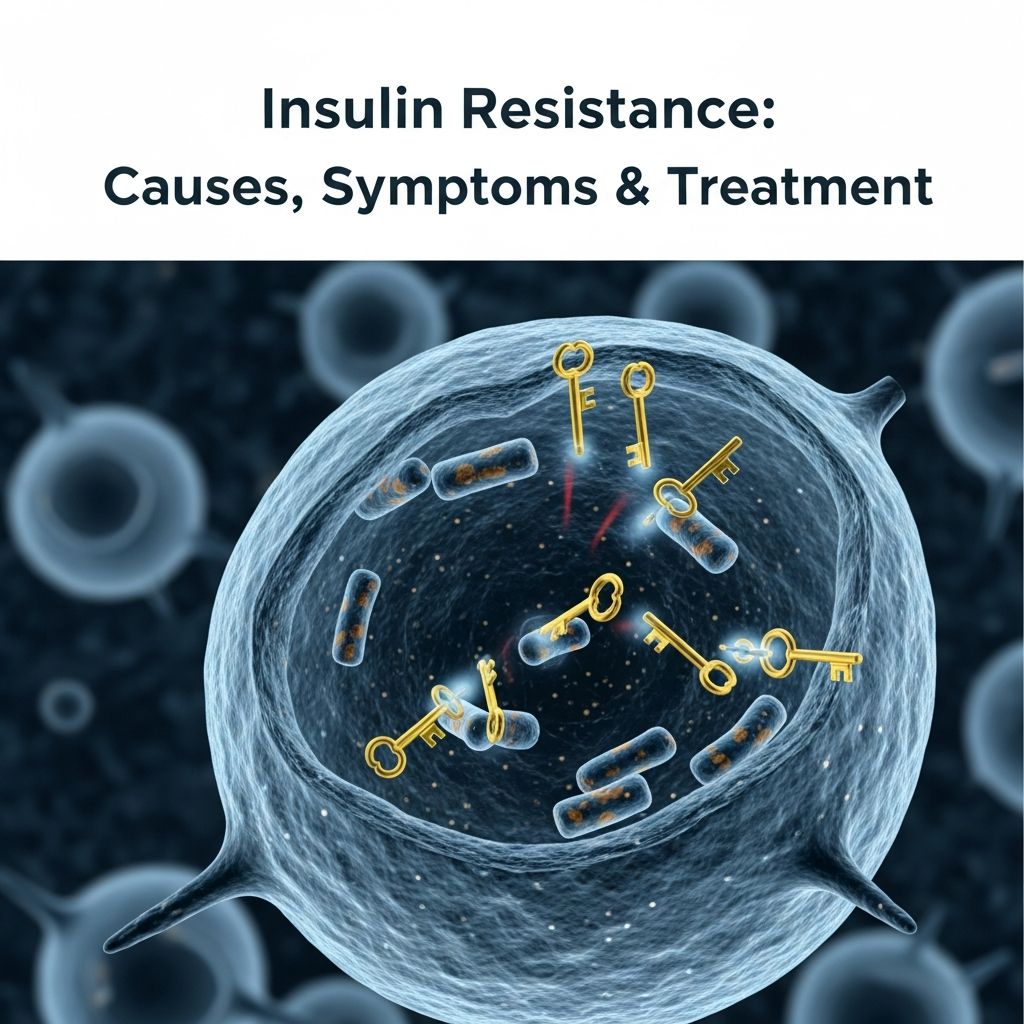
Insulin resistance is a complex metabolic condition in which your body doesn’t respond as it should to insulin, a critical hormone produced by your pancreas. When you have insulin resistance, the cells in your muscles, fat, and liver don’t respond appropriately to insulin signals, a condition also known as impaired insulin sensitivity. Insulin is essential for life and plays a vital role in regulating blood glucose (sugar) levels throughout your body.
This condition develops gradually and often remains undetected for extended periods. As long as your pancreas can produce sufficient insulin to compensate for the reduced cellular response, your blood sugar levels may remain within a healthy range. However, when cells become increasingly resistant to insulin, it leads to elevated blood glucose levels, a condition called hyperglycemia. Over time, this persistent elevation in blood sugar can progress to prediabetes and ultimately Type 2 diabetes if left unmanaged.
What Causes Insulin Resistance?
Insulin resistance stems from several genetic and lifestyle factors that work together to impair your body’s insulin response. Understanding these contributing factors is essential for developing an effective management strategy.
Genetic and Metabolic Factors
Your genetic predisposition plays a significant role in determining your susceptibility to insulin resistance. Some people inherit a greater tendency to develop this condition, making prevention and early intervention particularly important for those with a family history of diabetes or metabolic disorders. Age also contributes to insulin resistance risk, as metabolic function tends to decline with advancing years.
Lifestyle Factors
Several lifestyle choices directly influence your insulin sensitivity. Physical inactivity reduces your muscles’ ability to utilize glucose effectively, while sedentary behavior exacerbates metabolic dysfunction. Poor dietary habits, particularly the consumption of processed foods high in refined carbohydrates and added sugars, consistently elevate blood glucose levels and force your pancreas to work harder. Excess body weight, especially abdominal fat accumulation, significantly increases insulin resistance risk through mechanisms involving chronic inflammation and altered hormone production.
Environmental and Health-Related Factors
Chronic stress, inadequate sleep, and inflammation contribute to insulin resistance development. Additionally, certain medical conditions and medications can increase your risk. Polycystic ovary syndrome (PCOS), metabolic syndrome, and cardiovascular disease are often associated with insulin resistance.
Recognizing Symptoms of Insulin Resistance
One of the most challenging aspects of insulin resistance is that many people experience no noticeable symptoms, particularly in its early stages. This invisible nature of the condition means it can progress undetected for years before developing into prediabetes or Type 2 diabetes.
Common Symptoms When Present
When symptoms do occur, they typically relate to elevated blood glucose levels. People with consistently high blood sugar may experience:
– Increased thirst and frequent urination- Fatigue and low energy levels- Difficulty concentrating or brain fog- Blurred vision- Slow-healing cuts or wounds
However, many individuals with prediabetes remain asymptomatic for extended periods. Some people with prediabetes may experience subtle signs such as persistent fatigue, increased hunger despite eating regularly, or gradual weight gain, particularly around the midsection.
Related Stories



Diagnosis and Testing
Because insulin resistance often produces no obvious symptoms, healthcare providers rely on blood tests to identify the condition. Your healthcare provider may order several tests to assess your metabolic status:
– Fasting blood glucose test- Hemoglobin A1c (HbA1c) test- Fasting insulin level measurement- Oral glucose tolerance test (OGTT)- Lipid panel to assess cholesterol and triglyceride levels
These tests measure how well your body processes glucose and produces insulin. A combination of elevated fasting glucose, elevated insulin levels, and abnormal glucose tolerance test results typically indicates insulin resistance. Regular screening is particularly important if you have risk factors such as obesity, family history of diabetes, sedentary lifestyle, or certain medical conditions.
Treatment and Management Strategies
Currently, no medications specifically treat insulin resistance itself. However, your healthcare provider may prescribe medications to manage coexisting conditions such as high blood pressure, elevated cholesterol, or prediabetes. The primary approach to managing insulin resistance centers on lifestyle modifications, which can significantly improve your metabolic function over time.
Lifestyle Modifications as Primary Treatment
Lifestyle changes represent the cornerstone of insulin resistance management. These modifications address the root causes of the condition and promote long-term health benefits:
– Regular physical activity (at least 150 minutes of moderate aerobic exercise weekly)- Weight loss through balanced nutrition and exercise- Stress management and adequate sleep- Smoking cessation if applicable- Limited alcohol consumption
Over time, these lifestyle modifications can reduce your insulin resistance, lower your blood sugar levels, improve your cardiovascular health, decrease your risk of developing Type 2 diabetes, enhance your overall quality of life, and support long-term weight management.
Dietary Approaches for Insulin Resistance
Nutrition plays a crucial role in managing insulin resistance. Focus on eating more whole grains, lean proteins, fruits and vegetables, and fewer processed foods and saturated fats. The goal is consuming foods that require less insulin for processing, giving your body a better opportunity to manage blood glucose effectively.
Low-glycemic index (GI) foods cause a steadier rise in blood sugar, reducing the strain on your pancreas to release insulin. Foods generally recommended for people with insulin resistance include:
– Whole grains and legumes- Lean proteins (fish, poultry, lean cuts of meat)- Non-starchy vegetables- Berries and other fruits with lower sugar content- Healthy fats (olive oil, nuts, avocados)
The American Diabetes Association recommends a Mediterranean-style eating plan for blood glucose management. This eating pattern emphasizes whole grains, vegetables, fruit, fish, and lean protein, and has demonstrated effectiveness across multiple health metrics. The DASH diet and plant-based vegetarian or vegan approaches also offer evidence-based benefits for managing insulin resistance.
Working with Healthcare Specialists
Your healthcare provider may refer you to specialists such as a registered dietitian or endocrinologist who can develop an individualized treatment plan tailored to your specific needs, health status, and lifestyle. These professionals can provide personalized guidance on nutrition, exercise intensity and type, weight loss strategies, and monitoring protocols.
Progression and Complications
What you can expect depends on several factors, including the severity of your insulin resistance, your genetic predisposition, your adherence to lifestyle modifications, your overall health status, and whether you have other coexisting conditions.
Variable Outcomes
Some people develop mild insulin resistance that never progresses to prediabetes or Type 2 diabetes, particularly when managed effectively through lifestyle changes. Others experience insulin resistance that’s reversible or manageable with sustained lifestyle modifications. However, without proper management, insulin resistance can progress through prediabetes to Type 2 diabetes.
Potential Complications
Complications can occur when insulin resistance isn’t properly managed. Possible complications include:
– Type 2 diabetes mellitus- Prediabetes- Metabolic syndrome- High blood pressure (hypertension)- Elevated cholesterol and triglyceride levels- Cardiovascular disease and heart attack- Stroke- Kidney disease- Vision problems and diabetic retinopathy- Nerve damage (neuropathy)
It’s important to note that not everyone with insulin resistance will develop these complications. If you’ve been diagnosed with insulin resistance, prioritize prevention by regularly seeing your healthcare provider and following your individualized treatment plan. Early intervention and consistent lifestyle management significantly reduce your risk of serious health consequences.
The Path Forward
Insulin resistance serves as an important warning signal about your body’s ability to balance blood glucose levels. This condition, which often develops silently, offers an opportunity for proactive intervention before it progresses to diabetes. The good news is that insulin resistance can be managed and even reversed through sustained lifestyle changes.
Eating nutritious foods, exercising regularly, and losing excess weight can substantially decrease your insulin resistance. Success requires consistency and commitment, but the investment in your metabolic health pays dividends through improved energy, better weight management, reduced disease risk, and enhanced overall wellbeing.
Talk to your healthcare provider about what you can do to best manage your insulin resistance. Together, you can develop a realistic, sustainable plan that fits your lifestyle and health goals. Regular monitoring and open communication with your healthcare team ensure that your management strategy remains effective and adapts to your changing needs.
Frequently Asked Questions
Q: Can insulin resistance be reversed?
A: Yes, insulin resistance can be reversible or manageable with lifestyle changes. Weight loss, regular exercise, improved diet quality, and stress management can significantly improve or reverse insulin resistance in many people, particularly when intervention occurs in earlier stages.
Q: Is insulin resistance the same as Type 2 diabetes?
A: No, they are different but related conditions. Insulin resistance is when your cells don’t respond properly to insulin. If left unmanaged, it can progress to prediabetes and then Type 2 diabetes. However, many people with insulin resistance never develop diabetes with proper management.
Q: How long does it take to see improvements from lifestyle changes?
A: Many people notice improvements in energy levels and weight management within a few weeks of consistent lifestyle changes. However, significant metabolic improvements typically take 3-6 months of sustained effort. Blood test results often show measurable improvements within this timeframe.
Q: Can I have insulin resistance without knowing it?
A: Yes, many people have insulin resistance without experiencing any noticeable symptoms. This is why regular screening is important, especially if you have risk factors like obesity, family history of diabetes, or sedentary lifestyle. Prediabetes may remain invisible for years until it develops into Type 2 diabetes.
Q: What’s the best diet for insulin resistance?
A: A Mediterranean-style diet is recommended by the American Diabetes Association and emphasizes whole grains, vegetables, fruits, lean proteins, and healthy fats. The DASH diet and plant-based approaches also show benefits. Focus on low-glycemic foods that cause steadier blood sugar rises.
Q: Do I need medication for insulin resistance?
A: There are no medications specifically designed to treat insulin resistance itself. However, your healthcare provider may prescribe medications to manage related conditions like high blood pressure or elevated cholesterol. Lifestyle modifications remain the primary treatment approach.
References
- Insulin Resistance: What It Is, Causes, Symptoms & Treatment — Cleveland Clinic. 2024. https://my.clevelandclinic.org/health/diseases/22206-insulin-resistance
- Foods To Eat on an Insulin Resistance Diet — Cleveland Clinic Health. 2024. https://health.clevelandclinic.org/insulin-resistance-diet
- Hyperinsulinemia: What It Is, Causes, Symptoms & Treatment — Cleveland Clinic. 2024. https://my.clevelandclinic.org/health/diseases/24178-hyperinsulinemia
- Insulin: What It Is, What It Does, How To Take It & Side Effects — Cleveland Clinic. 2024. https://my.clevelandclinic.org/health/body/22601-insulin
- Type 2 Diabetes: Evolving Concepts and Treatment — Cleveland Clinic Journal of Medicine. 2019. https://www.ccjm.org/content/86/7/494
Similar Articles








Read full bio of Sneha Tete