Insulin Resistance Symptoms: 6 Hidden Signs You Shouldn’t Ignore
Recognize the subtle signs of insulin resistance early to prevent diabetes and heart disease risks effectively.
Insulin resistance occurs when your body’s cells don’t respond effectively to insulin, a hormone that regulates blood sugar, leading to elevated glucose levels over time. This condition often develops silently and serves as a precursor to prediabetes and type 2 diabetes, affecting millions worldwide. Early recognition of symptoms can enable lifestyle interventions to restore insulin sensitivity and avert serious complications like heart disease and fatty liver.
What Is Insulin Resistance?
Insulin resistance is a metabolic disorder where muscle, fat, and liver cells fail to respond properly to insulin, impairing glucose uptake and causing blood sugar buildup. To compensate, the pancreas produces more insulin, resulting in hyperinsulinemia. Over time, this strains the pancreas, potentially leading to beta-cell exhaustion and type 2 diabetes. Factors like obesity, sedentary lifestyle, and high intake of processed carbs contribute significantly. Unlike type 1 diabetes, which involves insulin deficiency, insulin resistance features excess insulin initially.
The condition disrupts multiple systems: energy metabolism, lipid profiles, inflammation control, and immune function. Globally, it’s linked to 70-80 million cases in the U.S. alone, often clustering with hypertension, dyslipidemia, and central obesity—a pattern known as metabolic syndrome.
Insulin Resistance Symptoms
Symptoms of insulin resistance are often subtle and mistaken for normal aging or stress, but they signal underlying metabolic dysfunction. Common signs include:
- Fatigue and low energy: Cells can’t efficiently use glucose for energy, leading to persistent tiredness despite rest.
- Skin changes like acanthosis nigricans: Velvety, darkened patches in skin folds (neck, armpits, groin) due to high insulin stimulating skin cell growth.
- Weight gain, especially abdominal: Insulin promotes fat storage, particularly visceral fat around organs.
- Increased hunger and thirst: Fluctuating blood sugar triggers cravings and dehydration signals.
- Frequent urination: Excess glucose spills into urine, pulling water with it.
- Mood swings and brain fog: Unstable blood sugar affects neurotransmitter balance and cognitive function.
Advanced symptoms may involve high blood pressure, abnormal lipids, sleep apnea, and fatty liver disease. Many remain asymptomatic until prediabetes emerges.
6 Signs of Insulin Resistance
Here are six key indicators backed by clinical evidence:
- Acanthosis Nigricans (Dark Skin Patches): This hallmark sign features hyperpigmented, thickened skin in body folds, directly tied to hyperinsulinemia. It’s prevalent in 20-30% of insulin-resistant individuals and warrants immediate screening.
- Persistent Fatigue: Despite adequate sleep, energy crashes occur because glucose remains trapped outside cells. This affects daily productivity and quality of life.
- Unexplained Weight Gain: Central obesity resists diet efforts as insulin blocks fat breakdown. Visceral fat exacerbates resistance in a vicious cycle.
- High Blood Pressure: Insulin resistance promotes sodium retention and vascular stiffness, raising hypertension risk.
- Abnormal Blood Lipids: Elevated triglycerides and low HDL cholesterol stem from disrupted fat metabolism, heightening cardiovascular risk.
- Sleep Apnea: Excess neck fat and inflammation obstruct airways, fragmenting sleep and worsening resistance.
Insulin Resistance Causes and Risk Factors
Several modifiable and non-modifiable factors drive insulin resistance:
- Sedentary Lifestyle: Lack of exercise reduces muscle glucose uptake.
- Poor Diet: High-glycemic foods (sugars, refined carbs) spike insulin repeatedly.
- Obesity: Adipose tissue releases inflammatory cytokines that impair insulin signaling.
- Genetics: Family history increases susceptibility.
- Micronutrient Deficiencies: Low levels of vitamins impair insulin function.
- Chronic Inflammation: From autoimmune conditions or infections.
Underweight individuals can also develop it via poor nutrition or genetics, though obesity is the classic presentation.
How Insulin Resistance Is Diagnosed
Diagnosis involves blood tests assessing glucose and insulin dynamics:
| Test | Description | Threshold for IR |
|---|---|---|
| Fasting Insulin | Measures baseline insulin | >10-15 μU/mL |
| HOMA-IR | Calculated as (glucose × insulin)/405 | >2.5 |
| Oral Glucose Tolerance Test (OGTT) | 2-hour post-glucose insulin/glucose | Impaired response |
| HbA1c | Average blood sugar over 3 months | 5.7-6.4% (prediabetes) |
| Fasting Glucose | Baseline sugar level | 100-125 mg/dL (impaired) |
Related Stories



Physical exams check for acanthosis nigricans, waist circumference (>40″ men, >35″ women), and blood pressure. Consult a healthcare provider for personalized testing.
Insulin Resistance Treatment
Reversing insulin resistance emphasizes lifestyle over medication initially:
- Diet: Low-glycemic index foods (vegetables, whole grains, lean proteins); avoid sugars and refined carbs.
- Exercise: 150 minutes weekly of moderate activity boosts muscle insulin sensitivity.
- Weight Loss: 5-10% reduction dramatically improves function.
- Supplements: Address deficiencies in vitamins (e.g., D, magnesium) under guidance.
- Medications: Metformin if lifestyle insufficient.
Intermittent fasting shows promise by lowering insulin demand. Improvements appear in 6-8 months with consistency.
Diet and Lifestyle Changes to Reverse Insulin Resistance
Targeted changes yield measurable results:
- Emphasize fiber-rich foods to stabilize blood sugar.
- Incorporate healthy fats (avocados, nuts) over saturated.
- Practice time-restricted eating.
- Prioritize sleep (7-9 hours) to regulate hormones.
- Manage stress via mindfulness to curb cortisol-driven resistance.
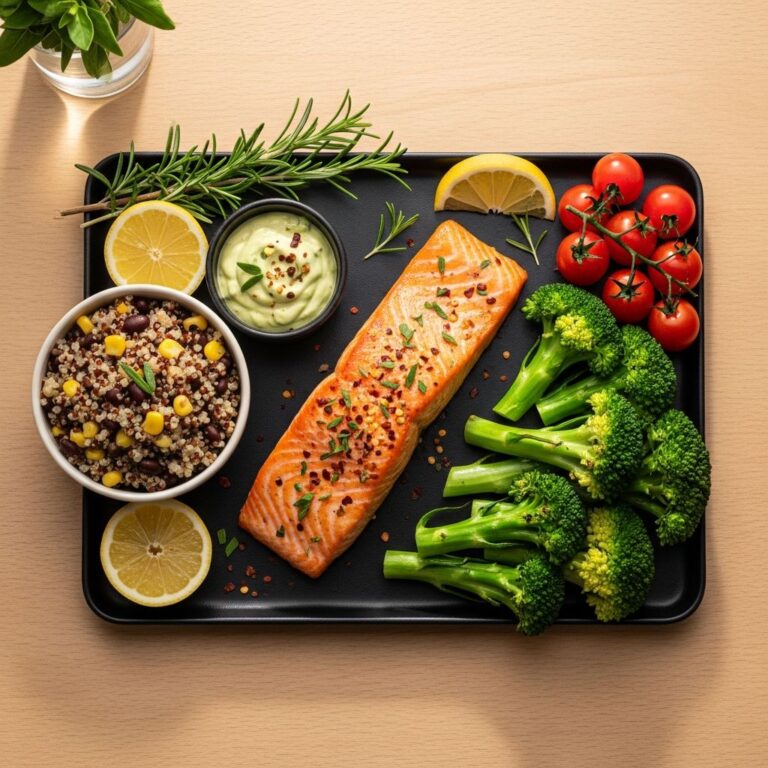
A sample day: Breakfast—oatmeal with berries; Lunch—grilled chicken salad; Dinner—salmon with veggies; Snacks—nuts or yogurt.
Complications of Insulin Resistance
Untreated, it progresses to:
- Type 2 Diabetes: Chronic hyperglycemia.
- Cardiovascular Disease: From hypertension and dyslipidemia.
- Non-Alcoholic Fatty Liver Disease (NAFLD): Fat accumulation risking cirrhosis.
- Sleep Apnea and Polycystic Ovary Syndrome (PCOS): Hormonal disruptions.
Early action slashes these risks dramatically.
Frequently Asked Questions (FAQs)
Can insulin resistance be reversed?
Yes, through diet, exercise, and weight management, many restore sensitivity within months.
Is insulin resistance the same as diabetes?
No, it’s a precursor; diabetes occurs when the pancreas can’t compensate.
What foods should I avoid with insulin resistance?
Sugary drinks, white bread, pastries, and high-GI fruits/juices.
Does stress cause insulin resistance?
Chronic stress elevates cortisol, worsening it indirectly.
How do I know if I have insulin resistance?
Symptoms plus blood tests like HOMA-IR confirm it; see your doctor.
References
- 8 Common Health Problems Due to Insulin Resistance — Dr. Tsoukalas. 2023. https://www.drtsoukalas.com/8_common_health_problems_due_to_insulin_resistance-lp-25.html
- Eating and Lifestyle Habits in Underweight Patients with Insulin Resistance — PMC/NCBI. 2023-04-20. https://pmc.ncbi.nlm.nih.gov/articles/PMC10122527/
- Insulin Resistance: What It Is, Causes, Symptoms — Cleveland Clinic. 2024. https://my.clevelandclinic.org/health/diseases/22206-insulin-resistance
- What is insulin resistance and how to reduce it — Evergreen Life. 2023. https://www.evergreen-life.co.uk/health-wellbeing-library/what-is-insulin-resistance/
- Insulin Resistance Syndrome — American Academy of Family Physicians (AAFP). 2001-03-15. https://www.aafp.org/pubs/afp/issues/2001/0315/p1159.html
- What’s the best diet for insulin resistance? — MD Anderson Cancer Center. 2020. https://www.mdanderson.org/cancerwise/whats-the-best-diet-for-insulin-resistance.h00-159774078.html
- Intermittent Fasting and Insulin Resistance: Benefits Beyond Weight Loss — Jefferson Health. 2023. https://www.jeffersonhealth.org/your-health/living-well/intermittent-fasting-and-insulin-resistance-benefits-beyond-weight-loss
Similar Articles








Read full bio of Sneha Tete