Insulin Resistance Symptoms: 10 Signs To Spot Early
Recognize the subtle signs of insulin resistance early to prevent type 2 diabetes, heart disease, and other serious health complications.
Insulin resistance occurs when your body’s cells don’t respond effectively to insulin, a hormone that regulates blood sugar, leading to elevated glucose and insulin levels over time. This condition often develops silently but can progress to prediabetes, type 2 diabetes, and other chronic diseases if unaddressed. Early recognition of symptoms is crucial, as lifestyle changes can reverse it in many cases.
What Is Insulin Resistance?
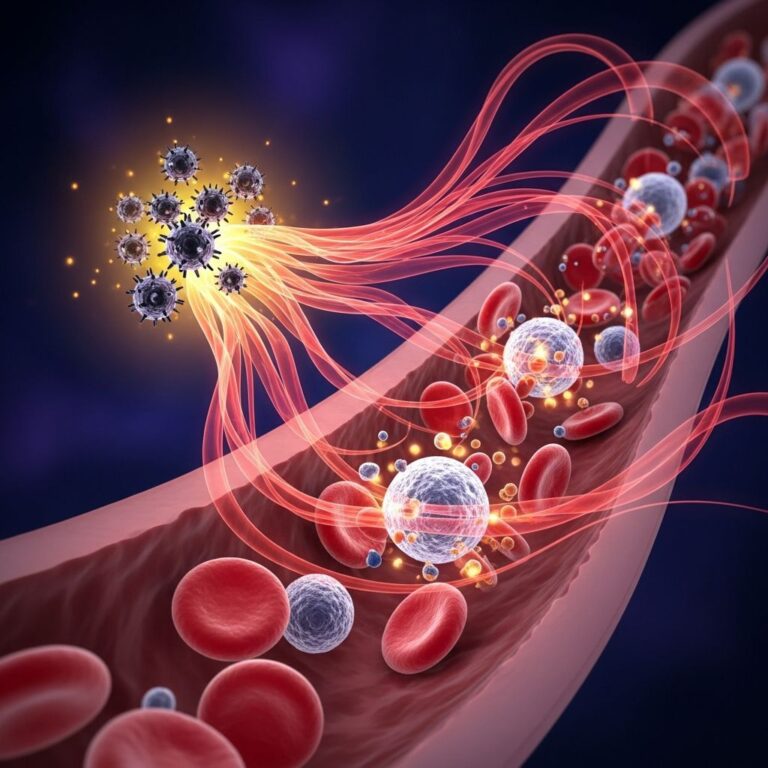
Insulin, produced by the pancreas, facilitates glucose uptake into cells for energy. In insulin resistance, cells in muscle, fat, and liver become less responsive, causing the pancreas to produce more insulin (hyperinsulinemia) to compensate. Initially asymptomatic, it leads to chronically high blood sugar (hyperglycemia) as pancreatic beta cells fatigue. Affecting up to 40% of U.S. adults, it’s a hallmark of metabolic syndrome.
Symptoms of Insulin Resistance
Many experience no obvious signs early on, but subtle clues emerge as it worsens. Common symptoms include:
- Fatigue, especially after meals: Poor glucose uptake leaves cells energy-starved, causing post-meal tiredness.
- Sugar and carb cravings: Blood sugar fluctuations trigger intense hunger for quick-energy foods.
- Increased hunger, thirst, and urination: Elevated blood sugar mimics diabetes symptoms.
- Weight gain, particularly belly fat: Excess insulin promotes fat storage, especially visceral fat around organs.
- Acanthosis nigricans (dark skin patches): Velvety, darkened skin on neck, armpits, or groin signals high insulin.
- Skin tags: Small, benign growths linked to insulin’s growth-promoting effects.
- Mood swings and irritability: Glucose instability affects brain function.
- Sleep issues: Difficulty falling asleep, nightmares, or sleep apnea from fat accumulation.
- Frequent headaches: Tied to blood sugar instability.
- Muscle/joint pain: Inflammation from insulin resistance contributes.
These overlap with prediabetes symptoms, which may remain hidden for years. Women may notice PCOS signs like irregular periods.
Causes and Risk Factors for Insulin Resistance
Several factors impair insulin signaling:
- Excess body fat: Visceral fat releases fatty acids that disrupt insulin pathways.
- Sedentary lifestyle: Lack of exercise reduces muscle glucose uptake.
- Poor diet: High intake of processed carbs, sugars, and fructose elevates triglycerides and insulin demand.
- Chronic inflammation: Elevated hs-CRP interferes with insulin signaling in liver, muscle, and fat.
- Genetics: Family history increases susceptibility.
- Hormonal issues: PCOS, sleep apnea, and corticosteroids contribute.
- Age and ethnicity: Risk rises after 45; higher in Hispanic, Black, and Asian populations.
| Risk Factor | Impact on Insulin Sensitivity | Prevalence Note |
|---|---|---|
| Abdominal obesity | Lipid overload impairs signaling | Strongest predictor |
| High-sugar diet | Spikes insulin chronically | Fructose key culprit |
| Inactivity | Low muscle GLUT4 expression | Reversible with exercise |
| Inflammation | Blocks insulin pathways | hs-CRP marker |
Insulin Resistance and Chronic Disease Risk
Beyond blood sugar, insulin resistance drives systemic issues via hyperinsulinemia, inflammation, and dyslipidemia.
- Type 2 diabetes: Beta cells exhaust, leading to hyperglycemia.
- Heart disease: High triglycerides, low HDL, hypertension.
- PCOS: Hyperinsulinemia boosts androgens, causing infertility, hirsutism.
- Fatty liver (NAFLD): Fat buildup from insulin-driven lipogenesis; affects 25% of adults.
- Sleep apnea: Neck fat obstructs airways.
- Alzheimer’s: Brain insulin resistance impairs cognition.
- Cancer: Insulin as growth factor promotes proliferation.
Related Stories



Metabolic syndrome—central obesity, dyslipidemia, hypertension, high fasting glucose—clusters these risks.
How to Test for Insulin Resistance
No single test; doctors use:
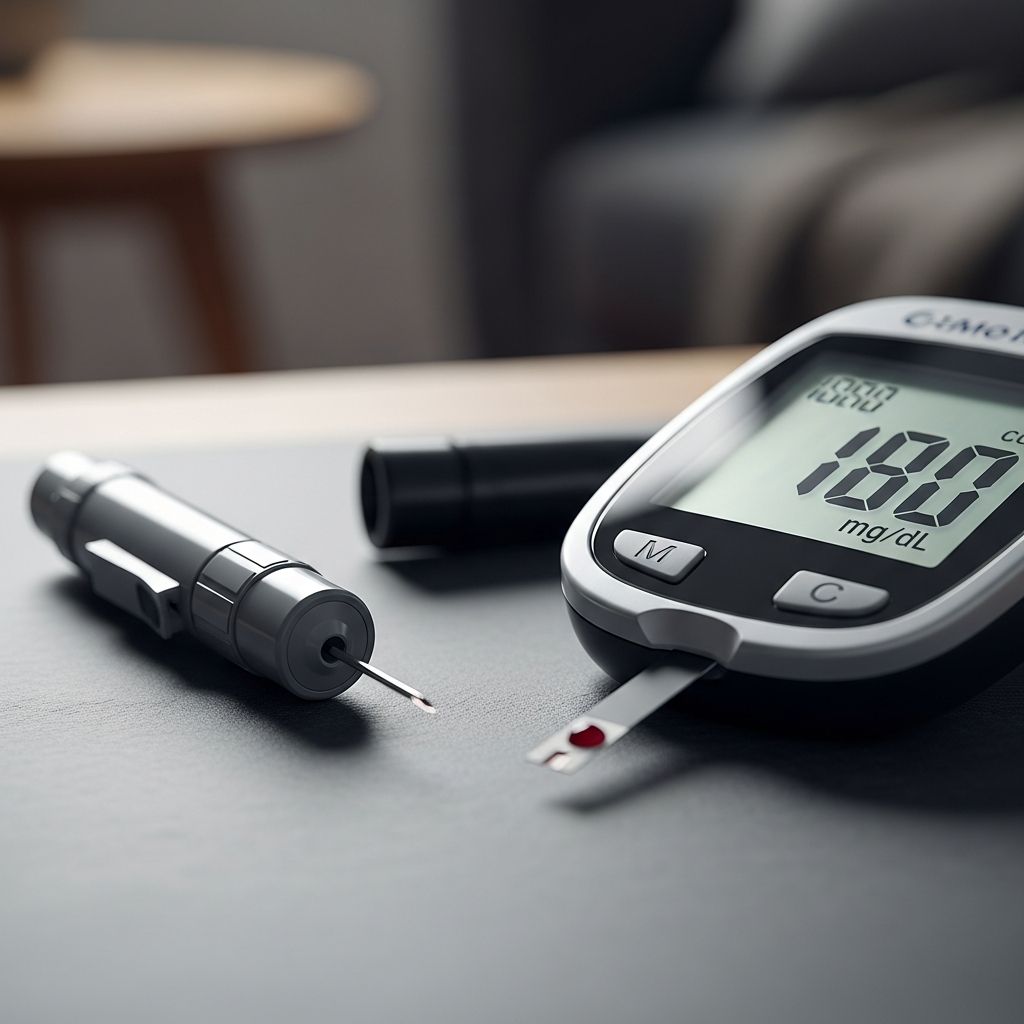
- Fasting insulin + glucose: HOMA-IR score >2.5 indicates resistance.
- A1C: 5.7-6.4% suggests prediabetes.
- Oral glucose tolerance test (OGTT): 2-hour glucose 140-199 mg/dL.
- Fasting glucose: 100-125 mg/dL (impaired).
Advanced: Continuous glucose monitoring reveals post-meal spikes.
Treatment and Reversal of Insulin Resistance
Lifestyle is first-line; up to 60% reverse with interventions.
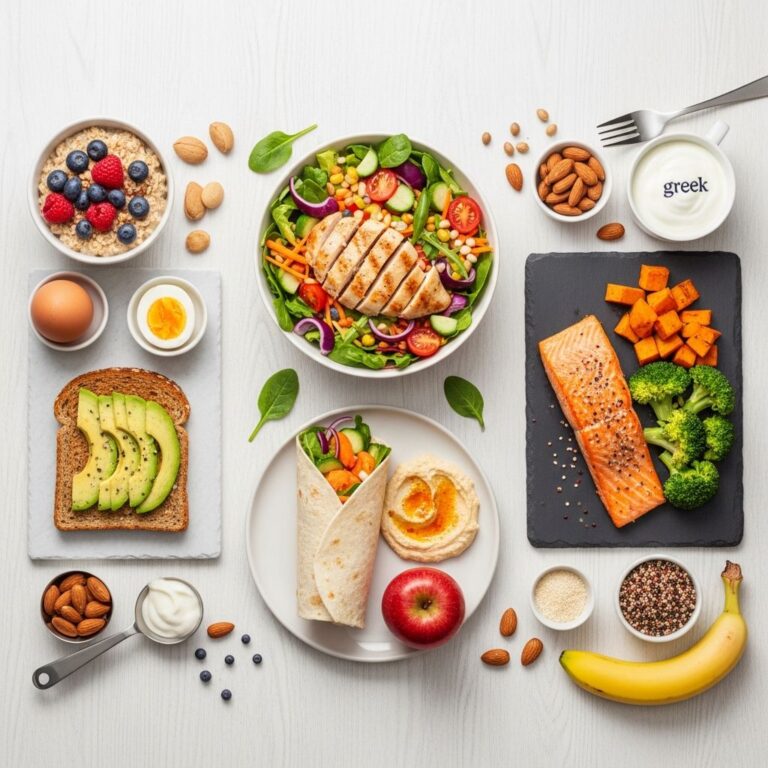
- Diet: Low-glycemic, Mediterranean-style: veggies, lean proteins, healthy fats; limit sugars. Time-restricted eating aids.
- Exercise: 150 min/week moderate aerobic + resistance training boosts sensitivity.
- Weight loss: 5-10% reduces visceral fat.
- Sleep and stress management: 7-9 hours/night; mindfulness.
- Medications: Metformin for high-risk; GLP-1 agonists emerging.
Nutrient optimization (e.g., addressing deficiencies) improves metabolism.
Frequently Asked Questions (FAQs)
Can insulin resistance be reversed?
Yes, through diet, exercise, and weight loss; many restore sensitivity before diabetes develops.
Who is at risk for insulin resistance?
Overweight individuals, sedentary people, those with family history, PCOS, or high-carb diets.
Does insulin resistance cause weight gain?
Yes, high insulin locks fat in cells and promotes storage, especially abdominal.
What foods worsen insulin resistance?
Sugary drinks, refined carbs, fructose-heavy foods; opt for whole foods.
Is acanthosis nigricans always insulin resistance?
Commonly yes, but check with a doctor; it’s a visible marker.
This article provides general information; consult a healthcare provider for personalized advice.
References
- The Critical Role of Insulin Sensitivity in Long-Term Health — Function Health. 2024. https://www.functionhealth.com/article/the-critical-role-of-insulin-sensitivity-in-long-term-health
- 8 Common Health Problems Due to Insulin Resistance — Dr. Tsoukalas. 2023. https://www.drtsoukalas.com/8_common_health_problems_due_to_insulin_resistance-lp-25.html
- Insulin Resistance: What It Is, Causes, Symptoms & Treatment — Cleveland Clinic. 2024-01-15. https://my.clevelandclinic.org/health/diseases/22206-insulin-resistance
- Insulin and Insulin Resistance — PMC/NIH. 1999-07-24 (authoritative review). https://pmc.ncbi.nlm.nih.gov/articles/PMC1204764/
- Insulin Resistance and Diabetes — American Diabetes Association. 2024. https://diabetes.org/health-wellness/insulin-resistance
- What’s the best diet for insulin resistance? — MD Anderson Cancer Center. 2022-05-18. https://www.mdanderson.org/cancerwise/whats-the-best-diet-for-insulin-resistance.h00-159774078.html
Similar Articles








Read full bio of Sneha Tete