Insulin Resistance: 5 Skin Warning Signs To Spot Early
Understanding the skin manifestations of insulin resistance and their links to metabolic syndrome.
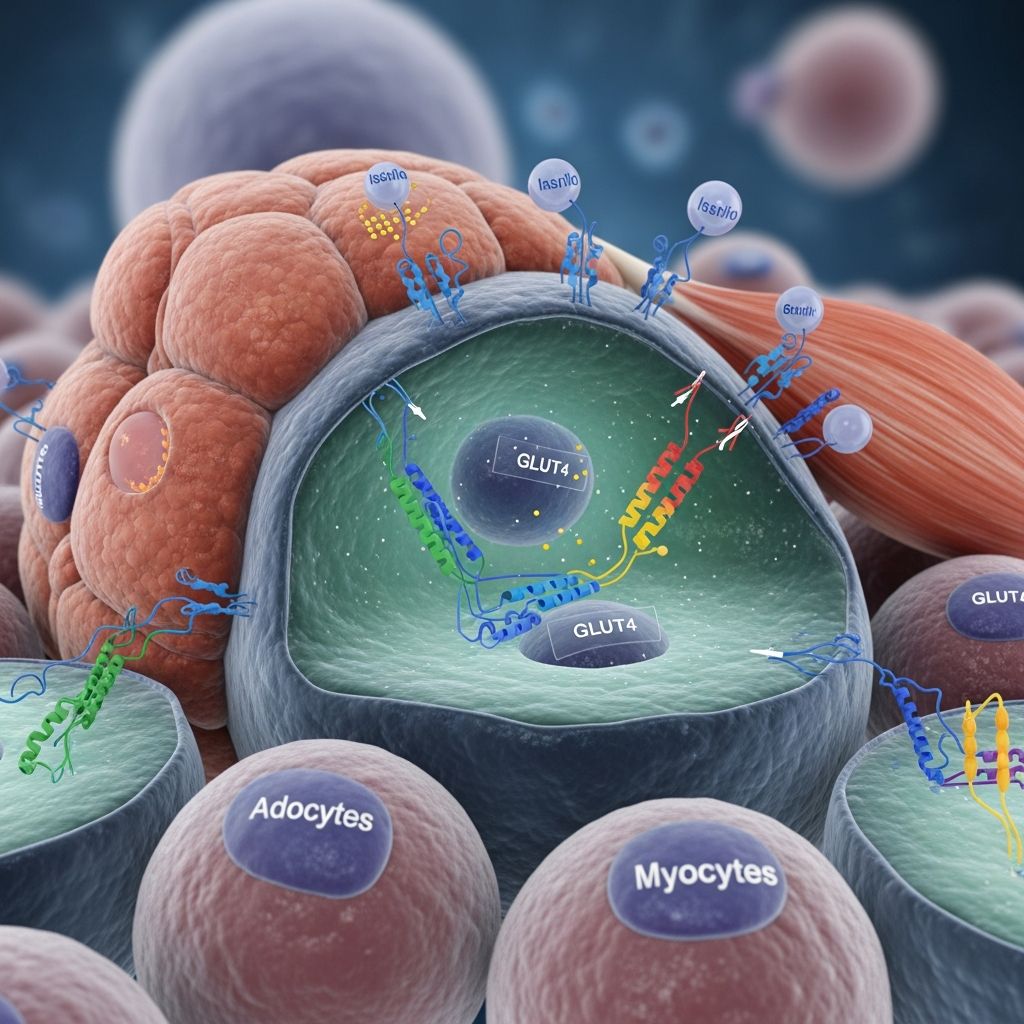
Insulin resistance is a metabolic condition where the body’s cells become less responsive to insulin, leading to elevated blood glucose and compensatory hyperinsulinemia. This state is a precursor to type 2 diabetes and metabolic syndrome, often presenting with characteristic skin manifestations that can aid in early diagnosis. These dermatological signs, such as acanthosis nigricans and skin tags, result from hyperinsulinemia stimulating growth factors in skin cells, promoting hyperplasia and pigmentation changes.
What is insulin resistance?
Insulin resistance occurs when muscle, fat, and liver cells fail to respond effectively to insulin, a hormone produced by the pancreas to regulate blood sugar. As a result, the pancreas secretes more insulin to maintain glucose homeostasis, leading to hyperinsulinemia. Over time, this can progress to prediabetes, type 2 diabetes, and associated complications. Factors contributing to insulin resistance include obesity, sedentary lifestyle, genetic predisposition, and chronic inflammation. In the skin, hyperinsulinemia activates insulin-like growth factor-1 (IGF-1) receptors on keratinocytes and fibroblasts, driving excessive cell proliferation and metabolic alterations.
Who is at risk? Individuals with central obesity, family history of diabetes, polycystic ovary syndrome (PCOS), or those with acanthosis-like skin changes are particularly susceptible. Early recognition through skin signs allows for timely intervention to prevent progression to overt diabetes.
What are the dermatological symptoms of insulin resistance?
The skin serves as a visible marker of underlying metabolic dysfunction in insulin resistance. Common dermatological symptoms include:
- **Acanthosis nigricans**: Velvety, hyperpigmented plaques in intertriginous areas.
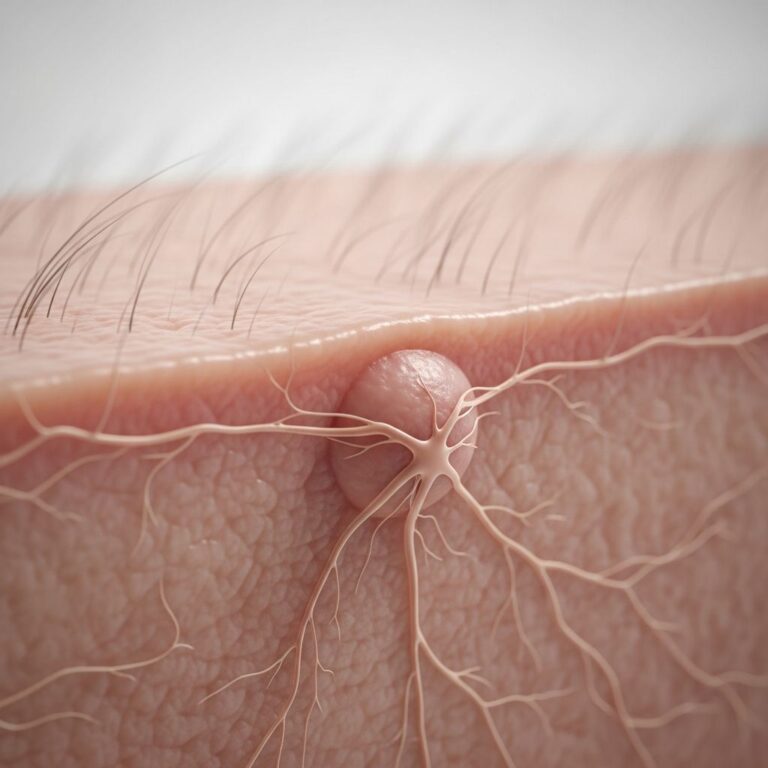
- **Acrochordons (skin tags)**: Benign polyploid lesions, often multiple.
- **Acne**: Inflammatory lesions exacerbated by hyperandrogenism.
- **Hirsutism**: Excess terminal hair growth in women due to androgen excess.
- **Androgenetic alopecia**: Pattern hair loss linked to insulin signaling.
These manifestations arise because skin cells express insulin and IGF-1 receptors, making them responsive to elevated insulin levels. Hyperinsulinemia promotes keratinocyte proliferation, melanocyte hyperactivity, and sebaceous gland stimulation.
Skin diseases associated with insulin resistance
Several skin conditions are strongly linked to insulin resistance and metabolic syndrome:
- Acanthosis nigricans: Symmetrical, hyperpigmented, velvety thickening in neck folds, axillae, groin, and knuckles. Histology shows hyperkeratosis, acanthosis, and papillomatosis. It correlates with insulin resistance severity and is seen in type 2 diabetes, PCOS, and obesity.
- Skin tags (acrochordons): Small, soft, pedunculated growths, often in neck, axillae, and inframammary folds. They result from IGF-1 stimulated fibroblast and keratinocyte proliferation. Unlike acanthosis, they do not regress with metabolic improvement but new formation halts.
- Acne: Predominantly inflammatory acne on face, chest, and back. Insulin resistance increases androgen production and sebum, via mTORC1 pathway, independent of overt diabetes.
- Hirsutism: Coarse hair on face, chest, and abdomen in women, driven by hyperinsulinemia-induced ovarian androgen excess in PCOS.
- Androgenetic alopecia: Thinning scalp hair in characteristic patterns, linked to IGF-1 dysregulation and miniaturization of hair follicles.
Other associations include hidradenitis suppurativa, psoriasis, and rosacea, where insulin resistance amplifies inflammation. Skin infections, delayed wound healing, and eruptive xanthomas also occur due to hyperglycemia impairing immunity and vascular supply.
Acanthosis nigricans
Acanthosis nigricans (AN) is the hallmark skin sign of insulin resistance, presenting as dark, velvety plaques in body folds. It affects 20-30% of obese individuals and nearly all with type 2 diabetes. Malignancy-associated AN is rare and differs histologically.
Clinical features: Dark brown to black discoloration with accentuated skin markings; texture is thickened and papillomatous. Common sites: posterior neck, axillae, groin, elbows, knuckles.
Pathogenesis: Hyperinsulinemia binds IGF-1 receptors on keratinocytes and melanocytes, causing hyperplasia and hyperpigmentation. Obesity-related AN is benign; rapid onset suggests paraneoplastic form.
Related Stories



Histology: Epidermal acanthosis, hyperkeratosis, papillomatosis; dermis normal.
Differential diagnosis: Confluent and reticulated papillomatosis, seborrheic keratosis, lichen planus pigmentosus.
Acanthosis nigricans treatment
Treatment targets underlying insulin resistance: weight loss, exercise, metformin. Topical therapies include retinoids, ammonium lactate, or urea for cosmesis. Severe cases may require laser therapy.
Skin tags
Skin tags are benign epithelial tumors prevalent in insulin resistance, appearing as 2-5mm flesh-colored papules on stalks, often multiple in flexural areas.
Associated with metabolic syndrome; sudden eruption signals need for glucose/insulin evaluation. Pathogenesis mirrors AN: IGF-1 receptor stimulation leads to dermal proliferation.
Management: Snip excision, cryotherapy, or electrocautery for symptomatic tags. Metabolic control prevents recurrence.
Acne
Acne vulgaris in adults, especially mandibular, links to insulin resistance via hyperinsulinemia boosting IGF-1, androgens, and lipogenesis. Low-grade inflammation and mTORC1 activation contribute.
Treatment: Topical retinoids, benzoyl peroxide; systemic isotretinoin for severe cases. Address IR with diet and metformin.
Hirsutism
Excess androgen-dependent hair growth affects 5-10% women with PCOS and IR. Hyperinsulinemia suppresses sex hormone-binding globulin, elevating free testosterone.
Treatment: Oral contraceptives, anti-androgens (spironolactone), lifestyle modification to improve IR.
Androgenetic alopecia
Male-pattern baldness and female-pattern hair loss associate with IR through IGF-1 effects on follicles. Prevalence higher in metabolic syndrome.
Management: Minoxidil, finasteride; metabolic optimization.
Other skin changes
Additional manifestations:
- Delayed wound healing: Hyperglycemia impairs angiogenesis and immunity.
- Skin infections: Bacterial, fungal due to neutrophil dysfunction.
- Xanthelasma, eruptive xanthomas: Lipid deposits from dyslipidemia.
- Granuloma annulare, necrobiosis lipoidica: Inflammatory changes.
Investigations
Screen for IR: Fasting glucose, HbA1c, fasting insulin, HOMA-IR. Lipid profile, liver enzymes for NAFLD. OGTT for confirmation. Skin biopsy if atypical.
Management
Lifestyle: Weight loss (5-10%), low-glycemic diet, exercise (150 min/week). Pharmacotherapy: Metformin, GLP-1 agonists. Dermatologic treatments are adjunctive.
| Condition | Sites | Features | Histology |
|---|---|---|---|
| Acanthosis nigricans | Neck, axillae | Velvety hyperpigmentation | Hyperkeratosis, acanthosis |
| Skin tags | Neck, groin | Pedunculated papules | Hyperkeratosis, papillomatosis |
| Acne | Face, back | Inflammatory papules | Follicular hyperproliferation |
Frequently Asked Questions
What causes insulin resistance skin changes?
Hyperinsulinemia stimulates IGF-1 receptors, causing epidermal hyperplasia and pigmentation.
Can skin tags indicate diabetes?
Yes, multiple skin tags warrant metabolic screening.
Does losing weight reverse acanthosis nigricans?
Often yes, as it improves insulin sensitivity.
Is acne linked to insulin resistance?
Strongly, via sebum overproduction.
How to treat hirsutism from IR?
Lifestyle changes, anti-androgens, and metformin.
References
- Insulin Resistance and Skin — Sugar.Fit. 2023. https://www.sugarfit.com/blog/insulin-resistance-and-skin/
- Insulin Resistance and Skin Diseases — PMC. 2015-04-23. https://pmc.ncbi.nlm.nih.gov/articles/PMC4419263/
- Skin Manifestations of Insulin Resistance: From a Biochemical — PMC. 2017-02-23. https://pmc.ncbi.nlm.nih.gov/articles/PMC5336429/
- Insulin Resistance and Skin Changes: What You Need to Know — Arden Clinic. 2025-09-02. https://www.arden.com.sg/2025/09/02/insulin-resistance-and-skin-changes-what-you-need-to-know/
- Skin Disease and Metabolic Syndrome: Early Warning Signs — Endocrinology Advisor. 2023. https://www.endocrinologyadvisor.com/features/skin-disease-and-metabolic-syndrome-early-warning-signs-of-a-greater-problem/
- Insulin resistance — DermNet NZ. 2025. https://dermnetnz.org/topics/insulin-resistance
- Insulin Resistance: What It Is, Causes, Symptoms & Treatment — Cleveland Clinic. 2023-08-25. https://my.clevelandclinic.org/health/diseases/22206-insulin-resistance
Similar Articles








Read full bio of Sneha Tete