Insulin Side Effects: What To Know And How To Manage
Understand common insulin side effects, how to recognise and manage them effectively for better diabetes control.
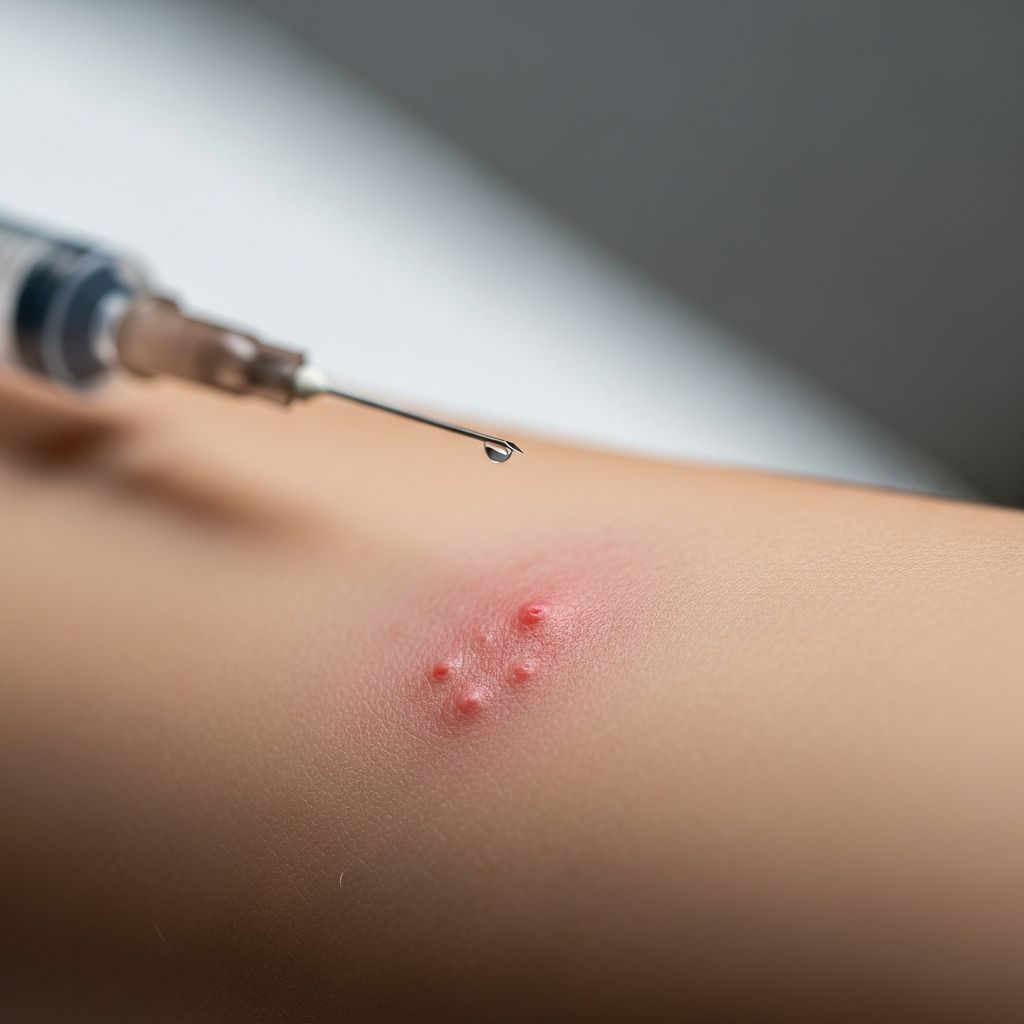
Insulin is a vital treatment for many people with diabetes, helping to manage blood sugar levels effectively. However, like all medications, it can cause side effects. Most are mild and manageable, but it’s important to recognise and address them promptly to avoid complications.
This guide covers the most common insulin side effects, including hypoglycaemia (hypos), weight gain, and injection site reactions. We’ll explain what causes them, how to spot symptoms, and practical steps for prevention and treatment. Understanding these can help you use insulin safely and confidently.
Hypoglycaemia (hypos)
**Hypoglycaemia**, or a hypo, occurs when blood sugar levels drop too low, typically below 4mmol/L. It’s the most common side effect of insulin therapy, especially with intensive regimens targeting tight control.
Hypos happen because insulin lowers blood glucose, and factors like skipped meals, extra exercise, or alcohol can amplify this effect. Recent clinical trials show severe hypos increase as HbA1c targets tighten to ≤7%, with incidence rising significantly in intensive insulin groups.
Hypos symptoms
- sweating and shakiness
- trembling or anxiety
- confusion or difficulty concentrating
- fast heartbeat (palpitations)
- tingling lips
- blurred vision
- dizziness
- hunger
- pale skin
Symptoms can vary; some people, especially long-term users, may experience ‘hypo unawareness’ where warning signs are absent, raising risks of severe episodes leading to unconsciousness.
Treating hypos
Act quickly with the
15-15 rule
: consume 15g fast-acting carbs (e.g., glucose tablets, fruit juice), wait 15 minutes, recheck blood sugar. Repeat if needed. Follow with a longer-acting snack once levels rise.- Fast carbs (15g): 3-4 glucose tablets, 150ml fizzy drink (not diet), 5-6 jelly babies.
- Recovery snack: sandwich, biscuit with milk, fruit with yoghurt.
For severe hypos, use glucagon injection if available; call 999 if unresponsive.
Preventing hypos
Monitor blood sugar regularly, especially before driving or bed. Adjust doses with healthcare team for exercise, illness, or alcohol. Carry hypo treatments always. Trials like ACCORD and VADT link frequent hypos to higher mortality risk, underscoring prevention.
Weight gain
Weight gain is a frequent side effect, often 2-5kg initially, due to insulin improving glucose uptake into cells, reducing calorie loss in urine. Intensive therapy exacerbates this, with studies showing progressive increases and waist circumference growth, potentially worsening insulin resistance.
In type 2 diabetes, adding insulin to oral agents led to notable gains in trials like 4-T, alongside hypos. For type 1, it contributes to metabolic syndrome in 30-40% of cases.
Managing weight gain
- Monitor diet: balance carbs, prioritise protein/veg.
- Exercise regularly: 150min moderate activity weekly.
- Discuss dose optimisation with your team.
- Consider metformin combo for type 2 to mitigate.
Track weight and waist; aim for steady control over rapid loss.
Injection site reactions
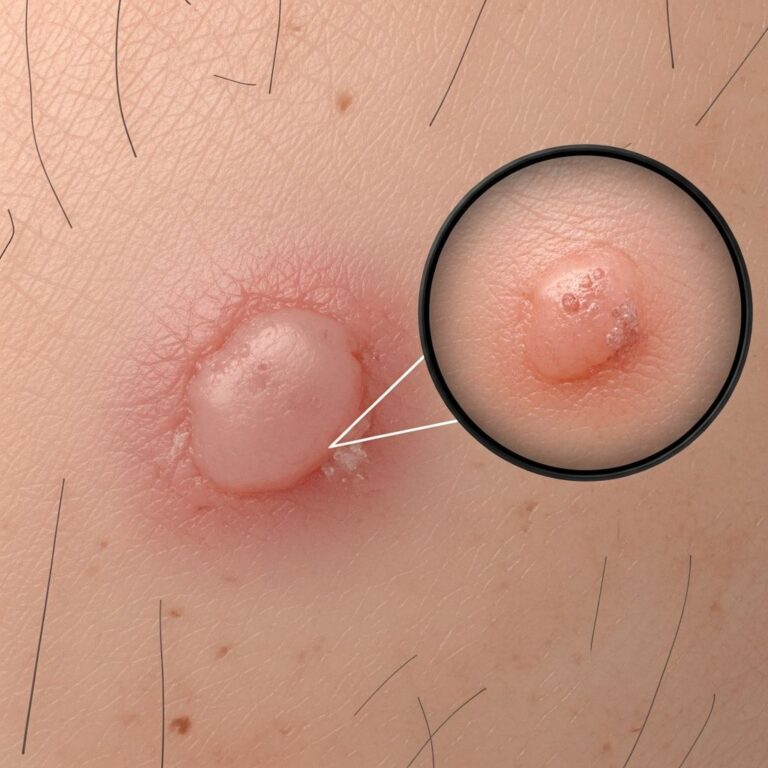
Local reactions at injection sites are common early on, affecting skin where insulin is administered. They usually resolve in weeks as body adjusts.
Symptoms
- redness, swelling, itching
- lumps (lipohypertrophy from poor rotation)
- pain or bleeding
Related Stories



Prevention and treatment
- Rotate sites: abdomen, thighs, arms, buttocks.
- Use correct technique: 90-degree angle, right needle length.
- Clean skin; avoid scarred areas.
- For lumps, avoid injecting there; massage gently.
Lipohypertrophy absorbs insulin poorly, risking erratic control. Allergic reactions are rare but serious; consult GP for swelling/itching beyond sites.
Other side effects
Less common issues include:
- Blurred vision: temporary from lens swelling as sugars stabilise; resolves 4-8 weeks.
- Nausea/vomiting: early adjustment or allergy sign.
- Fatigue: from poor control or hypos.
Rarely, insulin links to mitogenic effects raising cancer concerns, though evidence mixed; selective use advised. Long-term intensive use shows no vascular superiority over alternatives.
When to get help
Seek urgent care for:
- severe/persistent hypos or unawareness.
- injection site infections (pus, fever).
- allergic signs: widespread rash, breathing issues.
- uncontrolled sugars despite adjustments.
Contact diabetes team for ongoing issues; never stop insulin abruptly.
Living with insulin side effects
Most side effects diminish over time with good habits. Education, monitoring, and team support key. Apps/trackers aid hypo prediction. Balanced lifestyle counters weight gain.
Research advances like once-weekly insulins may reduce burdens. Stay informed; regular reviews optimise therapy.
Frequently asked questions
Can insulin cause weight gain?
Yes, commonly due to better glucose use. Manage via diet/exercise/dose tweaks.
How do I treat a hypo?
15g fast carbs, wait 15min, recheck. Glucagon for severe.
What if I have injection site lumps?
Rotate sites; avoid lumps. Improves absorption.
Are insulin allergies common?
Rare; mild local ok, but see GP for severe.
Does insulin increase cancer risk?
Potential mitogenic effects noted, but evidence inconclusive.
References
- Common Side Effects of Diabetes Medication — London Diabetes Centre. 2023. https://londondiabetes.com/news-and-events/common-side-effects-of-diabetes-medication/
- Side effects of long-acting insulin — NHS. 2024-01-28. https://www.nhs.uk/medicines/insulin/long-acting-insulin/side-effects-of-long-acting-insulin/
- Insulin: Potential Negative Consequences of Early Routine Use — Diabetes Care (American Diabetes Association). 2011-06-24. https://diabetesjournals.org/care/article/34/Supplement_2/S225/27928/Insulin-Potential-Negative-Consequences-of-Early
- Insulin: Potential Negative Consequences (PMC) — PMC (NIH). 2013. https://pmc.ncbi.nlm.nih.gov/articles/PMC3632184/
- Insulin Side Effects — Diabetes.co.uk. 2024. https://www.diabetes.co.uk/insulin/insulin-side-effects.html
Similar Articles








Read full bio of Sneha Tete