Proper Insulin Storage: Temperature Guidelines and Best Practices
Essential storage practices to maintain insulin potency and ensure effective diabetes management
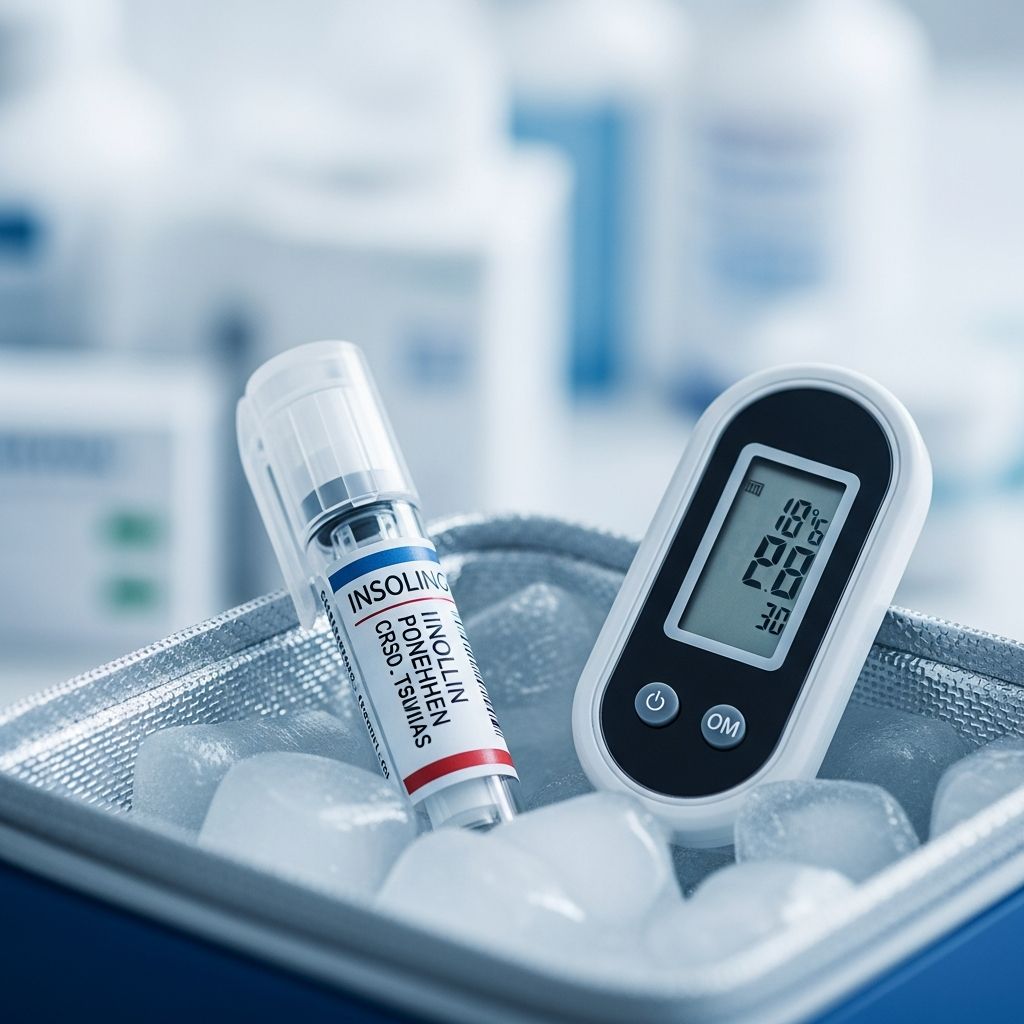
Insulin represents one of the most critical medications for individuals managing diabetes, yet its effectiveness depends significantly on proper storage conditions. Unlike many medications that remain stable across a range of temperatures, insulin is a temperature-sensitive therapeutic agent that requires careful attention to environmental conditions. Understanding and implementing correct storage practices ensures that this vital medication maintains its potency and continues to work effectively when administered. This comprehensive guide outlines the essential principles and practical strategies for storing insulin safely and maintaining its therapeutic value.
Understanding Why Temperature Control Matters for Insulin Stability
Insulin is a biological protein that undergoes structural changes when exposed to inappropriate temperatures. These molecular alterations compromise the medication’s ability to regulate blood sugar levels effectively, potentially leading to inadequate glycemic control and serious health complications. The protein structure of insulin is delicate and sensitive to environmental stressors, making temperature consistency crucial for maintaining the medication’s intended biochemical function. When insulin is stored outside recommended temperature ranges, whether exposed to excessive heat or freezing conditions, the protein molecules denature and lose their ability to interact properly with insulin receptors in the body.
Temperature fluctuations create additional challenges beyond simple exposure to heat or cold. Repeated warming and cooling cycles can gradually diminish insulin’s effectiveness even if individual temperature readings remain within acceptable ranges. This is why maintaining consistent, controlled storage environments is more important than simply ensuring that temperature extremes are avoided. Understanding this scientific foundation helps patients and healthcare providers recognize why storage guidelines exist and motivates adherence to these critical recommendations.
Refrigerated Storage Requirements for Unopened Insulin Supplies
Unopened insulin vials, pens, and cartridges should be stored in a refrigerator maintained at temperatures between 36°F and 46°F (2°C to 8°C). This temperature range provides optimal preservation conditions that maintain insulin potency until the manufacturer’s expiration date listed on the packaging. When insulin is properly refrigerated within this range, the medication sustains its full therapeutic effectiveness for the entire duration specified by the manufacturer, often extending one to three years depending on the specific insulin formulation and product line.
The refrigerator placement warrants specific attention. Insulin should never be stored in the freezer compartment, as temperatures below freezing cause insulin crystals to form, permanently damaging the medication’s molecular structure. Once frozen, insulin cannot be salvaged or reconstituted; it must be discarded immediately and replaced. Additionally, insulin should be positioned away from the back wall of the refrigerator where temperature fluctuations are most extreme and freezing is more likely to occur. Many healthcare providers recommend storing unopened insulin supplies in the main refrigerator compartment, preferably in a dedicated location on an interior shelf rather than on door shelves where temperature variations are more pronounced.
Room Temperature Guidelines for In-Use Insulin
Once insulin has been opened for use, storage requirements shift to accommodate practical patient needs. Opened insulin bottles, pens, or reservoirs can be maintained at room temperature within the range of 59°F to 86°F (15°C to 30°C). This flexibility allows patients to carry their insulin conveniently throughout the day without requiring constant refrigeration, though maintaining moderate temperatures within this range remains essential for preserving effectiveness.
The duration for which opened insulin remains viable at room temperature depends on the specific delivery system and formulation. Most insulin products supplied in manufacturer-original vials or pens maintain efficacy for a maximum of 28 days after opening at room temperature. After 28 days, even if the insulin appears normal and has not exceeded temperature limits, the medication should be discarded and replaced with a fresh supply. Writing the opening date directly on the insulin vial or pen provides a simple but effective method for tracking this critical timeline.
Related Stories



Some patients prefer storing their in-use insulin in the refrigerator despite the convenience of room-temperature storage, particularly when they anticipate extended periods between insulin uses. This approach is acceptable and actually extends the usable duration of opened insulin. However, many patients find that cold insulin causes discomfort during injection, making room-temperature storage preferable from a comfort perspective. Providers often suggest a balanced approach: store the current insulin bottle at room temperature for daily use while maintaining backup supplies in refrigeration.
Environmental Protection: Shielding Insulin from Heat and Light Exposure
Beyond temperature management, insulin requires protection from direct sunlight and excessive heat sources. Exposing insulin to direct sunlight accelerates protein degradation through ultraviolet radiation exposure, reducing medication effectiveness even if temperature remains within acceptable ranges. Insulin should never be stored on windowsills, in vehicle glove compartments, or in other locations with direct sun exposure.
Heat exposure represents an equally serious threat to insulin stability. Temperatures exceeding 86°F (30°C) initiate chemical changes that reduce insulin’s potency, and temperatures above 98.6°F (37°C) necessitate immediate insulin disposal, even if the medication was otherwise stored properly. This is particularly important for patients traveling in warm climates, driving in hot vehicles, or spending time in sun-exposed environments. During transportation, insulin should be placed in insulated containers that maintain stable temperatures without relying on freezing gel packs that might cause localized freezing.
Specialized Storage Considerations for Insulin Pump Users
Patients using insulin pumps face additional storage complexities because insulin is transferred from manufacturer vials into pump reservoirs, creating modified storage scenarios. When insulin is removed from its original vial for pump use, it should be used within two weeks and discarded thereafter, regardless of expiration dates on the original container. This shorter timeframe reflects increased contamination risk and temperature exposure during the transfer and storage process in non-original containers.
Insulin contained within pump infusion sets—including the reservoir, tubing, and catheter components—requires even more stringent guidelines. This insulin should be discarded after 48 to 72 hours, even when stored at appropriate temperatures. Additionally, if the insulin reservoir or infusion set experiences temperature exposure exceeding 98.6°F, the entire contents must be discarded immediately to prevent administration of degraded insulin that may not provide adequate glycemic control.
Inspecting Insulin Before Administration
Visual inspection provides an important quality control step before each insulin administration. Insulin appearance varies by type: clear insulin solutions should remain transparent without cloudiness, while cloudy or milky insulin formulations (such as NPH insulin) should appear uniformly cloudy without settling or separation. Any insulin displaying clumps, crystalline particles, discoloration, or unusual appearance should not be used, as these changes indicate protein denaturation or contamination that compromises safety and effectiveness.
Establishing an inspection routine ensures that degraded insulin is identified and discarded before administration. This practice is particularly important for insulin that may have experienced temperature exposure or has been stored for extended periods. Even if the insulin has not exceeded recommended storage timeframes, any visual abnormalities warrant disposal and replacement with fresh medication.
Traveling and Transporting Insulin Safely
Travel scenarios present unique storage challenges because maintaining consistent temperature control becomes difficult outside home or clinical settings. When traveling by air, insulin should be packed in carry-on luggage rather than checked baggage, as cargo holds experience temperature fluctuations that may damage the medication. During road trips, insulin should be stored in insulated cooling containers designed specifically for medication transport, not in vehicle glove compartments where temperatures can exceed safe limits.
For travel in warm climates or during outdoor activities, insulated containers with cooling elements maintain appropriate temperatures without freezing insulin. High-quality cooling cases often include temperature monitoring capabilities that alert users to temperature deviations, providing additional security during extended trips. When traveling internationally, patients should research local insulin availability and storage options at their destination, as some regions may have limited refrigeration access requiring advance planning.
Expiration Date Management and Inventory Planning
Every insulin container displays an expiration date indicating the last day the unopened product maintains full potency. Using insulin beyond this date risks inadequate glycemic control because the medication’s effectiveness cannot be guaranteed. Establishing a system for tracking expiration dates—such as noting dates on calendars or setting phone reminders—helps prevent accidental use of expired insulin.
For patients purchasing multiple insulin supplies at once to achieve cost savings, a rotation system ensures older inventory is used first. Store extra unopened bottles in the refrigerator while keeping the current bottle at room temperature, then transition to refrigerated backups as current supplies deplete. This approach maintains medication freshness while capitalizing on bulk purchase benefits.
Emergency Situations and Alternative Storage Scenarios
During emergencies or natural disasters when standard refrigeration becomes unavailable, insulin can remain effective at room temperatures between 59°F and 86°F for up to 28 days. While this extended room-temperature stability provides a safety buffer during temporary refrigeration loss, patients should prioritize restoring proper storage conditions as quickly as possible. Emergency preparedness planning should include identifying backup cooling options, such as coolers, ice packs, or alternative refrigeration sources that could maintain insulin during prolonged outages.
Medications Requiring Modified Storage Guidelines
Some insulin formulations and insulin-like medications may have manufacturer-specific storage recommendations that differ from standard guidelines. Patients should always consult their product package inserts or speak with their pharmacist about any insulin products with unique storage requirements. Certain combination products or concentrated insulin formulations may specify alternative temperature ranges or handling procedures that supersede general recommendations.
Key Storage Quick Reference Table
| Storage Scenario | Temperature Range | Duration | Special Notes |
|---|---|---|---|
| Unopened Insulin (Refrigerated) | 36-46°F (2-8°C) | Until expiration date | Maintain consistent temperature; avoid freezer |
| Opened Insulin (Room Temperature) | 59-86°F (15-30°C) | Maximum 28 days | Mark opening date on container |
| Insulin Pump Reservoir | Appropriate range | 48-72 hours | Discard if exposed to >98.6°F |
| Modified/Diluted Insulin | Appropriate range | Two weeks maximum | Use consistent storage procedures |
Frequently Asked Questions About Insulin Storage
Can I store insulin in my bathroom medicine cabinet?
Bathroom storage is generally not recommended because bathrooms experience significant temperature and humidity fluctuations, particularly during showers. Kitchens provide more stable, controlled environments suitable for insulin storage.
What should I do if my insulin accidentally freezes?
Frozen insulin cannot be restored or salvaged and must be discarded immediately. Once insulin crystals form from freezing, the protein structure is permanently damaged. Replace with a fresh supply from refrigerated backup inventory.
Is cloudy appearance always a sign that insulin has been damaged?
Not necessarily. Some insulin formulations are naturally cloudy and should maintain that appearance. However, if clear insulin becomes cloudy or cloudy insulin becomes clear, this indicates damage and the medication should be discarded.
How should I travel with insulin on airplanes?
Pack insulin in carry-on luggage with room-temperature storage if the flight is short, or use insulated containers for longer trips. Checked baggage experiences extreme temperature variations that may damage insulin. Inform TSA agents about insulin supplies; these are permitted in carry-on bags.
Can I reuse insulin bottles or pens after they are empty?
No. Insulin bottles and pens are single-use devices designed for one patient and one insulin formulation. Reusing containers risks cross-contamination and compromises dose accuracy. Dispose of used containers according to medical waste protocols.
Summary: Essential Storage Principles
Proper insulin storage depends on understanding and implementing several interconnected principles. Unopened supplies require consistent refrigeration between 36-46°F, while opened supplies can function at room temperature (59-86°F) for up to 28 days. Protection from freezing, excessive heat, direct sunlight, and environmental extremes preserves medication potency. Insulin pump users face additional restrictions requiring disposal of pump-based insulin within 48-72 hours regardless of temperature stability. Regular visual inspection, expiration date monitoring, and emergency preparedness planning complete a comprehensive storage strategy that maintains insulin effectiveness and ensures optimal diabetes management outcomes.
References
- Insulin and syringes – storage and safety — Florida Department of Health Quality Assurance. 2024. https://quality.healthfinder.fl.gov/health-encyclopedia/HIE/60/000962
- The Insulin Supply Chain: A Guide for Transport & Storage — Sensitech. 2024. https://www.sensitech.com/en/blog/blog-articles/blog-insulin-supply-chain.html
- Safe Storage of Insulin — American Diabetes Association. 2018. https://diabetes.org/sites/default/files/2023-10/ddrc-storing-insulin-2018.pdf
- Insulin Storage Guide — Wisconsin Department of Health Services, Division of Quality Assurance. 2023. https://www.dhs.wisconsin.gov/publications/p01904.pdf
- Insulin Storage and Syringe Safety — American Diabetes Association. 2024. https://diabetes.org/health-wellness/medication/insulin-storage-and-syringe-safety
- Storage and expiration of insulin — SIU Medicine. 2024. https://www.siumed.org/resource-guide/storage-and-expiration-insulin
- Information Regarding Insulin Storage and Switching Between Products in Emergency — U.S. Food and Drug Administration. 2024. https://www.fda.gov/drugs/emergency-preparedness-drugs/information-regarding-insulin-storage-and-switching-between-products-emergency
Similar Articles








Read full bio of Sneha Tete