Insulin and Type 2 Diabetes: Treatment Options
Understanding insulin therapy for type 2 diabetes: when it's needed and how it works.
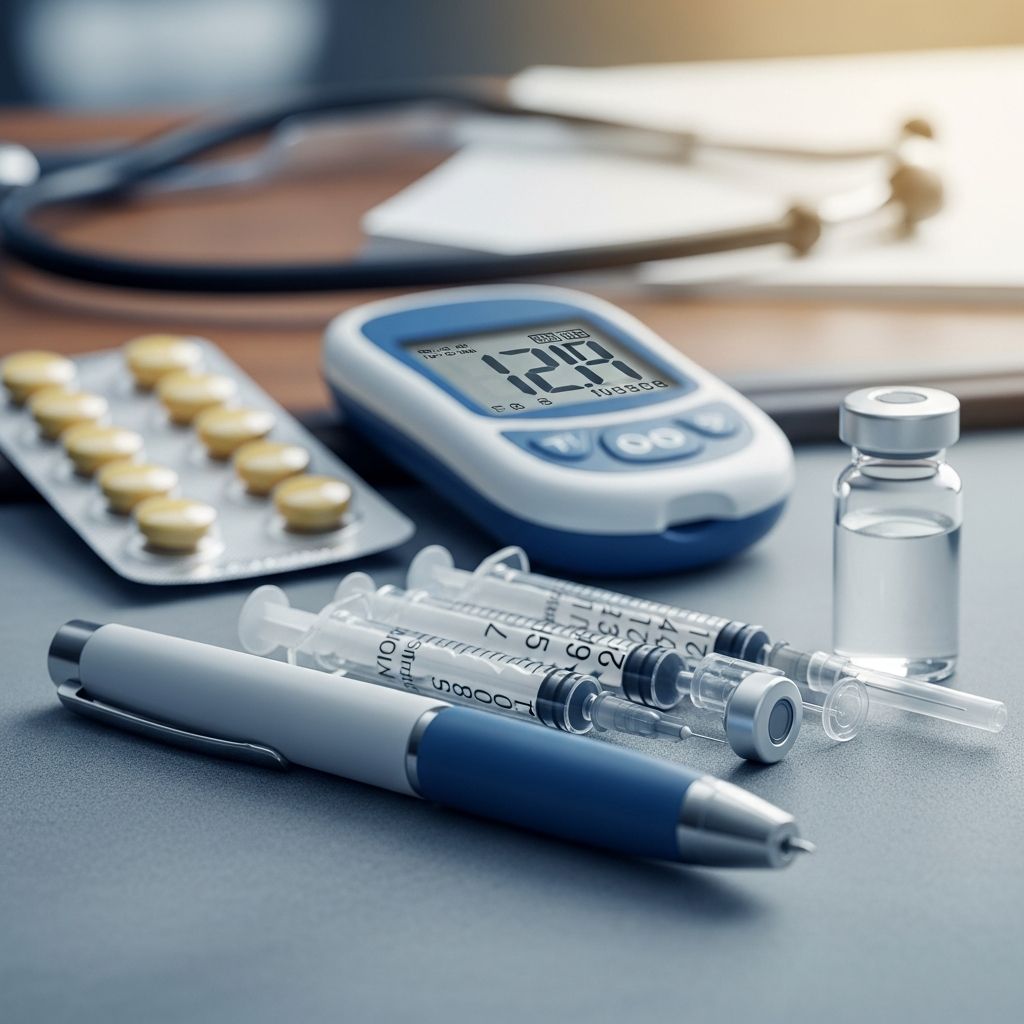
Insulin and Type 2 Diabetes: Understanding Your Treatment Options
Insulin is an important medication used to help manage blood sugar levels in people with type 2 diabetes. If you have recently been prescribed insulin or are considering this treatment option, it’s essential to understand how insulin works, when it may be needed, and what to expect from this form of therapy. This guide provides comprehensive information about insulin treatment for type 2 diabetes to help you make informed decisions about your health.
What is Insulin?
Insulin is a hormone naturally produced by your pancreas that helps regulate blood sugar levels in your body. When you have type 2 diabetes, your body either doesn’t produce enough insulin or the insulin it produces doesn’t work effectively—a condition known as insulin resistance. Insulin therapy helps compensate for this by providing the additional insulin your body needs to manage glucose levels effectively.
Insulin is one of the main treatments prescribed to help people with diabetes manage their blood sugar levels and reduce the risk of serious health complications[10]. By taking insulin as directed by your healthcare team, you can maintain better blood glucose control and protect your long-term health.
Why Insulin is Used for Type 2 Diabetes
Type 2 diabetes develops when your body becomes resistant to insulin or when your pancreas cannot produce sufficient insulin to meet your body’s needs. Initially, when insulin resistance develops, the pancreas responds by producing more and more insulin to help compensate. However, over time, the pancreas can become worn out and start producing less insulin. This gradual decline in insulin production may mean you need to use insulin as a treatment.
It’s important to understand that needing insulin doesn’t mean you haven’t managed your diabetes well. Requiring insulin therapy is not a sign of failure or poor diabetes management. Rather, it reflects the progressive nature of type 2 diabetes and represents a medical decision to use the most appropriate treatment for your individual circumstances.
How Common is Insulin Use in Type 2 Diabetes?
Around one in four people with type 2 diabetes take insulin. This statistic highlights that insulin therapy is a common and established treatment approach for managing this condition. If you have type 2 diabetes and are prescribed insulin, it does not mean you have developed type 1 diabetes—you still have type 2 diabetes, but your treatment approach has been adjusted to better manage your blood sugar levels.
When You May Need Insulin
Insulin therapy may be recommended at different stages of your type 2 diabetes journey:
- At diagnosis: When you’re first diagnosed with type 2 diabetes, you may not need to use insulin straight away unless your blood sugar levels are very high.
- When blood sugar is dangerously high: Insulin can be used as a short-term treatment to help quickly bring down your blood sugar levels when they reach dangerous levels.
- When other medications haven’t worked: You may need to start insulin as a treatment if other medications haven’t helped manage your blood sugar levels or are not appropriate for you.
- In medical emergencies: If you have dangerously high blood sugar levels and are experiencing DKA (diabetic ketoacidosis) or HHS (hyperosmolar hyperglycemic state), you will need to go to hospital where insulin, replacement fluids, and nutrients will be given by intravenous drip.
Related Stories



The decision to start insulin therapy is always made in consultation with your healthcare team, who will assess your individual circumstances and determine if insulin is the right treatment choice for you.
Types of Insulin for Type 2 Diabetes
People who need insulin for type 2 diabetes usually take one of several different types, depending on their individual needs. Understanding these options can help you work with your healthcare team to find the most suitable regimen.
Long-Acting or Intermediate-Acting Insulin
Your doctor or care team will usually recommend intermediate-acting insulin (brand names Humulin I or Insulatard) as a starting point for many people with type 2 diabetes. This type of insulin is taken once or twice a day and provides steady glucose control throughout the day.
Long-acting insulin (brand names Levemir, Lantus, Toujeo, Tresiba, Semglee, or Abasaglar) may be recommended if you:
- Often experience low blood sugar (hypoglycaemia or hypos)
- Need help from a carer to take injections
You’ll usually take long-acting insulin once a day. This type of insulin provides continuous glucose coverage and may be preferable for people who need more stable blood sugar control or require assistance with injections.
Rapid-Acting or Short-Acting Insulin
If a long-acting or intermediate-acting insulin alone doesn’t lower your blood glucose sufficiently, your doctor or care team will recommend adding a second type of insulin that works more quickly. These rapid-acting or short-acting insulins are taken before meals to help control post-meal blood sugar spikes.
Your healthcare provider may recommend:
- Rapid-acting insulin (brand names NovoRapid, Fiasp, Trurapi, Admelog, Humalog, Lyumjev, or Apidra)
- Short-acting insulin (brand names Actrapid or Humulin S)
These insulins work quickly to help manage blood glucose after meals, providing better overall blood sugar control when combined with long-acting or intermediate-acting insulin.
Biphasic (Mixed) Insulin
If you need both intermediate and rapid-acting insulin, your doctor or care team might recommend a mixed insulin instead of separate injections. Biphasic insulin combines both types in one injection, reducing the number of injections you need to take.
You’ll take biphasic insulin before meals, 1 to 3 times a day. This approach is less flexible than taking separate types of insulin but means you need fewer injections overall. Brand names include NovoMix, Humalog Mix, and Humulin M3.
Why Long-Acting Insulins are Common in Type 2 Diabetes
Intermediate or long-acting insulins are more likely to be prescribed for people with type 2 diabetes. This is because people with type 2 diabetes still produce some of their own insulin, meaning these longer-acting insulins are sometimes sufficient on their own without the need for additional rapid-acting bolus insulin. This differs from type 1 diabetes, where both basal and bolus insulin coverage are typically required.
The Benefits of Insulin Therapy
Insulin helps you manage your blood sugar levels, which is really important in reducing your risk of future diabetes complications. By maintaining better blood glucose control through insulin therapy, you can reduce your risk of serious short-term and long-term health problems associated with diabetes, including heart disease, kidney disease, eye problems, and nerve damage.
In addition to providing effective blood sugar management, insulin is a medication that can help keep you as healthy as possible. It represents one of the most appropriate and evidence-based treatment choices available for managing type 2 diabetes when other medications have not provided adequate control.
Insulin Resistance and Your Treatment
If you inject insulin as a treatment for your diabetes and have insulin resistance, it’s important to understand that this doesn’t mean you are resistant to that specific brand or type of insulin. However, you may need to increase your doses to cover the same amount of carbohydrate you were managing before.
To help make your insulin more effective, your healthcare team might suggest starting other medications such as metformin alongside your insulin. Metformin is the most common treatment for type 2 diabetes and can help reduce insulin resistance whether you have type 1 or type 2 diabetes.
Emerging Insulin Treatments
Medical research continues to advance the options available for insulin therapy. Recent clinical trials have tested new once-weekly insulin options for type 2 diabetes. A large study tested a new insulin that could reduce the burden of frequent injections by requiring just one injection per week instead of daily injections.
In this trial involving 795 adults with type 2 diabetes starting basal insulin for the first time, those receiving once-weekly basal insulin had their doses adjusted every four weeks using one of four fixed levels depending on their blood sugar levels. The findings suggest that once-weekly basal insulin injections could be an effective and safe alternative to daily basal insulin injections. These developments may offer simpler, more manageable treatment options for people with type 2 diabetes in the future.
Managing Your Insulin Therapy
Successful insulin therapy requires proper injection technique, consistent timing, and regular monitoring of your blood sugar levels. Your healthcare team will provide training on how to inject insulin safely and effectively. It’s important to follow your prescribed insulin regimen closely, as missing doses can lead to dangerously high blood sugar levels and serious long-term health complications.
Regular communication with your healthcare provider is essential. You may need dose adjustments based on your blood sugar readings, changes in your diet, exercise routine, or other life circumstances. Many people find that insulin therapy, once they become comfortable with the routine, becomes an important tool in maintaining their overall health and well-being.
Frequently Asked Questions
Q: Does needing insulin mean my type 2 diabetes is getting worse?
A: Needing insulin doesn’t mean you haven’t managed your diabetes well or that your condition has necessarily worsened. It simply reflects that your pancreas is producing less insulin over time, which is a natural progression of type 2 diabetes. Insulin is another medication that can help keep you as healthy as possible.
Q: If I start insulin, will I always need it?
A: Not necessarily. Insulin can sometimes be used as a short-term treatment to quickly bring down very high blood sugar levels. Your doctor will work with you to determine the best long-term treatment approach based on your individual circumstances.
Q: Will starting insulin mean I have type 1 diabetes?
A: No. If you have type 2 diabetes and are prescribed insulin, you still have type 2 diabetes—your treatment has simply been adjusted. Type 1 and type 2 diabetes are different conditions. Using insulin does not change your diagnosis.
Q: What is the fastest way to treat dangerously high blood sugar?
A: Insulin is the fastest way to treat high blood sugar levels. If you have dangerously high blood sugar levels and are in DKA or HHS, you will need hospital treatment where insulin, replacement fluids, and nutrients will be given by intravenous drip.
Q: Can I take metformin with insulin?
A: Yes. Metformin can be taken with insulin and may help improve insulin’s effectiveness by reducing insulin resistance. Your healthcare team will determine if this combination is appropriate for you.
Q: How often will I need to inject insulin?
A: The frequency depends on the type of insulin prescribed. Long-acting or intermediate-acting insulin is typically taken once or twice a day, while rapid-acting insulin is taken before meals. Some newer options may allow for once-weekly injections.
Q: Are there different brands of insulin available?
A: Yes. There are multiple brand options within each category of insulin, and your healthcare team will help you choose the one most suitable for your needs.
References
- Type 2 Diabetes Treatments — Diabetes UK. 2024. https://www.diabetes.org.uk/about-diabetes/type-2-diabetes/treatments
- Insulin for Type 2 Diabetes — NHS. 2024. https://www.nhs.uk/medicines/insulin/insulin-for-type-2-diabetes/
- Diabetes Treatments — Diabetes UK. 2024. https://www.diabetes.org.uk/about-diabetes/looking-after-diabetes/treatments
- Diabetes Tablets and Medication — Diabetes UK. 2024. https://www.diabetes.org.uk/about-diabetes/looking-after-diabetes/treatments/tablets-and-medication
- Insulin and Type 2 Diabetes — Diabetes UK. 2024. https://www.diabetes.org.uk/about-diabetes/looking-after-diabetes/treatments/insulin/type-2-diabetes
- Once-Weekly Insulin for Type 2 and Beta Cell Therapy for Type 1: ADA Research — Diabetes UK. 2025. https://www.diabetes.org.uk/about-us/news-and-views/once-weekly-insulin-type-2-and-beta-cell-therapy-type-1-ada-research
- What is Insulin? — Diabetes UK. 2024. https://www.diabetes.org.uk/about-diabetes/looking-after-diabetes/treatments/insulin/what-is-insulin
Similar Articles








Read full bio of medha deb