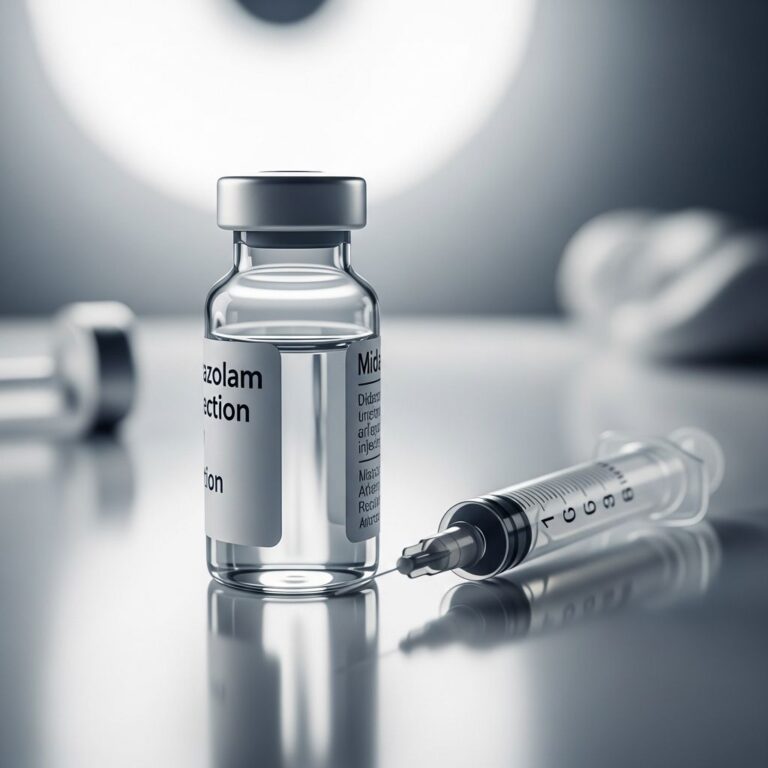
Insulin: Types, How to Use and Side Effects
Complete guide to insulin therapy: understanding types, administration, and managing diabetes effectively.

What is Insulin?
Insulin is a hormone made naturally in your body by the pancreas. It helps to control the levels of sugar (glucose) in your blood. Think of insulin as a key that opens the doors of the cells in your body. Once insulin opens your cell doors, glucose can leave your bloodstream and move into your cells where you use it for energy. Insulin is secreted into the blood at each meal and allows the body to use glucose as energy to fuel basic daily functions like moving and breathing.
Without enough insulin, glucose can’t get into your cells and instead builds up in your blood. This leads to high blood sugar and diabetes. The pancreas normally produces the right amount of insulin to maintain healthy blood sugar levels, but in people with diabetes, this process is disrupted.
Why Insulin Therapy is Important
Insulin therapy often is an important part of diabetes treatment. It helps keep blood sugar under control and prevents diabetes complications. Learning how insulin affects your blood sugar can help you better manage your condition.
If you have type 1 diabetes, the pancreas stops making insulin. With type 2 diabetes, the pancreas doesn’t make enough insulin. And in some people with diabetes, insulin does not work well. To stay well and healthy with type 1 diabetes, you will need insulin injections for the rest of your life. Some people with type 2 diabetes may also need to have insulin injections to help control blood sugar levels.
Goals of Insulin Therapy
The primary goals of insulin therapy are clear and straightforward:
- Insulin therapy keeps your blood sugar within your target range
- It helps prevent serious complications
- If you have type 1 diabetes, you need insulin therapy to stay healthy as it replaces the insulin your body doesn’t make
- If you have type 2 diabetes, insulin therapy might be part of your treatment when healthy-lifestyle changes and other diabetes treatments don’t control your blood sugar well enough
Different Types of Insulin
Insulin is usually injected under the skin between 2-4 times a day. There are different types of insulin available which are classified according to how quickly and for how long they work. Your doctor or diabetes nurse will discuss the various preparations and devices available and help you choose a regimen that is right for you.
Understanding Insulin Characteristics
Insulin has three key characteristics that determine how it works in your body:
- Onset is the length of time before insulin reaches the bloodstream and begins lowering blood glucose
- Peak time is the time during which insulin is at maximum strength in terms of lowering blood glucose
- Duration is how long insulin continues to lower blood glucose
Rapid-Acting Analogue Insulin
Rapid-acting insulins are ideal for use before meals. If taken with a meal, they can help bring blood sugar back down to the baseline. They also blunt the sugar spikes after you eat. They start to work much faster than long-acting or intermediate-acting insulins do. Sometimes, rapid-acting insulins begin working in as few as 5 to 15 minutes, but they work for a much shorter time. Rapid-acting insulin lasts about 2 to 3 hours.
Related Stories



Rapid-acting analogue insulin can be injected just before, with or after food. It tends to last between 2 and 5 hours and only lasts long enough for the meal at which it is taken.
Short-Acting Insulin
Short-acting insulin should be injected 15-30 minutes before a meal, to cover the rise in blood-glucose levels that occurs after eating. Short-acting insulin lasts about 3 to 6 hours. It has a peak action of 2-6 hours and can last for up to eight hours.
Short-acting (regular insulin) starts the action in 30 to 40 minutes and peaks in 90 to 120 minutes. The duration of action is 6 to 8 hours. Patients take these agents before meals, and food is necessary within 30 minutes after its administration to avoid hypoglycemia.
Medium-Acting and Long-Acting Insulin
These are taken once or twice a day to provide background insulin or in combination with short-acting insulins/rapid-acting analogues. Their peak activity is between 4 and 12 hours and can last up to 30 hours.
When you’re not eating, your liver releases glucose so your body has energy. Long-, ultralong- or intermediate-acting insulin prevents blood sugar levels from rising without eating.
Intermediate-acting insulins (NPH) start the action in 1 to 4 hours and peak in 4 to 8 hours. Dosing is usually twice a day and helps maintain blood sugar levels throughout the day.
Long-Acting Analogue Insulin
This is usually injected once a day to provide background insulin lasting approximately 24 hours.
Pre-Mixed Insulin
Sometimes, insulin-makers combine two types of insulin. This is called pre-mixed insulin. It can be helpful for people who have trouble using more than one type of insulin. Pre-mixed insulin often starts to work in 5 to 60 minutes. It can keep working for 10 to 16 hours.
Mixed insulin is a combination of medium-acting and short-acting insulin. Mixed analogue is a combination of medium-acting insulin and rapid-acting analogue.
Inhaled Insulin
Inhaled insulin begins working within 12 to 15 minutes, peaks by 30 minutes, and is out of your system in 180 minutes. The main type available is the Technosphere insulin-inhalation system (Afrezza).
Choosing the Right Insulin for You
The type of insulin or device that you are prescribed will be tailored to your needs. It may consist of one or more types of insulin and the amounts you use will be carefully chosen to suit you. Factors that help determine which types of insulin you need and how much you need include:
- The type of diabetes you have
- Your blood sugar levels
- How much your blood sugar levels change during the day
- Your lifestyle
It is very important that you use the same product each time unless your doctor or diabetes nurse tells you otherwise. Your doctor or nurse will discuss the various insulin types and devices with you and help you choose a treatment regimen that suits you.
How to Use Insulin
Most people take 2-4 injections of insulin each day. The type and amount of insulin you need may also vary each day, depending on what you eat and the amount of exercise you do.
Your doctor or diabetes nurse will give a lot of advice and instruction on how and when to take the insulin. Be aware that different preparations of insulin vary in terms of when they start working and how long they last. Be sure to read the instructions that come with your insulin. And follow any directions from your health care team.
Insulin is not absorbed in the gut (intestine) so it needs to be injected rather than taken as tablets.
Insulin Pump Therapy
Continuous subcutaneous insulin infusion (CSII) therapy, also known as insulin pump therapy, provides some advantages over multiple daily injections (MDIs) in type 1 diabetes, both for children and adults. CSII therapy is particularly useful for patients with recurrent hypoglycaemia, unpredictable lives, delayed meals or pre-breakfast hyperglycaemia.
The insulin used in pumps may be soluble or a fast-acting analogue. Note that there have been two anecdotal case reports of insulin lispro precipitating in pumps: if users have unpredictable glucose fluctuations, they should consider changing to aspart or soluble insulin.
Managing Your Insulin Routine
Sometimes, using insulin therapy can be a challenge. But it’s an effective way to lower blood sugar. Talk to a member of your health care team if you have any trouble with your insulin routine. Ask for help right away if at-home glucose tests show that you have very low or very high blood sugar.
Your insulin or other diabetes medicines may need to be adjusted. With time, you can find an insulin routine that fits your needs and lifestyle. And that can help you lead an active, healthy life.
Potential Complications Without Adequate Insulin
A total lack of insulin for a prolonged time leads to a life-threatening complication called diabetes-related ketoacidosis (DKA). Many conditions can develop when you have a lack of natural insulin or too much.
Damage to your pancreas causes certain types of diabetes, like type 1 diabetes. Insulin resistance is the other major cause of diabetes and happens when cells in your muscles, fat and liver don’t respond as they should to insulin.
Treatment Considerations for Type 2 Diabetes
Some people — but not all — with Type 2 diabetes need insulin to best manage the condition. There are several other types of medications for Type 2 diabetes, like oral medications and GLP-1 agonist injections. These medications combat insulin resistance in different ways.
If insulin resistance is severe, these medications may not be enough to maintain healthy blood sugar levels. This is when you’d need insulin. The appropriate insulin regimen for each patient with diabetes will depend on their type of diabetes and their individual needs and circumstances.
Long-Term Insulin Therapy
Treatment with insulin is usually lifelong. If you have type 1 diabetes, you will require insulin therapy throughout your life to maintain proper blood sugar control and prevent serious health complications. Even if you have type 2 diabetes and start using insulin, it may become a permanent part of your treatment regimen depending on your individual circumstances.
Frequently Asked Questions
Q: How quickly does insulin start working?
A: The onset of insulin varies depending on the type. Rapid-acting insulin begins working in as few as 5 to 15 minutes, while short-acting insulin takes 30 to 40 minutes. Long-acting insulins take 1 to 4 hours or longer to begin working.
Q: Do I need to take insulin if I have type 2 diabetes?
A: Not everyone with type 2 diabetes requires insulin. Your doctor will recommend insulin if healthy-lifestyle changes and other diabetes treatments don’t control your blood sugar well enough or if insulin resistance is severe.
Q: Can insulin be taken as a tablet instead of an injection?
A: No, insulin cannot be taken as a tablet because it is not absorbed in the gut (intestine). It must be injected under the skin to be effective.
Q: How many times a day do I need to take insulin?
A: Most people take 2-4 injections of insulin each day. The exact number depends on your type of diabetes, blood sugar levels, and lifestyle. Your doctor will determine the best schedule for you.
Q: Will I need insulin therapy for the rest of my life?
A: If you have type 1 diabetes, yes, insulin therapy is lifelong. With type 2 diabetes, insulin may be temporary or permanent depending on your individual circumstances and how well other treatments control your blood sugar.
Q: What happens if insulin is not properly managed?
A: Without adequate insulin management, blood sugar levels can become dangerously high or low. Prolonged lack of insulin can lead to a life-threatening condition called diabetes-related ketoacidosis (DKA).
References
- Diabetes treatment: Using insulin to manage blood sugar — Mayo Clinic. 2024. https://www.mayoclinic.org/diseases-conditions/diabetes/in-depth/diabetes-treatment/art-20044084
- Insulin Basics — American Diabetes Association. 2024. https://diabetes.org/health-wellness/medication/insulin-basics
- What is insulin, and what are the different types? — Patient.info. 2024. https://patient.info/diabetes/type-1-diabetes/insulins
- Insulin Regimens — Patient.info. 2024. https://patient.info/doctor/endocrine-disorders/insulin-regimens
- Type 1 Diabetes: Symptoms, Diagnosis, and Treatment — Patient.info. 2024. https://patient.info/diabetes/type-1-diabetes
- Insulin — Cleveland Clinic. 2024. https://my.clevelandclinic.org/health/body/22601-insulin
- Insulin — NCBI Bookshelf. 2024. https://www.ncbi.nlm.nih.gov/books/NBK560688/
Similar Articles








Read full bio of Sneha Tete