Intense Pulsed Light Therapy: Non-Invasive Skin Treatment
Comprehensive guide to IPL therapy: How flashlamp technology treats skin conditions effectively.
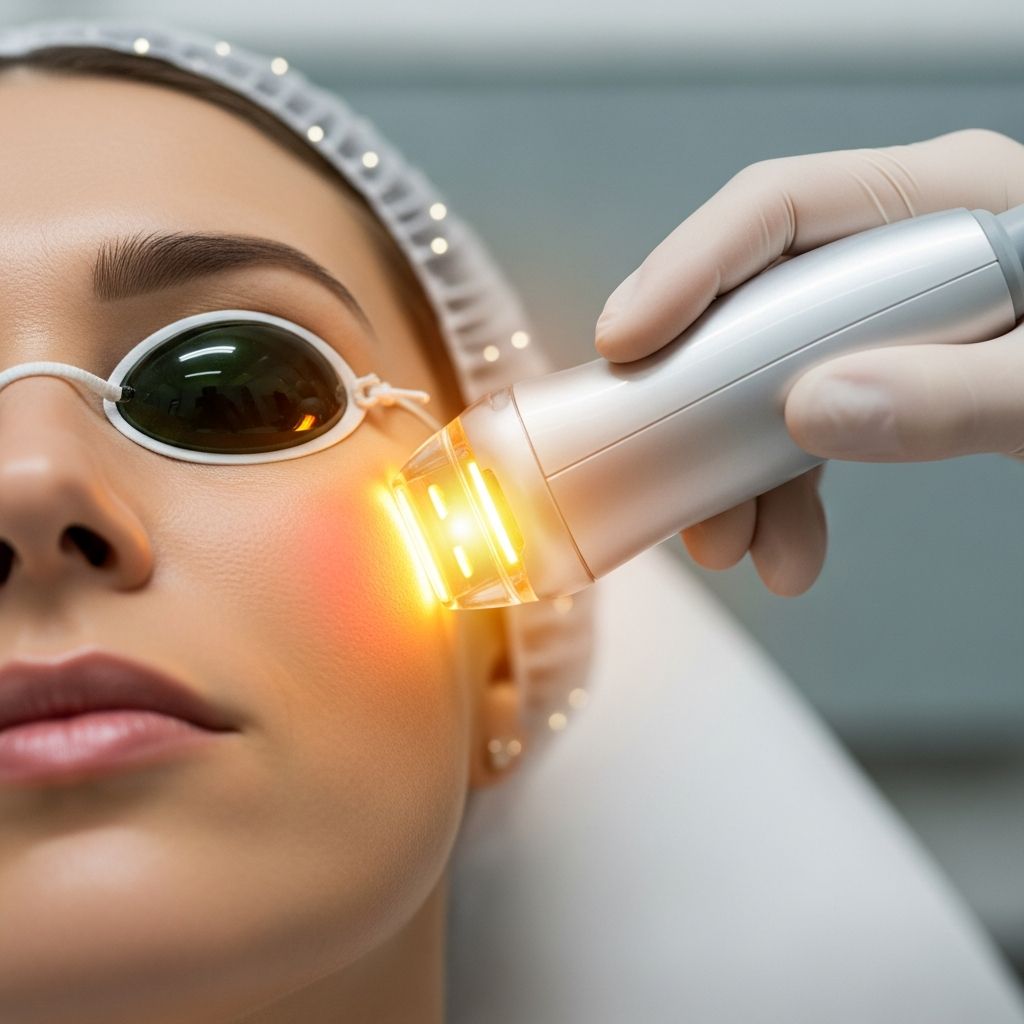
Intense Pulsed Light Therapy (IPL, Flashlamp)
Intense pulsed light (IPL) or flashlamp therapy is a non-invasive and non-ablative treatment that uses high-intensity pulses of visible light to address a wide range of dermatological conditions. Unlike laser treatments, IPL systems deliver multiple wavelengths of light in a single pulse, making them exceptionally versatile for treating various skin concerns without damaging surrounding tissue. This technology has evolved significantly since the 1990s, becoming one of the most widely utilized modalities in modern dermatology for both functional and cosmetic skin conditions.
How IPL Works
IPL systems operate on fundamental phototherapy principles similar to lasers but with distinct advantages. The technology uses flashlamps to emit polychromatic light within a wavelength spectrum of approximately 400 to 1400 nanometers. This broad spectrum is one of the key features that distinguishes IPL from conventional laser treatments, which emit a single wavelength.
The mechanism of action involves selective photothermolysis, a process where light energy is absorbed by specific target molecules in the skin called chromophores. Chromophores are skin components that absorb light of specific wavelengths and convert that energy into heat. When the light energy reaches these target cells, it is converted to thermal energy, causing selective damage to the specific treatment area while sparing surrounding tissue.
The wavelength delivered to the patient can be adjusted using cut-off filters, which allow clinicians to target particular chromophores more effectively. Different wavelengths penetrate to varying depths within the skin: longer wavelengths (around 1000 nm) penetrate more deeply into the dermis and can target larger blood vessels and deeper lesions, while shorter wavelengths (500-600 nm) interact more readily with epidermal and dermal melanin and are effective for smaller caliber vessels.
An important feature of IPL technology is the use of micro-pulses, which allow epidermal cells and smaller vessels to cool down between pulses while retaining heat in larger vessels. This selective cooling mechanism results in thermal damage to target vessels without excessive damage to surrounding structures, reducing the risk of adverse effects.
Adjustable Treatment Parameters
One of the primary advantages of IPL devices is their high degree of customization. Healthcare providers can adjust multiple parameters to optimize treatment for individual patients:
- Fluence: The energy density delivered per unit area, measured in joules per square centimeter
- Pulse duration: The length of each light pulse, typically ranging from milliseconds to microseconds
- Spot size: The area of skin treated with each pulse, affecting penetration depth and coverage
- Filter wavelength: Selection of specific wavelengths to target particular chromophores
- Frequency: The number of treatment sessions required, typically 3 to 6 treatments spaced 2 to 4 weeks apart for optimal results
This versatility allows IPL to effectively treat various lesions and skin types with customized protocols, making it an invaluable tool in dermatological practice.
Clinical Applications and Conditions Treated
IPL therapy has demonstrated effectiveness across a broad spectrum of dermatological conditions. The technology is now considered safe and effective for treating multiple skin concerns, from pigmented lesions to vascular abnormalities and photoaging signs.
Pigmented Lesions
IPL effectively addresses various pigmented skin conditions by targeting melanin, the primary chromophore in these lesions. Treatable conditions include:
- Melasma: Symmetrical brown patches, typically on the face
- Solar lentigines: Age spots or liver spots resulting from sun exposure
- Ephelides: Freckles caused by genetic predisposition and sun exposure
- Dyspigmentation: Uneven skin tone and discoloration
Related Stories



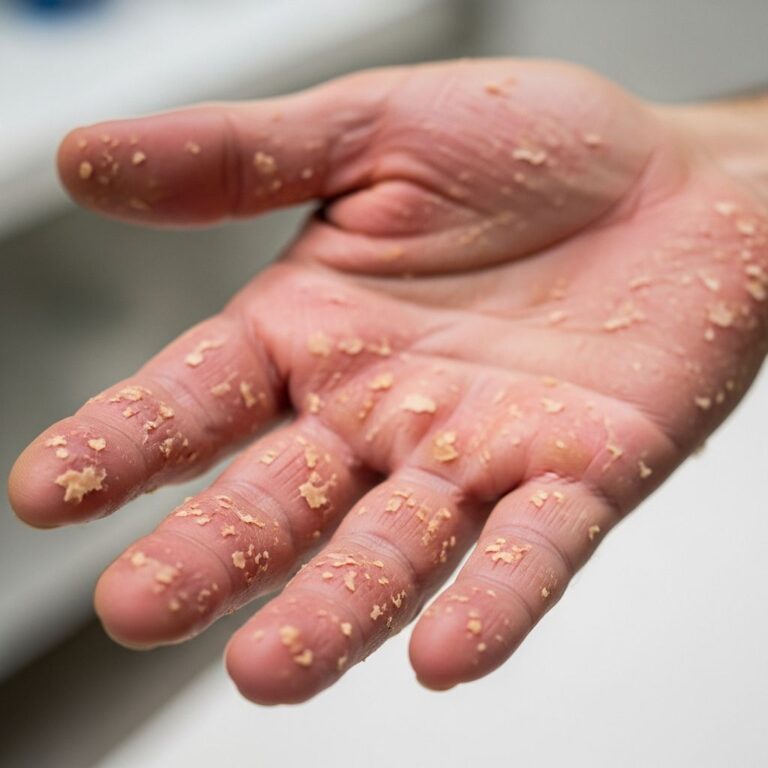
During treatment, the bright light penetrates the epidermis, targeting pigment-producing cells and dispersing uneven pigmentation. The absorbed light energy causes melanin to break down; over time, pigmented areas darken and rise to the skin surface, forming a coffee-ground-like texture that naturally flakes off, revealing more even-toned skin.
Vascular Lesions and Conditions
IPL effectively treats various vascular conditions by targeting hemoglobin, another important chromophore. These include:
- Telangiectasias: Small dilated blood vessels visible on the skin surface
- Port-wine stains: Congenital vascular malformations appearing as dark red patches
- Hemangiomas: Benign tumors composed of blood vessel tissue
- Spider veins: Small, branching vascular lesions typically on the legs
- Facial redness: Associated with conditions like rosacea
The light energy selectively heats and cauterizes overactive capillaries, reducing their appearance and improving skin tone.
Photoaging and Skin Rejuvenation
IPL effectively addresses multiple signs of photoaging, including wrinkles, skin coarseness, laxity, and overall texture irregularities. The mechanism involves stimulation of collagen and elastic fiber production through thermal heating of collagen fibers, which causes them to constrict and subsequently regenerate. This photomodulatory effect based on fibroblast regeneration leads to skin that appears smoother, firmer, and more youthful.
IPL also provides a lifting effect on periocular and facial structures, improving skin tone, texture, and luminosity while reducing fine lines and wrinkles.
Hair Removal
IPL is an effective option for reducing unwanted hair. The light targets melanin in hair follicles, permanently reducing hair growth with repeated treatments. This application has made IPL popular for both facial and body hair removal.
Specialized Applications
Recent advances have expanded IPL applications beyond traditional dermatology. IPL is now used to treat dry eye disease and meibomian gland dysfunction, with devices employing specialized filters (such as 650nm, 520nm, and 800nm filters) for different therapeutic purposes. The antimicrobial effect of IPL—acting directly against Demodex mites or indirectly inhibiting bacterial proliferation—makes it valuable for conditions like ocular rosacea.
Treatment Advantages and Benefits
IPL therapy offers several significant advantages compared to other dermatological treatment options:
- Non-invasive and non-ablative: Treats skin conditions without incisions or removal of skin layers
- Minimal pain and recovery: Gentle treatment with typically minimal discomfort and quick recovery time
- Versatile wavelength range: Ability to treat multiple conditions with a single device through filter adjustments
- Cumulative effects: Lesion clearance improves with repeated treatments, with optimal results after 3-6 sessions
- Broad applicability: Can be performed on various body areas including face, neck, chest, shoulders, back, arms, and legs
- Minimal tissue damage: Selective targeting of chromophores preserves surrounding healthy tissue
- Improved affordability: Increased technology accessibility has made IPL more cost-effective than some alternative treatments
Treatment Considerations
Patient Selection and Skin Type
IPL effectiveness depends on several patient factors. The technology works optimally when there is good contrast between target chromophores and surrounding tissue. Healthcare providers must consider skin type, pigmentation level, and the nature of the condition being treated. Modern IPL systems with interchangeable filters can accommodate various skin types more effectively than earlier generations.
Treatment Frequency and Duration
Most patients require multiple treatment sessions for optimal results. The cumulative effect of pulsed light means that full clinical benefit typically emerges after 3 to 6 treatments scheduled 2 to 4 weeks apart. This spacing allows adequate healing time between sessions while maintaining momentum toward desired outcomes.
Results Timeline
Results are not immediate. The body typically eliminates damaged pigmented cells within 7 to 14 days through natural exfoliation or lymphatic system clearance. Collagen remodeling takes longer, with progressive skin tightening and texture improvement occurring over weeks and months following treatment completion.
Clinical Efficacy
Clinical research demonstrates substantial efficacy for IPL therapy across multiple indications. Studies show an average of 70 percent improvement in signs of sun damage, including redness and brown spots. The versatility of IPL technology, combined with adjustable treatment parameters, has established it as an invaluable tool in modern dermatology for addressing both functional and cosmetic skin concerns.
Safety and Complications
While IPL is generally considered safe, potential complications exist, though they are minimized in the hands of qualified dermatologists. Practitioners must implement standardized safety protocols to avoid post-treatment complications and should work collaboratively with interprofessional team members to ensure clear understanding of indications, patient concerns, and posttreatment care plans.
Patients should receive clear guidance on post-treatment care, including sun protection and skin care recommendations, to optimize results and minimize risks.
IPL vs. Laser Therapy
While IPL and laser therapies share common principles, important distinctions exist. IPL systems deliver multiple wavelengths in each pulse, whereas lasers emit a single wavelength. This fundamental difference makes IPL more versatile for treating multiple conditions but potentially less precise for very specific indications. The choice between IPL and laser therapy depends on the specific condition, desired precision, and treatment goals. Healthcare providers should differentiate between conditions where IPL or laser energy is optimal, considering factors such as pigmentation and vascularity.
Filtering Technology
The use of bandpass filters is crucial to IPL effectiveness. These filters refine energy output for treatment of certain areas, enhancing penetration without using excessive energy levels. Different filter options enable targeting of specific chromophores:
- Low cut-off filters (500-600 nm): Effectively treat smaller caliber vessels and superficial pigmentation
- Medium filters (650 nm): Treat meibomian gland dysfunction in all skin types
- Shorter wavelength filters (520 nm): Target Demodex mites more efficiently
- Longer wavelength filters (800-1000 nm): Treat vascular lesions and stimulate collagen production for deeper skin tightening effects
Technology Evolution
IPL technology has advanced significantly since its introduction in the 1990s. Modern systems feature higher-intensity flashlamps, improved cut-off filters, and enhanced cooling systems that enable safer and more effective treatment. These technological improvements have expanded the range of treatable conditions and improved outcomes across diverse patient populations.
Frequently Asked Questions
Q: Is IPL treatment painful?
A: IPL treatment typically causes minimal discomfort, often described as mild warmth or slight snapping sensations. Most patients tolerate the procedure well without anesthesia, though topical anesthetic creams may be used for sensitive areas.
Q: How long do IPL results last?
A: Results from IPL therapy are generally long-lasting, particularly for vascular and pigmented lesions. However, results depend on the condition treated and ongoing sun exposure. Maintenance treatments may be recommended annually or as needed to preserve results.
Q: Can IPL be used on all skin types?
A: Modern IPL systems with adjustable filters can treat various skin types effectively. However, individuals with very dark skin may have greater risk of complications. Healthcare providers should carefully assess skin type and adjust treatment parameters accordingly.
Q: What is the recovery time after IPL treatment?
A: Recovery time is typically minimal. Patients may experience mild redness or slight swelling that resolves within hours to a few days. Most patients can return to normal activities immediately after treatment with appropriate sun protection.
Q: How many IPL treatments are needed?
A: Most conditions require 3 to 6 treatments spaced 2 to 4 weeks apart for optimal results. The exact number depends on the condition severity, skin type, and individual response to treatment.
Q: Can IPL treat acne scars?
A: Yes, IPL can help improve the appearance of acne scarring by stimulating collagen production and improving skin texture through photomodulatory effects.
References
- Intense Pulsed Light (IPL) from Dermatology to Ophthalmology — Dermatology Journal. 2024. https://www.dermatoljournal.com/articles/intense-pulsed-light-ipl-from-dermatology-to-ophthalmology.html
- Intense Pulsed Light (IPL) Therapy – StatPearls — National Center for Biotechnology Information (NCBI) Bookshelf. 2024. https://www.ncbi.nlm.nih.gov/books/NBK580525/
- Intense Pulsed Light Treatment Overview — Central Austin Dermatology & Aesthetics. 2024. https://centralaustinderm.com/photofacial-treatment/
- Intense Pulsed Light Therapy (IPL, Flashlamp) — DermNet. 2024. https://dermnetnz.org/topics/intense-pulsed-light-therapy
- How Does Intense Pulsed Light (IPL) Treatment Work? — Art of Dermatology. 2024. https://artofdermatology.com/intense-pulsed-light-ipl-treatment-work/
- Intense Pulsed Light Therapy — Ohio State Wexner Medical Center. July 12, 2024. https://www.youtube.com/watch?v=vn0v_KSRYfo
- Intense Pulsed Light Therapy for Aging Skin — American Society of Dermatologic Surgeons (ASDS). 2024. https://www.asds.net/skin-experts/skin-treatments/laser-light-therapy/intense-pulsed-light-therapy-for-aging-skin
Similar Articles








Read full bio of Sneha Tete