Intensive Care Unit (ICU): Complete Guide to Critical Care
Understanding ICU care: monitoring, treatment, and what to expect in critical care.
Understanding the Intensive Care Unit (ICU)
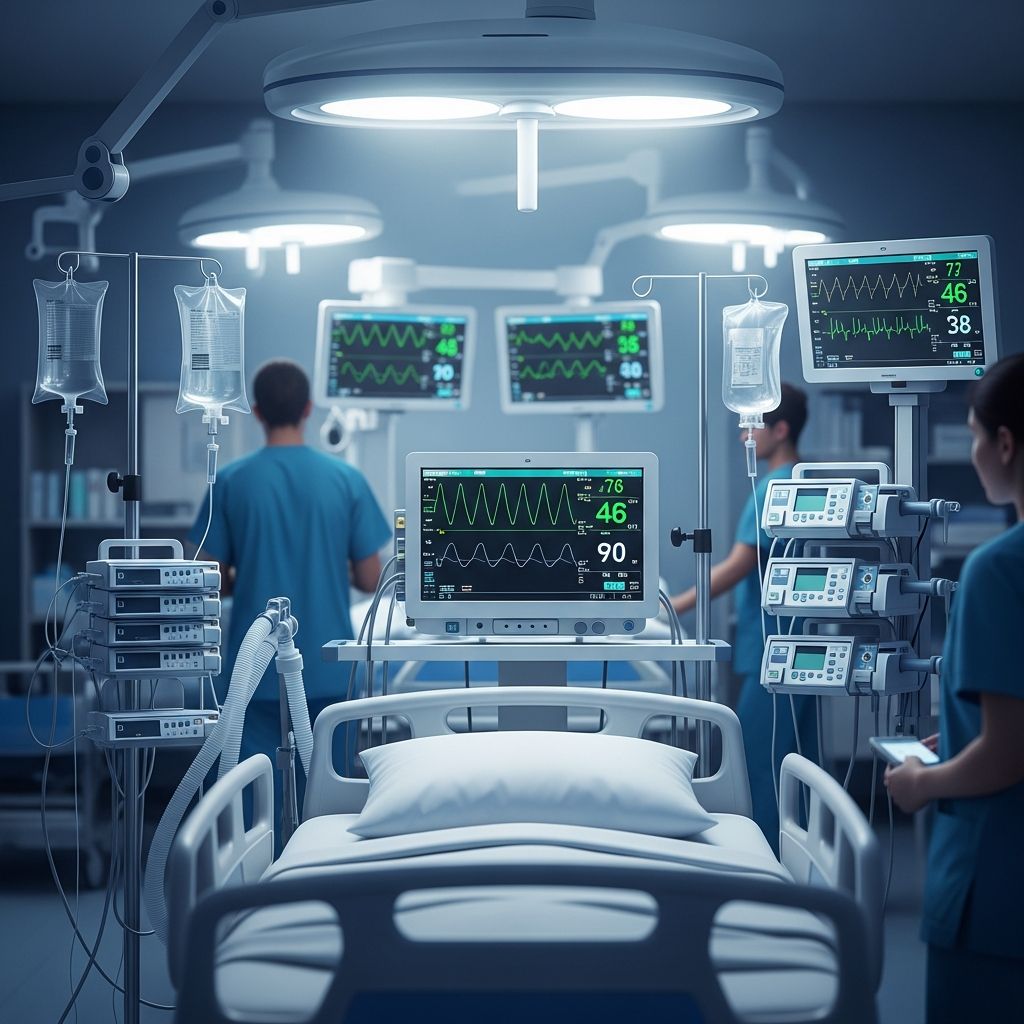
The intensive care unit (ICU) is a specialized hospital department designed to provide round-the-clock monitoring and treatment for patients with serious, life-threatening illnesses or injuries. An ICU is a critical care environment where patients receive constant surveillance and advanced medical interventions to stabilize their conditions and support vital organ functions. Healthcare providers may transfer you to the ICU directly from an emergency room or another hospital unit if your health rapidly declines, or you may be admitted to the ICU following a major surgical procedure. Being in the ICU is serious, and it represents a critical phase of medical care where specialized healthcare providers work intensively to manage and reverse life-threatening conditions.
What Is an Intensive Care Unit?
An intensive care unit is a special area within a hospital or healthcare facility dedicated to caring for individuals experiencing life-threatening medical emergencies or severe injuries. Patients in the ICU require specialized healthcare providers who continuously monitor their health status and provide immediate treatment interventions. Unlike standard hospital floors, ICUs maintain significantly higher staffing ratios and operate with advanced technological infrastructure to support critical care delivery.
The primary purpose of an ICU is to manage patients who have sustained or are at immediate risk of experiencing failure of one or more vital functions, systems, or organs. This includes patients requiring mechanical ventilation, hemodynamic support, or specialized medication management. The care provided may be necessary for periods ranging from hours to days, weeks, or even months, depending on the severity of the underlying condition and the patient’s recovery trajectory.
Types of Intensive Care Units
Hospitals typically maintain multiple specialized ICU departments tailored to specific patient populations and clinical conditions. Major medical centers like Cleveland Clinic operate several distinct ICU types:
Surgical Intensive Care Unit (SICU): The SICU serves patients with acute perioperative management needs or post-operative complications. This unit cares for individuals following major surgical procedures, including those recovering from organ transplantation (liver, kidney, or small bowel), general and colorectal surgery, orthopedic procedures, urologic surgery, and ENT operations. Critical care in the SICU is directed by attending physicians board-certified in critical care medicine.
Cardiovascular Intensive Care Unit (CVICU): The CVICU provides specialized care for patients who have undergone cardiac, thoracic, or vascular surgery. Large medical centers operate the CVICU as one of the most resource-intensive departments, with facilities managing up to 95 beds and supporting over 19,000 patient days annually. Clinical management is shared between board-certified intensivists and cardiovascular surgeons, enabling comprehensive postoperative care including ventilatory support, sedation management, nutritional support, and hemodynamic monitoring.
Medical Intensive Care Unit (MICU): The MICU manages patients with severe medical illnesses and respiratory complications. Leading medical centers maintain large MICUs with 64 or more beds across multiple nursing units, handling over 4,300 admissions annually and staffed by board-certified intensivists providing 24-hour in-house coverage.
Coronary Intensive Care Unit: This specialized unit focuses on patients with acute cardiac conditions, including those experiencing myocardial infarction or severe arrhythmias requiring continuous cardiac monitoring and intervention.
The ICU Care Team
Intensive care units function as multidisciplinary environments where multiple healthcare specialties collaborate to provide comprehensive patient care. The core ICU team includes:
Physicians: Board-certified critical care physicians, intensivists, and specialists from various disciplines (cardiology, pulmonology, surgery, anesthesiology, neurology) work together to manage complex medical conditions. Major ICU programs employ 50 or more physicians with diverse training backgrounds.
Related Stories



Nursing Staff: Intensive care nurses provide bedside care, with each ICU nurse typically caring for only one to two patients at a time, far below the standard hospital floor ratio. This higher nurse-to-patient ratio enables constant monitoring and immediate response to patient needs. Large hospital systems employ 91 or more acute care nurse practitioners across their ICU services.
Respiratory Therapists: These specialized professionals manage mechanical ventilation, airway management, and respiratory support. Major medical centers employ 92 or more respiratory therapists dedicated to ICU care. Respiratory therapists also provide care in step-down units and specialized areas like cardiac accelerated recovery units.
Other Healthcare Professionals: The ICU team also includes pharmacists, nutritionists, physical therapists, occupational therapists, social workers, and chaplains who contribute specialized expertise to patient care and family support.
Multidisciplinary Care Approach
Multidisciplinary care is a core principle of modern intensive care, wherein a coordinated group of healthcare providers specializing in conditions affecting different body systems work collaboratively. This approach ensures comprehensive evaluation and treatment addressing multiple aspects of complex critical illnesses. For example, a patient with multiple organ dysfunction may simultaneously receive cardiology consultation, pulmonology expertise for mechanical ventilation, nephrology input for kidney support, and infectious disease guidance for sepsis management.
The collaborative structure of ICU care enables staff to manage all aspects of postoperative and critical patient management, including ventilatory support, sedation protocols, nutritional management, and hemodynamic monitoring. Intensivists and nurse practitioners also coordinate consulting service recommendations from various specialists, ensuring integrated and efficient patient care.
Advanced Monitoring Equipment
Intensive care units utilize sophisticated technology to continuously monitor vital functions and provide life-sustaining support. Common types of equipment found in ICUs include:
Cardiac Monitoring Systems: Continuous electrocardiography (ECG) monitors track heart rate, rhythm, and electrical activity. These systems alert healthcare providers to dangerous arrhythmias or other cardiac abnormalities requiring immediate intervention.
Mechanical Ventilators: External breathing machines provide respiratory support for patients unable to breathe adequately on their own. Modern ventilators offer multiple modes of support, from full mechanical ventilation to partial assisted breathing, and can be adjusted based on changing patient conditions.
Hemodynamic Monitoring Devices: Arterial lines, central venous catheters, and pulmonary artery catheters allow direct measurement of blood pressure, central venous pressure, and other hemodynamic parameters essential for managing critically ill patients.
Laboratory Equipment: Point-of-care testing devices enable rapid blood gas analysis, electrolyte measurement, and other laboratory values critical for real-time clinical decision-making.
Imaging Equipment: ICUs often have access to portable radiography, ultrasound, and other diagnostic imaging to assess patient conditions without requiring transport from the unit.
Extracorporeal Support Systems: Advanced ICUs may have access to extracorporeal membrane oxygenation (ECMO) and other mechanical circulatory support technologies for patients with severe cardiac or pulmonary failure.
Medications Used in ICU Care
Intensive care units employ a wide array of medications to manage critical illnesses and support vital functions. Common medication categories include:
Sedatives and Analgesics: Patients in the ICU are usually kept sedated to help manage pain and reduce anxiety. These medications allow mechanical ventilation tolerance and promote patient comfort during critical illness.
Vasopressors: These medications support blood pressure and tissue perfusion in patients experiencing shock or severe hypotension.
Antibiotics: Antibiotics are administered to control infection and prevent sepsis in critically ill patients. Broad-spectrum antibiotics may be initiated empirically and then tailored based on culture and sensitivity results.
Anticoagulants: Blood thinners are used to prevent blood clots and thromboembolism in immobilized ICU patients. These may be administered as prophylaxis or therapeutic agents depending on patient-specific risks and conditions.
Inotropes: These medications enhance cardiac contractility and are used in patients with cardiogenic shock or severe heart failure.
Neuromuscular Blocking Agents: Occasionally used to facilitate mechanical ventilation or manage specific critical conditions.
Insulin and Glucose Management: Tight glucose control is often essential in critically ill patients to improve outcomes and prevent complications.
Special Procedures Performed in the ICU
Many procedures traditionally requiring operating room transfer can now be performed at the bedside in modern ICUs. Intensivists and nurse practitioners perform a variety of bedside and fluoroscopic procedures, including:
Central Line Placement: Temporary and tunneled central venous catheters provide vascular access for medication administration and hemodynamic monitoring.
Arterial Line Insertion: Arterial lines enable continuous blood pressure monitoring and frequent blood sampling.
Pleural and Pericardial Drains: These procedures address fluid accumulation around lungs or heart.
Intubation and Airway Management: Emergency and planned intubations are performed to establish and secure airways.
ECMO Cannulation: Extracorporeal membrane oxygenation cannulas are placed for patients requiring mechanical circulatory and respiratory support.
The ability to perform these procedures within the ICU eliminates patient transport needs and facilitates timely completion of critical interventions.
What to Expect During an ICU Stay
An ICU admission represents a significant change in the hospital experience compared to standard floor care. The intensive care unit is a busy environment where all patients require close monitoring at a continuous basis. Healthcare providers work to make patients as comfortable as possible, though many find the activity, sounds, and smells overwhelming.
Compared to other hospital units, the ICU has fewer beds but higher intensity of care and monitoring. Visitor restrictions are stricter than standard floors—fewer people can visit, and visitors may need to turn off cell phones, avoid bringing food or flowers, and stay home if they are unwell. These restrictions protect vulnerable patients from infection and maintain the environment necessary for intensive care delivery.
Patients may experience disorientation or confusion due to illness severity, medications, sleep disruption from constant monitoring, and the stress of critical illness. Communication with family members occurs primarily through healthcare providers rather than direct patient interaction in many cases. Pain management is prioritized, and patients receive sedation to improve comfort and tolerance of life-sustaining equipment.
ICU Outcomes and Recovery
Modern intensive care units at leading medical centers have demonstrated significant capacity for managing critically ill populations and supporting recovery. Large referral centers admit over 4,300 patients annually to their medical ICUs alone, with approximately 27% of these patients transferred from outside hospitals to receive advanced specialized critical care. The ability to transport critically ill patients from anywhere in the world demonstrates the specialized expertise and capabilities available at major ICU programs.
Recovery trajectories vary significantly among ICU patients. Some patients require only hours of ICU-level care before transitioning to standard hospital floors, while others require weeks or months of intensive support. The multidisciplinary approach and advanced technology available in modern ICUs have substantially improved outcomes for many previously fatal conditions.
Family Support and Communication
ICU staff recognize the importance of family support during critical illness. Multidisciplinary teams include social workers and other professionals dedicated to family education and support. Clear communication about patient status, treatment plans, and prognosis helps families understand the critical nature of their loved one’s condition and participate in shared decision-making regarding care goals and interventions.
Frequently Asked Questions
Q: Why would someone be admitted to an ICU?
A: Patients are admitted to ICUs when they have life-threatening illnesses or injuries affecting one or more vital organ systems requiring specialized monitoring and treatment. This includes conditions such as severe sepsis, multiple organ failure, post-operative complications, severe trauma, or acute cardiac events.
Q: How long do people typically stay in the ICU?
A: ICU lengths of stay vary considerably depending on the underlying condition and patient response to treatment. Some patients require only hours of intensive care, while others need days, weeks, or occasionally months of ICU-level support.
Q: Can family members visit patients in the ICU?
A: Yes, though ICU visiting policies are more restrictive than standard hospital units. Visitors should check specific hospital policies regarding visiting hours, number of visitors allowed, and any restrictions regarding cell phone use or food/flowers.
Q: What is the role of mechanical ventilation in ICU care?
A: Mechanical ventilation provides breathing support for patients unable to maintain adequate ventilation on their own due to illness, injury, or medications. Ventilators can be adjusted to provide varying levels of support as patients recover.
Q: Who makes up the ICU care team?
A: The ICU team is multidisciplinary, including intensivists, nurses, respiratory therapists, pharmacists, nutritionists, social workers, and numerous medical specialists collaborating to provide comprehensive care.
Q: What types of monitoring occur in the ICU?
A: ICU monitoring includes continuous cardiac monitoring, blood pressure surveillance, oxygen saturation measurement, frequent laboratory testing, and assessment of multiple organ system functions.
References
- Department of Intensive Care & Resuscitation — Cleveland Clinic. 2024. https://my.clevelandclinic.org/departments/anesthesiology/depts/critical-care
- Intensive Care Unit | Cleveland Clinic Mercy Hospital — Cleveland Clinic. 2024. https://my.clevelandclinic.org/locations/mercy-hospital/specialties/intensive-care-unit
- Intensive Care Medicine (ICU) — Cleveland Clinic Abu Dhabi. 2024. https://www.clevelandclinicabudhabi.ae/en/institutes-and-specialties/integrated-hospital-care/intensive-care-medicine
- Medical Intensive Care Unit Outcomes — Cleveland Clinic Respiratory Institute. 2024. https://my.clevelandclinic.org/departments/respiratory/outcomes/369-medical-intensive-care-unit
- Intensive Care Unit (ICU) — Cleveland Clinic. 2024. https://my.clevelandclinic.org/health/articles/icu-intensive-care-unit
Similar Articles








Read full bio of Sneha Tete