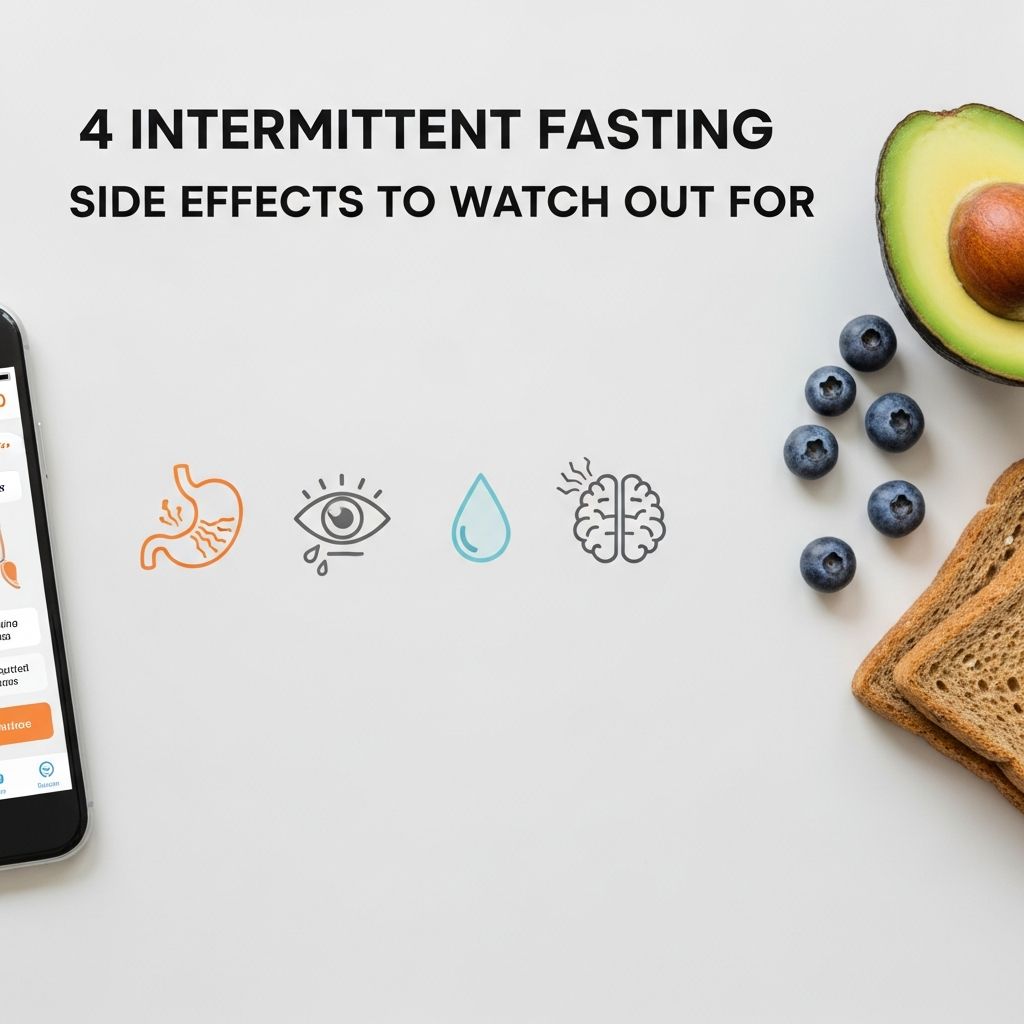
4 Intermittent Fasting Side Effects to Watch Out For
Discover the potential side effects of intermittent fasting and how to minimize risks.
Understanding Intermittent Fasting Side Effects
Intermittent fasting has gained considerable popularity as a weight loss and wellness strategy, with many individuals adopting various fasting protocols to achieve their health goals. However, like any significant dietary change, intermittent fasting comes with potential side effects that deserve careful consideration before starting this eating pattern. While some people tolerate fasting well, others experience unpleasant symptoms that can impact their daily functioning and overall well-being. Understanding these possible side effects is essential for making an informed decision about whether intermittent fasting is appropriate for your individual circumstances.
The side effects of intermittent fasting range from mild and temporary to more serious concerns that warrant medical attention. Some effects emerge during the adjustment period as your body adapts to the new eating schedule, while others may persist or develop over time. This comprehensive guide explores four primary side effects of intermittent fasting that you should monitor closely and discusses strategies for managing them effectively.
1. Headaches and Cognitive Difficulties
Among the most commonly reported side effects of intermittent fasting are headaches and impaired cognitive function. When you fast, your body experiences a significant shift in energy availability, which can trigger tension headaches or migraines, particularly during the initial adjustment period. These headaches often result from dehydration, electrolyte imbalances, or changes in blood sugar levels that occur during extended fasting periods.
Beyond headaches, many individuals report difficulty concentrating, brain fog, and reduced mental clarity during fasting windows. This cognitive impairment can make work, studying, or complex problem-solving challenging. The connection between fasting and cognitive issues relates to your brain’s energy requirements; even though the brain can adapt to using ketones for fuel during extended fasts, the transition period can cause temporary mental fatigue and reduced focus.
Managing cognitive side effects:
- Stay well-hydrated throughout your fasting and eating windows
- Ensure adequate electrolyte intake, including sodium, potassium, and magnesium
- Gradually transition into fasting rather than starting with extreme restrictions
- Consider scheduling demanding mental tasks during your eating windows
- Ensure you’re consuming sufficient calories during eating periods to support brain function
2. Irritability and Mood Changes
Intermittent fasting can significantly affect emotional regulation and mood stability. Many practitioners report increased irritability, anxiety, and mood swings during fasting periods. This emotional dysregulation stems from multiple physiological factors, including hormonal fluctuations, blood sugar instability, and the stress that fasting places on your body.
When you fast, your cortisol levels may increase as your body perceives the fasting state as a mild stressor. Additionally, neurotransmitters that regulate mood, such as serotonin, can be affected by changes in nutrient availability and blood glucose levels. The combination of these factors can result in increased irritability, heightened anxiety, and difficulty managing stress during fasting windows.
The emotional toll of intermittent fasting can create a negative cycle, where irritability makes it harder to maintain the fasting schedule, potentially leading to inconsistent adherence or abandonment of the practice altogether. For individuals with a history of mood disorders or those prone to emotional sensitivity, these effects may be particularly pronounced.
Related Stories



Strategies for managing mood changes:
- Practice stress-reduction techniques such as meditation or deep breathing during fasting periods
- Maintain regular physical activity, but avoid intense exercise during extended fasts
- Ensure adequate sleep, as poor sleep can amplify irritability and mood disturbances
- Consider a less restrictive fasting protocol if mood changes are severe
- Maintain social connections and avoid isolating yourself during difficult fasting periods
3. Physical Symptoms: Weakness, Fainting, and Dehydration
Extended fasting can result in various physical symptoms that compromise your ability to function normally. Weakness and fatigue are particularly common, as your body adjusts to utilizing stored energy reserves rather than regular food intake. This weakness can interfere with daily activities, exercise performance, and overall quality of life.
More concerning are episodes of fainting or dizziness, which indicate that blood pressure or blood sugar levels have dropped significantly. These symptoms pose a safety risk, especially if they occur while you’re driving, operating machinery, or in other potentially dangerous situations. Dehydration frequently accompanies intermittent fasting and can exacerbate weakness and dizziness while also contributing to headaches and cognitive difficulties.
Individuals taking medications for blood pressure or heart disease are at particularly increased risk for experiencing severe physical symptoms during fasting. The combination of medication effects and reduced caloric intake can lead to dangerous electrolyte imbalances and significant drops in blood pressure, making medical supervision essential for this population.
Addressing physical side effects:
- Break your fast with nutrient-dense, easily digestible foods rather than large meals
- Consume electrolyte-rich beverages during fasting periods to maintain proper hydration and mineral balance
- Avoid strenuous exercise during extended fasting windows
- Monitor blood pressure and blood sugar if you have relevant health conditions
- Consult with a healthcare provider before fasting if you take medications that require food intake
4. Disordered Eating and Eating Disorder Development
Perhaps the most serious potential side effect of intermittent fasting is its association with disordered eating patterns and the development of clinical eating disorders. Recent research has raised significant concerns about this relationship, particularly among adolescents, young adults, and individuals with existing vulnerabilities to eating disorders.
A Canadian study examining over 2,700 adolescents and young adults found that 47.7% of female participants, 38.4% of male participants, and 52% of transgender and gender non-conforming individuals reported using intermittent fasting in the previous year. Importantly, the study revealed that women showed the most consistent associations between intermittent fasting and disordered eating behaviors, with substantially higher rates of binge eating, food cravings, and eating disorder psychopathology among those practicing intermittent fasting compared to those who did not.
The risk becomes even more pronounced when individuals combine intermittent fasting with other restrictive dietary practices, such as low-carbohydrate diets. Research indicates that combining intermittent fasting with low-carb approaches substantially increases the likelihood of binge eating and food cravings compared to either intervention alone. This combination appears to create a unique risk environment that promotes disordered eating behaviors beyond the risks of traditional dieting.
The biological imperative to overeat following extended fasting periods can foster unhealthy eating behaviors and an excessive fixation on food. For susceptible individuals, this pattern can spiral into clinical eating disorders characterized by loss of control, shame, and serious health consequences.
Protecting yourself from disordered eating:
- Never adopt intermittent fasting if you have a personal or family history of eating disorders
- Avoid combining intermittent fasting with other restrictive dietary practices
- Monitor your thoughts and behaviors around food for signs of increasing preoccupation or loss of control
- Consider working with a registered dietitian experienced in eating disorder prevention
- Be particularly cautious if you’re an adolescent, young adult, or identify as female or gender diverse, as these groups show elevated risk
Who Should Not Practice Intermittent Fasting
Certain populations should avoid intermittent fasting entirely due to safety concerns and lack of adequate research in their specific circumstances. Healthcare providers recommend that the following groups abstain from fasting practices:
- Individuals with diabetes: Those managing blood sugar levels through medication require regular food intake to prevent dangerous hypoglycemia during fasting periods
- People with eating disorders: Anyone with a current or historical diagnosis of an eating disorder, including anorexia nervosa or bulimia nervosa, should never practice intermittent fasting
- Those taking certain medications: Individuals whose medications require food intake for proper absorption and efficacy should not fast without medical guidance
- Adolescents and children: Growing individuals require consistent nutrient intake to support development and should not restrict eating patterns
- Pregnant and breastfeeding women: These populations have significantly increased nutritional needs that intermittent fasting cannot adequately support
- Individuals with blood pressure or heart disease: Those managing cardiovascular conditions are at increased risk for serious complications from fasting-related electrolyte imbalances
Important Considerations Before Starting Intermittent Fasting
If you’re considering intermittent fasting, it’s crucial to approach this dietary change thoughtfully and with proper preparation. First, consult with your healthcare provider, particularly if you have any existing health conditions, take medications, or have a personal or family history of eating disorders. Your doctor can assess whether intermittent fasting is appropriate for your individual circumstances and can provide guidance on how to minimize side effects.
Research also suggests that the effectiveness of intermittent fasting for weight loss is comparable to traditional calorie restriction, with no significant advantage in terms of weight loss outcomes or adherence rates. A systematic review of 40 studies found that intermittent fasting typically resulted in a weight loss of 7 to 11 pounds over 10 weeks, which is similar to conventional dieting approaches. Additionally, dropout rates for intermittent fasting ranged from 0% to 65%, showing considerable variability and suggesting that this approach isn’t necessarily easier to maintain than other weight loss methods.
If you do proceed with intermittent fasting, start gradually rather than implementing extreme restrictions immediately. Begin with a less restrictive protocol, such as a 12-hour overnight fast, and gradually extend the fasting window as your body adapts. This gradual approach allows you to monitor for side effects and adjust your practice accordingly.
Pay close attention to how you feel during fasting periods. While some hunger and mild discomfort are normal initially, persistent headaches, cognitive impairment, mood disturbances, or physical weakness warrant reassessment of whether this practice is right for you. Additionally, carefully monitor your eating behaviors during your eating windows for signs of overeating, binge eating, or an unhealthy fixation on food.
Frequently Asked Questions
Q: How long does it take for intermittent fasting side effects to resolve?
A: Many side effects, particularly headaches and irritability, often improve within the first week to two weeks as your body adjusts to the new eating pattern. However, if side effects persist beyond this timeframe or worsen over time, this may indicate that intermittent fasting is not appropriate for you.
Q: Can I exercise while fasting?
A: Light to moderate exercise is generally acceptable during fasting windows, but intense workouts are best reserved for your eating windows when you have adequate fuel available. Intense exercise while fasting can exacerbate weakness, dizziness, and other physical symptoms.
Q: Is intermittent fasting safe for everyone?
A: No. Intermittent fasting is not appropriate for people with eating disorders, diabetes, certain medical conditions, adolescents, pregnant or breastfeeding women, and those taking medications that require food intake. Always consult with a healthcare provider before starting.
Q: What should I eat when I break my fast?
A: Break your fast with easily digestible, nutrient-dense foods such as soup, oatmeal, eggs, or smoothies. Avoid large meals or foods high in fat and fiber immediately after fasting, as these can cause digestive distress.
Q: Can intermittent fasting trigger an eating disorder?
A: Research indicates that intermittent fasting can increase the risk of developing disordered eating behaviors and eating disorders, particularly among adolescents, young adults, and individuals already at risk. Those with a personal or family history of eating disorders should avoid intermittent fasting entirely.
Q: How do I know if my side effects are serious?
A: Seek medical attention if you experience fainting, chest pain, severe weakness, persistent high anxiety, or signs of disordered eating. These symptoms may indicate that intermittent fasting is harmful for you and requires medical evaluation.
Conclusion
While intermittent fasting has become a popular dietary approach, it’s essential to recognize and seriously consider the potential side effects before adopting this practice. Headaches, cognitive difficulties, irritability, physical weakness, and the risk of developing disordered eating represent significant concerns that warrant careful monitoring. The most serious risk—the potential for triggering or exacerbating eating disorders—demands particular attention, especially for vulnerable populations including adolescents, young adults, and women.
Rather than viewing intermittent fasting as a superior approach to weight management, research shows it offers no significant advantage over traditional calorie restriction while potentially carrying greater risks for some individuals. If you’re considering intermittent fasting, prioritize consultation with a healthcare provider, start gradually, monitor your physical and mental responses closely, and be prepared to discontinue the practice if side effects emerge or persist. Your long-term health and relationship with food are far more important than any short-term weight loss outcome.
References
- Intermittent Fasting: Consider the Risks of Disordered Eating for Your Patients — National Center for Biotechnology Information (NCBI). 2023-10-15. https://www.ncbi.nlm.nih.gov/pmc/articles/PMC10589984/
- Diet Review: Intermittent Fasting for Weight Loss — Harvard T.H. Chan School of Public Health, Department of Nutrition. 2024. https://nutritionsource.hsph.harvard.edu/healthy-weight/diet-reviews/intermittent-fasting/
- Intermittent Fasting — Boston Specialists. 2024. https://www.bostonspecialists.org/intermittent-fasting
- Ganson KT, Cuccolo K, Rikard RV, Musci RJ, Nagata JM — Eating Disorder Examination Questionnaire. Journal of Adolescent Health. 2022. Peer-reviewed research on intermittent fasting and disordered eating in adolescents and young adults.
- Systematic Review of Intermittent Fasting Studies — Multiple RCTs examining weight loss efficacy, cardiovascular effects, and metabolic outcomes. 2022-2024. Evidence demonstrating comparable outcomes between intermittent fasting and continuous calorie restriction.
Similar Articles








Read full bio of Sneha Tete