Intermittent Fasting: What It Is and How It Works
Discover intermittent fasting: definitions, methods, benefits, and what science reveals about this eating pattern.

What is Intermittent Fasting?
Intermittent fasting (IF) represents an eating pattern that cycles between periods of eating and fasting. Unlike traditional diets that focus on what you eat, intermittent fasting emphasizes when you eat. This approach has gained significant popularity in recent years as individuals seek alternative methods to manage weight, improve metabolic health, and potentially enhance longevity.
The concept of intermittent fasting is not entirely new. Humans throughout history have naturally experienced periods of food scarcity, and our bodies evolved with biological adaptations to function effectively during extended periods without food. Modern intermittent fasting simply structures these fasting periods intentionally, creating recurring cycles of eating and non-eating windows.
At its core, intermittent fasting works by limiting the time window during which you consume calories, rather than restricting which foods you can eat or severely limiting portion sizes. During fasting periods, you consume only water, black coffee, tea, or other calorie-free beverages. When the eating window opens, you consume your normal meals without specific caloric restrictions, though healthier food choices naturally lead to better results.
Common Intermittent Fasting Methods
Several established intermittent fasting protocols have emerged, each with varying fasting and eating windows. Understanding these different approaches helps you identify which method might work best for your lifestyle and health goals.
Time-Restricted Eating (TRE)
Time-restricted eating limits your daily eating window to a specific number of hours. The most popular TRE approach involves an 8-hour eating window, meaning you fast for 16 hours daily. For example, you might eat between 12 p.m. and 8 p.m., then fast from 8 p.m. until noon the following day. Other variations include 10-hour or 12-hour eating windows, depending on personal preference and schedule compatibility. Research demonstrates that when adults limit their eating window to between four and ten hours, they naturally reduce caloric intake by approximately 200 to 550 calories per day.
The 5:2 Diet
The 5:2 approach involves eating normally five days per week while restricting calorie intake to 500-600 calories on two non-consecutive days. These fasting days should be spread throughout the week to allow adequate recovery time between restricted eating periods. This method provides flexibility since you only need to manage restricted eating twice weekly, making it more sustainable for many people.
Eat-Stop-Eat
This method involves completing a full 24-hour fast once or twice per week. For instance, you might finish dinner at 6 p.m. and not eat again until 6 p.m. the following day. During fasting periods, only water, coffee, or tea without additives are permitted. This approach requires mental fortitude but can produce significant caloric deficits.
Alternate-Day Fasting
Alternate-day fasting alternates between regular eating days and fasting days. On fasting days, you consume either nothing or a very small meal of 500 calories or fewer. This method creates substantial weekly caloric deficits but may be challenging to maintain long-term.
The Warrior Diet
The Warrior Diet involves eating small amounts of raw vegetables and fruits during the day, then consuming one large meal in the evening within a 4-hour eating window. This approach mimics ancestral eating patterns and appeals to those who prefer eating one substantial meal daily.
Related Stories



How Intermittent Fasting Works
The physiological mechanisms underlying intermittent fasting involve multiple interconnected processes that affect your metabolism, hormones, and cellular function. Understanding these mechanisms explains why IF produces health benefits beyond simple calorie restriction.
Insulin and Blood Sugar Regulation
When you eat, your body releases insulin to help cells absorb glucose from the bloodstream. Extended eating patterns keep insulin levels consistently elevated, which over time can lead to insulin resistance. During fasting periods, insulin levels drop significantly, allowing your body to access stored fat for energy. This improved insulin sensitivity reduces diabetes risk and helps regulate blood sugar levels more effectively.
Metabolic Switching
Your body primarily uses glucose for energy when food is readily available. During fasting periods lasting 12-16 hours, your body depletes its glucose stores and shifts to metabolic switching, where it increasingly relies on fat stores for fuel. This process produces ketone bodies, which provide an alternative energy source for your brain and body. This metabolic flexibility represents one of intermittent fasting’s most significant physiological changes.
Cellular Repair and Autophagy
Fasting triggers autophagy, a cellular cleanup process where your body removes damaged components and recycles cellular material. This natural recycling process enhances cellular health and may protect against various diseases. The activation of adaptive cellular stress response signaling pathways enhances mitochondrial health and DNA repair mechanisms, contributing to better overall health outcomes.
Hormone Regulation
Intermittent fasting influences several hormones beyond insulin. Fasting increases human growth hormone (HGH) levels, which supports muscle maintenance and fat loss. It also optimizes ghrelin and leptin, the hunger and satiety hormones, helping normalize appetite regulation over time.
Potential Health Benefits
Scientific research, including studies from Johns Hopkins University and other institutions, demonstrates multiple potential health benefits associated with intermittent fasting when practiced appropriately.
Weight Loss and Metabolic Health
Studies of intermittent fasting approaches including 60% energy restriction on two days per week, every-other-day fasting, and time-restricted feeding limiting daily food intake to eight hours or less in normal and overweight subjects have demonstrated efficacy for weight loss. The mechanism involves both reduced caloric intake and improved metabolic processes. When calories are held constant between intermittent fasting and regular eating patterns, both approaches produce similar weight loss, suggesting that overall calorie reduction remains fundamentally important.
Cardiovascular Health
Intermittent fasting has demonstrated improvements in multiple cardiovascular health indicators. Research shows reductions in risk factors for cardiovascular disease, including improvements in blood pressure, lipid levels, and inflammatory markers. These improvements contribute to better overall heart health and reduced disease risk.
Brain Function and Neurological Health
Evidence from research reveals brain health benefits associated with intermittent fasting and healthy diet plans. The production of ketone bodies during fasting may provide neuroprotective effects. Laboratory studies have shown that intermittent fasting can improve functional outcomes in experimental models of neurological disorders including Alzheimer’s disease, Parkinson’s disease, and stroke.
Blood Sugar and Diabetes Prevention
By improving insulin sensitivity and reducing insulin resistance, intermittent fasting helps regulate blood sugar levels and may reduce type 2 diabetes risk. Studies have demonstrated improvements in insulin resistance markers among participants practicing various intermittent fasting protocols.
Anti-Inflammatory Effects
Fasting periods allow your body to reduce systemic inflammation. Chronic inflammation underlies many age-related diseases, and intermittent fasting’s anti-inflammatory effects may contribute to disease prevention and improved health span.
Important Considerations and Potential Risks
While intermittent fasting offers potential benefits, it is not appropriate for everyone, and certain precautions should be observed before beginning any fasting regimen.
Who Should Avoid Intermittent Fasting
Intermittent fasting is generally not recommended for pregnant women, nursing mothers, children, individuals with a history of eating disorders, and those with certain medical conditions. People taking medications that require food intake should consult their healthcare provider before attempting intermittent fasting.
Potential Side Effects
When beginning intermittent fasting, some individuals experience hunger, irritability, difficulty concentrating, and fatigue, particularly during the initial adaptation period. These symptoms typically subside as your body adapts to the new eating pattern. Starting with shorter fasting periods and gradually extending them helps minimize adjustment difficulties.
Nutrient Deficiency Risk
Restricting eating windows may limit nutrient intake if you consume nutrient-poor foods during eating periods. Focusing on whole, nutrient-dense foods during your eating window helps ensure adequate micronutrient and macronutrient intake.
Muscle Loss Concerns
Extended fasting periods combined with inadequate protein intake may contribute to muscle loss. Consuming sufficient protein during eating windows and engaging in resistance training helps preserve lean muscle mass.
Recent Research Insights
A notable Johns Hopkins University study published in the Annals of Internal Medicine in April 2024 examined time-restricted eating compared to regular eating patterns. The randomized, controlled trial assigned 41 adults with obesity and prediabetes to either time-restricted eating with a 10-hour eating window or a regular eating pattern for 12 weeks. The study found that both groups achieved similar weight loss when calories were held constant, suggesting that overall caloric reduction may be more important than meal timing for weight loss outcomes. Lead author Nisa Maruthur noted that people who benefit from time-restricted eating likely do so because they consume fewer calories due to their shorter eating window rather than from other metabolic effects.
This research indicates that while intermittent fasting can be an effective tool for weight loss, its primary mechanism appears to involve creating a caloric deficit rather than unique metabolic advantages. However, other research continues to explore additional benefits related to metabolic health, cellular repair, and disease prevention.
Getting Started with Intermittent Fasting
If you are considering intermittent fasting, a gradual approach works best. Begin by identifying which fasting protocol aligns with your lifestyle. Start with a shorter fasting window, such as 12 hours, and gradually extend it as your body adapts. Ensure you maintain adequate hydration and consume nutrient-dense foods during eating windows. Monitor how you feel and adjust your approach based on your experience. Consulting with a healthcare provider or registered dietitian, particularly if you have existing health conditions or take medications, ensures you pursue intermittent fasting safely.
Frequently Asked Questions
Q: Can I drink coffee or tea during fasting periods?
A: Yes, black coffee, unsweetened tea, and other calorie-free beverages are permitted during fasting periods. Avoid adding cream, milk, sugar, or other calorie-containing additions, as these break the fast.
Q: How long does it take to see results from intermittent fasting?
A: Results vary individually, but many people begin experiencing weight loss and improved energy levels within 2-4 weeks. More significant metabolic improvements and body composition changes typically become apparent after 8-12 weeks of consistent practice.
Q: Will intermittent fasting slow my metabolism?
A: Short-term fasting does not permanently slow metabolism. However, extreme or prolonged caloric restriction can temporarily reduce metabolic rate. Consuming adequate calories during eating windows and varying your fasting schedule helps maintain healthy metabolic function.
Q: Is intermittent fasting suitable for athletes?
A: Athletes can practice intermittent fasting, but timing your eating window around training sessions and ensuring adequate protein intake is important for maintaining performance and muscle mass. Consulting with a sports nutritionist helps optimize your approach.
Q: Can I combine intermittent fasting with exercise?
A: Yes, combining intermittent fasting with regular exercise is possible. However, be mindful of training intensity during fasting periods. Many people prefer exercising early in their eating window or scheduling intense workouts during eating windows to optimize performance and recovery.
Q: What should I eat during my eating window?
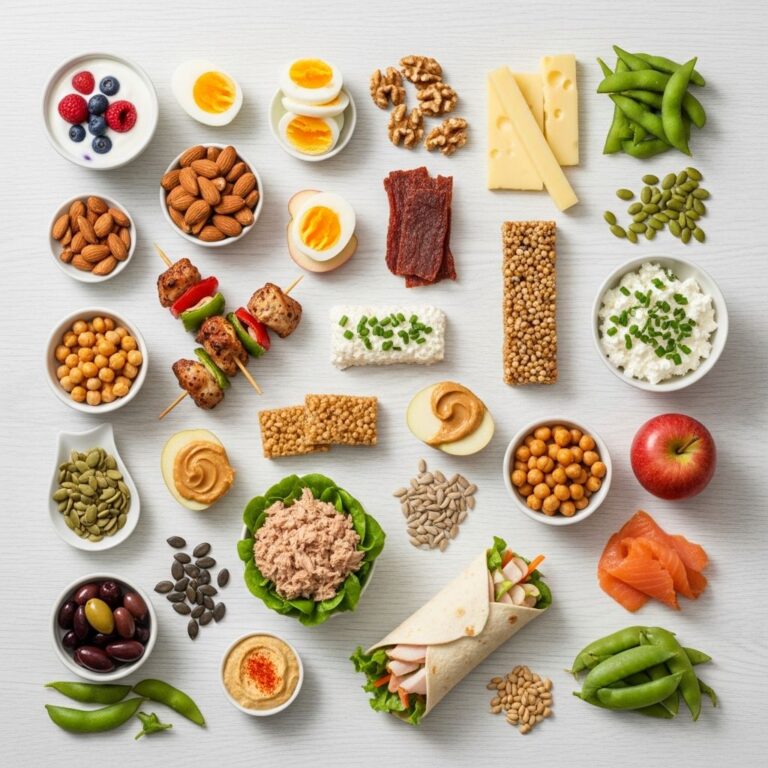
A: Focus on whole, nutrient-dense foods including vegetables, fruits, lean proteins, healthy fats, and whole grains. Avoiding processed foods, excessive sugar, and refined carbohydrates helps maximize health benefits and maintains stable energy and blood sugar levels.
Q: Will I feel hungry all the time on intermittent fasting?
A: Initial hunger sensations typically diminish as your body adapts to the fasting schedule. Hunger often becomes psychological rather than physical once you adjust. Staying well-hydrated and consuming filling, nutritious foods during eating windows helps manage hunger.
References
- Impact of Intermittent Fasting on Health and Disease Processes — Mark P. Mattson, Valter D. Longo, and colleagues, Johns Hopkins University. 2017-10-01. https://pubmed.ncbi.nlm.nih.gov/27810402/
- New Johns Hopkins Study Challenges Benefits of Intermittent Fasting — Johns Hopkins University Hub, Nisa Maruthur, Associate Professor of Medicine. 2024-04-19. https://hub.jhu.edu/2024/04/22/study-challenges-intermittent-fasting/
- Study Reveals Brain Health Benefits of Intermittent Fasting and Healthy Diet Plans — News Medical. 2024-06-25. https://www.news-medical.net/news/20240625/Study-reveals-brain-health-benefits-of-intermittent-fasting-and-healthy-diet-plans.aspx
- Intermittent Fasting and Its Effects on Health Outcomes — Ageing Research Reviews, Published by Elsevier. 2016-10-31. https://pure.johnshopkins.edu/en/publications/impact-of-intermittent-fasting-on-health-and-disease-processes/
Similar Articles








Read full bio of Sneha Tete