Internal Bleeding: Signs, Causes, and Treatment
Understanding the symptoms, causes, and treatment options for internal bleeding.
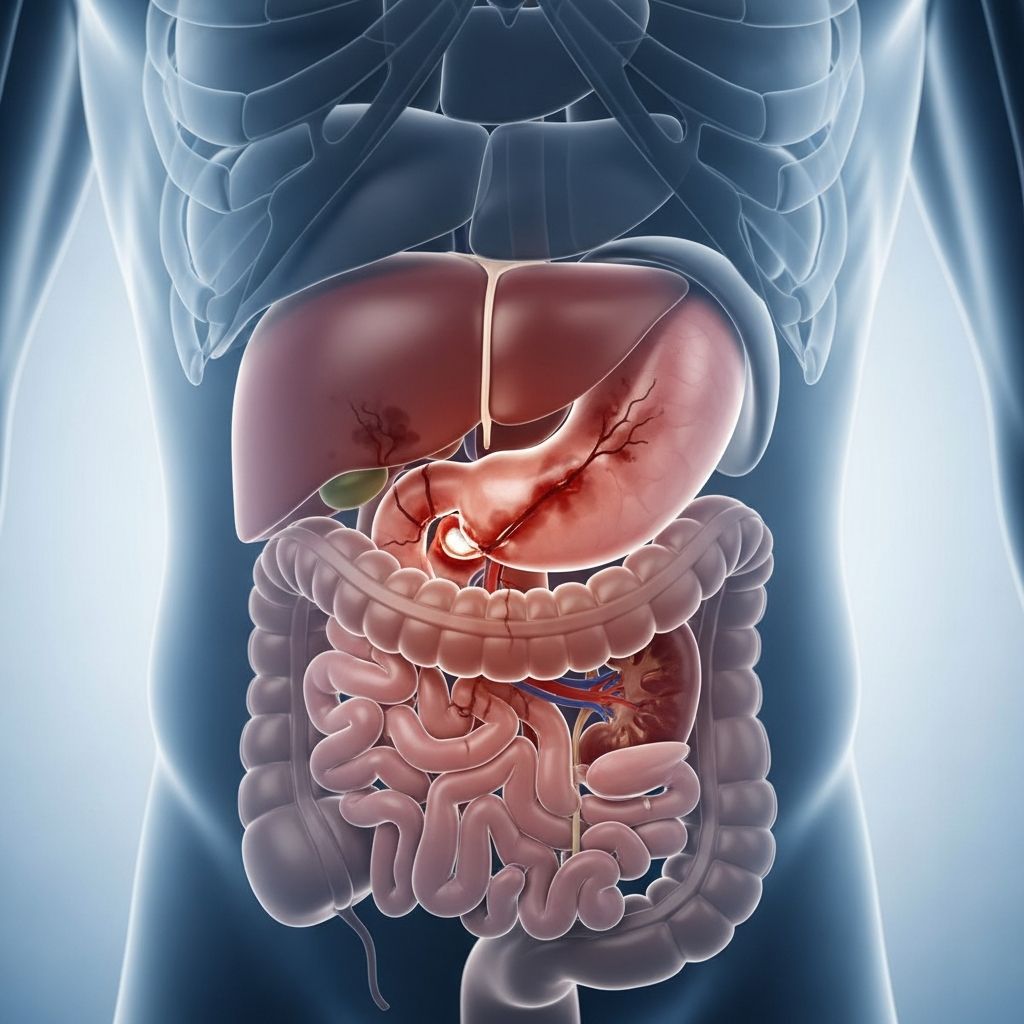
What Is Internal Bleeding?
Internal bleeding occurs when blood vessels inside the body break, causing blood to collect in tissues, organs, or body cavities. Unlike external bleeding, which is visible, internal bleeding happens out of sight and can be life-threatening if not treated promptly. The severity of internal bleeding depends on the location, amount of blood lost, and how quickly it is detected and treated.
Signs and Symptoms of Internal Bleeding
Recognizing the signs of internal bleeding is crucial for timely medical intervention. Symptoms can vary depending on the location and extent of the bleeding. Common signs include:
- Lightheadedness or dizziness
- Shortness of breath
- Fatigue
- Abdominal pain or swelling
- Chest pain
- Headache or confusion
- Weakness or numbness in limbs
- Paleness or cold skin
- Nausea or vomiting
- Low blood pressure
- Rapid heart rate
If you or someone near you experiences these symptoms, seek emergency medical help immediately. Losing more than 30% of your total blood volume can lead to severe complications, including shock and organ failure.
Causes of Internal Bleeding
Internal bleeding can result from a variety of causes, ranging from trauma to underlying medical conditions. Common causes include:
- Physical injury or trauma (e.g., car accidents, falls)
- Medical conditions such as gastrointestinal ulcers, aneurysms, or tumors
- Blood clotting disorders
- Medications that affect blood clotting (e.g., anticoagulants)
- Complications from surgery or medical procedures
- Childbirth (postpartum hemorrhage)
- Brain hemorrhage (intracranial hemorrhage)
- Abdominal bleeding (hemoperitoneum)
The specific cause of internal bleeding will influence the treatment approach and prognosis.
Complications of Internal Bleeding
Internal bleeding can lead to several complications, especially if not treated promptly. These complications include:
- Decreased blood flow to organs, leading to tissue hypoxia (lack of oxygen)
- Organ damage or failure
- Shock
- Long-term neurological and cognitive issues (if bleeding occurs in the brain)
- Vasospasms in brain blood vessels, potentially leading to stroke
- Re-bleeding
- Deep vein thrombosis (DVT)
- Infection
The risk of complications increases with the severity and duration of the bleeding.
Diagnosis of Internal Bleeding
Diagnosing internal bleeding involves identifying the location and cause of the bleeding. Healthcare providers use a combination of methods, including:
- Physical examination
- Medical history review
- Imaging tests (e.g., CT scans, MRI, ultrasound)
- Laboratory tests (e.g., blood tests to check for anemia, clotting disorders)
Accurate diagnosis is essential for determining the appropriate treatment plan.
Treatment of Internal Bleeding
The treatment for internal bleeding depends on its cause and severity. Options include:
- Adjusting treatment plans for underlying conditions (e.g., gastrointestinal issues)
- Medications to control bleeding or promote clotting
- Surgical intervention to stop the bleeding
- Blood transfusions to replace lost blood
- Monitoring and supportive care in a hospital setting
Moderate to severe internal bleeding requires immediate medical treatment in a hospital. Prompt intervention can prevent complications and improve outcomes.
Related Stories



Prognosis and Outlook
The prognosis for internal bleeding depends on several factors, including the severity of the bleeding, the location, and how quickly it is detected and treated. Early detection and prompt medical intervention significantly improve the chances of recovery. Delayed treatment can lead to severe complications or even death.
When to Seek Emergency Care
If you or someone near you experiences symptoms of internal bleeding, seek emergency medical help immediately. Call 911 or go to the nearest emergency room. Early intervention is crucial for preventing complications and improving outcomes.
Frequently Asked Questions (FAQs)
Q: What are the most common causes of internal bleeding?
A: Common causes include physical injury, medical conditions like ulcers or aneurysms, blood clotting disorders, and certain medications.
Q: How is internal bleeding diagnosed?
A: Diagnosis involves physical examination, medical history review, imaging tests, and laboratory tests.
Q: What are the treatment options for internal bleeding?
A: Treatment may include medications, surgery, blood transfusions, and supportive care, depending on the cause and severity.
Q: What are the complications of internal bleeding?
A: Complications can include organ damage, shock, long-term neurological issues, and infection.
Q: When should I seek emergency care for internal bleeding?
A: Seek emergency care immediately if you experience symptoms like lightheadedness, shortness of breath, or severe pain.
References
- Internal Bleeding Signs, Symptoms & Treatment — Cleveland Clinic. 2023. https://my.clevelandclinic.org/health/diseases/internal-bleeding
- Brain Bleed (Intracranial Hemorrhage): Causes & Symptoms — Cleveland Clinic. 2023. https://my.clevelandclinic.org/health/diseases/14480-brain-bleed-hemorrhage-intracranial-hemorrhage
- Hemoperitoneum: What It Is, Symptoms, Causes & Treatment — Cleveland Clinic. 2023. https://my.clevelandclinic.org/health/diseases/hemoperitoneum
Similar Articles








Read full bio of medha deb