Internal Shingles Expert Guide: Symptoms, Diagnosis & Treatment
Understanding internal shingles: symptoms, causes, diagnosis, treatment, and prevention of this rare, rash-free form of shingles.
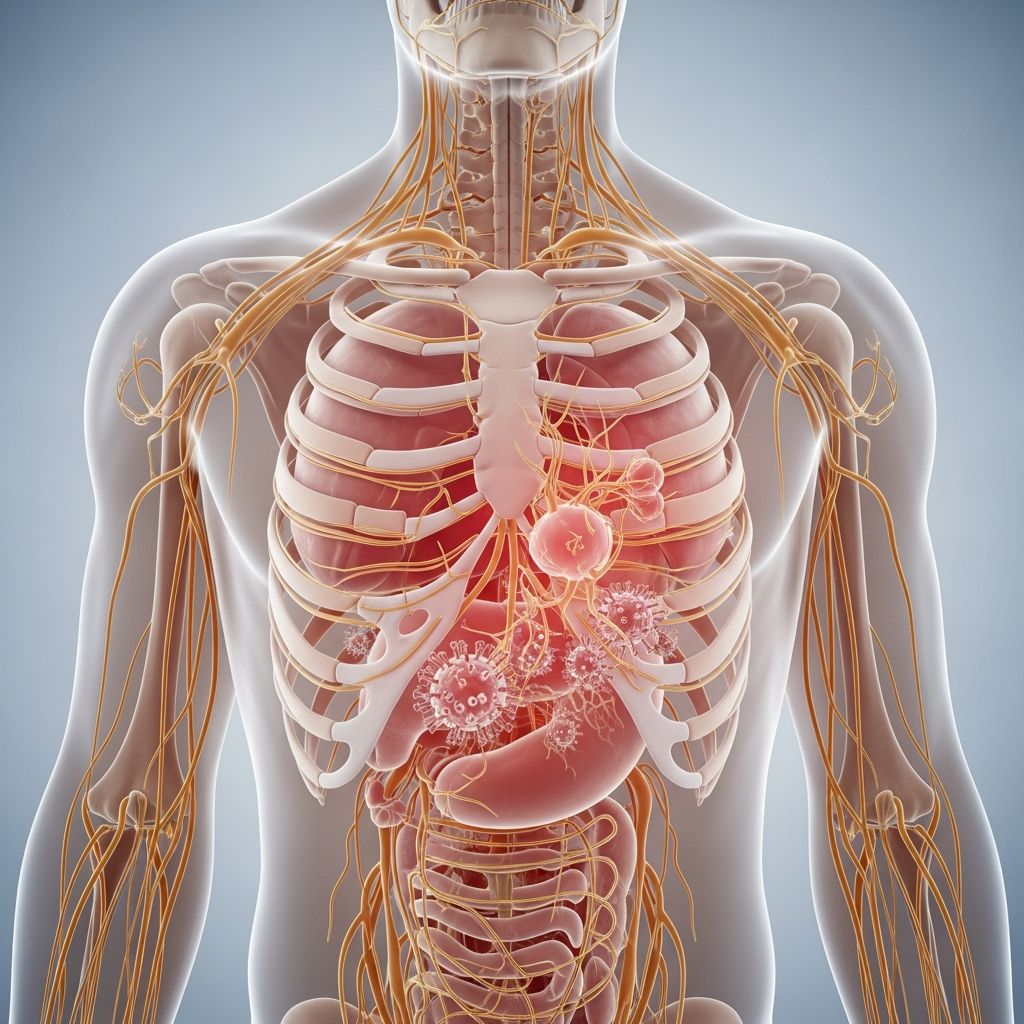
Internal shingles, also known as zoster sine herpete (ZSH), is a rare variant of shingles where the characteristic skin rash does not appear, making it challenging to diagnose. Caused by reactivation of the varicella-zoster virus (VZV), it produces intense nerve pain and other systemic symptoms that can mimic other conditions. Unlike typical shingles, which presents with a painful, blistering rash in a dermatomal pattern, internal shingles affects internal nerves and organs, potentially leading to severe complications if not identified promptly.
This condition highlights the sneaky nature of VZV, which lies dormant in sensory ganglia after chickenpox and can reactivate decades later, especially in those with waning immunity. Early recognition is crucial, as antiviral treatments are most effective within 72 hours of symptom onset, reducing risks like postherpetic neuralgia (PHN). Below, we delve into every aspect of internal shingles, from symptoms to prevention, drawing on insights from leading health authorities.
What Is Internal Shingles?
Internal shingles occurs when the VZV reactivates and travels along nerve pathways without manifesting on the skin. In classic shingles (herpes zoster), the virus causes a unilateral rash following a dermatome, often on the torso or face. In contrast, ZSH involves visceral or deep nerve involvement, leading to pain, neurological symptoms, or organ-specific issues without visible blisters.
Though rare, its prevalence is underreported due to diagnostic difficulties. Studies indicate it may account for a subset of unexplained radicular pains, with higher PHN rates observed in affected individuals. The term ‘internal’ refers to the virus’s impact on internal structures like cranial nerves, viscera, or spinal nerves, distinguishing it from cutaneous forms.
Symptoms of Internal Shingles
Symptoms of internal shingles mirror those of typical shingles but lack the rash, complicating identification. Common manifestations include:
- Pain: Sharp, burning, or stabbing nerve pain (radicular pain) in a dermatomal distribution, often preceding other signs by days.
- Muscle aches and weakness: Deep muscle soreness or paralysis, such as facial droop in Bell’s palsy-like presentations.
- Numbness, tingling, and burning sensations: Paresthesias along affected nerves.
- Lymph node swelling: Enlarged nodes near the site of viral activity.
- Headaches and chest pain: If cranial or thoracic nerves are involved.
Severe cases may involve specific syndromes: Ramsay Hunt syndrome causes ear pain, hearing loss, and facial weakness; visceral involvement can lead to abdominal pain or gastrointestinal symptoms. Without the rash, patients often endure symptoms for weeks before diagnosis, exacerbating suffering.
Causes of Internal Shingles
The root cause is reactivation of latent VZV in dorsal root ganglia or cranial nerve ganglia, the same virus behind chickenpox. Post-chickenpox, VZV establishes lifelong dormancy. Triggers for reactivation include immune suppression, allowing the virus to replicate and inflame nerves internally rather than surfacing on skin.
Why some develop internal versus cutaneous shingles remains unclear, but factors like viral load, host immunity, and nerve tropism play roles. Immunocompromised states heighten deep (visceral) involvement risk. Stress—physical (injury, illness) or emotional—may precipitate outbreaks by further impairing immunity.
Risk Factors for Internal Shingles
Anyone with prior chickenpox (over 99% of U.S. adults born before 1980) is at risk, per CDC data. Key risk factors include:
Related Stories



- Age over 50: Incidence rises sharply due to immunosenescence.
- Immunosuppression: From HIV, cancer, chemotherapy, organ transplants, or steroids.
- Chronic diseases: Diabetes, autoimmune disorders weaken defenses.
- Recent stress or trauma: Physical injuries or severe infections.
- Female gender and family history: Slight predispositions noted in some studies.
Shingles affects 1 in 3 Americans lifetime; internal forms are rarer but more treacherous in high-risk groups.
Complications of Internal Shingles
Absent a rash, internal shingles often leads to delayed treatment and graver outcomes. Potential complications span:
| Affected Area | Possible Complications |
|---|---|
| Eyes | Herpes zoster ophthalmicus: vision loss, uveitis |
| Ears | Ramsay Hunt: hearing loss, vertigo, facial palsy |
| Nervous System | Encephalitis, meningitis, radiculopathy |
| Throat/Stomach | Dysphagia, ulcers, GI perforation |
| Lungs/Brain | Pneumonitis, stroke risk from vasculitis |
The most debilitating is
postherpetic neuralgia (PHN)
, chronic neuropathic pain lasting months or years post-infection. A 2018 study found ZSH patients experienced worse PHN, needing more opioids; it can trigger anxiety, depression, and cognitive changes. Other risks: bacterial superinfections, motor deficits. Urgent care prevents these.How Is Internal Shingles Diagnosed?
Diagnosis relies on clinical suspicion and lab confirmation, as no rash misleads. Providers assess:
- Symptom history: Unilateral pain, prior chickenpox, risk factors.
- Neurological exam: Sensory/motor deficits, facial paralysis.
- Lab tests:
- PCR of cerebrospinal fluid, blood, or tissue for VZV DNA (gold standard).
- Virus culture from lesions (if any hidden).
- Serology for IgM/IgG antibodies.
Imaging (MRI) rules out mimics like stroke; nerve conduction studies aid. Primary care initiates; specialists (neurologists, infectious disease) consult for complexities.
Treatment for Internal Shingles
Antivirals are cornerstone: acyclovir, valacyclovir, or famciclovir within 72 hours halt viral replication, easing symptoms and curbing PHN. Dosages: valacyclovir 1g TID x7 days.
Symptom relief includes:
- Pain management: Gabapentinoids (gabapentin, pregabalin), tricyclics (amitriptyline), lidocaine patches, opioids short-term.
- Corticosteroids: Prednisone for inflammation, especially cranial nerve cases.
- Supportive care: Rest, hydration, eye drops if ocular.
Hospitalization for severe cases (encephalitis, immunocompromised). PHN treatment: combos of above, capsaicin, TENS. Multidisciplinary approach optimizes recovery.
Prevention of Internal Shingles
Shingrix (recombinant zoster vaccine) is >90% effective against shingles/PHN, recommended for ages 50+ and immunocompromised 19+. Two doses, 2-6 months apart; side effects mild (arm soreness, fatigue). Zostavax (live) less used now. Hygiene, stress management bolster immunity. Early antiviral access post-exposure prevents outbreaks.
Outlook for Internal Shingles
Prognosis varies: most recover fully with prompt treatment, but misdiagnosis worsens outcomes—higher PHN, organ damage. Lifetime shingles risk 33%; ZSH rarer, potentially life-threatening if visceral. Vaccination slashes severity; survivors report good quality of life sans PHN.
When to See a Doctor for Internal Shingles
Seek immediate care for unexplained unilateral pain/tingling, especially with weakness, vision/hearing changes, or post-chickenpox history. ER for severe headache, confusion, breathing issues. Early intervention averts complications.
Frequently Asked Questions (FAQs)
What are the symptoms of internal shingles?
Symptoms include nerve pain, muscle weakness, numbness, tingling, headaches, chest pain, facial palsy, and hearing issues—without rash.
What causes internal shingles?
Reactivation of dormant VZV in nerves, triggered by age, stress, or immunosuppression.
Can internal shingles be fatal?
Rarely, if untreated and involving brain/lungs, but early antivirals improve survival.
What kind of doctor treats internal shingles?
Primary care for initial; neurologists, ophthalmologists, or ID specialists for complications.
Does the shingles vaccine prevent internal shingles?
Yes, Shingrix highly effective against all forms, including ZSH.
References
- Internal Shingles: Overview, Causes, Symptoms, and More — Healthline. 2023. https://www.healthline.com/health/internal-shingles
- Shingles – Symptoms & causes — Mayo Clinic. 2025-01-10. https://www.mayoclinic.org/diseases-conditions/shingles/symptoms-causes/syc-20353054
- Herpes zoster: A Review of Clinical Manifestations and Management — PMC (NCBI). 2022-02-20. https://pmc.ncbi.nlm.nih.gov/articles/PMC8876683/
- What doctors wish patients knew about shingles virus — American Medical Association. 2023. https://www.ama-assn.org/public-health/prevention-wellness/what-doctors-wish-patients-knew-about-shingles-virus
Similar Articles








Read full bio of medha deb