Internal Stye: Symptoms, Causes & Treatment
Understand internal styes: causes, symptoms, treatment options, and prevention strategies.
What Is an Internal Stye?
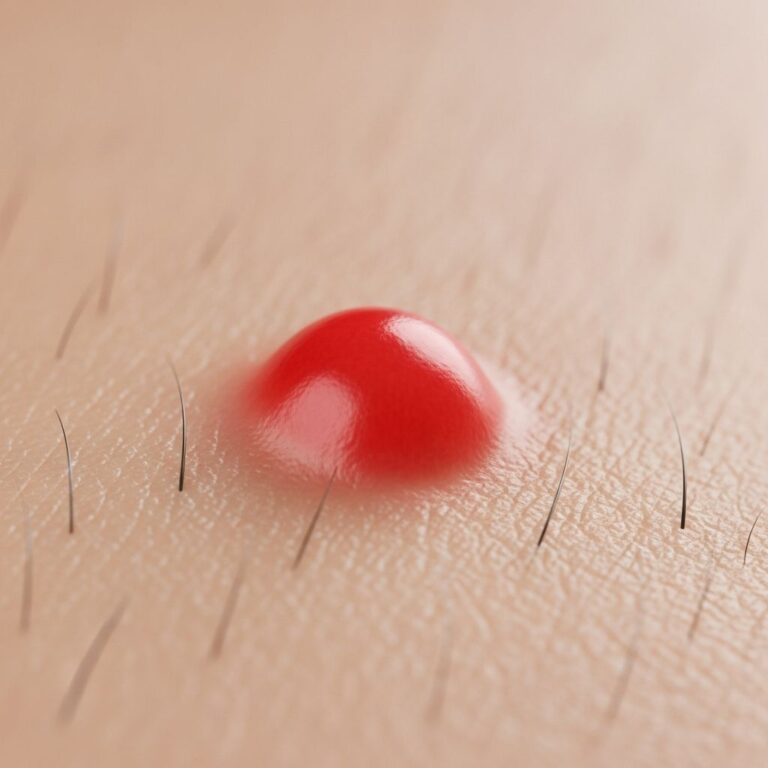
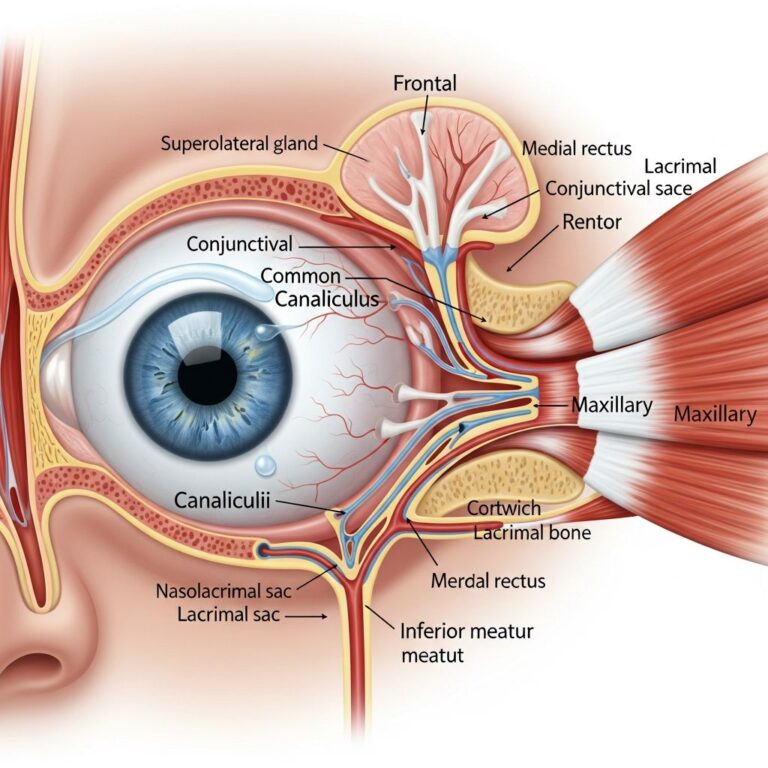
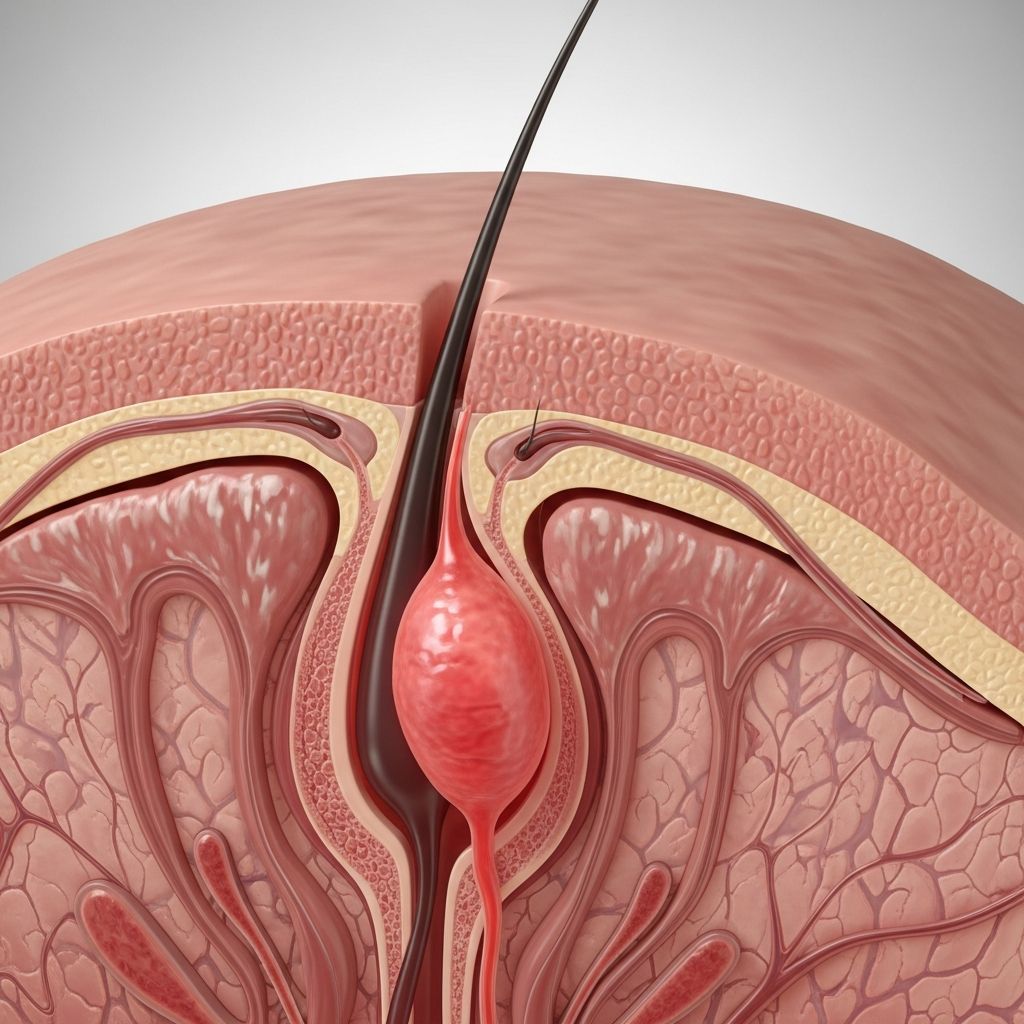
An internal stye, medically known as a hordeolum, is an inflamed and infected oil gland located on the inner edge of your eyelid. When this gland becomes infected, it swells up and forms an abscess—a pocket of pus—that leads to pain, tenderness, and swelling around the eye. Unlike external styes that form on the outer edge of the eyelid and resemble small pimples, internal styes develop on the inner surface of the eyelid, facing inward toward your eyeball. This positioning makes them less visible from the outside, though they may appear as a small bump with a yellowish or white appearance.
Internal styes are caused by a bacterial infection in one of your meibomian glands—specialized oil glands distributed along the edges of your eyelids. These glands produce oils that are essential for protecting and lubricating your eyes. When bacteria, typically Staphylococcus aureus, infiltrate these glands, an infection develops, leading to the painful symptoms characteristic of an internal stye.
How Common Are Internal Styes?
While styes in general are among the most common eye conditions, internal styes specifically are less common than their external counterparts. Children and adults of all ages can develop internal styes, though they are especially prevalent among school-age children and adults between 30 and 50 years old. The condition affects both males and females equally and can occur on either the upper or lower eyelid.
Symptoms of Internal Stye
Internal styes typically present with sudden onset symptoms, often appearing without warning—sometimes first noticed upon waking in the morning. The symptoms are generally more severe and long-lasting compared to external styes. Common symptoms include:
- Eyelid pain and tenderness
- Swelling of the eyelid
- Redness around the affected area
- Excessive tearing
- Sensitivity to light
- Feeling of a foreign object in the eye
- Discharge or crusting along the eyelid margin
- Mild fever in some cases
The pain associated with an internal stye can range from mild to moderate and may be accompanied by significant discomfort when blinking or touching the area. Many people experience considerable tenderness when the eyelid is manipulated or when pressure is applied to the affected region.
Causes and Risk Factors
An internal stye forms when bacteria infect one of your meibomian glands. Several factors can increase your susceptibility to developing an internal stye:
- Poor eyelid hygiene
- Touching or rubbing your eyes with unwashed hands
- Sharing eye cosmetics or contact lens solutions
- Using contaminated eye makeup or applicators
- Poor contact lens hygiene practices
- Meibomian gland dysfunction
- Rosacea or other inflammatory skin conditions
- Compromised immune system
- Chronic stress and inadequate sleep
A significant risk factor is a history of previous styes. Many individuals experience recurrent styes, meaning those who have had one stye are considerably more likely to develop another in the future. This recurrent pattern suggests an underlying predisposition or environmental factor that continues to favor bacterial colonization of the meibomian glands.
Internal Stye vs. External Stye: Key Differences
Related Stories



While both internal and external styes are bacterial infections of the eyelid gland system, they differ in location and presentation:
| Characteristic | Internal Stye | External Stye |
|---|---|---|
| Location | Inner edge of eyelid, facing eyeball | Outer edge of eyelid, facing outward |
| Appearance | Small bump, may be yellowish/white | Resembles small pimple |
| Pain Level | Usually more painful | Less painful |
| Duration | Typically lasts longer | Usually resolves faster |
| Visibility | Less visible externally | More visible from outside |
| Response to Treatment | May require professional drainage | Often responds to home remedies |
Diagnosis
Healthcare providers diagnose internal styes through a straightforward clinical examination. During your appointment, your primary care provider, ophthalmologist, or optometrist will examine your eyelid closely and discuss your symptoms and medical history. In most cases, no laboratory testing or imaging studies are necessary—the diagnosis can be confirmed based on the characteristic appearance and location of the stye combined with your reported symptoms.
In rare cases, particularly if the stye doesn’t respond to standard treatment or shows unusual characteristics, your healthcare provider may recommend a biopsy. This additional investigation helps rule out serious underlying conditions such as sebaceous carcinoma or other malignant processes. However, biopsies are uncommon and typically reserved for atypical presentations.
Treatment Options
Treatment for internal styes typically begins with conservative home remedies, though these may be less effective for internal styes compared to external styes. Your healthcare provider will likely recommend starting with these approaches before considering more invasive interventions.
Home Remedies
The following home care measures can help relieve symptoms and promote healing:
- Applying warm compresses to the affected eyelid for 10-15 minutes several times daily
- Maintaining proper eyelid hygiene by gently cleaning the eyelid margin
- Avoiding eye makeup, contacts, and eye drops unless specifically approved by your provider
- Taking over-the-counter pain relievers for discomfort (consult your provider before use)
- Keeping hands away from the eye to prevent spreading infection
Professional Medical Treatment
If home remedies don’t produce improvement within a week or if symptoms worsen, professional treatment becomes necessary. Your healthcare provider may recommend:
- Oral antibiotics to eliminate the bacterial infection
- Antibiotic eye drops for topical treatment
- Topical antibiotic ointments applied to the eyelid
- Minor surgical drainage procedure to remove the pus-filled abscess
- Steroid injections to reduce inflammation in stubborn cases
The drainage procedure, while minor, is often the most effective treatment for internal styes that don’t respond to conservative therapy. During this quick office procedure, your provider makes a small incision to allow the pus to drain, providing immediate relief and preventing further complications.
What Not to Do with a Stye
While treating your internal stye, avoid these actions that can worsen the condition or spread infection:
- Do not squeeze or pop the stye—this can spread infection
- Do not wear eye makeup until the stye has completely healed
- Do not wear contact lenses during active infection
- Do not share eye cosmetics, towels, or contact lens solutions with others
- Do not touch or rub the eye with unwashed hands
- Do not apply ice directly to the eye area without a barrier
Duration and Prognosis
With appropriate treatment, most internal styes resolve within one to two weeks. The excellent prognosis for styes means that the vast majority of people recover completely without lasting complications. However, internal styes typically take longer to resolve compared to external styes, and some may require professional intervention for complete resolution.
Once your stye has healed completely, there are no permanent effects on your eye or vision. The temporary discomfort and inconvenience resolve without leaving any damage to ocular structures.
Prevention Strategies
While not all styes can be prevented, certain practices significantly reduce your risk of developing internal styes or experiencing recurrent infections:
Daily Eye Care Practices
- Wash your hands thoroughly before touching your eyes or eyelids
- Remove eye makeup completely before bedtime
- Replace eye makeup regularly and never share cosmetics with others
- Clean contact lenses properly and follow recommended replacement schedules
- Consider switching from contacts to glasses if you experience frequent styes
- Keep your eyelids clean by gently washing them with warm water and mild soap
- Avoid touching, rubbing, or squeezing your eyelids
- Use only sterile saline solutions for contact lens care
Lifestyle Modifications
- Maintain adequate sleep and manage stress effectively
- Eat a balanced diet rich in nutrients to support immune function
- Stay hydrated to support overall eye health
- Take regular breaks from screens to reduce eye strain
- Protect your eyes from environmental irritants and pollutants
When to Seek Medical Care
While most internal styes can be managed at home initially, certain warning signs warrant immediate professional evaluation. Seek medical care right away if you experience:
- Severe pain that doesn’t improve with home remedies
- Swelling that spreads beyond the eyelid to the face or surrounding tissues
- Vision changes or vision loss
- Difficulty opening or closing your eye
- Discharge of pus or blood from the stye
- Signs of systemic infection such as fever or chills
- Styes that recur frequently (more than three times per year)
- Styes that don’t improve after two weeks of home treatment
- Redness or swelling that extends to the white part of your eye
Your healthcare provider can determine whether your condition requires professional intervention and may refer you to an ophthalmologist or optometrist if your stye isn’t improving or is worsening.
Return to Normal Activities
Unless your healthcare provider specifically advises otherwise, you can continue attending work or school while managing an internal stye at home. The stye itself is not contagious in the traditional sense, though the bacteria responsible for infection can potentially spread through contact. Maintain good hygiene practices, avoid touching your eye, and refrain from sharing personal items to minimize any transmission risk.
Frequently Asked Questions
Q: Can an internal stye cause permanent vision damage?
A: In the vast majority of cases, an internal stye does not cause permanent vision damage. The infection remains localized to the eyelid gland and resolves completely with appropriate treatment. However, extremely rare cases of severe, untreated infection could potentially lead to orbital cellulitis and vision complications, which is why seeking treatment for particularly painful or worsening styes is important.
Q: Is an internal stye contagious?
A: While the stye itself is not contagious, the bacteria responsible for the infection (typically Staphylococcus aureus) can potentially spread to others through direct contact or shared items. Practicing good hygiene by not sharing cosmetics, towels, or contact lens solutions helps prevent transmission.
Q: How long does an internal stye typically last?
A: Most internal styes resolve within one to two weeks with appropriate treatment. Some may take slightly longer, especially if professional drainage is required. If your stye persists beyond two weeks despite treatment, consult your healthcare provider.
Q: Can I wear makeup or contacts while I have an internal stye?
A: It’s best to avoid both eye makeup and contact lenses while you have an active internal stye. These can trap bacteria, introduce additional irritants, and delay healing. Return to normal cosmetic and contact lens use only after the stye has completely resolved.
Q: Why do I keep getting styes?
A: Recurrent styes often indicate an underlying predisposition or environmental factor. Common reasons include poor eyelid hygiene, contact lens care issues, meibomian gland dysfunction, or certain skin conditions like rosacea. Discuss your recurrent styes with an eye care provider to identify and address the underlying cause.
Q: Should I apply ice or heat to my internal stye?
A: Warm compresses are generally recommended as the primary home remedy for internal styes. Heat helps soften the abscess and may promote drainage. Avoid applying ice directly, as this may reduce blood flow and slow healing. Always use a clean cloth as a barrier between the compress and your skin.
References
- Internal Stye: Symptoms, Causes & Treatment — Cleveland Clinic. 2022-11-28. https://my.clevelandclinic.org/health/diseases/24478-internal-stye
- Hordeolum: Acute abscess within an eyelid sebaceous gland — Cleveland Clinic Journal of Medicine. 2016. https://www.ccjm.org/content/83/5/332
- Stye (Sty): What It Is, Causes, Symptoms & Treatment — Cleveland Clinic. 2023-12-21. https://my.clevelandclinic.org/health/diseases/17658-stye
- Chalazion vs. Stye: What’s the Difference? — Cleveland Clinic Health Essentials. https://health.clevelandclinic.org/chalazion-vs-stye
- What Is a Stye? — Cleveland Eye Clinic. 2025-02-13. https://clevelandeyeclinic.com/2025/02/13/what-is-a-stye/
Similar Articles








Read full bio of medha deb