Interstitial Cystitis: Understanding Bladder Pain Syndrome
Comprehensive guide to interstitial cystitis symptoms, diagnosis, and treatment options.
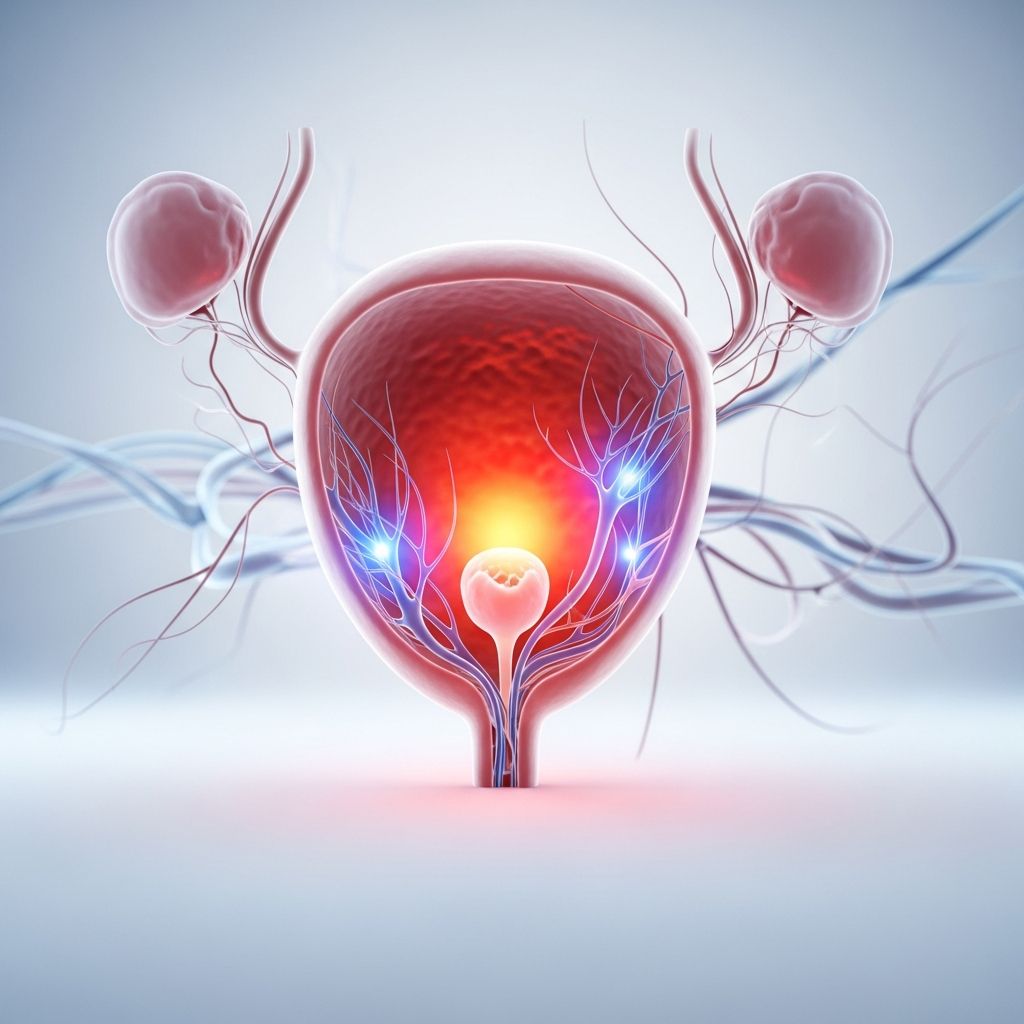
Understanding Interstitial Cystitis
Interstitial cystitis (IC), also known as bladder pain syndrome, is a chronic condition characterized by bladder and pelvic pain, pressure, and sometimes pain in the lower abdomen, lower back, and pelvic area. The condition can range from mild to severe and affects both men and women, though it is more common in women. Unlike urinary tract infections, interstitial cystitis is not caused by bacteria, and standard urine tests typically do not reveal the presence of infection.
People with IC experience varying degrees of discomfort, and symptoms can fluctuate significantly from day to day. The condition can profoundly impact quality of life, affecting work, relationships, and overall well-being. However, with proper diagnosis and tailored treatment approaches, many individuals can manage their symptoms effectively and improve their daily functioning.
Symptoms of Interstitial Cystitis
The symptoms of interstitial cystitis vary widely among individuals, and no two cases are exactly alike. Understanding these symptoms is crucial for early recognition and diagnosis.
Primary Symptoms
The hallmark symptoms of interstitial cystitis include:
- Chronic pain, pressure, and tenderness in the bladder and surrounding areas
- Frequent urination, ranging from 40 to 60 times per day in severe cases, including nocturia (nighttime urination)
- Persistent urgency to urinate despite having an empty bladder
- Pain that may extend to the lower abdomen, lower back, thighs, and pelvic region
- Symptoms that worsen during menstrual cycles in women
Symptom severity can vary significantly from person to person. Some individuals experience mild discomfort with occasional urinary frequency, while others suffer from debilitating pain and may need to urinate up to 40-60 times daily. The unpredictable nature of symptoms makes interstitial cystitis particularly challenging to manage.
What Causes Interstitial Cystitis?
Despite extensive research, the exact cause of interstitial cystitis remains unknown. However, medical professionals have identified several theories and potential contributing factors that may play a role in the development of this condition.
Proposed Theories
Several mechanisms have been proposed to explain IC development:
- Bladder lining defects: A defective or damaged bladder lining may allow irritating substances in urine to penetrate and irritate bladder tissues
- Autoimmune disease: The body’s immune system may mistakenly attack bladder cells and tissues
- Vascular disease: Abnormalities in blood vessels supplying the bladder may contribute to inflammation
- Nerve dysfunction: Abnormal nerve signals may cause the bladder to feel pain from stimuli that would not typically cause discomfort
- Abnormal inflammatory response: Chronic inflammation in bladder tissues may trigger symptom development
- Allergic reactions: Hypersensitivity to certain substances may trigger IC symptoms
- Unusual infections: Atypical pathogens not detected by standard laboratory tests may be involved
Research suggests that interstitial cystitis likely results from a combination of these factors rather than a single cause, which explains why symptoms and treatment responses vary considerably among individuals.
Diagnosis of Interstitial Cystitis
Diagnosing interstitial cystitis can be challenging because there is no single definitive test. Diagnosis typically involves a comprehensive evaluation process to rule out other conditions and confirm IC.
Diagnostic Procedures
Healthcare providers may employ several diagnostic methods:
- Medical history and symptom review: Detailed evaluation of symptom patterns, duration, and severity
- Urinalysis and urine culture: Laboratory tests to exclude urinary tract infections and other urinary abnormalities
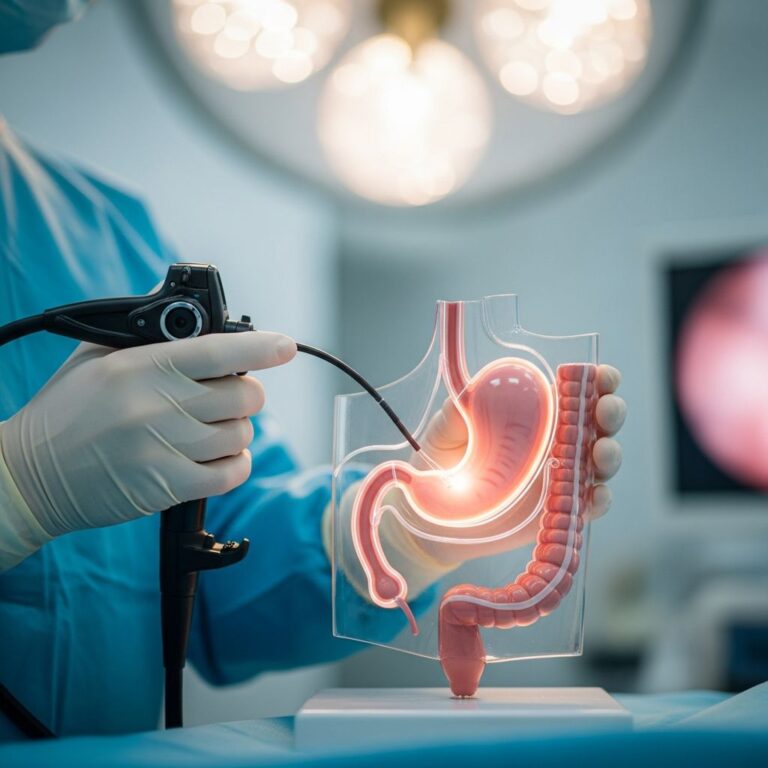
- Cystoscopy: A minimally invasive procedure where a thin, flexible tube with a camera is inserted into the bladder to directly visualize bladder tissue and identify abnormalities
- Bladder biopsy: Tissue samples may be collected during cystoscopy to examine bladder lining under a microscope
- Post-void residual test: Measurement of urine remaining in the bladder after urination
- Bladder capacity assessment: Evaluation of how much urine the bladder can comfortably hold
- Potassium sensitivity test: A specialized test that may help identify bladder epithelial dysfunction
Related Stories



Because symptoms of interstitial cystitis overlap with other urological conditions, providers must carefully differentiate IC from urinary tract infections, overactive bladder syndrome, and other bladder disorders. A diagnosis typically requires symptoms lasting at least six weeks without evidence of infection or other identifiable causes.
Treatment Options for Interstitial Cystitis
Since there is currently no cure for interstitial cystitis, treatment focuses on symptom management and improving quality of life. Treatment approaches are highly individualized, as what works for one person may not work for another. Most patients require a combination of therapies to achieve optimal symptom control.
Lifestyle Modifications and Self-Care
Initial management often begins with lifestyle changes that can help reduce symptom flare-ups:
- Avoiding bladder irritants such as acidic foods and beverages, caffeine, spicy foods, and carbonated drinks
- Limiting fluid intake, particularly before bedtime, to reduce nighttime urination
- Practicing stress reduction techniques including meditation, deep breathing, and yoga
- Maintaining regular physical activity appropriate for your condition
- Keeping a symptom diary to identify personal triggers
- Using heating pads or warm baths for pain relief
Physical Therapy
Physical therapy has proven beneficial for many IC patients. A qualified physical therapist can teach techniques to address pelvic floor dysfunction, which often contributes to IC symptoms. Therapeutic approaches include myofascial release, stretching exercises, pelvic floor muscle relaxation techniques, and Kegel exercises. Proper pelvic floor muscle conditioning can reduce pain and improve urinary control in some individuals.
Oral Medications
Several medications have been approved or are commonly prescribed for interstitial cystitis management:
- Pentosan polysulfate (Elmiron): The only oral medication specifically FDA-approved for IC. It is believed to repair damaged bladder lining and reduce inflammation. Treatment typically requires several months to demonstrate effectiveness
- Tricyclic antidepressants: Medications such as amitriptyline provide pain relief and help reduce urinary frequency through their analgesic properties, separate from their antidepressant effects
- Antihistamines: Medications like hydroxyzine may reduce urinary urgency and frequency by blocking histamine release
- Nonsteroidal anti-inflammatory drugs (NSAIDs): Over-the-counter options like ibuprofen may provide temporary pain relief
- Antacids: Medications that reduce urinary acidity can help prevent symptom flare-ups in some patients
Bladder Instillations
Bladder instillation involves introducing medication directly into the bladder through a catheter. Common medications used include:
- DMSO (dimethyl sulfoxide): An anti-inflammatory agent that reduces pain and can be combined with steroids, heparin, sodium bicarbonate, or local anesthetics to create a customized bladder cocktail
- Lidocaine-based solutions: Provide local anesthetic effects to reduce bladder pain
- BCG (Bacille Calmette-Guerin): An experimental immunotherapy currently in clinical trials that may boost immune system function
Instillation treatments are typically administered weekly for six to eight weeks, with maintenance treatments as needed. Many patients experience symptom improvement with this approach.
Nerve Stimulation Therapies
Neuromodulation therapies work by regulating bladder nerve signals through electrical stimulation:
- Transcutaneous electrical nerve stimulation (TENS): A non-invasive external device delivers mild electrical pulses to reduce pelvic pain and urinary frequency. This technique may increase bladder blood flow and trigger pain-blocking mechanisms
- Sacral nerve stimulation: A surgically implanted device sends electrical impulses to sacral nerves, which are critical for bladder function. Initially placed as a temporary trial, permanent devices are implanted in patients showing symptom improvement. This approach primarily helps reduce urinary urgency and frequency
Botulinum Toxin (Botox) Injections
Botulinum toxin injections administered directly into bladder muscle through a cystoscope can temporarily paralyze bladder muscles and alleviate pain. This treatment typically requires repeated injections every four to nine months to maintain effectiveness.
Surgical Interventions
Surgery is considered only when conservative treatments have failed and symptoms are severe. Surgical options include bladder ulcer removal, bladder augmentation procedures, or urinary diversion surgery. These complex procedures are reserved for the most severe cases due to their invasive nature and potential complications.
Managing Flare-Ups
Even with treatment, many IC patients experience periodic symptom flare-ups. Understanding personal triggers and having a management plan can help minimize disruption to daily life. Common triggers include stress, certain foods and beverages, prolonged sitting, sexual activity, and menstrual cycles. Keeping detailed records of symptoms and activities can help identify individual patterns and enable preventive strategies.
Frequently Asked Questions
Q: Is interstitial cystitis curable?
A: Currently, there is no cure for interstitial cystitis. However, various treatments can effectively manage symptoms and significantly improve quality of life. Some patients experience symptom remission with appropriate treatment, while others require ongoing management.
Q: How long does it take for treatments to work?
A: The timeframe varies depending on the treatment approach. Some treatments like oral medications may require several months to demonstrate effectiveness, while others may provide more immediate relief. Finding the right treatment combination often involves a trial-and-error process.
Q: Can interstitial cystitis affect fertility or pregnancy?
A: IC itself does not affect fertility. However, symptom management during pregnancy may require adjustments in treatment approaches. Women with IC should discuss pregnancy planning with their healthcare provider.
Q: Are there support resources available for IC patients?
A: Yes, numerous patient advocacy organizations, support groups, and counseling resources are available to help individuals cope with IC. These resources provide emotional support, educational materials, and connections with others experiencing similar challenges.
Q: Will IC symptoms worsen over time?
A: IC symptoms are unpredictable and can improve, worsen, or remain stable over time. Some patients experience spontaneous remission, while others have persistent symptoms. Regular follow-up with healthcare providers helps monitor symptom progression and adjust treatment as needed.
Living with Interstitial Cystitis
Living with interstitial cystitis requires patience, persistence, and often significant lifestyle adjustments. Since IC affects each person differently, developing a personalized management plan with healthcare providers is essential. Regular communication with urologists or urogynecologists specializing in IC, combined with support from mental health professionals when needed, can help individuals successfully navigate life with this chronic condition.
Many patients benefit from joining support groups where they can share experiences and learn coping strategies from others facing similar challenges. With advances in IC research and treatment options, individuals with this condition have more tools than ever before to manage symptoms effectively and maintain quality of life.
References
- Interstitial Cystitis – Symptoms, Causes, Treatment — National Kidney Foundation. Retrieved from https://www.kidney.org/kidney-topics/interstitial-cystitis
- Interstitial Cystitis – Diagnosis & Treatment — Mayo Clinic. Retrieved from https://www.mayoclinic.org/diseases-conditions/interstitial-cystitis/diagnosis-treatment/drc-20354362
- Symptoms & Causes of Interstitial Cystitis — National Institute of Diabetes and Digestive and Kidney Diseases (NIDDK). Retrieved from https://www.niddk.nih.gov/health-information/urologic-diseases/interstitial-cystitis-bladder-pain-syndrome/symptoms-causes
- What Is Interstitial Cystitis/Bladder Pain Syndrome? — Cleveland Clinic. Retrieved from https://my.clevelandclinic.org/health/diseases/15735-interstitial-cystitis-painful-bladder-syndrome
- Interstitial Cystitis (IC): Symptoms, Causes, Treatment — WebMD. Retrieved from https://www.webmd.com/urinary-incontinence-oab/interstitial-cystitis
Similar Articles








Read full bio of Sneha Tete