Interstitial Cystitis Guide: Expert Care, Symptoms, Treatments
Comprehensive insights into managing bladder pain syndrome symptoms, causes, and effective treatments for better daily life.
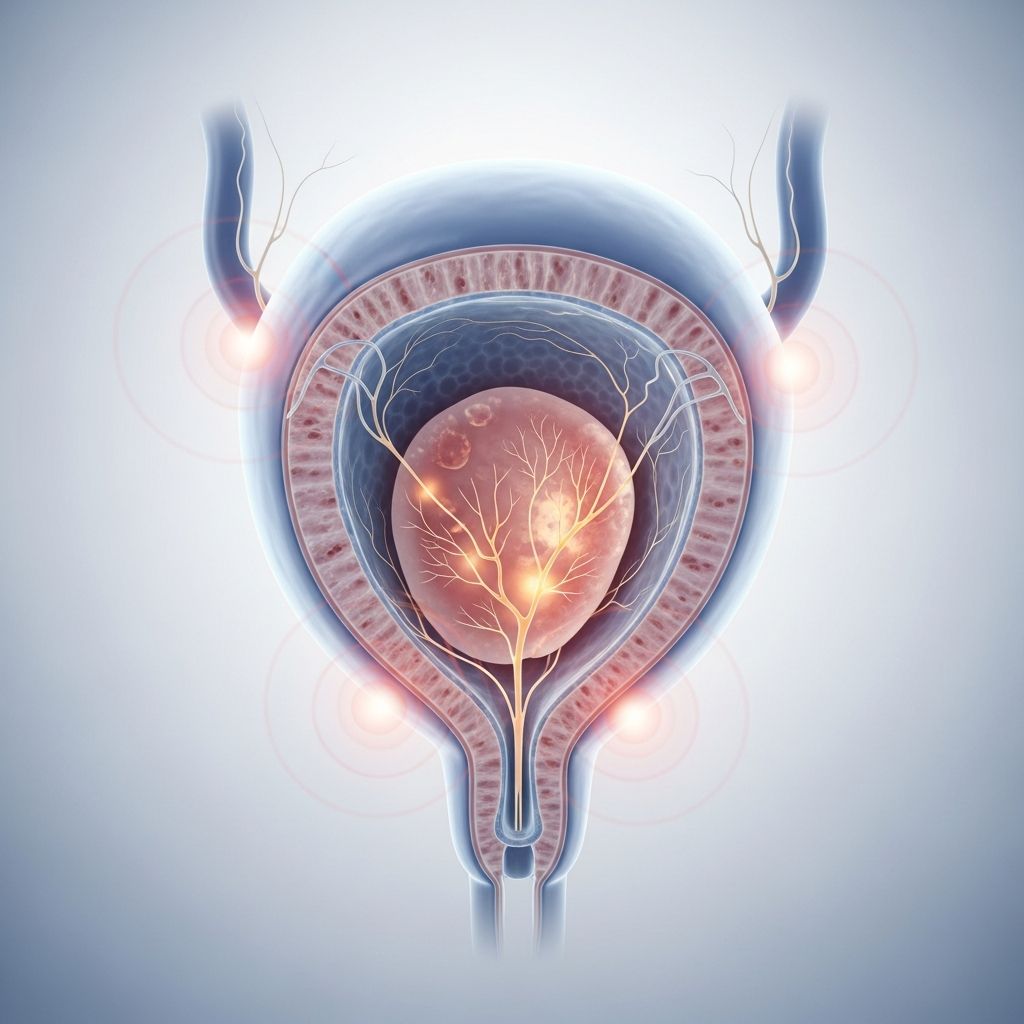
Interstitial cystitis, often referred to as bladder pain syndrome (BPS), is a chronic condition characterized by bladder discomfort, frequent urination, and pelvic pain that can significantly disrupt daily activities. Affecting millions worldwide, primarily women, it involves inflammation of the bladder wall without infection, leading to persistent symptoms that vary in intensity.
Recognizing the Core Symptoms
The hallmark of interstitial cystitis is ongoing bladder pressure or pain that intensifies as the bladder fills and eases after urination. Patients commonly report an urgent need to urinate, sometimes up to 60 times a day, even with small urine volumes. Pelvic tenderness, discomfort during sexual intercourse, and lower abdominal pain are frequent complaints.
- Bladder pain or pressure that worsens with filling
- Frequent urination, day and night
- Urgency that feels unrelenting
- Pain in the pelvis, especially during intimacy
- Discomfort mimicking urinary tract infections but without bacteria
Symptoms can flare with triggers like stress, certain foods, or hormonal changes, and they may wax and wane over time. In severe cases, sleep is interrupted, leading to fatigue and emotional distress.
Unraveling the Underlying Causes
The exact etiology of interstitial cystitis remains elusive, but research points to multiple factors. A defective glycosaminoglycan layer in the bladder lining allows irritants like potassium to leak through, sensitizing nerves and causing spasms and pain. Autoimmune responses, allergies, vascular issues, or subtle infections not detected by standard tests may contribute.
| Potential Cause | Description | Impact on Bladder |
|---|---|---|
| Bladder Lining Defect | Leaky glycosaminoglycan layer | Allows irritants to activate nerves |
| Nerve Hypersensitivity | Increased pelvic nerve signals | Heightens pain and urgency |
| Autoimmune Factors | Body attacks bladder tissue | Chronic inflammation |
| Triggers like Diet | Acidic or spicy foods | Exacerbates symptoms |
Genetic predispositions and pelvic floor dysfunction also play roles, with no single cause identified, making personalized management essential.
Diagnostic Approaches for Confirmation
Diagnosing IC/BPS involves ruling out other conditions like infections or cancers through urinalysis, cystoscopy, and bladder capacity tests. Cystoscopy reveals Hunner’s ulcers in rare cases, while hydrodistension under anesthesia assesses wall integrity. Potassium sensitivity tests confirm nerve irritation.
- Urine tests to exclude infection
- Cystoscopy for visual inspection
- Bladder diary tracking symptoms
- Urodynamic studies for function
These steps ensure accurate diagnosis, as symptoms overlap with overactive bladder or endometriosis.
Comprehensive Treatment Strategies
Treatment focuses on symptom relief through a multimodal approach, as no cure exists. Plans are tailored, often combining medications, lifestyle adjustments, and procedures.
Pharmacological Interventions
Oral medications like Elmiron (pentosan polysulfate sodium), FDA-approved for IC, aim to repair the bladder lining. Low-dose tricyclic antidepressants such as amitriptyline alleviate pain and reduce frequency. NSAIDs and antihistamines curb inflammation.
Bladder Instillations
Direct delivery of solutions like DMSO, heparin, lidocaine, and bicarbonate into the bladder via catheter soothes the lining and neutralizes acidity. These ‘cocktails’ provide rapid relief and are repeated weekly.
Related Stories



Nerve Modulation Techniques
Transcutaneous electrical nerve stimulation (TENS) applies mild pulses to block pain signals. Sacral neuromodulation implants regulate bladder nerves, while Botox injections relax overactive muscles.
Lifestyle Modifications for Symptom Control
Dietary changes are foundational: avoiding acidic fruits, caffeine, alcohol, spicy foods, and carbonated drinks reduces flares. Antacids with meals help neutralize urine acidity. Bladder retraining extends intervals between voids, while pelvic floor physical therapy releases spasms.
- Keep a food-symptom journal
- Hydrate adequately but avoid evening fluids
- Practice stress reduction via meditation
- Incorporate low-impact exercise
Smoking cessation and weight management further alleviate pressure on the pelvis.
Advanced and Surgical Options
For refractory cases, BCG instillations boost immunity experimentally, or therapeutic massage/acupuncture provides adjunct relief. Surgery, like ulcer resection or augmentation cystoplasty, is rare due to unpredictable outcomes and reserved for extreme scenarios.
Daily Management and Flare Prevention
Patients thrive by recognizing early flare signs and intervening promptly: increasing water intake, using prescribed meds, and applying heat. Support groups and counseling address the psychological toll, enhancing coping.
Long-term, multimodal therapy often yields improvement, with many achieving remission periods.
Frequently Asked Questions (FAQs)
What triggers IC flares?
Common triggers include stress, diet (e.g., tomatoes, coffee), hormonal shifts, and sitting for long periods.
Can IC be cured?
No cure exists, but symptoms are manageable with consistent treatment.
Is IC linked to infections?
Not typically; standard tests are negative, distinguishing it from UTIs.
How does diet impact IC?
Eliminating irritants like alcohol and citrus can significantly lessen pain and urgency.
Who is at risk for IC?
Primarily women aged 30-50, but men and others can develop it.
References
- Interstitial Cystitis (IC) Treatments: Dr. Jeffrey G. Proctor Explains — Georgia Urology. 2025-11-10. https://www.youtube.com/watch?v=hl6mwOtXWXM
- Interstitial Cystitis Treatment – Brigham and Women’s Hospital — Brigham and Women’s Hospital. https://www.brighamandwomens.org/obgyn/urogynecology/interstitial-cystitis
- Interstitial Cystitis – Symptoms, causes, treatment — National Kidney Foundation. https://www.kidney.org/kidney-topics/interstitial-cystitis
- Interstitial Cystitis Care – Corewell Health — Corewell Health. https://corewellhealth.org/care-and-specialties/urology/interstitial-cystitis
- What Is Interstitial Cystitis/Bladder Pain Syndrome? – Cleveland Clinic — Cleveland Clinic. https://my.clevelandclinic.org/health/diseases/15735-interstitial-cystitis-painful-bladder-syndrome
- About Interstitial Cystitis | IC – CDC — Centers for Disease Control and Prevention. https://www.cdc.gov/interstitial-cystitis/about/index.html
- Interstitial cystitis – Symptoms & causes – Mayo Clinic — Mayo Clinic. https://www.mayoclinic.org/diseases-conditions/interstitial-cystitis/symptoms-causes/syc-20354357
Similar Articles








Read full bio of medha deb