Interstitial Lung Disease & Pulmonary Fibrosis
Understanding interstitial lung disease, causes, symptoms, diagnosis, and treatment options.
Understanding Interstitial Lung Disease and Pulmonary Fibrosis
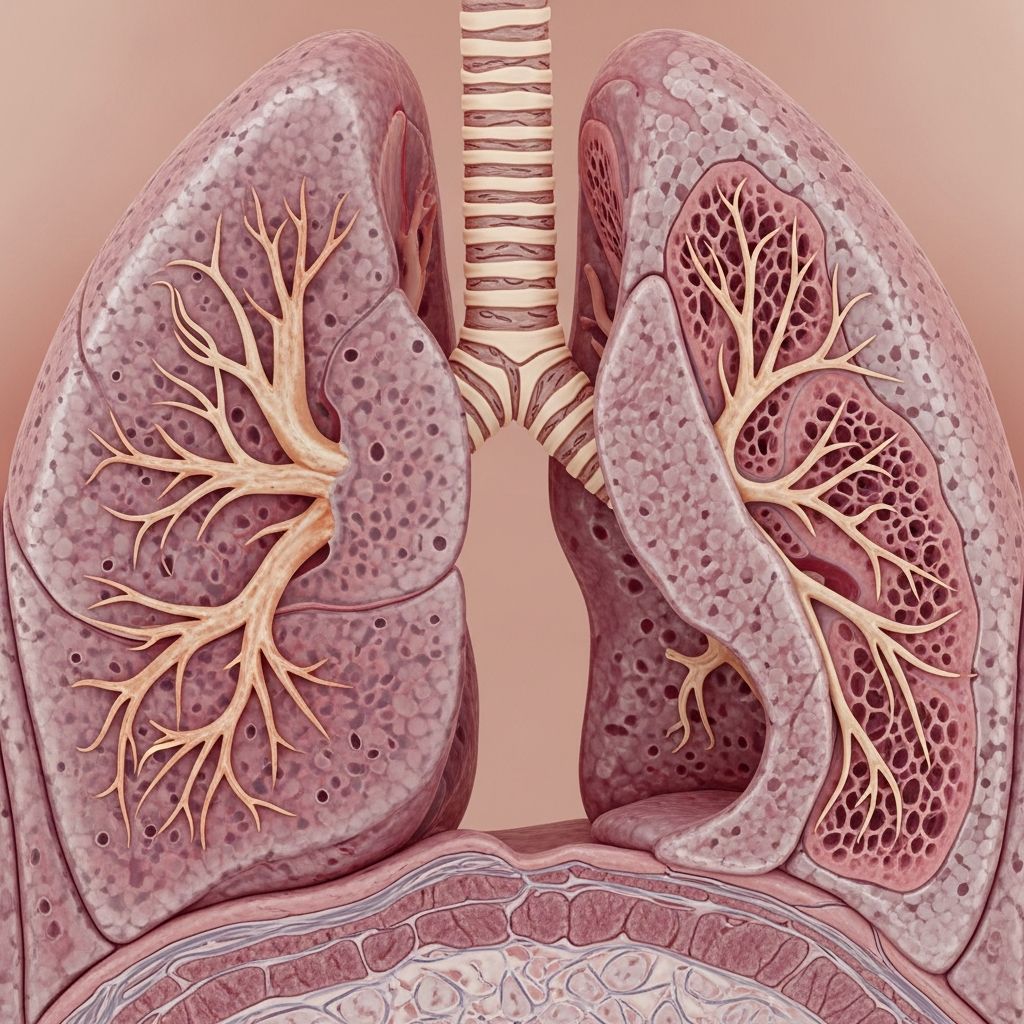
Interstitial lung disease (ILD) represents a diverse group of lung disorders characterized by inflammation and scarring of the lung tissue, collectively known as pulmonary fibrosis. This condition affects the interstitium, a delicate lace-like network of tissue that supports the tiny air sacs called alveoli throughout both lungs. While the interstitium is normally so thin it cannot be detected on standard X-rays or CT scans, ILD causes this critical tissue to become scarred and inflamed, significantly compromising lung function and oxygen absorption. The condition affects up to 200 individuals per 100,000 in the United States, making it a significant public health concern that requires comprehensive understanding and proper medical management.
What Is Interstitial Lung Disease?
Interstitial lung disease encompasses more than 200 different lung conditions, all of which share the common characteristic of affecting the interstitial tissue. The hallmark of ILD is the development of scar tissue in the lungs, which leads to progressive stiffening and reduced lung capacity. This scarring process, called pulmonary fibrosis, makes it increasingly difficult for oxygen to pass from the lungs into the bloodstream, resulting in progressive shortness of breath and other serious complications. Unlike many other lung diseases that primarily affect the airways, ILD directly impacts the tissue between the air sacs, making diagnosis and treatment particularly challenging.
Common Types of Interstitial Lung Disease
Understanding the various types of ILD is essential for proper diagnosis and treatment planning. Different forms of this condition develop through distinct mechanisms and require tailored therapeutic approaches.
Interstitial Pneumonia
Interstitial pneumonia occurs when bacteria, viruses, or fungi infect the interstitium. Mycoplasma pneumoniae stands as the most common bacterial cause of this type of infection. Unlike typical pneumonia that affects the alveoli directly, interstitial pneumonia targets the supporting tissue, creating inflammation and potential scarring that can persist even after the infection resolves.
Idiopathic Pulmonary Fibrosis (IPF)
Idiopathic pulmonary fibrosis represents one of the most serious forms of ILD, characterized by progressive scarring of the lungs without a clearly identifiable cause. The term “idiopathic” specifically means the underlying cause remains unknown. IPF typically progresses slowly but relentlessly, and it remains the most common cause of death among ILD patients. This form requires close monitoring and aggressive management strategies to slow disease progression.
Cryptogenic Organizing Pneumonia (COP)
Also known as bronchiolitis obliterans with organizing pneumonia (BOOP), cryptogenic organizing pneumonia represents a pneumonia-like form of ILD that occurs without infection. This condition causes inflammation and scarring in the small airways and surrounding tissue, potentially causing significant respiratory symptoms despite the absence of infectious organisms.
Acute Interstitial Pneumonitis
Acute interstitial pneumonitis represents the most severe and rapidly progressive form of ILD. Patients with this condition often experience sudden, severe respiratory distress that may require mechanical ventilation support. The rapid nature of this condition necessitates immediate medical intervention and intensive care management.
Causes and Risk Factors
Interstitial lung disease can develop through multiple pathways, with causes ranging from environmental exposures to autoimmune conditions. Understanding your risk factors helps facilitate early detection and intervention.
Environmental Exposures
Prolonged exposure to harmful particles and substances significantly increases ILD risk. Occupational exposures constitute a major category of environmental causes. Workers exposed to asbestos, coal dust, silica, and various molds face elevated risk of developing ILD. Additionally, bird and animal proteins from occupational or hobby exposures can trigger hypersensitivity pneumonitis, an immune-mediated form of ILD. Even some medications, particularly certain chemotherapy agents and immunosuppressants, can induce ILD as a side effect.
Related Stories



Autoimmune and Connective Tissue Diseases
Several autoimmune conditions predispose individuals to ILD development. Rheumatoid arthritis, sarcoidosis, scleroderma, and systemic lupus erythematosus frequently present with pulmonary fibrosis as a complication. Health disparities are prevalent in both ILD and sarcoidosis across socioeconomic status, race, gender, and geographic location, indicating complex interactions between genetic susceptibility and environmental factors.
Symptoms and Clinical Presentation
The symptoms of interstitial lung disease typically develop gradually, though acute forms can present suddenly with severe symptoms. Common manifestations include progressive shortness of breath, persistent dry cough, chest discomfort, and fatigue. As the disease progresses, patients may experience reduced exercise tolerance, difficulty with activities of daily living, and eventual respiratory distress at rest. Clubbing of fingers, a physical sign where fingertips become enlarged and rounded, sometimes accompanies advanced ILD. The severity and pace of symptom development vary significantly depending on the specific type of ILD and individual disease progression rates.
Diagnosis and Assessment
Accurate diagnosis of interstitial lung disease requires a comprehensive evaluation combining clinical history, physical examination, and specialized testing. Diagnosis is not classified into stages, but your condition may be classified as mild, moderate, or severe based on how well your lungs are functioning.
Pulmonary Function Tests
Pulmonary function tests represent the cornerstone of ILD assessment. These tests measure the size of the lungs, known as vital capacity, as well as the ability to absorb oxygen from the air, called diffusing capacity. These measurements provide objective data about lung function and help classify disease severity. Serial testing over time helps track disease progression and treatment response.
High-Resolution Computed Tomography (HRCT)
High-resolution CT scanning provides detailed images of the lung tissue and can identify characteristic patterns of scarring and inflammation. Different patterns visible on HRCT can help identify specific types of ILD, including distinguishing idiopathic pulmonary fibrosis from other ILD forms.
Laboratory and Blood Tests
Blood tests help identify autoimmune causes of ILD by detecting specific antibodies associated with connective tissue diseases. These tests are particularly important when ILD occurs in the context of known or suspected autoimmune conditions.
Bronchoscopy and Lung Biopsy
In some cases, bronchoscopy with bronchoalveolar lavage or transbronchial biopsy may be performed to obtain tissue samples for pathological examination. These procedures help confirm diagnosis when imaging and clinical findings are inconclusive.
Treatment Options
While there is no known cure for interstitial lung disease, various treatment approaches can slow disease progression, manage symptoms, and maintain quality of life. Treatment selection depends on the specific ILD type and disease severity.
Medications
Antibiotics. These medications treat most cases of interstitial pneumonia caused by bacterial infection. Viral pneumonias typically resolve without antibiotic therapy, while the rare fungal forms of ILD require antifungal medications.
Corticosteroids. In certain forms of ILD where inflammation causes significant lung damage, corticosteroids can slow immune system activity and reduce inflammation in the lungs and throughout the body. However, long-term corticosteroid use carries potential side effects requiring careful monitoring.
Antifibrotic Agents. These newer medications, including pirfenidone and nintedanib, have demonstrated effectiveness in slowing disease progression in idiopathic pulmonary fibrosis by targeting the fibrotic process at the cellular level.
Immunosuppressive Medications. For autoimmune-associated ILD, immunosuppressive agents help control the underlying immune dysfunction contributing to lung scarring.
Oxygen Therapy
Supplemental oxygen therapy becomes necessary as ILD progresses and oxygen levels in the blood drop. Oxygen therapy improves oxygen delivery to vital organs, reduces dyspnea, and enhances exercise capacity. Some patients require continuous oxygen supplementation, while others need it only during physical activity or sleep.
Pulmonary Rehabilitation
Structured pulmonary rehabilitation programs combine exercise training, education, and psychological support to optimize physical function and quality of life. These programs teach breathing techniques, energy conservation strategies, and progressive exercise protocols adapted to individual capabilities.
Lung Transplantation
In severe cases unresponsive to medical therapy, lung transplantation may be considered as a life-prolonging option. Transplantation is reserved for patients with advanced disease and adequate functional reserve to tolerate the procedure and lifelong immunosuppression required after transplantation.
Complications of Advanced ILD
Severe interstitial lung disease can progress to serious, life-threatening complications that require specialized management.
Pulmonary Hypertension
Pulmonary hypertension develops when scar tissue and low oxygen levels narrow tiny blood vessels in the lungs, reducing blood flow and raising pressure in the lung arteries. This increased pressure forces the right ventricle to work harder, potentially leading to heart dysfunction.
Right-Sided Heart Failure (Cor Pulmonale)
Chronic pulmonary hypertension can cause the right ventricle to weaken and eventually fail. This complication, called cor pulmonale, represents a serious consequence of untreated or poorly controlled ILD-related pulmonary hypertension.
Respiratory Failure
In advanced ILD, severely low blood oxygen levels combined with increased lung artery pressure can precipitate acute respiratory failure, necessitating mechanical ventilation support.
Pneumothorax (Collapsed Lung)
Air accumulating between the chest wall and lung can cause lung collapse, either partial or complete. This condition presents as acute chest pain and sudden worsening of dyspnea.
Lung Cancer Risk
Patients with severe ILD, particularly those with idiopathic pulmonary fibrosis, face significantly elevated lung cancer risk compared to the general population, necessitating screening surveillance.
Managing Life with Interstitial Lung Disease
Once lungs develop scarring from ILD, this damage cannot be reversed. However, comprehensive disease management allows many patients to live meaningfully with their condition. Effective management combines medical therapy, physical rehabilitation, lifestyle modifications, and psychological support. Regular monitoring through pulmonary function testing and imaging helps track disease progression and adjust treatment accordingly. Participation in support groups and counseling helps patients and families cope with the physical and emotional challenges of living with chronic lung disease.
Prevention and Risk Reduction
Preventing ILD requires minimizing exposure to known environmental triggers. In occupational settings, proper use of protective equipment, workplace ventilation improvements, and adherence to safety regulations significantly reduce risk. For those with autoimmune conditions, regular medical follow-up allows early detection of pulmonary complications. Avoiding smoking and secondhand smoke exposure benefits overall lung health and may slow ILD progression.
Frequently Asked Questions
Q: Is interstitial lung disease curable?
A: Currently, there is no known cure for interstitial lung disease. However, various treatments can slow disease progression, manage symptoms, and help patients maintain quality of life. Lung transplantation may be considered as a life-prolonging option in severe cases.
Q: What is the life expectancy with interstitial lung disease?
A: Life expectancy varies significantly depending on the specific type of ILD, disease severity at diagnosis, and treatment response. Idiopathic pulmonary fibrosis, the most common cause of ILD-related death, typically has a median survival of 3-5 years from diagnosis, though individual outcomes vary considerably.
Q: Can interstitial lung disease be prevented?
A: While ILD cannot always be prevented, reducing exposure to known environmental triggers like asbestos, silica, and coal dust significantly decreases risk. For individuals with autoimmune conditions, regular medical monitoring may facilitate early detection of pulmonary involvement.
Q: What tests diagnose interstitial lung disease?
A: Diagnosis typically involves pulmonary function tests, high-resolution CT scanning, blood tests for autoimmune markers, and sometimes bronchoscopy with biopsy to obtain tissue samples for pathological examination.
Q: Is interstitial lung disease hereditary?
A: While most forms of ILD are not inherited, some genetic factors may increase susceptibility. Certain autoimmune conditions that can cause ILD show familial clustering, and some rare genetic forms of pulmonary fibrosis exist.
Q: What should I do if I suspect I have interstitial lung disease?
A: Contact your primary care physician to discuss symptoms. If ILD is suspected, you will likely be referred to a pulmonologist or to a specialized ILD clinic like Johns Hopkins ILD Clinic for comprehensive evaluation and diagnosis.
References
- Interstitial Lung Disease and Sarcoidosis — National Institutes of Health, PubMed. 2023. https://pubmed.ncbi.nlm.nih.gov/37517836/
- Interstitial Lung Disease (ILD) — WebMD. Updated 2024. https://www.webmd.com/lung/interstitial-lung-disease
- Essential Components of an Interstitial Lung Disease Clinic — Johns Hopkins University School of Medicine. https://pure.johnshopkins.edu/en/publications/essential-components-of-an-interstitial-lung-disease-clinic
- What Is Interstitial Lung Disease? — American Journal of Managed Care (AJMC). https://www.ajmc.com/view/what-is-interstitial-lung-disease
- Sonye Danoff, M.D., Ph.D. — Johns Hopkins Myositis Center. https://www.hopkinsmyositis.org/doctors/dr-sonye-danoff/
Similar Articles








Read full bio of medha deb