Interstitial Lung Disease: Stages, Symptoms & Treatment
Understanding ILD: causes, symptoms, diagnosis, and comprehensive treatment options.
Understanding Interstitial Lung Disease
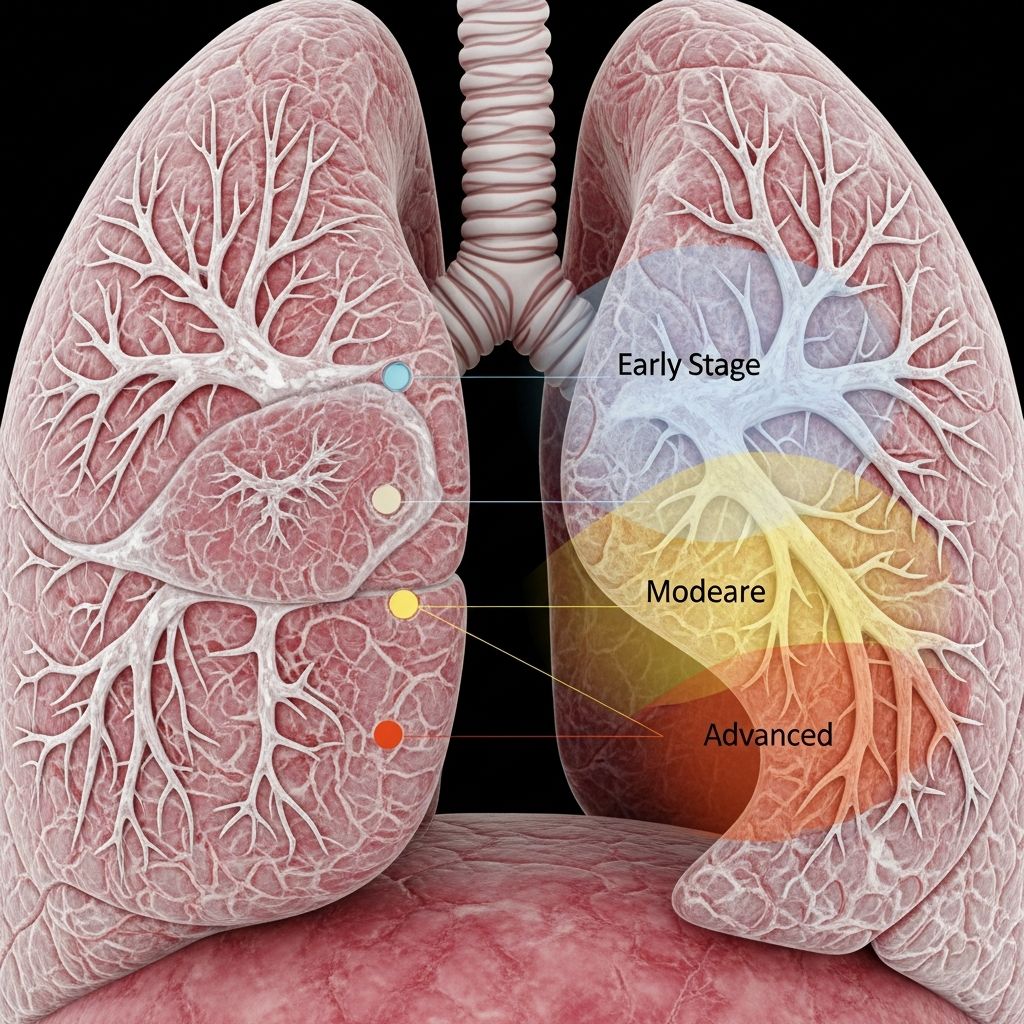
Interstitial lung disease (ILD) represents a group of more than 200 conditions characterized by inflammation and scarring within lung tissue. This serious respiratory condition damages the delicate tissues between the small air sacs in your lungs, known as alveoli, and the blood vessels surrounding them. ILD is also referred to as diffuse parenchymal lung disease (DPLD). The primary consequence of this damage is impaired oxygen transfer from your lungs into your bloodstream, making it progressively difficult to breathe and supply adequate oxygen to your body’s tissues.
When interstitial lung disease develops, the scarring that occurs in your lungs creates significant breathing difficulties and often results in a persistent, dry cough. Beyond these respiratory symptoms, the lack of sufficient oxygen can contribute to chronic fatigue and overall weakness. In severe cases where damage continues to worsen, patients may experience life-threatening complications including recurrent lung infections and respiratory failure, a condition characterized by insufficient oxygen or excess carbon dioxide in the body.
Types and Classification of Interstitial Lung Disease
With over 200 distinct conditions falling under the ILD umbrella, understanding the different types is essential for proper diagnosis and treatment. The most common form is idiopathic pulmonary fibrosis, which accounts for a significant portion of ILD cases. Other prevalent forms include diseases resulting from occupational exposures and those associated with connective tissue disorders.
Pulmonary fibrosis, while a type of interstitial lung disease, is not synonymous with all ILD. It specifically refers to excessive scarring or fibrosis within lung tissue. Many patients mistakenly assume all ILD involves pulmonary fibrosis, but this represents just one category within the broader spectrum of these conditions.
When healthcare providers cannot identify an underlying cause for interstitial lung disease, the condition is classified as idiopathic interstitial pneumonia. Idiopathic pulmonary fibrosis remains the most common ILD with an unknown cause, representing a significant diagnostic and treatment challenge for medical professionals.
Risk Factors and Causes
Understanding who is more susceptible to developing interstitial lung disease helps identify at-risk populations and guide preventive measures. Several factors increase the likelihood of developing ILD, though not all causes are preventable.
Known Causes of Interstitial Lung Disease
Many cases of ILD result from identifiable causes that can be traced to specific exposures, medications, or underlying medical conditions. Known causes include:
- Occupational exposures to harmful substances such as asbestos, silica dust, metal dust, and organic materials
- Medications including certain chemotherapy agents and immunosuppressants
- Radiation therapy to the chest
- Connective tissue diseases such as rheumatoid arthritis and lupus
- Environmental exposures and allergens
- Infections and inflammatory conditions
When ILD develops due to occupational exposure or allergic reactions (hypersensitivity pneumonitis), patients may need to cease working with the causative substance or implement additional protective precautions to prevent further deterioration.
Idiopathic Causes
Idiopathic interstitial lung disease occurs when medical professionals cannot identify any underlying condition or external exposure responsible for the disease development. This represents one of the most challenging diagnostic scenarios, as the absence of an identifiable cause complicates both understanding and treatment of the condition.
Related Stories



Recognizing Symptoms of Interstitial Lung Disease
The symptoms of interstitial lung disease are often subtle and develop gradually over months or years, which frequently delays diagnosis. Many patients only realize the true duration of their symptoms upon reflection with a healthcare provider. Common manifestations include:
- Shortness of breath (dyspnea), which typically worsens with physical activity
- Dry, persistent cough unrelated to cold or infection
- Fatigue and weakness due to insufficient oxygen levels
- Chest discomfort or pain
- Additional symptoms varying based on the underlying cause
In many cases, the initial presentation occurs with abnormalities detected on chest imaging rather than the patient reporting specific symptoms. This underscores the importance of regular health screenings, particularly for individuals with risk factors or occupational exposures.
Diagnosis of Interstitial Lung Disease
Accurate diagnosis of interstitial lung disease is critical, as prognosis and treatment options vary significantly depending on the specific cause and type. A standardized, logical diagnostic approach yields successful identification in the majority of patients.
Diagnostic Testing Methods
Healthcare providers employ multiple diagnostic tools to evaluate suspected ILD:
- Chest radiography and computed tomography (CT) scans to visualize lung abnormalities and scarring patterns
- Pulmonary function tests measuring lung capacity and oxygen diffusion ability
- Laboratory studies to identify autoimmune markers and other relevant indicators
- Bronchoscopy procedures for tissue sampling when necessary
- Comprehensive patient history and physical examination
The distribution of abnormalities on imaging can suggest specific diagnoses. For instance, lower zone distribution patterns often indicate idiopathic pulmonary fibrosis, while upper zone involvement may suggest pneumoconiosis or other occupational diseases. Physiologic features, such as isolated decreases in the diffusing capacity for carbon monoxide, can also help narrow the differential diagnosis.
Understanding Disease Severity and Prognosis
The severity of interstitial lung disease varies considerably among patients. Some individuals experience mild disease that remains relatively stable, while others face rapidly progressive conditions causing severe deterioration. Most forms of ILD result in irreversible lung damage, though the rate of progression and ultimate outcomes depend heavily on the specific diagnosis.
Life Expectancy and Outcomes
Life expectancy for ILD patients depends significantly on the disease type and severity at diagnosis. The overall prognosis varies widely across the spectrum of interstitial lung diseases:
Idiopathic Pulmonary Fibrosis: Patients with this most serious form typically have median survival times ranging from 2 to 5 years after symptom onset, making it the ILD type with the poorest prognosis.
Nonspecific Interstitial Pneumonia: This type shows considerably better outcomes, with estimated median survival exceeding 10 years.
Other Forms: Conditions such as bronchiolitis obliterans organizing pneumonia, desquamative interstitial pneumonia, and respiratory bronchiolitis-associated ILD typically have excellent prognosis.
Granulomatous Diseases: Sarcoidosis and hypersensitivity pneumonitis generally carry favorable prognosis.
For individuals with mild ILD that remains stable without progression, normal life expectancy and quality of life are achievable with appropriate management. Your outlook improves substantially if your disease remains stable rather than continuously worsening.
Treatment Approaches for Interstitial Lung Disease
Currently, no cure exists for interstitial lung disease. Treatment focuses primarily on managing the underlying cause when identifiable, reducing inflammation, slowing disease progression, and improving symptoms and quality of life. Given the diversity of ILD types, treatment plans must be personalized based on the specific diagnosis and individual patient factors.
Medication and Therapeutic Options
Healthcare providers may prescribe various interventions depending on the disease type and severity:
- Anti-inflammatory medications to reduce lung inflammation
- Medications designed to slow disease progression
- Supplemental oxygen therapy to maintain adequate oxygen levels
- Pulmonary rehabilitation and physical therapy programs
- Management of underlying diseases that may contribute to ILD
It is important to note that some ILD treatments can weaken the immune system, requiring close monitoring for potential complications. Healthcare providers will supervise patients taking immunosuppressive medications carefully to detect and manage any adverse effects.
Managing Permanent Scarring
While medications can effectively reduce inflammation, the scarring caused by interstitial lung disease is permanent and cannot be reversed. This distinction is crucial in understanding realistic treatment goals. Rather than reversing damage, medical management aims to prevent additional scarring and preserve remaining lung function.
Preventive Care and Lifestyle Management
The best approach to managing diagnosed interstitial lung disease involves developing a comprehensive plan with your healthcare provider that addresses symptom management and prevents further damage. While many ILD causes cannot be prevented, you can reduce your risk by:
- Managing underlying medical conditions effectively
- Avoiding exposure to harmful substances and respiratory irritants
- Following prescribed treatment regimens consistently
- Participating in pulmonary rehabilitation programs
- Maintaining regular follow-up appointments and monitoring
Complications of Interstitial Lung Disease
In severe cases, interstitial lung disease can lead to life-threatening complications that require immediate medical attention. These include respiratory failure, severe lung infections, and cardiovascular complications. Among patients with idiopathic pulmonary fibrosis, the most common causes of death include respiratory failure, heart failure, bronchogenic carcinoma, ischemic heart disease, infection, and pulmonary embolism.
Frequently Asked Questions About Interstitial Lung Disease
Q: Is interstitial lung disease curable?
A: Currently, there is no cure for interstitial lung disease. However, treatment can help manage symptoms, reduce inflammation, and slow disease progression in many cases.
Q: Can occupational ILD be reversed if I stop the exposure?
A: While stopping exposure prevents additional damage, existing lung scarring cannot be reversed. Early detection and cessation of exposure provide the best chances for limiting progression.
Q: How is ILD different from other lung diseases like COPD or asthma?
A: ILD primarily affects lung tissue and the areas around air sacs, causing scarring. In contrast, COPD and asthma primarily affect airways. ILD is characterized by restrictive lung physiology, while COPD and asthma typically show obstructive patterns.
Q: What should I do if I have symptoms suggestive of ILD?
A: Consult with your healthcare provider or pulmonary specialist immediately. Early diagnosis and intervention can help slow disease progression and improve outcomes.
Q: Are there clinical trials for new ILD treatments?
A: Yes, ongoing research continues to develop new therapeutic approaches. Ask your healthcare provider about potential clinical trial opportunities for your specific type of ILD.
Q: Can ILD affect other organs besides the lungs?
A: In cases of ILD associated with connective tissue diseases, other organs may be affected. Comprehensive evaluation by a healthcare team helps identify and manage systemic involvement.
References
- Interstitial Lung Disease: Stages, Symptoms & Treatment — Cleveland Clinic. 2025. https://my.clevelandclinic.org/health/diseases/17809-interstitial-lung-disease
- Diagnosing Interstitial Lung Disease: A Practical Approach to a Difficult Problem — Cleveland Clinic Journal of Medicine, 2002. https://www.ccjm.org/content/ccjom/68/1/33.full.pdf
- Interstitial Lung Disease Program — Cleveland Clinic Abu Dhabi. 2025. https://www.clevelandclinicabudhabi.ae/en/institutes-and-specialties/integrated-hospital-care/interstitial-lung-disease
- Interstitial Lung Disease Treatment — Cleveland Clinic. 2025. https://my.clevelandclinic.org/services/interstitial-lung-disease-treatment
- Interstitial Lung Disease Outcomes — Cleveland Clinic Department of Respiratory. 2025. https://my.clevelandclinic.org/departments/respiratory/outcomes/1183-interstitial-lung-disease
Similar Articles








Read full bio of medha deb