Intertrigo: Causes, Symptoms, and Treatment
Understand intertrigo: Learn about causes, symptoms, and effective treatment options for skin fold rashes.
Introduction to Intertrigo
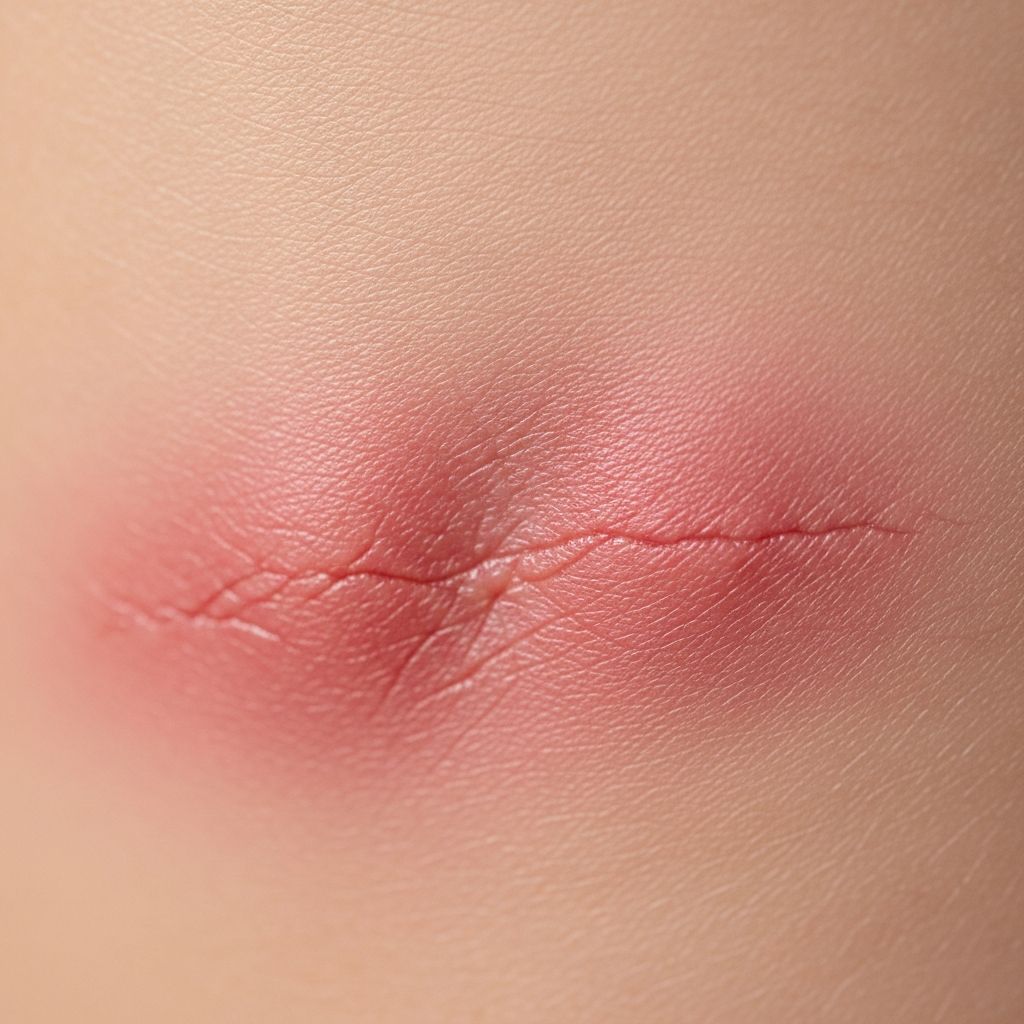
Intertrigo describes a rash that develops in skin folds, also known as intertriginous dermatitis. This inflammatory condition occurs in areas where skin surfaces come into close contact, creating an environment conducive to irritation and infection. The term “intertrigo” derives from Latin words—inter (meaning “between”) and terere (meaning “to rub”)—which accurately illustrate the condition’s underlying physiology.
Intertrigo is a sign of inflammation or infection and commonly affects multiple body sites simultaneously. The condition is characterized by red, sore, and often weeping skin in affected areas. While intertrigo can occur at any age, it is particularly prevalent in infants, older adults, and individuals with certain risk factors.
Common Locations of Intertrigo
Intertrigo can develop in virtually any skin fold where moisture accumulates and friction occurs. The most commonly affected areas include:
- Behind the ears and in the neck folds
- Under the arms (axillae)
- Under a protruding abdomen
- In the groin and perineal area
- Between the buttocks
- Between the fingers and toes
- In the knee or elbow bends
- Under the breasts in women
- In the navel area
- In infants, the diaper area (diaper dermatitis)
Although intertrigo can affect only one skin fold, it commonly involves multiple sites simultaneously.
Demographics and Risk Factors
Intertrigo affects individuals across all age groups, but certain populations are more susceptible to developing this condition. Understanding risk factors is essential for prevention and early identification.
High-Risk Populations:
- Infants: Particularly in the diaper area, where constant moisture and friction create ideal conditions for inflammation
- Older adults: Especially those who are bedridden or have reduced mobility
- Obese or overweight individuals: Increased skin folds create more areas where moisture and friction can cause problems
- Diabetic patients: Elevated blood sugar levels compromise skin health and immune function
- Individuals with weakened immune systems: Increased susceptibility to secondary infections
- Bedridden patients: Limited mobility and prolonged contact between skin surfaces increase risk
Environmental factors also play a significant role in intertrigo development, with higher incidence during hot, humid seasons when perspiration increases.
Clinical Features and Symptoms
Intertrigo typically presents with a chronic, subtle onset of symptoms that may escalate with secondary infection. Patients often experience a combination of uncomfortable sensations in affected skin folds.
Primary Symptoms:
- Redness and soreness on both sides of the skin fold
- Itching and burning sensations
- Weeping or oozing skin
- Tingling or pain in affected areas
- Visible erythematous (red) patches of varying intensity
If left untreated, intertrigo can progress to more severe manifestations. The skin may develop painful cracks, start to peel, or form erosions. When secondary infections develop—particularly with fungi or bacteria—additional complications arise, including scabs, pustules, and in some cases, an unpleasant odor.
Related Stories



An acute change in symptoms often indicates secondary infection with Candida albicans, bacteria, or other pathogens.
Causes and Pathophysiology
Intertrigo develops through a combination of mechanical factors and environmental conditions that create an ideal setting for inflammation and infection.
Primary Triggering Factors:
- Moisture accumulation: Sweat and humidity in skin folds create a damp environment
- Friction: Constant rubbing between adjacent skin surfaces causes irritation and epidermal damage
- Heat: Flexural areas have higher surface temperatures, which accelerates maceration
- Poor air circulation: Skin folds naturally have limited airflow, trapping heat and moisture
The combination of these factors damages the top skin layer, triggering inflammation. The elevated temperature and moisture create an environment where the yeast fungus Candida—which occurs naturally on the skin—thrives and overgrows.
Mechanical friction between adjacent skin surfaces causes direct epidermal inflammation, while moisture and sweat accumulation lead to maceration of the stratum corneum and epidermis. This deterioration of the skin barrier makes it vulnerable to both fungal and bacterial colonization.
Secondary Infections
One of the most significant complications of intertrigo is secondary infection. When the protective skin barrier is compromised, microorganisms can proliferate, worsening the condition considerably.
Common Secondary Pathogens:
- Candida albicans: The yeast fungus most frequently responsible for secondary infection
- Bacteria: Including Staphylococcus and Streptococcus species
- Viral pathogens: Can also contribute to infection, though less commonly
- Dermatophytes: Fungal organisms that may cause additional complications
The presence of secondary infection significantly increases symptom severity and may require antimicrobial therapy for effective resolution.
Diagnosis and Investigations
Intertrigo is primarily diagnosed clinically based on its characteristic appearance and location in skin folds. However, additional investigations may be necessary in complex cases to identify specific pathogens and guide appropriate treatment.
Diagnostic Approaches:
- Clinical examination: Visual assessment of erythematous patches in flexural surfaces
- Patient history: Identification of activities causing skin-to-skin friction and environmental exposure
- Skin scraping: Microscopic examination to identify fungal or bacterial pathogens
- Culturing: Laboratory analysis to determine specific microorganisms and guide targeted treatment
- KOH (Potassium Hydroxide) preparation: Used to identify fungal elements, particularly Candida
An acute change in symptoms may prompt more detailed investigation to rule out secondary infection.
Treatment and Management
Effective treatment of intertrigo focuses on identifying and addressing the underlying causes while preventing secondary infections. A multifaceted approach combining preventive measures and targeted therapies typically yields the best results.
Preventive Measures and Skin Care
The foundation of intertrigo management involves maintaining dry skin and preventing friction in affected areas. These measures are often sufficient for mild cases and help prevent recurrence.
- Keep skin folds dry by patting gently with soft towels after bathing
- Use sweat-inhibiting deodorants and antiperspirants in vulnerable areas
- Apply drying powders designed for skin folds
- Place soft gauze strips or compresses in sore skin folds during heavy sweating
- Allow air exposure to affected areas as often as possible
- Bathe or shower after physical activity that causes excessive perspiration
- Wear loose, breathable clothing to minimize friction
- Maintain good hygiene practices to reduce microbial colonization
Topical Antimicrobial Therapy
When secondary infections are present, specific antimicrobial agents are prescribed based on the causative organism.
For Fungal Infections:
- Clotrimazole cream (effective for candidal intertrigo)
- Ketoconazole ointment
- Oxiconazole preparations
- Topical nystatin (specifically effective for candidal infections)
For Bacterial Infections:
- Mupirocin or bacitracin (for mild bacterial infections)
- Topical antibiotic ointments
- Oral antibiotics such as flucloxacillin or erythromycin (for gram-positive bacteria like Staphylococcus or Streptococcus)
Anti-Inflammatory Treatment
Low-dose cortisone ointments and other anti-inflammatory agents are used to reduce inflammation and accelerate healing. These topical treatments help manage discomfort and promote skin recovery.
Barrier Creams and Protective Agents
Adjunct therapies such as drying agents and barrier creams help manage moisture in affected areas and protect the skin from further irritation.
Course and Prognosis
The duration and outcome of intertrigo depend largely on how effectively the triggering factors are managed. When treatment is implemented correctly, the condition typically resolves quickly. However, if the triggering factors persist, intertrigo can become chronic or repeatedly recur.
The key to successful management and prevention of recurrence is maintaining long-term awareness of moisture and friction in vulnerable skin folds, particularly during hot and humid seasons.
Frequently Asked Questions
Q: Is intertrigo contagious?
A: Simple intertrigo caused only by friction and moisture is not contagious. However, when secondary infections develop—particularly fungal infections like candidiasis—transmission to other individuals is possible through direct contact. Proper hygiene and treatment of secondary infections help prevent spread.
Q: How long does it take for intertrigo to heal?
A: With proper treatment and management of triggering factors, mild intertrigo typically resolves quickly. The duration depends on infection severity and adherence to preventive measures. Secondary infections may require several weeks of treatment with appropriate antimicrobial agents.
Q: Can intertrigo be prevented?
A: Yes, intertrigo can largely be prevented through appropriate hygiene practices, keeping skin folds dry, wearing breathable clothing, and using antiperspirants or drying powders in vulnerable areas. Individuals with risk factors should be particularly vigilant about preventive measures.
Q: When should I see a healthcare provider for intertrigo?
A: Consult a healthcare provider if intertrigo does not improve with home care measures within one to two weeks, if signs of secondary infection develop (such as pustules, scabs, or discharge), or if you have underlying conditions like diabetes or a weakened immune system that may complicate treatment.
Q: Can overweight individuals reduce their risk of intertrigo?
A: Maintaining healthy body weight reduces the number and severity of skin folds, decreasing intertrigo risk. Additionally, diligent skin care, moisture management, and the use of drying agents in existing folds help prevent inflammation and infection.
Q: Are certain seasons worse for intertrigo?
A: Yes, intertrigo tends to have higher incidence during hot and humid seasons when perspiration increases and moisture accumulates in skin folds. Individuals should implement particularly rigorous preventive measures during these periods.
References
- Intertrigo (intertriginous dermatitis): skin care — Federal Ministry of Health (Gesund.bund.de). 2024. https://gesund.bund.de/en/intertrigo
- Intertrigo — National Center for Biotechnology Information (NCBI Bookshelf), StatPearls. 2025. https://www.ncbi.nlm.nih.gov/books/NBK531489/
- Intertrigo (Rash in body folds): Causes, Images, and More — DermNet New Zealand. 2024. https://dermnetnz.org/topics/intertrigo
Similar Articles








Read full bio of medha deb