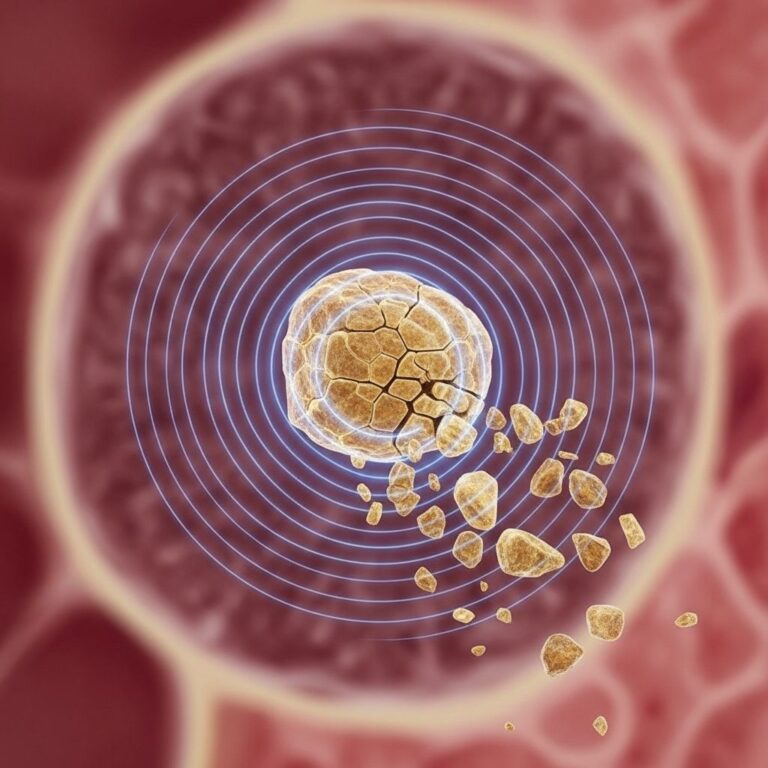
Interventional Radiology: Minimally Invasive Treatment Solutions
Advanced image-guided procedures treating cancer, vascular disease, and more with minimal invasion.
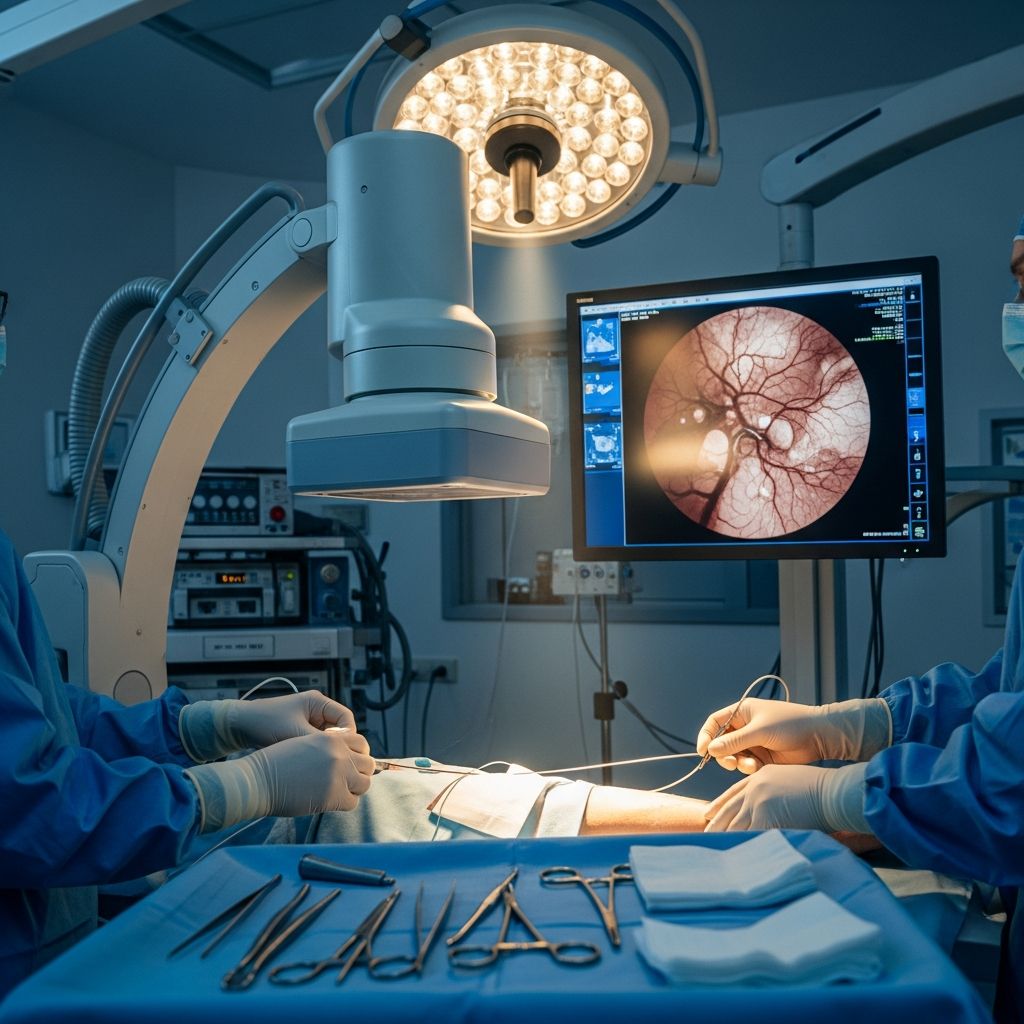
Understanding Interventional Radiology
Interventional radiology (IR) represents a specialized field within medicine that combines advanced imaging technology with minimally invasive therapeutic procedures. Unlike traditional surgery, interventional radiologists use real-time imaging guidance—including MRI, CT scans, ultrasound, and fluoroscopy—to navigate instruments through the body with precision, treating a wide variety of conditions across nearly every organ system. This imaging-based subspecialty has evolved dramatically since its inception in the early 20th century, transforming from diagnostic-only imaging into a distinct clinical discipline with its own training pathways and therapeutic capabilities.
The field earned the colloquial description of “high-tech plumbers” because interventional radiologists work extensively with the vascular system as a guide, using blood vessels and other natural pathways to reach target organs and tissues. This approach allows physicians to deliver treatment directly to affected areas while minimizing trauma to surrounding healthy tissue, reducing recovery time, and improving patient outcomes compared to traditional surgical interventions.
How Interventional Radiology Works
Interventional radiologists perform percutaneous procedures—meaning they access the body through small openings in the skin rather than large surgical incisions. Using multiple imaging modalities simultaneously, they visualize the exact location where treatment is needed, guide catheters, guidewires, and other specialized instruments to that location, and deliver therapeutic interventions with remarkable precision.
The workflow typically begins with patient consultation. Interventional radiologists meet with patients in dedicated clinics before procedures to establish physician-patient relationships, discuss treatment options, explain the advantages and disadvantages of various approaches, and address any concerns. This consultative approach ensures patients are fully informed participants in their care journey. Once patients are admitted for their procedures, they receive care directly from the interventional radiologist, and many procedures are completed on an outpatient basis, allowing patients to return home the same day.
Primary Treatment Areas and Conditions
Interventional radiology addresses conditions across virtually every body region, with particular expertise in several key areas:
Vascular and Cardiovascular Conditions
Interventional radiologists have been pioneers in treating blood vessel pathologies for over 30 years. They manage blockages in arteries, treat bleeding complications, and address various vascular malformations. Conditions treated include deep venous thrombosis (DVT), peripheral arterial disease, renal artery disease, and chronic total occlusions. Interventional radiologists developed and continue to refine many of the pioneering techniques now employed throughout medicine, including cardiac catheterization and invasive vascular interventional procedures.
Cancer Treatment and Management
Over the past 15 years, interventional radiology has become a frontline specialty for cancer treatment and maintenance therapy. Interventional radiologists employ image-guided ablative therapies and other minimally invasive techniques to treat primary tumors and metastatic disease. Specific expertise includes treatment of liver cancers, kidney tumors, lung cancers, and bone malignancies. These interventions offer patients effective cancer management with reduced morbidity compared to traditional surgical approaches.
Gynecological Conditions
Interventional radiologists treat uterine fibroids using minimally invasive techniques that preserve fertility and reduce recovery time. These procedures address both the symptoms of fibroids and underlying causes, offering alternatives to hysterectomy for many patients.
Pain Management and Other Conditions
The specialty addresses chronic pain conditions through targeted interventions. Additionally, interventional radiologists treat infertility issues, diabetes-related complications, and various liver and kidney pathologies, providing minimally invasive solutions unique to radiologic practice.
Specialized Procedural Services
Beyond therapeutic interventions, interventional radiologists perform critical venous access procedures essential for patient care. These include central catheter placement, chest port insertion, and feeding tube placement. These procedures require precise imaging guidance to ensure proper positioning and minimize complications. Such services represent vital support functions that interventional radiologists provide throughout the hospital, assisting other physicians and departments in delivering comprehensive patient care.
Related Stories



Imaging Technologies in Interventional Radiology
The arsenal of imaging modalities available in modern interventional radiology suites enables unprecedented precision in diagnosis and treatment. X-ray radiography and fluoroscopy provide real-time visualization of instruments and anatomy during procedures. Computed tomography (CT) offers detailed cross-sectional images for treatment planning and guidance. Magnetic resonance imaging (MRI) provides superior soft-tissue contrast for certain applications. Ultrasound delivers portability and real-time feedback without radiation. Emerging technologies, including molecular imaging and multimodality hybrid environments, continue to expand the capabilities of interventional radiologists.
These imaging tools work in concert within dedicated interventional radiology suites, allowing physicians to see inside the body and precisely navigate instruments to target tissues. The integration of high-precision imaging with minimally invasive techniques represents the cornerstone of interventional radiology practice, enabling innovative procedures and supporting other physicians throughout healthcare systems.
Training and Expertise at Leading Institutions
Top-tier interventional radiology programs, such as those at Johns Hopkins Medicine, maintain rigorous training standards to ensure practitioners possess comprehensive expertise. Johns Hopkins operates a high-level training program including an interventional radiology fellowship and residency program recognized as among the nation’s finest. These training pathways ensure that interventional radiologists develop expertise across the full spectrum of minimally invasive procedures, imaging interpretation, patient management, and procedural skills.
The specialty attracts physicians with diverse interests and specialized expertise. For example, interventional radiologists at leading institutions develop particular competencies in specific disease areas—such as oncology, vascular disease, or liver pathology—while maintaining broad capabilities across the entire field. This combination of general expertise and specialized focus ensures patients receive care from physicians with both comprehensive knowledge and deep experience in their specific conditions.
Research and Innovation
Leading interventional radiology divisions maintain robust research missions alongside clinical services. Johns Hopkins and similar institutions have developed many of the therapeutic procedures now deployed throughout medicine, including pioneering cancer therapies, treatments for vascular malformations, and solutions for biliary and liver pathologies. Ongoing research continues to identify new treatment options that prioritize minimal invasiveness, enabling patients to undergo complex therapeutic procedures in outpatient settings with faster recovery and improved quality of life.
The legacy of research within interventional radiology demonstrates the field’s commitment to advancing minimally invasive medicine. By combining clinical practice with investigation, interventional radiologists continue expanding treatment possibilities and improving outcomes for patients with previously difficult-to-treat conditions.
The Multidisciplinary Approach
Interventional radiologists function as vital team members within larger healthcare systems, offering consultative expertise to colleagues across specialties. Whereas some physicians focus exclusively on diagnosis or exclusively on surgery, interventional radiologists integrate imaging interpretation with therapeutic intervention, positioning them uniquely to provide comprehensive care. This multidisciplinary approach enhances collaboration, enabling physicians from various specialties to refer patients for minimally invasive solutions while interventional radiologists consult on complex cases requiring specialized imaging and procedural expertise.
Patient-Centered Care Philosophy
Modern interventional radiology emphasizes patient-centered care that extends beyond the procedure itself. Physicians establish relationships with patients through dedicated clinics, discussing not only technical aspects of treatment but also quality of life considerations and overall well-being. Interventional radiologists serve as partners in patients’ therapeutic journeys, offering minimally invasive alternatives that respect patient preferences while delivering effective treatment.
The ability to perform complex therapeutic interventions through small puncture sites rather than large surgical incisions means patients experience reduced pain, shorter hospitalizations, faster recovery, and earlier return to normal activities. For many conditions, outpatient procedures replace hospitalizations, improving patient convenience and reducing healthcare system burden.
Advantages of Minimally Invasive Interventional Procedures
Interventional radiology offers numerous advantages compared to traditional surgical approaches:
- Smaller incisions reduce tissue trauma and pain
- Faster recovery times allow earlier return to normal activities
- Many procedures are performed on an outpatient basis
- Real-time imaging guidance ensures precision and safety
- Reduced infection risk compared to traditional surgery
- Effective treatment for conditions across multiple organ systems
- Innovative solutions not available through other medical specialties
Future Directions in Interventional Radiology
The future of interventional radiology appears exceptionally bright. Emerging technologies continue expanding procedural possibilities, with particular focus on developing treatments deliverable through minimal invasiveness—accessing target tissues through small openings while achieving outcomes previously requiring more invasive approaches. As imaging technology advances and procedural techniques improve, interventional radiologists will likely expand treatment options for additional disease states while improving outcomes for currently treatable conditions.
Research initiatives explore novel imaging modalities, advanced navigation systems, and innovative therapeutic agents. The integration of artificial intelligence and machine learning into image interpretation and procedural guidance promises to enhance precision further. These advances position interventional radiology to remain at medicine’s forefront, providing patients with increasingly effective, minimally invasive treatment options.
Frequently Asked Questions
Q: What is the difference between interventional radiology and diagnostic radiology?
A: Diagnostic radiology focuses on obtaining and interpreting images to identify disease. Interventional radiology combines imaging interpretation with therapeutic procedures performed through small puncture sites, treating conditions directly using minimally invasive techniques.
Q: Are interventional radiology procedures safe?
A: Yes, interventional procedures are generally safe when performed by experienced physicians in appropriate settings. Real-time imaging guidance ensures precise instrument placement, and the minimally invasive nature reduces risks compared to traditional surgery.
Q: How long does recovery take after an interventional procedure?
A: Recovery times vary depending on the specific procedure and patient factors, but many interventional procedures allow same-day discharge with minimal activity restrictions. Most patients can resume normal activities within days, compared to weeks or months following traditional surgery.
Q: Can interventional radiology treat cancer?
A: Yes, interventional radiologists employ image-guided ablative therapies and other minimally invasive techniques to treat primary tumors and metastatic cancer throughout the body, including liver, kidney, lung, and bone malignancies.
Q: What conditions does interventional radiology treat?
A: Interventional radiology treats conditions across nearly every organ system, including vascular diseases, cancer, uterine fibroids, chronic pain, deep venous thrombosis, infertility, diabetes complications, and various liver and kidney pathologies.
Q: How are interventional radiologists trained?
A: Interventional radiologists complete medical school, radiology residency, and additional specialized fellowship or residency training in interventional radiology, typically requiring 6+ years of postgraduate training at top-tier institutions.
References
- Interventional Radiology at Johns Hopkins — Johns Hopkins Medicine. 2017. https://www.hopkinsmedicine.org/health/treatment-tests-and-therapies/interventional-radiology
- The Division of Interventional Radiology — Johns Hopkins Medicine. 2017. https://www.hopkinsmedicine.org/interventional-radiology/index.html
- Imaging in Interventional Radiology: 2043 and Beyond — Radiology, Vol. 308, No. 1. 2023. https://doi.org/10.1148/radiol.230146
Similar Articles








Read full bio of medha deb