Intestinal Parasites & Worms: Symptoms, Types, Treatment
Understanding intestinal parasites: recognize symptoms, identify types, and explore treatment options.
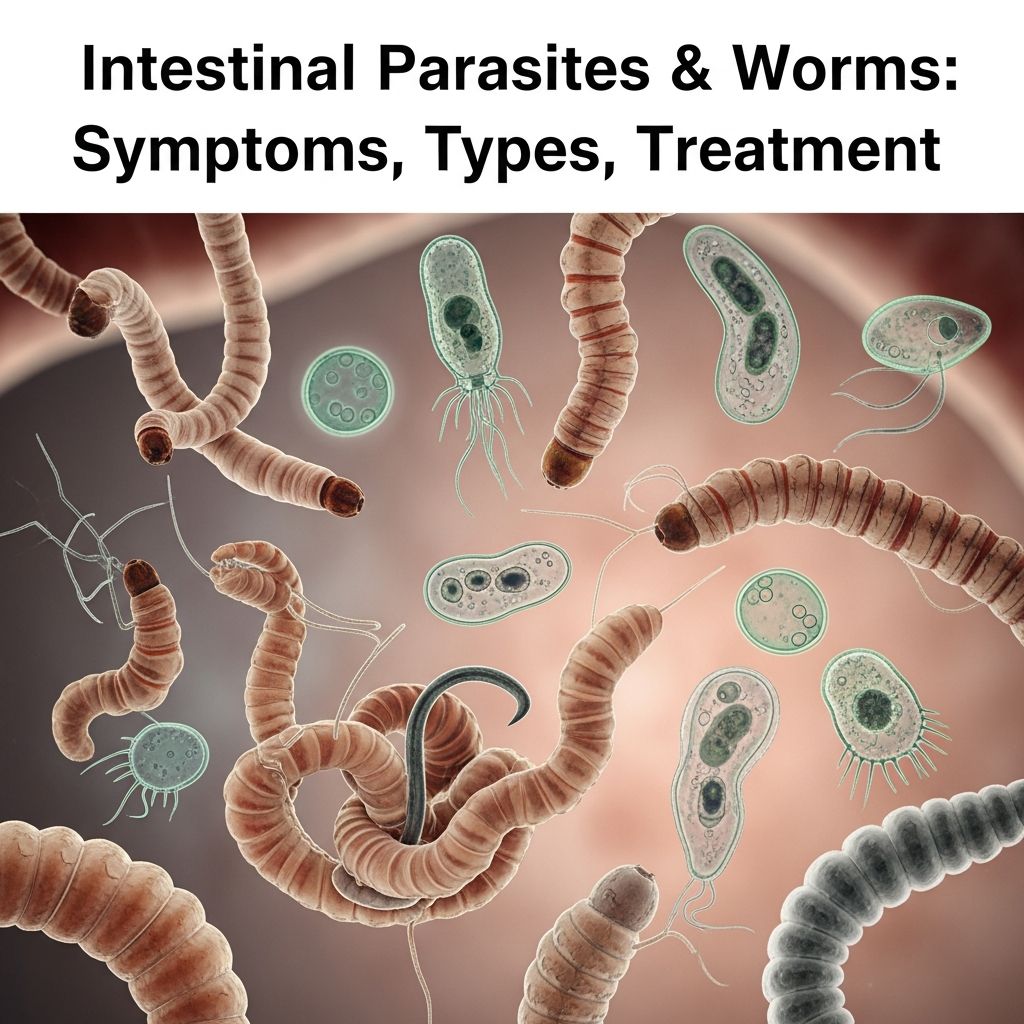
Understanding Intestinal Parasites and Worms
Intestinal parasites are microscopic organisms that depend on human hosts to survive, reproduce, and thrive. These parasites include both worms and one-celled organisms that inhabit the gastrointestinal tract, using the intestinal environment as their primary habitat for hatching, growth, and reproduction. Unlike beneficial bacteria that aid digestion, intestinal parasites consume nutrients and can damage the intestinal lining, leading to various health complications.
These infections spread through the ingestion of microscopic parasite eggs, often unknowingly consumed through contaminated food, water, or contact with infected surfaces. Once inside the body, the eggs develop into adult parasites that establish themselves in the intestines. The good news is that most parasitic infections can be effectively treated with antiparasitic medications and antibiotics.
Common Types of Intestinal Parasites
Different regions experience different prevalence rates of parasitic infections. In the United States, the epidemiology of intestinal parasites shows distinct patterns among various parasite types.
Protozoa Infections
Protozoa are the most common parasitic infections in the United States, with giardia being the leading culprit. Giardia lamblia causes giardiasis, characterized by severe diarrhea, abdominal cramping, and malabsorption issues. These single-celled organisms are particularly prevalent in areas with compromised water sanitation systems and spread rapidly in institutional settings.
Pinworms (Roundworms)
Pinworms represent the most common intestinal worm infection in the United States. These small, thread-like parasites primarily affect children but can infect individuals of any age. Pinworms cause intense itching around the anal area, particularly at night, and are easily transmitted through contaminated bedding, clothing, and hand-to-mouth contact.
Tapeworms
Tapeworms are ribbon-like parasites that can grow quite large within the intestines. Unlike other parasites, tapeworms often show visible signs in stool samples. Segments of tapeworms sometimes break off into feces along with eggs, appearing as small grains of white rice in the toilet. Tapeworm infections typically result from consuming undercooked contaminated meat or fish.
Other Parasitic Worms
Additional parasitic worms that affect the human gastrointestinal tract include roundworms (Ascaris lumbricoides), hookworms, and whipworms. Each type has distinct transmission methods and clinical presentations, though they all require professional diagnosis and treatment.
Recognizing Symptoms of Intestinal Parasites
Intestinal parasite infections present with a wide range of symptoms, though notably, some infections remain asymptomatic. When symptoms do occur, their nature and severity depend on the specific parasite type, the quantity of parasites present, and the individual’s immune system strength.
Common Symptomatic Presentations
The most frequently reported symptoms of intestinal parasites include:
- Abdominal pain and cramping
- Chronic diarrhea or loose stools
- Constipation
- Nausea and vomiting
- Loss of appetite
- Unintended weight loss
- Fatigue and weakness
- Bloating and gas
- Nutritional deficiencies
- Anal itching (particularly with pinworms)
- Allergic reactions or skin rashes
Related Stories



Asymptomatic Infections
A critical aspect of parasitic infections is that many individuals carry parasites without experiencing noticeable symptoms. This asymptomatic state can persist for extended periods, during which the infected person unknowingly transmits the parasite to others. Regular screening is particularly important for individuals in high-risk categories or those with known exposure to contaminated environments.
Diagnostic Methods for Intestinal Parasites
Accurate diagnosis of intestinal parasites requires specific laboratory testing and clinical evaluation. Healthcare providers employ multiple diagnostic approaches depending on the suspected parasite type and symptom presentation.
Initial Clinical Assessment
Your healthcare provider begins by obtaining a detailed medical history and asking about specific symptoms, travel history, food consumption patterns, and potential exposure to contaminated water or food. A physical examination follows, during which the provider may palpate the abdomen to identify tenderness or other abnormalities.
Stool Testing
Stool examination represents the primary diagnostic tool for most intestinal parasites. In most cases, this is the only test necessary for diagnosis. Typically, healthcare providers request three or more stool samples collected over several days. These samples are sent to a laboratory where technicians examine them under microscopes to identify parasite eggs (ova) or adult worms.
It’s important to note that parasite eggs are extremely small and invisible to the naked eye. Usually, it’s the eggs rather than the worms themselves that appear in fecal samples, requiring microscopic examination for detection. Laboratory technicians use specialized staining techniques and concentration procedures to maximize parasite recovery from specimens.
Additional Diagnostic Tests
When stool testing proves inconclusive or when specific parasites are suspected, healthcare providers may order additional diagnostic tests:
- Blood tests: These can detect parasites that have entered the bloodstream or antibodies produced in response to parasitic infection
- Imaging studies: X-rays, CT scans, and MRI imaging can reveal parasites in organs and identify tissue damage or lesions caused by severe infections
- Serological testing: Blood tests that detect antibodies against specific parasites
- Endoscopy: Visual examination of the intestinal tract using a camera, useful when parasites are suspected in upper gastrointestinal regions
Treatment Approaches for Parasitic Infections
Treatment of intestinal parasites depends on the specific parasite identified and the severity of the infection. While some parasitic infections may resolve spontaneously, most require prescription medications to completely eliminate the parasites.
Antiparasitic Medications
Antiparasitic drugs represent the primary treatment modality for intestinal parasitic infections. These medications work through various mechanisms to combat parasites:
- Paralyzing parasites to prevent reproduction and movement
- Inhibiting parasite growth and development
- Killing adult parasites directly
- Destroying parasite eggs to prevent transmission
The specific antiparasitic medication prescribed depends on the parasite type, infection severity, and individual patient factors. Treatment duration typically ranges from one to three days, though some infections may require longer courses of therapy.
Treatment Timeline and Recovery
Most patients experience symptom improvement rapidly, often before all parasites are completely eliminated. An important consideration during treatment is that dead parasites may be expelled through bowel movements, which can be visually alarming but represents successful treatment. Complete symptom resolution typically occurs within one to two weeks following appropriate antiparasitic therapy.
Antibiotic Support
In certain cases, healthcare providers may prescribe antibiotics alongside antiparasitic medications, particularly when bacterial infections have developed secondary to parasitic damage or when specific parasites require antibiotic coverage.
Prevention Strategies for Intestinal Parasites
Preventing parasitic infections involves practical measures to minimize exposure to contaminated food and water sources:
- Practice thorough hand hygiene, especially before eating and after using the bathroom
- Cook meat and fish thoroughly to kill parasite cysts and larvae
- Wash fruits and vegetables carefully under running water
- Drink filtered or boiled water in areas with questionable water sanitation
- Maintain proper sanitation in households, particularly with children
- Avoid swimming in potentially contaminated water sources
- Follow proper food storage and handling practices
When to Seek Medical Attention
Consult a healthcare provider if you experience persistent gastrointestinal symptoms, unexplained weight loss, or suspect parasitic infection following travel to endemic areas. Early diagnosis and treatment prevent complications and reduce transmission risk to others. Individuals with immunocompromised conditions should seek prompt medical evaluation for any gastrointestinal symptoms.
Frequently Asked Questions
Q: Can intestinal parasites be transmitted person-to-person?
A: Yes, some parasites like pinworms spread easily through person-to-person contact, contaminated bedding, and shared bathroom facilities. Proper hygiene and treatment of all household members can prevent transmission.
Q: How long does parasitic infection treatment take?
A: Most antiparasitic medications require one to three days of treatment. However, complete symptom resolution may take one to two weeks as the body eliminates dead parasites and recovers from intestinal inflammation.
Q: Are intestinal parasites common in developed countries?
A: Yes, parasitic infections occur in developed nations, with giardia and pinworms being particularly common in the United States. Proper sanitation reduces but does not eliminate infection risk.
Q: Can I see parasites in my stool?
A: Parasite eggs are too small to see with the naked eye and require microscopic examination. However, tapeworm segments and some adult worms may be visible as small rice-like particles or thread-like structures in feces.
Q: What should I do if diagnosed with intestinal parasites?
A: Follow your healthcare provider’s prescribed antiparasitic medication regimen exactly as directed. Ensure all household members are tested and treated if necessary. Maintain strict hygiene practices to prevent reinfection and transmission.
References
- Intestinal Parasites & Worms: Symptoms, Types, Treatment — Cleveland Clinic. 2024. https://my.clevelandclinic.org/health/diseases/intestinal-parasites
- Laboratory Diagnosis of Parasites from the Gastrointestinal Tract — American Society for Microbiology. 2018. https://pubmed.ncbi.nlm.nih.gov/29142079/
- Laboratory Diagnosis of Parasites from the Gastrointestinal Tract — Clinical Microbiology Reviews. 2017. https://journals.asm.org/doi/10.1128/cmr.00025-17
- Parasites: Types, Symptoms, Treatment & Prevention — Cleveland Clinic. 2024. https://my.clevelandclinic.org/health/diseases/24911-parasites
- Ascariasis: Symptoms, Causes & Transmission, Treatment — Cleveland Clinic. 2024. https://my.clevelandclinic.org/health/diseases/14071-ascariasis
- Roundworms: Parasitic Infection, Pinworm Symptoms, Treatment — Cleveland Clinic. 2024. https://my.clevelandclinic.org/health/diseases/15240-roundworms
Similar Articles








Read full bio of Sneha Tete