Intra-abdominal Abscess: Causes, Symptoms & Treatment
Complete guide to intra-abdominal abscess: understanding symptoms, diagnosis, and effective treatment options.
Understanding Intra-abdominal Abscess
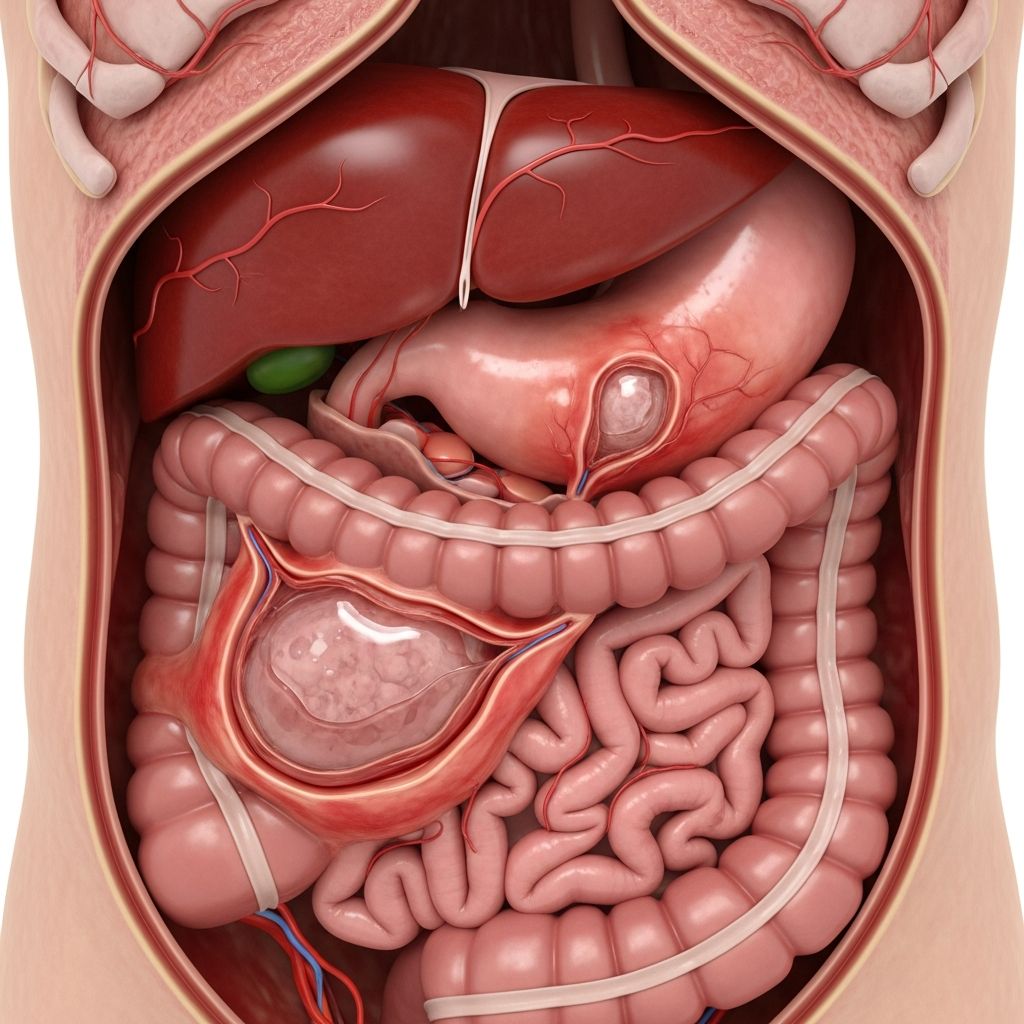
An intra-abdominal abscess is a localized collection of pus or infected fluid that accumulates within the peritoneal or retroperitoneal space of the abdomen. This condition develops when bacteria become trapped and walled off by surrounding tissue, creating an enclosed pocket of infection. Intra-abdominal abscesses represent a serious medical condition that requires prompt recognition and appropriate treatment to prevent life-threatening complications such as sepsis or septic shock.
The formation of these abscesses typically results from disruption of the normal anatomical barriers that protect the abdominal cavity. Common causes include gastrointestinal perforation, surgical complications, trauma, or localized infections that spread beyond their initial site. Understanding the pathophysiology, clinical presentation, and management strategies is essential for healthcare providers and patients alike.
Causes and Risk Factors
Intra-abdominal abscesses develop through various mechanisms, with the most common being bacterial inoculation into the peritoneal cavity. The formation of these collections involves complex interactions between infection, inflammation, and the body’s immune response attempting to localize the infection.
Common Causes
Several conditions can lead to the development of intra-abdominal abscesses. Appendicitis and diverticulitis are among the most frequent etiologies, accounting for a significant proportion of cases. Bowel perforation from any cause creates an ideal environment for bacterial translocation and abscess formation. Penetrating abdominal trauma, whether from accidents or penetrating injuries, can introduce bacteria into the peritoneal cavity. Surgical interventions, including abdominal surgery and gastrointestinal procedures, carry inherent risks for abscess formation, particularly if complications such as anastomotic leaks occur.
Inflammatory bowel diseases, including Crohn’s disease and ulcerative colitis, increase susceptibility to abscess formation due to chronic inflammation and potential perforation. Perforated peptic ulcers represent another significant risk factor. Additionally, infections of other abdominal organs such as pancreatitis or cholecystitis can progress to abscess formation if not promptly treated.
Risk Factors for Development
Certain patient populations and clinical scenarios carry elevated risk for abscess formation. Recent abdominal surgery or trauma represents a significant risk period, as the normal anatomical barriers are disrupted. Preoperative corticosteroid use impairs immune function and increases susceptibility to serious infections. Delayed diagnosis and treatment of primary intra-abdominal infections substantially increase the likelihood of abscess formation. Comorbid conditions such as diabetes, immunosuppression, and renal failure compromise the immune system’s ability to contain localized infections. Antibiotic resistance patterns in infecting organisms can complicate treatment and increase morbidity.
Pathophysiology of Abscess Formation
The development of an intra-abdominal abscess involves a sophisticated interplay between bacterial virulence, host immune response, and the unique microenvironment within the abdominal cavity. When bacteria are introduced into the peritoneal space, the body’s immune system activates multiple defense mechanisms to contain and eliminate the threat.
Postoperative fluid collections typically become organized into encapsulated abscesses within five to seven days. These localized purulent collections are walled off by adhesions involving the omentum and nearby viscera, representing the host’s containment strategy. The abscess cavity develops through a complex inflammatory cascade involving neutrophils, macrophages, and cytokines including tumor necrosis factor-alpha (TNF-α), interleukin-1 (IL-1), and interleukin-6 (IL-6).
Related Stories



The microenvironment within an abscess is uniquely hostile to both bacteria and antibiotics. The hypoxic, acidotic conditions and hypertonic osmotic environment create specific survival niches for anaerobic bacteria. Certain pathogens, such as Bacteroides fragilis, possess virulence factors like polysaccharide capsules that enhance their survival within this adverse environment. This specialized microecology explains why antimicrobial therapy alone often fails without source control through drainage.
Clinical Presentation and Symptoms
Patients with intra-abdominal abscesses typically present with a constellation of symptoms reflecting systemic infection and localized inflammation. The clinical presentation can vary depending on abscess size, location, and acuity of development.
Key Diagnostic Symptoms
The classic triad of presentation includes fever or hypothermia, abdominal pain, and systemic signs of infection. Fever typically indicates active infection, though some patients may present with hypothermia, which suggests more severe systemic infection. Abdominal pain is usually localized to the region of the abscess but may be diffuse in large collections or in cases of peritonitis. Leukocytosis, evidenced by elevated white blood cell counts, is commonly present and reflects the inflammatory response.
Rectal tenderness and fullness represent important diagnostic findings, particularly for lower abdominal or pelvic abscesses. Recent history of surgery, trauma, or intra-abdominal infection should raise clinical suspicion for abscess formation in symptomatic patients.
Associated Symptoms
Patients frequently experience additional manifestations of infection and inflammation. Tachycardia occurs due to systemic inflammatory response. Changes in bowel habits, including constipation or diarrhea, may occur depending on abscess location. Prolonged ileus can develop, resulting in abdominal distension and reduced oral tolerance. Anorexia and loss of appetite are common systemic symptoms. Nausea and vomiting may accompany the infection, particularly if the abscess irritates the peritoneum or causes partial bowel obstruction.
Physical examination may reveal a palpable abdominal mass in accessible locations. Signs of sepsis, including tachycardia, tachypnea, and hypotension, indicate progression to systemic infection and represent a medical emergency. Shock and altered mental status suggest severe sepsis or septic shock requiring immediate intervention.
Diagnosis and Imaging
Accurate diagnosis of intra-abdominal abscess requires high clinical suspicion combined with appropriate imaging studies. The diagnosis is often challenging because symptoms can mimic other acute abdominal conditions.
Imaging Modalities
Computed tomography (CT) scan of the abdomen remains the gold standard imaging modality for diagnosis in nonpregnant adults and adolescents. CT provides excellent sensitivity and specificity for detecting fluid collections, characterizing their size, location, and complexity. The imaging helps guide decisions regarding drainage versus surgical intervention.
Abdominal ultrasound serves as a useful initial diagnostic tool, particularly in children and pregnant women where radiation exposure is a concern. Ultrasound can identify free fluid and loculated collections, though it may have limitations in obese patients or when bowel gas obscures visualization.
Magnetic resonance imaging (MRI) represents an alternative imaging modality suitable for pregnant women, offering excellent soft tissue characterization without radiation exposure. The choice between ultrasound and MRI for pregnant patients depends on clinical urgency and local expertise.
Laboratory Findings
Laboratory studies support clinical suspicion but are not diagnostic. Elevated white blood cell counts typically accompany abscess formation, reflecting the systemic inflammatory response. C-reactive protein (CRP) elevation indicates inflammation and may assist in determining abscess size and guiding drainage decisions. Blood cultures may yield causative organisms, particularly in cases of bacteremia or sepsis. Culture of abscess fluid obtained during drainage procedures provides definitive organism identification and antimicrobial susceptibility data essential for tailoring antibiotic therapy.
Microbiology and Pathogenic Organisms
Intra-abdominal abscesses typically contain polymicrobial infections, with multiple bacterial species working synergistically within the abscess cavity. Studies demonstrate that polymicrobial infections occur in approximately 82 percent of cases, with hundreds of individual organisms potentially isolated from a single abscess.
Common Bacterial Pathogens
Gram-negative bacteria, particularly Escherichia coli (E. coli), represent the most frequently isolated organisms. Anaerobic bacteria, including Bacteroides fragilis and other Bacteroides species, are prevalent in intra-abdominal infections due to their normal presence in gastrointestinal flora. Gram-positive organisms such as streptococci and enterococci frequently participate in polymicrobial infections.
Fungal infections, particularly Candida species, can occur, especially in immunocompromised patients or following prolonged antibiotic therapy. While Candida presence is common, it may not require specific antifungal therapy if the patient demonstrates clinical improvement.
Antibiotic Resistance Considerations
Methicillin-resistant Staphylococcus aureus (MRSA) represents an emerging concern in nosocomial intra-abdominal infections. Extended-spectrum beta-lactamase (ESBL)-producing organisms and carbapenem-resistant enterobacteria complicate treatment in healthcare-associated infections. These resistant organisms necessitate empiric broad-spectrum coverage until culture results guide antimicrobial de-escalation.
Treatment and Management Strategies
Successful management of intra-abdominal abscess requires a multidisciplinary approach combining source control through drainage with appropriate antimicrobial therapy. The fundamental principle is that drainage represents the cornerstone of treatment, as antibiotics alone cannot adequately penetrate the hostile microenvironment within the abscess cavity.
Source Control and Drainage
Percutaneous drainage under image guidance represents first-line therapy for most intra-abdominal abscesses. CT or ultrasound guidance enables safe needle aspiration followed by catheter placement for continued drainage. This minimally invasive approach allows fluid collection evacuation while minimizing trauma compared to surgical intervention. Percutaneous drainage is particularly suitable for well-loculated collections that are accessible to percutaneous approach.
Surgical drainage remains necessary when percutaneous drainage fails, when concurrent surgical source control is needed, or when the abscess location precludes safe percutaneous access. Infected pancreatic necrosis, with its high cellularity and complex debris content, often proves poorly suited to percutaneous therapy alone and may require surgical intervention.
Small abscesses measuring less than two centimeters in diameter, particularly pericolic or periappendiceal collections, may be managed with antibiotics alone provided close clinical monitoring and follow-up imaging can be arranged. Similarly, abscesses draining spontaneously into the bowel or through the skin may not require intervention.
Antimicrobial Therapy
Broad-spectrum antibiotics should be initiated early, before culture results are available. Initial empiric regimens should cover gram-negative aerobes, anaerobes, and gram-positive organisms likely to be encountered in the specific clinical context. Mild to moderate infections may be treated with agents such as ertapenem, moxifloxacin, or fluoroquinolone plus metronidazole combinations.
Severe infections or immunocompromised patients require more aggressive coverage with carbapenems or other broad-spectrum agents. Tigecycline offers an option for patients with allergy concerns or multidrug-resistant organism infections. Once culture results and susceptibility data become available, antimicrobial therapy should be tailored to the specific organisms isolated.
Patients typically require intravenous antibiotics initially, with transition to oral regimens once clinical improvement is demonstrated. The duration of antimicrobial therapy varies based on infection severity, organism type, and adequacy of source control, typically ranging from two to four weeks.
Complications and Prognosis
When recognized and treated promptly, most intra-abdominal abscesses resolve with appropriate management. However, delays in diagnosis or inadequate treatment can lead to serious complications. Progressive abscess enlargement can cause bowel obstruction through mass effect. Erosion into adjacent structures may cause fistulization or secondary infections. Most significantly, if untreated or inadequately managed, intra-abdominal abscesses can progress to overwhelming sepsis and septic shock, representing life-threatening emergencies.
Factors that worsen prognosis include delayed diagnosis, comorbid conditions compromising immune function, delayed source control, and infection with multidrug-resistant organisms. Early recognition and aggressive management significantly improve outcomes and reduce mortality.
Special Considerations
Pregnancy-Related Considerations
Pregnant patients with suspected intra-abdominal abscess require modified diagnostic approaches to minimize fetal radiation exposure. Ultrasound or MRI serve as preferred initial imaging modalities during pregnancy. Treatment principles remain similar, though medication selection must account for teratogenicity and fetal safety.
Cancer-Associated Abscesses
When an abscess unrelated to recent surgery or obvious infectious source is encountered, careful evaluation for underlying necrotic malignancy is essential. Tumor necrosis can create ideal environments for secondary bacterial infection and abscess formation.
Frequently Asked Questions
Q: What is the difference between an abscess and other fluid collections?
A: An abscess is specifically an infected fluid collection containing pus and surrounded by inflammatory tissue, distinguishing it from sterile fluid collections such as seromas or hematomas that may occur after surgery.
Q: Can all intra-abdominal abscesses be treated with antibiotics alone?
A: No. While small abscesses (less than 2 centimeters) may occasionally be managed with antibiotics and close monitoring, most intra-abdominal abscesses require drainage, either percutaneously or surgically, as source control to achieve cure.
Q: How long does recovery typically take after abscess drainage?
A: Recovery time varies depending on abscess size, location, underlying cause, and patient factors. Most patients show clinical improvement within 24 to 48 hours after successful drainage and appropriate antibiotics, with complete healing typically occurring over two to four weeks.
Q: What warning signs indicate my abscess is not improving?
A: Persistent fever after 48 hours of treatment, worsening abdominal pain, signs of sepsis including elevated heart rate and blood pressure changes, or recurrent fever after initial improvement warrant immediate medical evaluation.
Q: Is surgery always necessary for intra-abdominal abscess treatment?
A: No. Percutaneous drainage under image guidance has become the preferred first-line approach for most accessible abscesses. Surgery is reserved for cases where percutaneous drainage fails, is not feasible, or when concurrent surgical source control is needed.
Q: Can intra-abdominal abscesses recur after treatment?
A: Recurrence is possible if the underlying source is not adequately addressed. For example, if appendicitis caused the abscess, appendectomy during or after abscess treatment reduces recurrence risk. Adequate follow-up imaging ensures complete resolution.
References
- Intra-abdominal abscess – Symptoms, diagnosis and treatment — BMJ Best Practice. 2025. https://bestpractice.bmj.com/topics/en-gb/996
- Intraabdominal Abscesses – StatPearls — National Center for Biotechnology Information (NCBI), U.S. National Library of Medicine. 2024. https://www.ncbi.nlm.nih.gov/books/NBK519573/
- Intra-abdominal Abscess — Johns Hopkins ABX Guide. 2025. https://www.hopkinsguides.com/hopkins/view/Johns_Hopkins_ABX_Guide/540291/all/Intra_abdominal_Abscess
- Intra-Abdominal Abscess — MSD Manual (Professional Version). 2024. https://www.msdmanuals.com/professional/gastrointestinal-disorders/acute-abdomen-and-surgical-gastroenterology/intra-abdominal-abscesses
- Intra-Abdominal Abscess Information — University of Rochester Medical Center. 2025. https://www.urmc.rochester.edu/encyclopedia/content?ContentTypeID=134&ContentID=145
- Abdominal Abscess: Symptoms, Causes, Types & Treatment — Cleveland Clinic. 2024. https://my.clevelandclinic.org/health/diseases/abdominal-abscess
- Abscess – abdomen or pelvis Information — Mount Sinai Health System. 2024. https://www.mountsinai.org/health-library/diseases-conditions/abscess-abdomen-or-pelvis
Similar Articles








Read full bio of medha deb