Undefined Intramuscular Injections: Complete Guide
Master safe IM injection techniques for effective medication delivery and minimal patient discomfort.
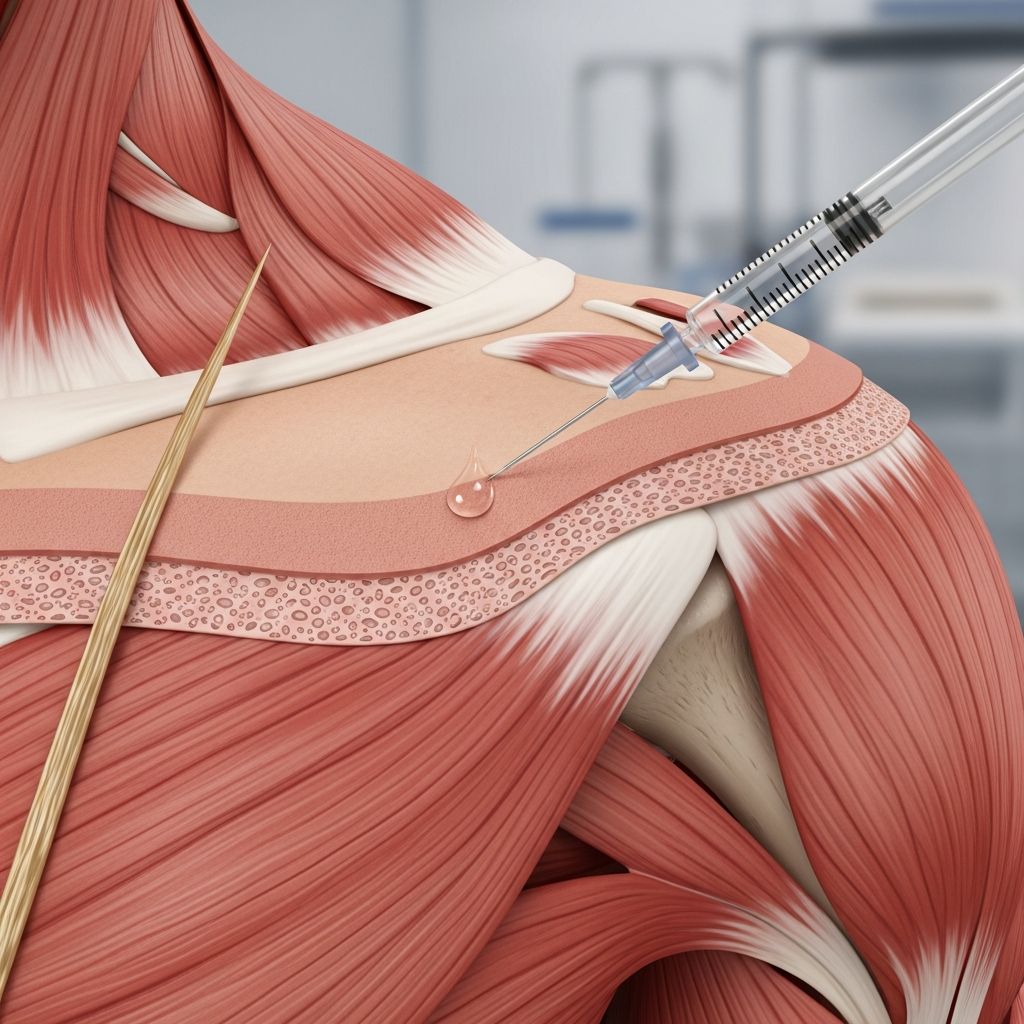
Intramuscular (IM) injections deliver medications directly into muscle tissue, enabling rapid absorption into the bloodstream due to the rich vascular supply in muscles. This method bypasses first-pass metabolism, making it ideal for vaccines, antibiotics, and hormones.
Why Choose Intramuscular Injections?
Muscles contain more blood vessels than subcutaneous layers, allowing faster and more reliable drug distribution compared to other routes. IM injections support larger volumes—up to 5 mL in adults—and are less affected by patient factors like body fat. They are commonly used for vaccines, pain relief, and treatments requiring quick onset.
Optimal Injection Sites Explained
Selecting the right site depends on patient age, muscle mass, medication volume, and mobility. Avoid areas with scars, inflammation, or tenderness.
- Deltoid (Upper Arm): Ideal for small volumes (up to 1 mL) in adults. Locate by forming an inverted triangle below the acromion process; inject in the center, 3-5 cm below. Best for vaccines in ambulatory patients.
- Vastus Lateralis (Thigh): Preferred for infants and young children. Divide the outer thigh into thirds; target the middle third, lateral to the midline. Accommodates up to 5 mL.
- Ventrogluteal (Hip): Safest gluteal site, away from sciatic nerve. Form a ‘V’ with hand over greater trochanter, thumb toward umbilicus; inject in the center. Suitable for 2-4 mL.
- Dorsogluteal (Buttock): Upper outer quadrant, but riskier due to nerve proximity. Use only if other sites unavailable; up to 4 mL.
- Rectus Femoris (Thigh Front): Alternative for self-administration; middle third of anterior thigh.
| Site | Volume (Adults) | Best For | Needle Length |
|---|---|---|---|
| Deltoid | ≤1 mL | Vaccines | 1 inch |
| Vastus Lateralis | ≤5 mL | Infants | 1-1.5 inch |
| Ventrogluteal | 2-4 mL | Large doses | 1.5-2 inch |
| Dorsogluteal | ≤4 mL | Alternatives | 1.5-2 inch |
Equipment and Preparation Essentials
Gather syringe, needle (gauge 22-25, length based on site/body size), alcohol swabs, vial, gloves, and sharps container. Match needle to patient: shorter for children, longer for obese adults.
- Clean hands and don gloves.
- Inspect medication for expiration/particulates.
- Draw air into syringe, inject into vial, then withdraw dose.
- Expel air bubbles by tapping and pushing plunger.
For multi-dose vials, use new needle per draw to prevent contamination.
Step-by-Step Administration Technique
Position patient comfortably (sitting for deltoid, prone for gluteal). Clean site with alcohol in circular motion; let dry.
- Stretch or bunch skin; insert needle at 90° angle with dart-like motion.
- Aspire briefly (pull back plunger) except in deltoid per some guidelines; no blood means proceed.
- Inject slowly (1 mL/10 seconds) to reduce pain.
- Withdraw needle at same angle; apply pressure if bleeding.
Z-Track Method: Pull skin laterally before inserting, release after withdrawal to seal medication in muscle, preventing leakage/irritation. Ideal for irritating drugs.
Special Considerations by Patient Group
Adults
Deltoid or ventrogluteal preferred; ensure 90° insertion for obese patients.
Children and Infants
Vastus lateralis avoids nerves; use 5/8-1 inch needles. Hold securely to minimize movement.
Elderly or Frail
Shorter needles (5/8 inch) for deltoid; monitor for atrophy.
Self-Administration
Thigh sites easiest; practice with supervision. Use mirrors or family assistance.
Potential Risks and Prevention Strategies
Complications are rare with proper technique but include pain, abscess, nerve injury, or hematoma.
- Pain: Warm medication, inject slowly, massage post-injection.
- Infection: Strict asepsis; no recapping needles.
- Nerve Damage: Precise land-marking; avoid dorsogluteal if possible.
- Inadvertent IV: Aspiration in gluteal sites, though CDC advises against routine aspiration.
Related Stories



Monitor for allergic reactions or sciatica-like symptoms post-gluteal injection.
Post-Injection Care and Monitoring
Advise gentle massage, avoid strenuous activity for 24 hours. Rotate sites for repeats. Report fever, swelling, or numbness immediately. Ice packs reduce soreness; over-the-counter pain relief if needed.
Common Myths Debunked
- Myth: Always aspirate. Fact: Not required for most sites per modern guidelines.
- Myth: Rubbing prevents soreness. Fact: Gentle massage aids absorption; vigorous rubbing risks leakage.
- Myth: Longer needles always better. Fact: Match to body habitus.
Frequently Asked Questions (FAQs)
What if I hit a blood vessel?
Withdraw, discard syringe, restart with new equipment at alternate site.
Can I reuse needles?
No—always single-use to prevent infections.
How do I store medications?
Follow label: refrigerate most, protect from light.
Is IM faster than oral?
Yes, due to direct vascular access, avoiding liver metabolism.
What volume is safe for deltoid?
Up to 1-2 mL; larger needs gluteal/thigh.
Training and Best Practices
Healthcare providers should demonstrate competency via simulation. Patients learning self-injection benefit from video tutorials and hands-on practice. Stay updated on guidelines from CDC/WHO.
IM injections remain a cornerstone of medical delivery, balancing efficacy with safety when executed correctly. Proper training minimizes risks, ensuring optimal therapeutic outcomes.
References
- Intramuscular injection — Wikipedia. 2023-10-15. https://en.wikipedia.org/wiki/Intramuscular_injection
- Giving an IM (intramuscular) injection — MedlinePlus (U.S. National Library of Medicine). 2023-05-01. https://medlineplus.gov/ency/patientinstructions/000935.htm
- Intramuscular – Massive Bio — Massive Bio. 2024-01-12. https://massivebio.com/intramuscular-bio/
- Intramuscular Injection: Definition and Patient Education — Healthline. 2023-11-20. https://www.healthline.com/health/intramuscular-injection
- Intramuscular Injections — Royal Children’s Hospital Melbourne. 2024-02-10. https://www.rch.org.au/rchcpg/hospital_clinical_guideline_index/Intramuscular_Injections/
- Intramuscular injection: Locations and administration — Medical News Today. 2023-09-05. https://www.medicalnewstoday.com/articles/323115
Similar Articles








Read full bio of Sneha Tete