Intrauterine Device (IUD): Birth Control, Use & Side Effects
Comprehensive guide to IUDs: long-acting, reversible contraception preventing pregnancy for up to 10 years.
What Is an Intrauterine Device (IUD)?
An intrauterine device (IUD) is a form of birth control that a healthcare provider inserts into your uterus. Once inserted, an IUD can prevent pregnancy for up to 10 years or more, depending on the specific type. Your provider can remove your IUD at any time if you decide to become pregnant or wish to try another contraceptive method. IUDs are among the most commonly used types of long-acting reversible contraception (LARC). Once an IUD is inserted, you don’t have to worry about birth control until it’s time to replace it—typically three to ten years, depending on the brand and type you choose.
An intrauterine device is a type of birth control a healthcare provider inserts into your uterus. IUDs are the most commonly used type of long-acting reversible contraception (LARC). LARCs, which include IUDs and contraceptive implants, are among the most effective forms of birth control that don’t require surgery. The convenience and reliability of IUDs make them an increasingly popular choice for individuals seeking dependable pregnancy prevention without daily maintenance.
How Does an IUD Work?
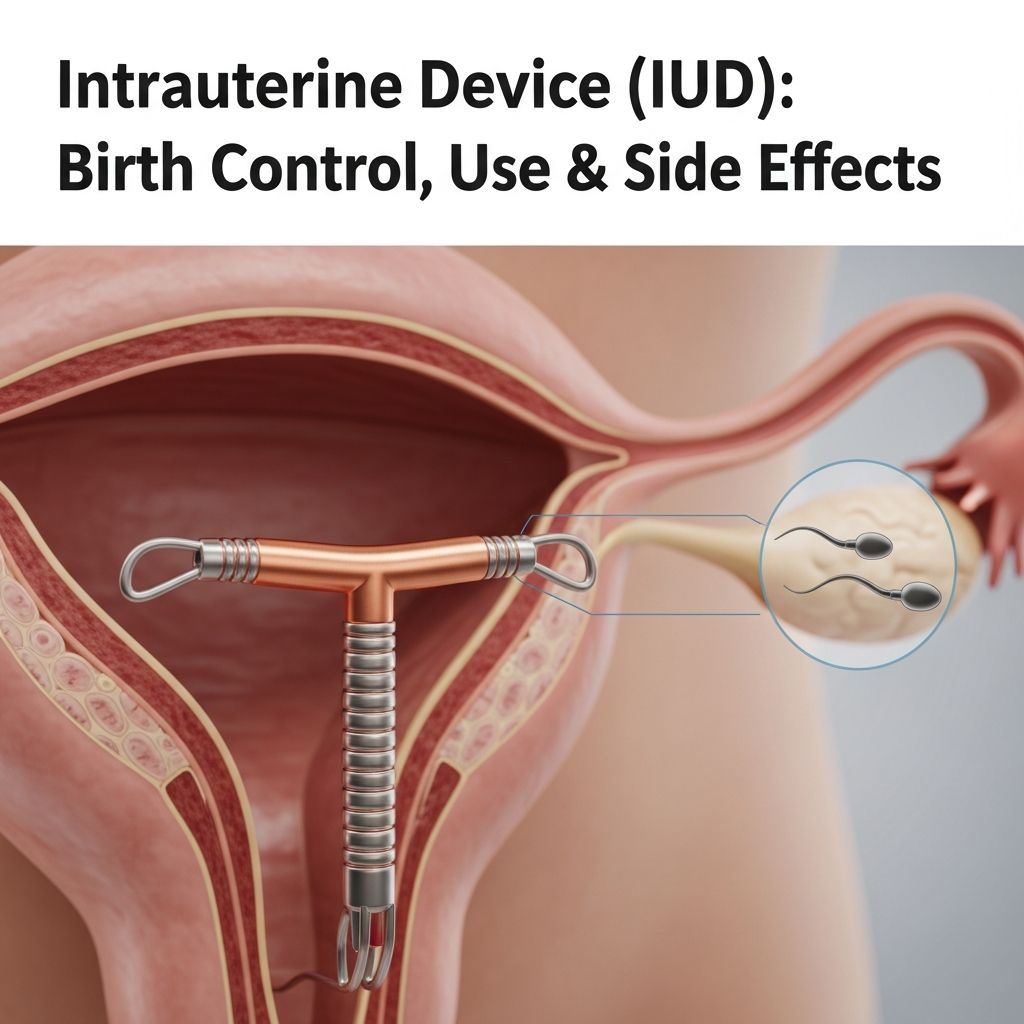
There are two kinds of IUDs: copper IUDs and hormonal (levonorgestrel) IUDs. Both have plastic frames that open into the shape of a T once inside your uterus. They have strings attached at the bottom that extend into your vagina so that your provider can remove your IUD as needed.
Copper IUDs
Copper IUDs, such as ParaGard, work by stopping sperm from reaching the egg. The copper ions produce a sterile inflammatory response that is toxic to sperm, thus preventing fertilization. This nonhormonal method is effective for up to 10 years, with some studies showing it can last longer in certain individuals. Copper IUDs do not change the cyclical nature of your menstrual cycles, though they may result in slightly heavier menstrual bleeding.
Hormonal IUDs
Hormonal IUDs work by releasing small amounts of the hormone progestin into your body. This hormone causes your cervical mucus to become thicker so sperm can’t reach an egg. The hormone also thins the lining of your uterus, so menstrual bleeding becomes lighter over time. Hormonal IUDs are effective for three to eight years, depending on the specific brand. Many users experience reduced menstrual bleeding or even amenorrhea (absence of periods) within the first year of use.
Types of IUDs Available
There are several IUD options available, each with different durations of effectiveness and mechanisms of action:
| IUD Type | Duration | Hormone/Material | Key Features |
|---|---|---|---|
| ParaGard (Copper IUD) | Up to 10 years | Copper | Nonhormonal, may increase menstrual flow |
| Mirena (Hormonal IUD) | Up to 8 years | Progestin (52 mg) | Reduces menstrual bleeding significantly |
| Kyleena (Hormonal IUD) | Up to 5 years | Progestin (19.5 mg) | Lighter hormone dose than Mirena |
| Liletta (Hormonal IUD) | Up to 6 years | Progestin (52 mg) | Similar to Mirena, approved for longer use |
| Skyla (Hormonal IUD) | Up to 3 years | Progestin (13.5 mg) | Smallest hormonal IUD available |
IUD Insertion Procedure
A healthcare provider must insert and remove an IUD for you. The insertion typically takes just a few minutes and is performed in an office setting. Generally, individuals make a regular office appointment for IUD insertion, which usually involves a speculum exam and then inserting the IUD through the cervix. Before insertion, a healthcare provider performs a pelvic exam to determine the position of your uterus. A tenaculum may be placed on the anterior lip of the cervix to stabilize the uterus and help ensure correct placement. Some providers may use a uterine sound device to measure the length of the uterine cavity before IUD insertion.
Related Stories



During the procedure, sterile technique is used as much as possible to prevent infection. A paracervical block may be used to decrease pain during insertion. You may feel uncomfortable or have light cramping after your provider puts it in. The same goes for getting your IUD out—there may be brief discomfort, but no, an IUD shouldn’t hurt in the long term.
Effectiveness of IUDs
IUDs are considered highly effective at preventing pregnancy. The copper ParaGard T380A can be kept in place for 10 years and has a cumulative 12-year pregnancy rate of less than 2%. Hormonal IUDs have similar effectiveness rates, with pregnancy rates at one year of use ranging from 0.2% to 0.6%, depending on the specific type. The IUD is close to 100% effective, making it comparable to permanent sterilization methods. This exceptional effectiveness means that out of 100 women using an IUD for one year, fewer than one will become pregnant.
Advantages of Using an IUD
IUDs offer numerous advantages that make them an attractive birth control option for many individuals:
- Long-lasting protection: Depending on the type, IUDs can provide contraceptive coverage for three to ten years or more, reducing the need for frequent replacement.
- High effectiveness: With pregnancy rates at or near 99%, IUDs are among the most effective contraceptive methods available.
- Reversible: Unlike permanent sterilization, IUDs can be removed at any time, and fertility typically returns quickly.
- Set it and forget it: Unlike birth control pills or other devices that are easy to forget, an IUD is a “set it and forget it” type of birth control. Once your provider places it in your uterus, you’re getting the pregnancy protection you need for years without daily or monthly maintenance.
- No daily maintenance: There is minimal effort required, an added bonus if you’re forgetful about birth control. You just have to make that initial appointment to get it inserted.
- Emergency contraception: Both copper-containing IUDs (Paragard) and progestin-containing IUDs (Mirena or Liletta) can be used as a form of emergency contraception when used within 120 hours (five days) of having unprotected sex. This is the most effective form of emergency contraception.
- Additional health benefits: Hormonal IUDs may reduce menstrual bleeding and can help treat heavy menstrual bleeding, chronic pelvic pain, or endometriosis.
- Safe and well-tolerated: IUDs are considered both safe and effective, with minimal side effects for most users.
Potential Side Effects and Complications
While IUDs are generally safe, some individuals may experience side effects, particularly in the first few months after insertion. Common side effects include cramping, spotting, and light bleeding. Hormonal IUDs may cause irregular bleeding or amenorrhea (absence of periods), with amenorrhea occurring in up to 20% of users with higher-dose hormonal IUDs by one year of use.
Complications—while rare—may include uterine perforation, expulsion of the device, infection, or ectopic pregnancy. If you experience severe pain, heavy bleeding, fever, or other concerning symptoms after IUD insertion, contact your healthcare provider immediately.
Impact on Menstrual Bleeding
The type of IUD you choose significantly affects your menstrual bleeding patterns. Copper IUDs typically do not change the cyclical nature of menstrual cycles but may result in heavier or longer periods for some individuals. Hormonal IUDs, on the other hand, reduce menstrual bleeding significantly over time. Many users experience lighter periods, and some develop amenorrhea entirely. This reduction in menstrual bleeding is often considered an additional benefit for those with heavy periods.
Is an IUD Right for You?
Intrauterine devices are a safe, effective, and convenient form of birth control. Once inserted, they can prevent pregnancy for several years. Whether an IUD is the best option for you depends on your personal health history, lifestyle, and reproductive goals. Weigh the pros and cons of getting an IUD with your healthcare provider. They can help you decide if an IUD is the best option for you and can also recommend the type of IUD that’s best suited to your needs.
If you do decide to use an IUD, remember that it protects against pregnancy but not against sexually transmitted infections (STIs). Don’t forget to use another method, such as condoms, to prevent STIs.
Frequently Asked Questions
Q: How long does IUD insertion take?
A: IUD insertion typically takes just a few minutes and is performed in an office setting by a healthcare provider. The procedure involves a speculum exam and insertion of the IUD through the cervix.
Q: Can I get pregnant with an IUD?
A: While extremely rare, pregnancy can occur with an IUD in place. The copper IUD has a cumulative 12-year pregnancy rate of less than 2%, while hormonal IUDs have similar effectiveness rates. If you suspect you’re pregnant with an IUD, contact your healthcare provider immediately.
Q: Can I remove my IUD myself?
A: No, you cannot safely remove your IUD yourself. A healthcare provider must remove it for you. Attempting self-removal could cause serious complications such as uterine perforation or infection.
Q: Will my period stop with an IUD?
A: This depends on the type of IUD. Copper IUDs typically do not stop your period, though they may make periods heavier. Hormonal IUDs often reduce menstrual bleeding significantly, and some users experience amenorrhea (no periods) within the first year.
Q: How soon can I become pregnant after IUD removal?
A: Fertility typically returns quickly after IUD removal. You can potentially become pregnant immediately following removal, so discuss timing with your healthcare provider if you’re planning a pregnancy.
Q: Does an IUD protect against STIs?
A: No, IUDs do not protect against sexually transmitted infections. You should use condoms or other barrier methods in addition to your IUD if you want protection against STIs.
Q: What should I do if I can’t feel my IUD strings?
A: Contact your healthcare provider if you can’t feel your IUD strings or if you experience any unusual symptoms. Your provider can check the position of your IUD with an ultrasound or examination.
References
- Intrauterine Device (IUD): Birth Control, Use & Side Effects — Cleveland Clinic. 2024. https://my.clevelandclinic.org/health/treatments/24441-intrauterine-device-iud
- Paragard (Copper IUD): Insertion, Effectiveness & Side Effects — Cleveland Clinic. 2024. https://my.clevelandclinic.org/health/drugs/17741-paragard-copper-iud
- Birth Control: Forms, Options, Risks & Effectiveness — Cleveland Clinic. 2024. https://my.clevelandclinic.org/health/articles/11427-birth-control-options
- Intrauterine Device (IUDs; IUD) – Gynecology and Obstetrics — Merck Manuals. 2024. https://www.merckmanuals.com/professional/gynecology-and-obstetrics/family-planning/intrauterine-device-iuds-iud
- Hormonal IUD: Types, How It Works, Benefits & Side Effects — Cleveland Clinic. 2024. https://my.clevelandclinic.org/health/drugs/hormonal-iud-mirena
- IUD Pros and Cons To Consider — Cleveland Clinic Health. 2024. https://health.clevelandclinic.org/do-the-benefits-of-iuds-outweigh-the-potential-side-effects
- How an IUD Can Impact Your Period — Cleveland Clinic Health. 2024. https://health.clevelandclinic.org/iud-period
Similar Articles








Read full bio of Sneha Tete