Intrauterine Devices (IUDs): Complete Guide to Options and Safety
Everything you need to know about IUDs: types, effectiveness, benefits, and side effects explained.
What Is an IUD?
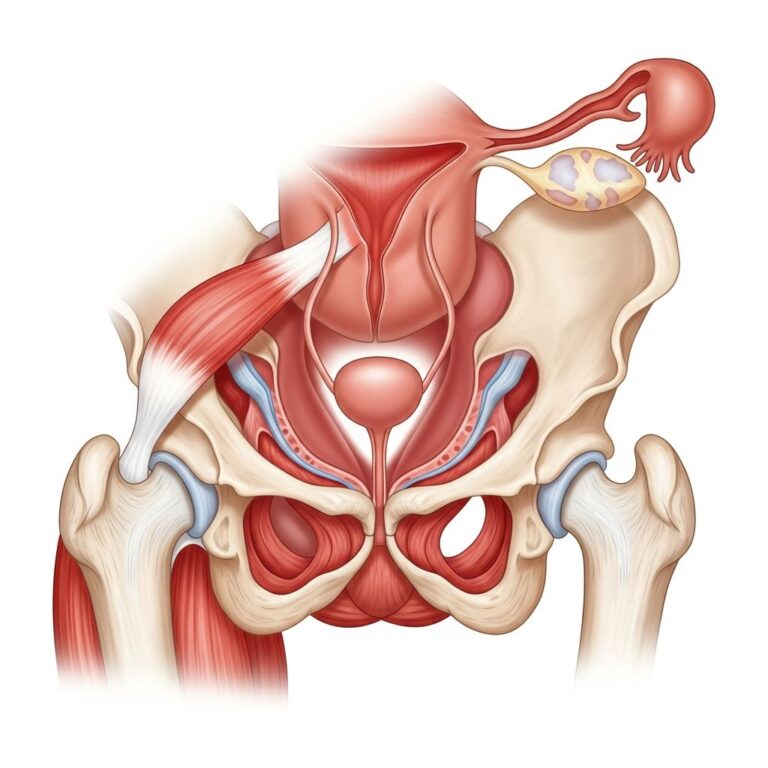
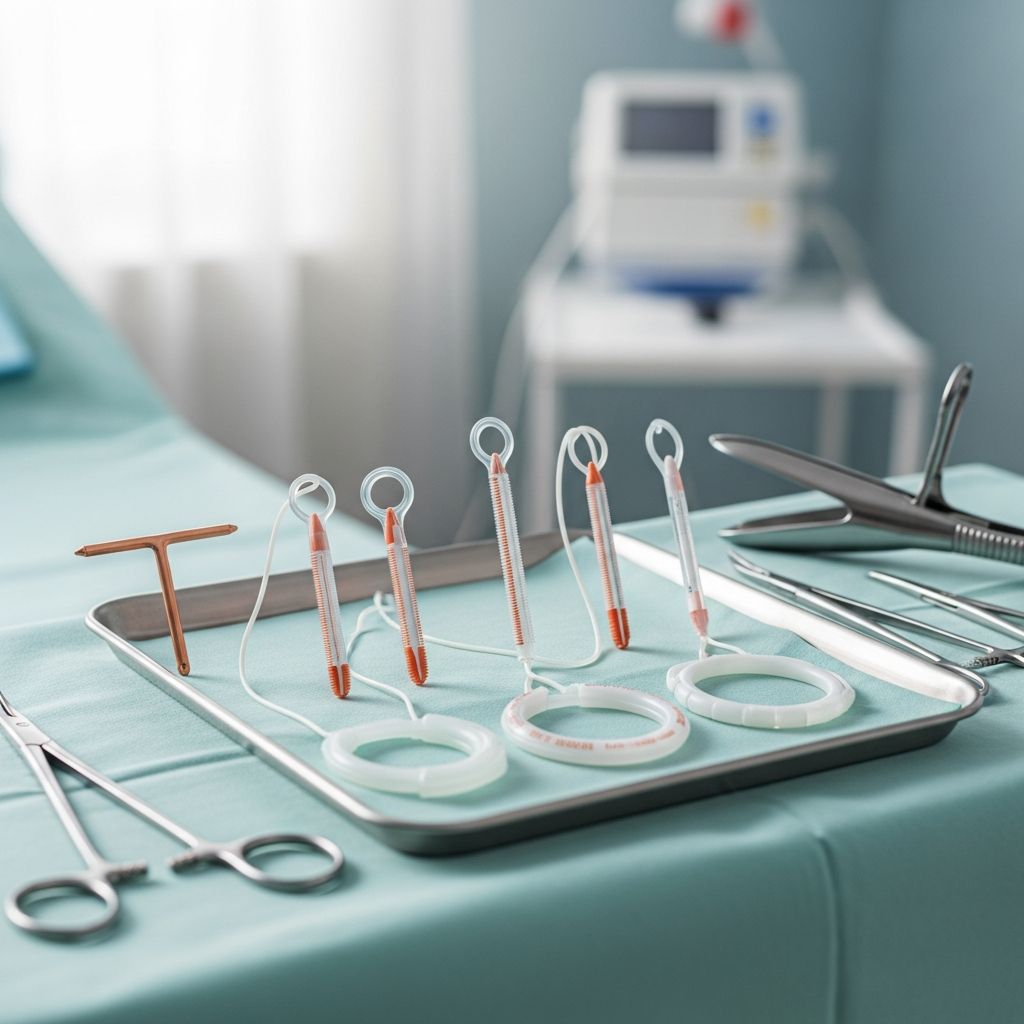
An intrauterine device (IUD) is a small, flexible, T-shaped device inserted into the uterus that provides long-term, reversible birth control. IUDs represent one of the most effective contraception options available today, with failure rates as low as certain sterilization methods. The device works by preventing pregnancy through different mechanisms depending on its type, and it can provide protection for three to ten years, depending on which IUD you choose.
IUDs are classified as long-acting reversible contraception (LARC), meaning they offer extended protection without requiring daily action from the user. Since 1995, the use of LARC methods in the United States has increased significantly, with approximately 14% of women using contraception now opting for these long-term methods. This increase has corresponded with a significant decrease in unplanned pregnancies among women using IUDs.
Types of IUDs: Hormonal vs. Copper
There are two primary types of IUDs available in the United States, each with distinct mechanisms of action and characteristics:
Hormonal IUDs
Hormonal IUDs release progestin, a synthetic version of the hormone progesterone, directly into the uterus. This hormone works by thickening cervical mucus, which prevents sperm from entering the uterus and reaching an egg for fertilization. Some hormonal IUDs are designed with lower doses of hormones, while others are standard-dose formulations.
Newer hormonal IUDs release a low dose of hormone into the uterus each day, with effectiveness lasting between three to eight years, depending on the specific device. These devices offer additional benefits beyond contraception, including the reduction or cessation of menstrual flow and potential protection against endometrial cancer in at-risk women.
Copper IUDs
Copper IUDs prevent pregnancy through a different mechanism than hormonal devices. The copper creates a localized cytotoxic inflammatory response that prevents sperm motility and viability within the uterine cavity, making it impossible for sperm to fertilize an egg. Copper IUDs typically provide protection for seven to ten years and do not release hormones into the body.
Copper IUDs are an excellent option for women who wish to avoid hormonal contraception or who have contraindications to hormonal methods. Women using copper IUDs typically maintain regular monthly periods, though these may be heavier, longer, or crampier than usual, especially during the first few months of use.
Effectiveness and Failure Rates
IUDs are remarkably effective at preventing pregnancy. In the United States, copper-containing IUDs and levonorgestrel-containing IUDs (the most common hormonal IUD) have failure rates of 0.08% and 0.02%, respectively, meaning these devices are more than 99% effective in preventing pregnancy. This level of effectiveness matches or exceeds that of permanent sterilization methods, making IUDs an excellent choice for women seeking reliable, long-term contraception.
Related Stories



The high effectiveness rates of IUDs, combined with their reversible nature and ease of use, have contributed to increasing patient satisfaction and popularity. IUDs require no maintenance or user action once inserted, unlike pills, patches, or other methods that depend on consistent adherence.
How IUDs Affect Your Menstrual Cycle
One of the most important considerations when choosing an IUD is how it will affect your period. The impact varies significantly depending on the type of device selected:
Hormonal IUDs and Menstruation
With hormonal IUDs, the amount of bleeding can vary considerably depending on the type and dose of hormone released. Standard-dose hormonal IUDs are more likely to cause periods to stop completely, a condition called amenorrhea. Lower-dose hormonal IUDs are more likely to result in lighter monthly bleeding or infrequent periods. Many women find this reduction in bleeding to be a significant benefit, particularly those who experience heavy menstrual flows.
During the first several months after insertion, women using hormonal IUDs may experience irregular bleeding patterns as their bodies adjust to the device. However, bleeding typically stabilizes over time, and many women will experience minimal menstrual flow within a few months of insertion.
Copper IUDs and Menstruation
Women using copper IUDs typically maintain their regular monthly menstrual cycles. However, copper IUDs may increase the amount of menstrual bleeding and cramping, particularly during the first few months of use. This increase in bleeding is one reason some women choose hormonal IUDs instead. The good news is that this effect typically improves over time for most women, and the increased bleeding often becomes manageable after the initial adjustment period.
IUD Insertion: What to Expect
IUD insertion is a relatively quick outpatient procedure that typically takes only a few minutes. The device is inserted through the vagina and cervix into the uterus by a healthcare provider. During insertion, your provider will position the IUD into the correct location within your uterus.
Some women experience cramping or discomfort during insertion, and both IUD types can cause cramping post-insertion. Healthcare professionals are now using evidence-based pain control measures during IUD insertion to improve patient comfort and access to this essential contraceptive method. Many providers recommend taking over-the-counter pain medication before the procedure to minimize discomfort.
IUDs come with small plastic strings attached to them that hang through the cervix into the vagina. These strings allow you to verify the device is in place and help your healthcare provider remove it when needed.
Common Side Effects and Risks
While IUDs are generally safe and well-tolerated, it’s important to understand potential side effects and risks before insertion:
Common Side Effects
- Irregular bleeding: Hormonal IUDs can cause irregular bleeding during the first several months after insertion. This typically resolves as your body adjusts.
- Cramping: Both IUD types can cause post-insertion cramping, which usually improves within a few days to weeks.
- Increased menstrual flow: Copper IUDs may increase menstrual bleeding and cramping, especially initially.
- Spotting: Some women experience light spotting between periods, particularly with hormonal IUDs.
The most common reasons for IUD removal are irregular bleeding and cramping, though these side effects often resolve with time.
Serious Risks (Rare)
While serious complications are uncommon, they can occur:
- IUD expulsion: The device may come out of the uterus accidentally, typically within the first three months after insertion. While expulsion itself is not dangerous, the IUD cannot prevent pregnancy if it’s not in the correct location. Your healthcare provider can replace the device if this occurs.
- Uterine perforation: There is a small risk that the IUD may penetrate the uterine wall during insertion, occurring in approximately 1 in every 1,000 insertions. Complete perforation can cause severe abdominal pain and requires immediate surgical intervention, though this is quite rare. The device may also migrate within the abdominal cavity if perforation occurs.
- Pelvic inflammatory disease (PID): There is a small risk, approximately 0.1%, of progression to PID if patients have an infection at the time of insertion. The device should not be removed if this occurs; instead, the infection should be treated.
- Pregnancy with IUD in place: While rare, there is a small chance of getting pregnant while using an IUD. If pregnancy does occur, your provider can remove the IUD to lower the risk for miscarriage or other complications. If you become pregnant and the IUD remains in place, there is a higher risk of ectopic pregnancy (occurring outside the womb), which can be serious and life-threatening.
IUDs as Emergency Contraception
Both types of IUDs can be used as emergency contraception up to five days after unprotected intercourse. However, if you are already pregnant, an IUD will not work as emergency contraception. If you think you may have been exposed to pregnancy risk, contact your healthcare provider immediately to discuss your options.
Removal and Pregnancy Planning
One of the significant advantages of IUDs is their reversibility. If a woman decides to become pregnant, she can have the IUD removed by her healthcare provider. It is typically recommended to wait until you have one normal period after IUD removal before trying to conceive, to allow for the normal endometrium to develop prior to implantation.
Fertility typically returns immediately after IUD removal, and there is no evidence that IUD use affects future fertility or increases the risk of infertility, including in nulliparous women (those who have never given birth).
Special Considerations and Contraindications
While IUDs are appropriate for most women, certain health conditions may affect whether an IUD is right for you:
- Breast cancer: Women with a history of breast cancer should not get a hormonal IUD. However, the data regarding IUDs and breast cancer risk in women without current cancer is not conclusive, and women with a family history of breast cancer may still be candidates for an IUD after discussion of risks.
- Cervical or uterine cancer: Women with cervical and/or uterine cancer may not be candidates for any type of IUD.
- Active infections: If you have an active cervical infection at the time of planned insertion, the procedure should be postponed until the infection is treated.
It’s essential to discuss your complete medical history with your healthcare provider before IUD insertion to determine which option is safest and most appropriate for you.
Frequently Asked Questions About IUDs
Q: Are IUDs appropriate for women who have never been pregnant?
A: Yes. Earlier studies suggesting that nulliparous women face a higher risk of pelvic inflammatory disease and infertility with IUD use have been refuted. Current evidence confirms that IUDs are safe for nulliparous women and can be an excellent contraceptive choice for this population.
Q: How do I know if my IUD is in the correct position?
A: Your healthcare provider will verify proper placement during the insertion procedure. The small strings attached to the IUD allow you to periodically check that the device is still in place. You can feel for these strings by inserting a clean finger into your vagina. If you cannot feel the strings or feel something unusual, contact your healthcare provider.
Q: When should I be concerned about complications?
A: Seek immediate medical attention if you experience severe abdominal pain, signs of infection (fever, chills), heavy vaginal bleeding, or believe the IUD has been expelled. Contact your provider if you experience persistent cramping beyond a few weeks or signs of pregnancy.
Q: How does an IUD compare to other contraception methods?
A: IUDs offer significant advantages over many other methods: they are more than 99% effective, require no daily action, are reversible, have high user satisfaction rates, and are cost-effective over their lifespan. Unlike birth control pills, they don’t depend on remembering to take medication daily.
Q: Can I use an IUD if I want to have children in the future?
A: Yes. IUDs are completely reversible, and fertility typically returns immediately after removal. You can have an IUD removed at any time if you decide to become pregnant.
References
- What Women Should Know About Intrauterine Devices (IUDs) — Yale Medicine. 2024. https://www.yalemedicine.org/news/intrauterine-devices-iud
- Intrauterine Device Placement and Removal — National Center for Biotechnology Information (NCBI), National Institutes of Health. 2024. https://www.ncbi.nlm.nih.gov/books/NBK557403/
- Intrauterine Devices (IUD): MedlinePlus Medical Encyclopedia — U.S. National Library of Medicine. 2024. https://medlineplus.gov/ency/article/007635.htm
Similar Articles








Read full bio of medha deb