Intrauterine Growth Restriction: Causes, Risks & Care
Understanding intrauterine growth restriction: causes, risks, and how to manage it for a healthy pregnancy.
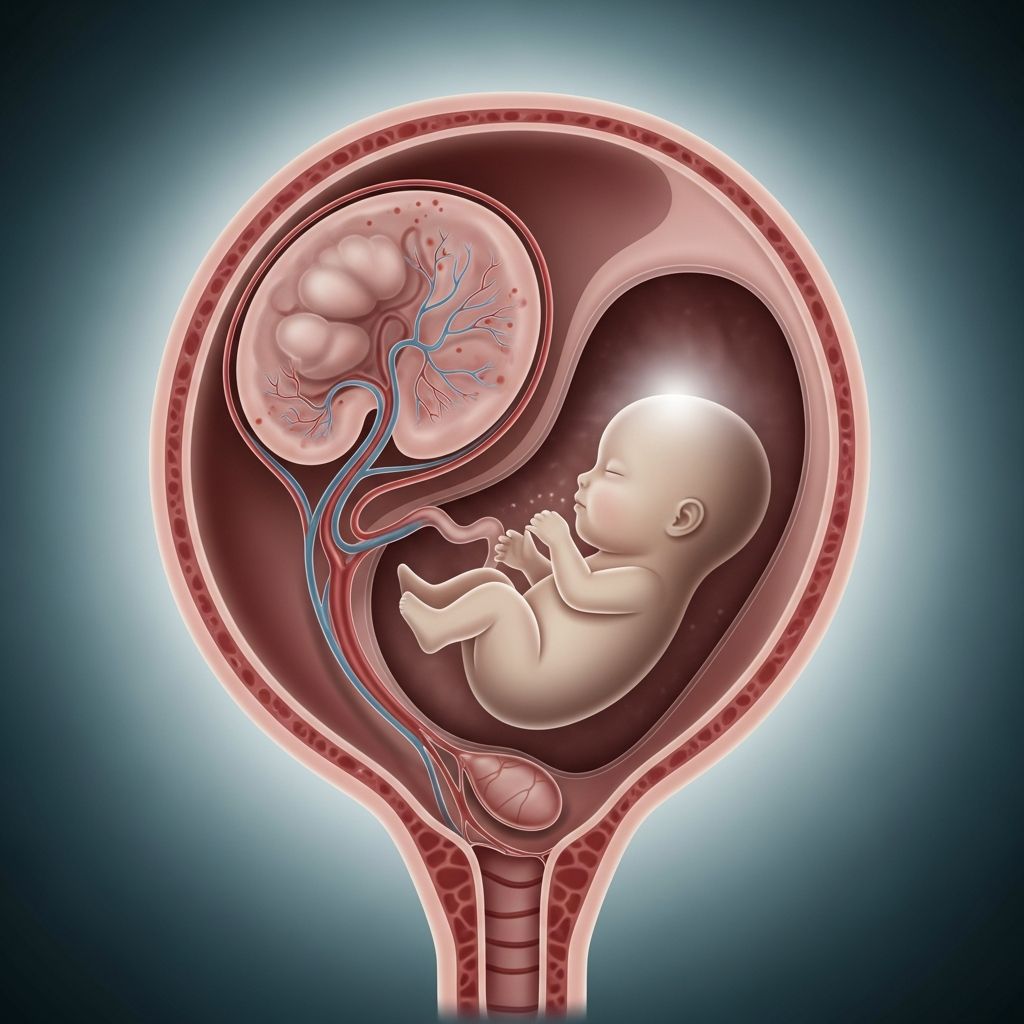
What Is Intrauterine Growth Restriction (IUGR)?
Intrauterine growth restriction (IUGR), also known as fetal growth restriction (FGR), is a condition in which a fetus is smaller than expected for its gestational age. Specifically, IUGR is diagnosed when the estimated fetal weight is below the 10th percentile for the number of weeks of pregnancy. This means the fetus is smaller than 9 out of 10 babies of the same age. IUGR affects about 10% of all pregnancies and can lead to various complications if not managed properly.
Causes of Intrauterine Growth Restriction
The causes of IUGR are diverse and can be related to maternal, fetal, or placental factors. Some of the most common causes include:
- Chronic maternal diseases: Conditions such as diabetes, hypertension, and autoimmune disorders can affect fetal growth.
- Infections: Certain infections during pregnancy, such as cytomegalovirus or toxoplasmosis, can lead to IUGR.
- Placental issues: Problems with the placenta, such as placental insufficiency or marginal cord insertion, can reduce the supply of nutrients and oxygen to the fetus.
- Umbilical cord abnormalities: Issues with the umbilical cord, such as marginal cord insertion, can also contribute to IUGR.
- Genetic factors: Chromosomal abnormalities or genetic syndromes can result in IUGR.
- Substance abuse: Smoking, alcohol, and drug use during pregnancy can negatively impact fetal growth.
Symptoms and Diagnosis
Most women do not experience specific symptoms of IUGR. However, some may notice that their belly or the fetus is not as big as it should be. The diagnosis of IUGR is typically made after 20 weeks of pregnancy when healthcare providers begin measuring the fundal height (the distance between the pubic bone and the top of the uterus) at each prenatal visit. If the measurement is shorter than anticipated, further tests may be ordered.
Diagnosis of IUGR involves:
- Accurate gestational age: Determined by the first day of the last menstrual period and confirmed by a first-trimester ultrasound.
- Ultrasound measurements: Fetal biometry, including measurements of the head, abdomen, and femur, to assess fetal growth.
- Amniotic fluid assessment: Evaluation of the amount of amniotic fluid around the fetus.
- Blood flow assessment: Doppler studies to check blood flow in the umbilical cord and other fetal vessels.
Risks and Complications
IUGR can lead to several risks and complications for both the mother and the fetus. Some of the potential risks include:
- Preterm birth: IUGR increases the risk of premature delivery.
- Stillbirth: The risk of stillbirth is higher in pregnancies affected by IUGR.
- Neonatal intensive care unit (NICU) admission: Babies with IUGR may require extra time in the NICU for monitoring and care.
- Developmental delays: Children born with IUGR may be at increased risk for cognitive or developmental problems, such as hyperactivity, cerebral palsy, and poor test scores in school.
- Chronic medical conditions: Adults who were born with IUGR may be at higher risk for obesity, cardiovascular disease, and diabetes.
Management and Treatment
There is no specific “fix” for IUGR, but management focuses on close monitoring and addressing any underlying conditions. Treatment options depend on the cause and severity of IUGR and may include:
- Frequent fetal monitoring: Regular ultrasounds to assess fetal growth, amniotic fluid, and blood flow.
- Non-stress testing: Monitoring the fetal heart rate using a monitor placed on the mother’s abdomen.
- Biophysical profile: An ultrasound assessment of fetal movement, breathing, tone, heart rate, and amniotic fluid.
- Early delivery: In some cases, early induction of labor or cesarean delivery may be recommended if the fetus is not growing or if there are issues with the placenta or umbilical cord.
- Management of maternal conditions: Treating chronic diseases such as diabetes or hypertension, and discontinuing substance abuse.
- Bed rest: In some cases, bed rest may be recommended to reduce the risk of complications.
Related Stories



Long-Term Outcomes
Most babies with IUGR will reach the size of full-term children their age by age 3. However, some may have long-term effects, including:
- Cognitive and developmental problems: Increased risk of hyperactivity, cerebral palsy, and poor academic performance.
- Chronic medical conditions: Higher risk of obesity, cardiovascular disease, and diabetes in adulthood.
FAQs
What is the difference between IUGR and low birth weight?
IUGR refers to a fetus that is small for its gestational age, while low birth weight is a term used for babies who weigh less than 2,500 grams at birth. Not all babies with low birth weight have IUGR, and not all babies with IUGR have low birth weight.
Can IUGR be prevented?
While not all cases of IUGR can be prevented, managing chronic maternal conditions, avoiding substance abuse, and regular prenatal care can help reduce the risk.
What are the signs of IUGR?
Most women do not have specific symptoms, but some may notice that their belly or the fetus is not as big as it should be. Only a healthcare provider can diagnose IUGR through physical examination and ultrasound.
How is IUGR managed during pregnancy?
Management includes frequent fetal monitoring, non-stress testing, biophysical profiles, and, in some cases, early delivery. Addressing underlying maternal conditions and discontinuing substance abuse are also important.
What are the long-term effects of IUGR?
Children born with IUGR may have an increased risk of cognitive and developmental problems, as well as chronic medical conditions like obesity, cardiovascular disease, and diabetes in adulthood.
References
References
- Intrauterine Growth Restriction: Causes, Symptoms — Cleveland Clinic. 2023. https://my.clevelandclinic.org/health/diseases/24017-intrauterine-growth-restriction
- Intrauterine Growth Restriction (IUGR) Birth Injuries — Lancione Law. 2023. https://www.lancionelaw.com/birth-injury/intrauterine-growth-restriction-iugr/
- Placental Insufficiency: Causes, Symptoms & Treatment — Cleveland Clinic. 2023. https://my.clevelandclinic.org/health/diseases/25130-placental-insufficiency
Similar Articles








Read full bio of Sneha Tete