Intrauterine Insemination: Fertility Treatment Guide
Comprehensive guide to IUI treatment: procedure, eligibility, success rates, and what to expect.
Understanding Intrauterine Insemination (IUI)
Intrauterine insemination (IUI), commonly referred to as artificial insemination, is a fertility treatment designed to help couples and individuals overcome conception challenges. This procedure involves placing specially prepared sperm directly into the uterus to increase the likelihood of fertilization and pregnancy. IUI represents one of the less invasive and more affordable fertility treatment options available, making it an attractive first-line approach for many patients seeking to expand their families.
The fundamental principle behind IUI is straightforward yet effective: by bypassing the cervix and placing high-quality, motile sperm directly into the uterine cavity, the treatment dramatically reduces the distance and time sperm must travel to reach the egg. This technological assistance gives sperm a significant advantage compared to natural conception, where millions of sperm cells must navigate through the cervix and travel through the fallopian tubes.
How IUI Works: The Basic Mechanism
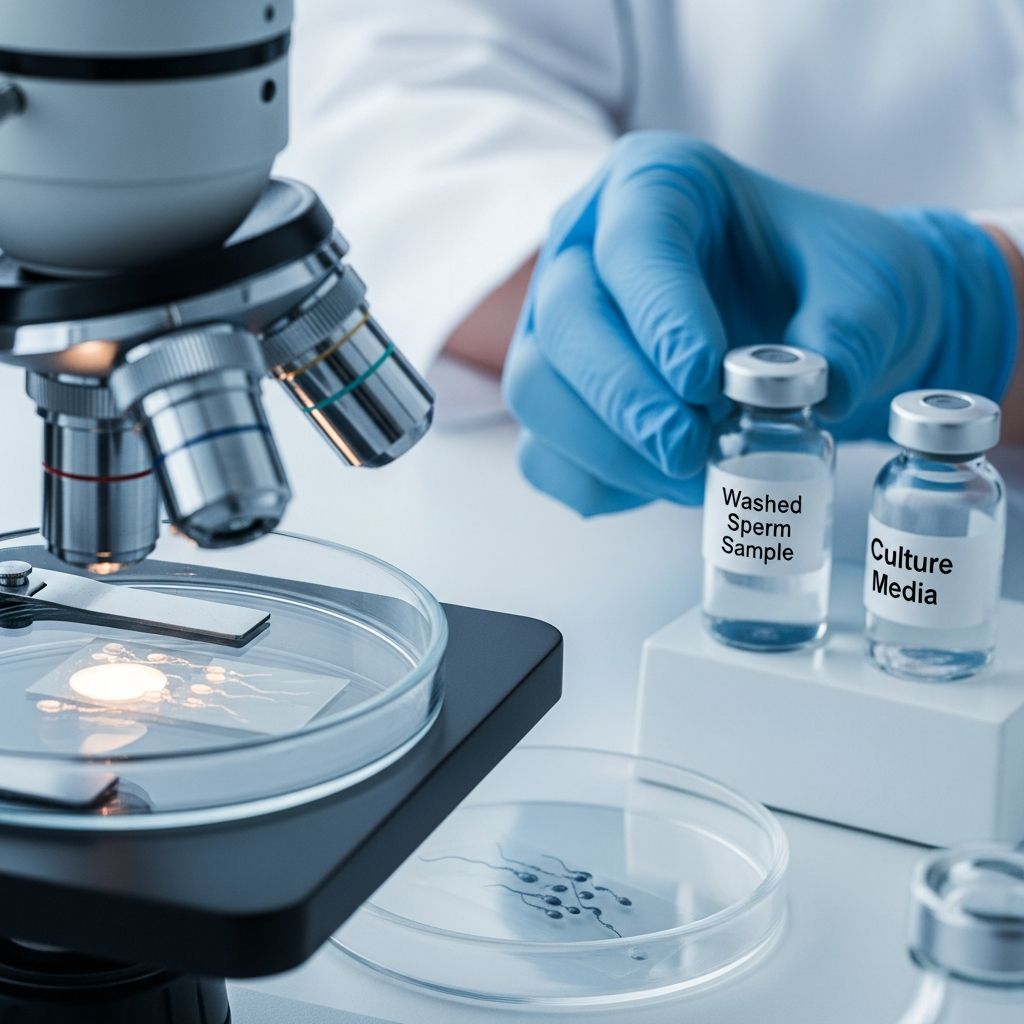
IUI functions by identifying and concentrating the most motile (actively moving) sperm from a semen sample. The semen is carefully washed and processed in the laboratory to separate healthy, vigorous sperm from seminal fluid and slower-moving cells. This preparation ensures that only the highest-quality sperm are selected for placement into the uterus.
During the insemination procedure, a thin, flexible catheter is gently inserted through the cervix into the uterine cavity. The prepared sperm sample is then carefully introduced directly into the uterus, positioning it as close as possible to the fallopian tubes where fertilization is most likely to occur. The procedure itself is performed in an office setting and is typically quick and relatively painless, requiring no anesthesia or significant recovery time.
Who Are Good Candidates for IUI?
IUI is particularly effective for specific infertility diagnoses. Understanding whether you are a suitable candidate for this treatment involves evaluating your individual fertility circumstances with a reproductive specialist.
Ideal candidates for IUI include patients with:
– Unexplained infertility, where no specific cause for conception difficulty has been identified- Mild to moderate male factor infertility, such as low sperm count or reduced sperm motility- Cervical factor infertility, where cervical mucus is inadequate or hostile to sperm- Irregular or absent ovulation that can be managed with ovulation-inducing medications- Single women or same-sex couples using donor sperm- Couples with ejaculatory dysfunction or erectile issues affecting natural conception
The decision to proceed with IUI depends on multiple individual factors including age, the underlying cause of infertility, previous treatments attempted, and overall reproductive health. Your fertility specialist will conduct a comprehensive evaluation to determine whether IUI is the most appropriate initial treatment or if alternative approaches might be more effective for your specific situation.
The IUI Procedure: Step-by-Step Process
Step 1: Ovulation Induction and Monitoring
Most IUI cycles involve medication to stimulate the ovaries and control the timing of ovulation. The treatment typically begins with oral medications such as Clomiphene citrate (commonly known as Clomid or Serophene). These medications work by stimulating the release of follicle-stimulating hormone (FSH) and luteinizing hormone (LH), which signal the ovaries to produce eggs.
Related Stories



Throughout the stimulation phase, your physician will closely monitor egg development through a combination of blood tests and ultrasound examinations. Blood tests measure hormone levels, particularly estradiol (E2) and progesterone (P4), which indicate how well the ovaries are responding to medication. Rising estradiol levels suggest that follicles are developing properly. Ultrasound scans provide visual confirmation of follicle development, reveal the thickness of the uterine lining, and determine the number of mature follicles present. This careful monitoring ensures that ovulation can be precisely timed for optimal insemination.
Step 2: Trigger Injection
Once follicles reach an optimal size (typically around 18-20 millimeters in diameter), the physician administers an injection of human chorionic gonadotropin (hCG), commonly called the “trigger shot.” This hormone injection triggers the final maturation of eggs and initiates the ovulation process. The timing of this injection is critical because it allows physicians to predict exactly when ovulation will occur.
Step 3: Insemination
Intrauterine insemination is typically scheduled approximately 36 hours after the hCG trigger injection, aligning closely with the natural timing of ovulation. However, the exact timing of insemination is not critical to the precise moment of ovulation because both sperm and eggs remain viable within the female reproductive tract for many hours, providing a reasonable window for successful fertilization.
For couples using fresh sperm, a single IUI procedure is usually sufficient. The male partner provides a semen sample on the morning of insemination, which is immediately washed and specially prepared by laboratory specialists called andrologists. For couples using frozen donor sperm, the specimen is thawed and prepared in advance, allowing the procedure to proceed as scheduled without requiring a fresh sample.
Step 4: Post-Insemination Support
Following the IUI procedure, progesterone supplementation is typically prescribed to support the uterine lining and optimize conditions for embryo implantation. This supplemental progesterone is usually administered as vaginal capsules inserted twice daily for approximately ten to twelve days following insemination. Progesterone helps maintain the endometrial lining’s thickness and receptivity, creating an optimal environment for the fertilized egg to implant successfully.
IUI Cycle Variations and Approaches
Ovulation Induction with Oral Medications
The most basic IUI approach involves ovulation induction using oral medications alone. This cycle type aims to recruit and develop a single egg during the stimulation phase. At ovulation, insemination places sperm directly into the uterus, providing a significant advantage over natural intercourse. Patients typically attend three to five monitoring appointments to track egg development and ensure precise cycle timing. This approach is less intensive, requires fewer office visits, and minimizes medication exposure while still substantially improving fertility prospects.
Injectable Medication Cycles
When oral medications do not produce adequate results, the next treatment escalation involves injectable gonadotropin medications. These powerful hormonal medications stimulate the ovaries to produce multiple mature eggs during a single cycle—typically two to four eggs. By providing more egg targets, this approach significantly increases the probability of successful fertilization when combined with IUI. Injectable medication cycles require more frequent monitoring, typically four to eight office visits, to carefully track ovarian response and hormone levels. While this approach involves greater intensity, cost, and medication burden, it substantially improves conception chances for many couples.
Success Rates and Effectiveness
The effectiveness of IUI varies considerably depending on multiple factors. Overall, IUI pregnancy rates can reach approximately 20% per cycle when fertility medications are used, matching natural conception rates for fertile couples. However, success is highly dependent on the underlying cause of infertility and the age of the female partner.
IUI demonstrates highest success rates for couples with ovulatory dysfunction as their primary fertility issue. For patients with mild male factor infertility or unexplained infertility, success rates are somewhat lower but still substantial. Unfortunately, IUI is significantly less effective for infertility related to decreased egg quality, diseased or blocked fallopian tubes, or endometriosis, as the procedure cannot improve egg quality or repair anatomical abnormalities.
Age substantially impacts IUI success. Women under 35 typically achieve better results with IUI before considering more aggressive treatments. However, for women over 40, where egg quality declines significantly and IUI success rates drop considerably, reproductive specialists generally recommend fewer IUI attempts before progressing to in vitro fertilization (IVF), which offers better pregnancy prospects despite greater invasiveness and cost.
IUI vs. Other Fertility Treatments
| Aspect | IUI (Intrauterine Insemination) | IVF (In Vitro Fertilization) |
|---|---|---|
| Invasiveness | Minimally invasive office procedure | Requires egg retrieval procedure with sedation |
| Location of Fertilization | Inside fallopian tube (in vivo) | Laboratory setting (in vitro) |
| Cost | Significantly less expensive | Substantially higher cost |
| Success Rate | Approximately 20% per cycle | Higher per cycle, varies by age and diagnosis |
| Recovery Time | Minimal, returns to normal activities same day | Requires several days recovery after retrieval |
| Best for | Mild male factor, unexplained infertility, ovulatory issues | Severe male factor, blocked tubes, low egg quality |
When to Consider Alternative Treatments
While IUI is an excellent first-line treatment, it is not universally effective for all infertility diagnoses. If pregnancy has not been achieved after three to four cycles of IUI treatment, it may be advisable to evaluate more advanced approaches. This consideration is particularly important for women over 40, where age-related egg quality decline makes extended IUI attempts less likely to succeed.
Patients with severe male factor infertility (very low sperm count or motility), completely blocked or absent fallopian tubes, significant endometriosis, or substantially diminished egg quality may benefit more from proceeding directly to IVF rather than investing time and resources in IUI cycles. Your reproductive endocrinologist can evaluate your individual circumstances and recommend the most appropriate treatment trajectory.
Advantages of IUI as a Fertility Treatment
– Lower cost compared to IVF and other advanced reproductive technologies- Minimally invasive office-based procedure requiring no anesthesia- No egg retrieval procedure necessary- Rapid recovery with minimal time away from work or normal activities- Natural fertilization process still occurs within the body- Effective for specific infertility diagnoses including male factor and ovulatory issues- Straightforward monitoring and well-established procedures- Can be coordinated with patient’s natural cycle or with fertility medications
Potential Risks and Considerations
IUI is generally a safe procedure with minimal associated risks. However, as with any fertility treatment involving hormonal medication, some considerations exist. Ovulation-stimulating medications can cause mild side effects including bloating, mood changes, and headaches. Rarely, ovarian hyperstimulation syndrome (OHSS) may develop, though severe cases are uncommon with IUI-level stimulation.
Multiple egg development increases the possibility of multiple pregnancy, though this risk remains relatively low with IUI. Infection or bleeding from the procedure itself is extremely rare given the non-invasive nature of catheter placement.
Frequently Asked Questions About IUI
Q: Is IUI painful?
A: No, IUI is typically not painful. The procedure is performed in an office setting without anesthesia. Most patients experience minimal discomfort, comparable to a routine gynecological examination. Some experience mild cramping, but this usually resolves quickly.
Q: How long does the IUI procedure take?
A: The actual insemination procedure takes only a few minutes. From arrival to completion, including preparation and post-procedure observation, most patients spend 30-45 minutes in the office.
Q: When can I resume normal activities after IUI?
A: Most patients return to normal activities immediately after the procedure. There is no required recovery period, and patients can typically resume work, exercise, and daily routines the same day.
Q: How soon will I know if IUI was successful?
A: A pregnancy test can typically be performed 10-14 days after insemination. Your physician will provide specific instructions regarding when to test and what to expect.
Q: Can IUI be used with donor sperm?
A: Yes, IUI works effectively with donor sperm. This makes IUI an excellent option for single women and same-sex couples seeking to conceive. Frozen donor sperm is thawed and prepared on the day of insemination.
Q: What if the first IUI cycle is unsuccessful?
A: Many couples require multiple IUI cycles to achieve pregnancy. Most reproductive specialists recommend attempting three to four cycles before considering alternative treatments, though this recommendation may vary based on age and individual circumstances.
Preparing for Your IUI Journey
Successful IUI treatment begins with comprehensive evaluation by a reproductive endocrinologist. Before starting treatment, you will undergo thorough fertility testing including semen analysis, ovulation assessment, and evaluation of fallopian tube patency. Blood work and ultrasound imaging help establish your baseline reproductive health and confirm that IUI is an appropriate treatment option for your specific situation.
Once treatment begins, maintaining open communication with your fertility team is essential. Report any concerning symptoms, ask questions about your medications, and inform your physician of any lifestyle changes that might affect treatment. Following post-insemination instructions regarding progesterone supplementation and activity level helps optimize your chances of successful implantation and pregnancy.
References
- Intrauterine Insemination (IUI) — Shady Grove Fertility. Accessed December 2025. https://www.shadygrovefertility.com/treatments/intrauterine-insemination-iui/
- Intrauterine Insemination (IUI) — University of Miami Health System. Accessed December 2025. https://umiamihealth.org/en/treatments-and-services/fertility-center/intrauterine-insemination-(iui)
- Intrauterine Insemination (IUI) — UAB Medicine. Accessed December 2025. https://www.uabmedicine.org/specialties/intrauterine-insemination/
- IUI (Intrauterine Insemination): What It Is & What To Expect — Cleveland Clinic. Accessed December 2025. https://my.clevelandclinic.org/health/treatments/22456-iui-intrauterine-insemination
- What is IUI? A Guide to Intrauterine Insemination — Carrot Fertility. Accessed December 2025. https://www.get-carrot.com/blog/what-is-iui-a-guide-to-intrauterine-insemination
Similar Articles








Read full bio of Sneha Tete