Intravascular Lymphoma: Diagnosis & Treatment
Understanding intravascular lymphoma: clinical features, diagnostic approaches, and evidence-based treatment strategies.
Intravascular Lymphoma: Clinical Features and Management
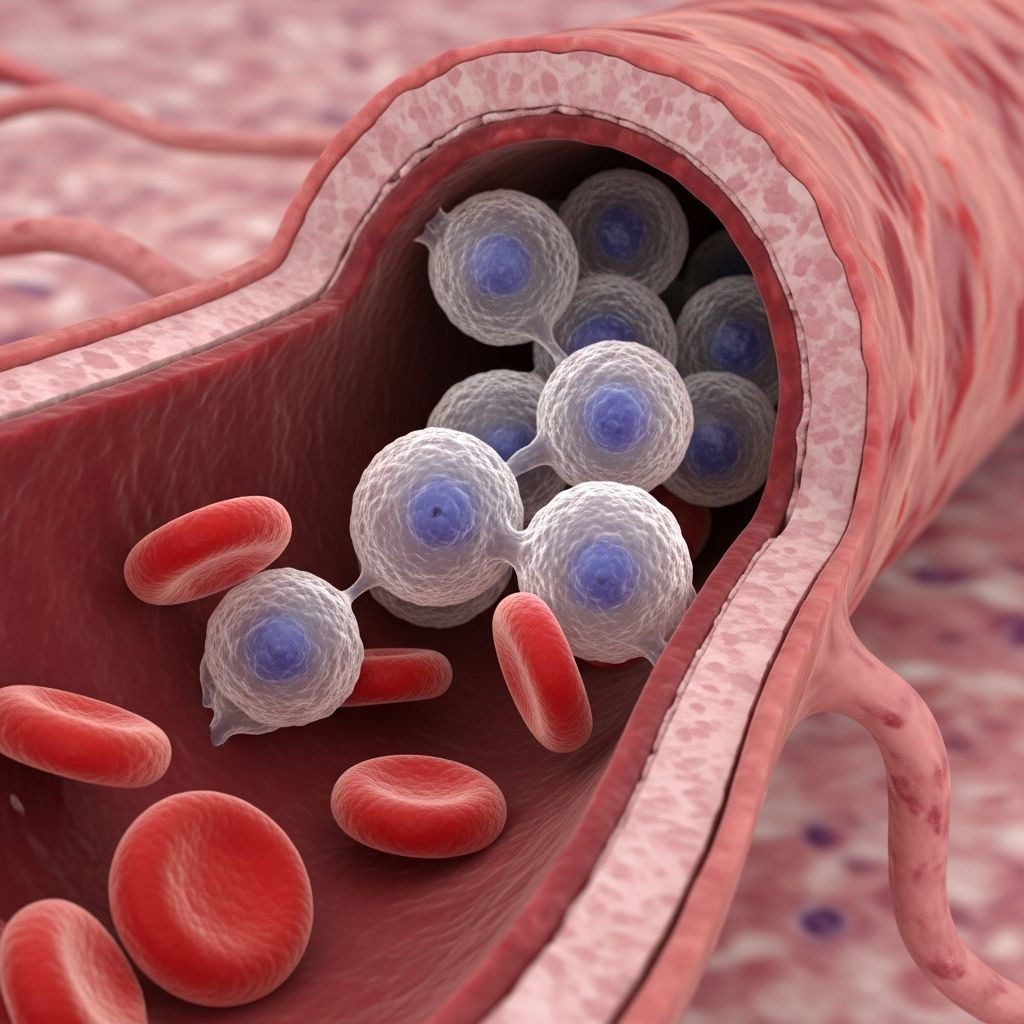
Intravascular lymphoma (IVL), also known as intravascular large B-cell lymphoma (IVLBCL), is a rare and aggressive form of non-Hodgkin lymphoma characterized by the proliferation of neoplastic lymphocytes within the lumina of small blood vessels. This malignancy presents a significant diagnostic challenge due to its variable clinical presentation and propensity to mimic other systemic diseases, including vasculitis, infection, and degenerative dementia.
Definition and Pathophysiology
Intravascular lymphoma is a distinct variant of diffuse large B-cell lymphoma (DLBCL) in which malignant cells proliferate exclusively or predominantly within the vascular lumens of small arteries, arterioles, capillaries, and venules. This intravascular growth pattern results in vascular occlusion and compromised blood supply to affected tissues, leading to characteristic signs and symptoms of ischemia and infarction. The intravascular nature of the disease means it presents as a disseminated condition at diagnosis, affecting multiple organ systems simultaneously.
Epidemiology and Clinical Presentation
Intravascular lymphoma is exceptionally rare, comprising less than 1% of all non-Hodgkin lymphomas. The disease typically affects adults, with a median age at diagnosis in the sixth to seventh decade of life. Both genders are affected approximately equally.
Organ Involvement Patterns
The distribution of organ involvement in intravascular lymphoma is notably distinctive. The central nervous system (CNS) represents the most commonly affected primary site, involved in approximately 41% of cases. Other frequently involved organs include the kidneys, adrenal glands, liver, lungs, skin, and bone marrow. Isolated cutaneous intravascular lymphoma represents a subset with potentially better prognosis compared to systemic disease.
Neurologic Manifestations
Approximately 52% of all intravascular lymphoma patients present with neurologic symptoms and complications. The neurologic manifestations vary depending on the location and severity of cerebrovascular pathology:
- Diffuse cerebral signs and cognitive dysfunction
- Dementia and progressive cognitive decline
- Focal cerebral signs including stroke-like syndromes
- Myelopathy and spinal cord involvement
- Peripheral neuropathy and sensory abnormalities
- Polyradiculopathy affecting multiple nerve roots
- Myopathy with muscle weakness
- Meningoencephalitis with meningeal inflammation
- Acute confusional state and encephalopathy
Systemic Manifestations
Constitutional B symptoms affect the majority of intravascular lymphoma patients and include:
- Low-grade fever (often intermittent)
- Night sweats (frequently drenching)
- Unintentional weight loss
Laboratory abnormalities are common, with increased serum lactate dehydrogenase (LDH) and elevated beta-2 microglobulin levels observed in 80–90% or more of patients. Notably, circulating lymphoma cells are absent in blood or cerebrospinal fluid (CSF) in the vast majority of cases, contributing to diagnostic difficulty.
Diagnostic Approaches
Clinical Suspicion and Differential Diagnosis
Intravascular lymphoma should be considered in the differential diagnosis of adult patients presenting with unclear meningoencephalitic syndromes, acute confusional state, unexplained dementia, or other neurologic conditions accompanied by signs of systemic disease. The disease often mimics other conditions, and most cases historically have been diagnosed only at autopsy due to misleading clinical features resembling degenerative dementia, vasculitis, cerebrovascular stroke, infection, or other neoplasms.
Biopsy Procedures
Biopsy of involved organs is mandatory for establishing a definitive diagnosis of intravascular lymphoma. Multiple biopsy strategies are employed depending on clinical presentation:
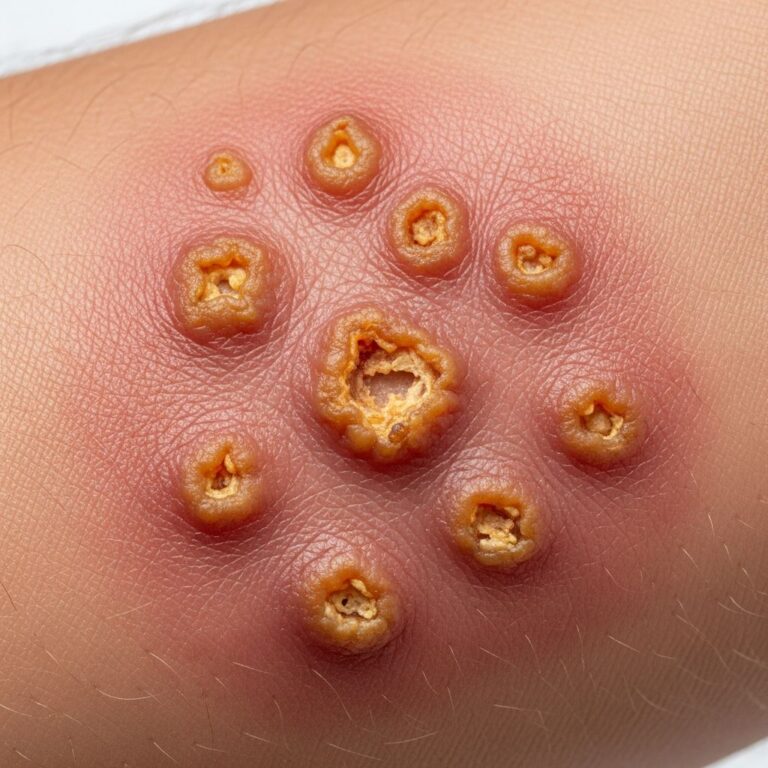
- Skin biopsy: Lesional or non-lesional skin biopsies may be diagnostic, particularly in patients with cutaneous involvement, and should be attempted first due to accessibility.
- Organ biopsy: Biopsies of other commonly affected organs, including kidneys, liver, lungs, and bone marrow, may establish the diagnosis without requiring brain biopsy.
- Bone marrow biopsy: Random bone marrow examination may reveal intravascular lymphoma cells.
- Brain biopsy: If skin and organ biopsies are negative, brain biopsy becomes necessary to confirm CNS involvement, particularly in patients with primary neurologic symptoms.
Related Stories



Laboratory Investigations
Laboratory findings are largely nonspecific but support the diagnosis:
- Elevated serum LDH (lactate dehydrogenase)
- Elevated beta-2 microglobulin levels
- Anemia may be present
- Absence of circulating lymphoma cells in peripheral blood (unlike most lymphomas)
- CSF analysis typically shows no abnormal lymphocytes
Imaging Studies
Neuroimaging in CNS-involved intravascular lymphoma may reveal:
- Diffusion-weighted MRI showing cytotoxic edema from ischemic infarction
- Susceptibility-weighted MRI detecting microhemorrhages
- Multiple scattered lesions consistent with vascular occlusion
- Stroke-like imaging patterns
Treatment Strategies
Standard Systemic Chemotherapy
Intravascular lymphoma, being a high-grade lymphoid malignancy, requires aggressive treatment. R-CHOP chemotherapy (rituximab, cyclophosphamide, doxorubicin, vincristine, and prednisone) represents the standard treatment regimen and should be the first-line therapy for all patients with intravascular lymphoma.
The R-CHOP regimen components function as follows:
- Rituximab (Rituxan): A targeted monoclonal antibody against CD20 antigen on B-cells, improving overall survival
- Cyclophosphamide: An alkylating chemotherapy agent
- Doxorubicin: An anthracycline chemotherapy drug
- Vincristine: A vinca alkaloid chemotherapy agent
- Prednisone: A corticosteroid with immunosuppressive properties
CNS-Directed Therapy
For patients with CNS involvement or those at high risk for CNS relapse, intrathecal methotrexate-based chemotherapy must be combined with systemic R-CHOP. Intrathecal administration bypasses the blood-brain barrier, allowing chemotherapy to reach CNS tissues while minimizing systemic toxicity through lower dose administration.
Intrathecal chemotherapy regimens include:
- Methotrexate (MTX) alone or in combination
- Methotrexate, cytarabine, and prednisolone combination
- Direct administration via lumbar puncture or Ommaya catheter
CNS Prophylaxis
Even in patients without overt CNS involvement at diagnosis, intrathecal chemotherapy is recommended for CNS prophylaxis to prevent CNS relapse. Clinical evidence demonstrates that patients receiving prophylactic intrathecal methotrexate experience significantly improved outcomes and reduced rates of CNS relapse.
Consolidative Therapy
Emerging evidence suggests that rituximab with anthracycline-based therapy along with prophylactic CNS-directed therapy followed by consolidative autologous stem cell transplantation (ASCT) may lead to long-term remission in selected patients, though this approach requires further validation through prospective studies.
Treatment Outcomes and Survival
The prognosis of intravascular lymphoma has historically been poor, with survival times in most patients previously less than one year from diagnosis. However, with improved recognition and earlier implementation of R-CHOP-based chemotherapy combined with intrathecal methotrexate, survival outcomes have improved substantially.
Recent case reports document:
- Complete remission with symptom-free survival exceeding 32–34 months
- Reported complete response rates of approximately 53% with R-CHOP-based therapy
- Better prognosis associated with isolated cutaneous disease compared to systemic disease
- Resolution of CNS lesions and neurologic abnormalities following chemotherapy
Diagnostic and Therapeutic Challenges
Rarity and Clinical Mimicry
The extreme rarity of intravascular lymphoma creates a significant diagnostic challenge. The disease’s variable presentation and propensity to mimic other systemic conditions—including vasculitis, infection, stroke, and primary degenerative dementia—frequently delays diagnosis. Many historical cases were diagnosed only at autopsy, highlighting the importance of maintaining clinical suspicion in patients with atypical presentations of neurologic disease accompanied by systemic symptoms.
Research Limitations
Clinical evidence for intravascular lymphoma treatment is derived primarily from case reports and retrospective case series rather than prospective randomized controlled trials. This limited evidence base reflects the disease’s rarity and the resulting lack of adequate patient populations for large-scale clinical studies. Consequently, treatment recommendations are based on extrapolation from high-grade lymphoma data and accumulated clinical experience.
Genetic and Pathobiologic Understanding
Further research into the genetic features and molecular pathogenesis of intravascular lymphoma is needed to better understand disease mechanisms and identify potential therapeutic targets beyond conventional chemotherapy and rituximab.
Clinical Pearls for Diagnosis
Healthcare providers should maintain heightened clinical suspicion for intravascular lymphoma in the following scenarios:
- Adult patients with unexplained meningoencephalitis despite negative infectious workup
- Acute confusional state or delirium without clear etiology
- Progressive dementia with systemic signs (fever, weight loss, night sweats)
- Stroke-like syndromes in young to middle-aged adults with elevated LDH
- Unexplained myelopathy or peripheral neuropathy with constitutional symptoms
- Multisystem involvement with vascular occlusive features
Frequently Asked Questions
Q: Is intravascular lymphoma curable?
A: While intravascular lymphoma is aggressive, contemporary treatment with R-CHOP chemotherapy combined with intrathecal methotrexate can achieve complete remission and long-term survival in responsive patients. Early diagnosis and prompt initiation of therapy significantly improve outcomes.
Q: Why is intravascular lymphoma difficult to diagnose?
A: Intravascular lymphoma is extremely rare and presents with variable, nonspecific symptoms that mimic other conditions like vasculitis, infection, and degenerative diseases. Additionally, lymphoma cells typically do not circulate in blood or cerebrospinal fluid, limiting diagnostic accessibility without tissue biopsy.
Q: What is the role of intrathecal chemotherapy?
A: Intrathecal methotrexate-based chemotherapy is crucial for treating CNS involvement and for prophylaxis in high-risk patients. It bypasses the blood-brain barrier, directly reaching CNS tissues while minimizing systemic toxicity through lower dosing.
Q: What organs are most commonly affected?
A: The central nervous system is most commonly involved (41% of cases), followed by kidneys, adrenal glands, liver, lungs, skin, and bone marrow. The disease typically affects multiple organs simultaneously.
Q: How long does treatment typically last?
A: Standard R-CHOP chemotherapy is typically administered in 6–8 cycles, with each cycle lasting approximately 21 days. Intrathecal methotrexate is often given concurrently or sequentially, and some patients may proceed to consolidative autologous stem cell transplantation.
References
- Diagnosis and Treatment of Intravascular Lymphomatosis — JAMA Neurology. https://jamanetwork.com/journals/jamaneurology/fullarticle/776140
- Intravascular Lymphoma in the CNS: Options for Treatment — National Center for Biotechnology Information (NCBI). https://pmc.ncbi.nlm.nih.gov/articles/PMC5569665/
- Intravascular Large B-Cell Lymphoma: An Elusive Diagnosis — National Center for Biotechnology Information (NCBI). https://pmc.ncbi.nlm.nih.gov/articles/PMC7518387/
- Intravascular Lymphoma of the Brain in 63-Year-Old Man — Hospital for Special Surgery (HSS). https://www.hss.edu/health-library/conditions-and-treatments/complexcase-intravascular-lymphoma-of-the-brain
- Intravascular Lymphoma – The Creepy Crawler: A Case Series and Brief Literature Review — Cancer Diagnosis and Prognosis. https://www.cancerdiagnosisprognosis.org/article/182/intravascular-lymphoma-the-creepy-crawler-a-case-series-and-brief-literature-review
- Intravascular Large B-Cell Lymphoma: A Chameleon With Multiple Faces — Blood (American Society of Hematology). https://ashpublications.org/blood/article/132/15/1561/39314/Intravascular-large-B-cell-lymphoma-a-chameleon
Similar Articles








Read full bio of Sneha Tete