Intravenous Pyelogram: Imaging Test for Urinary Tract
Complete guide to intravenous pyelograms: what they are, why they're performed, and what to expect.
What Is an Intravenous Pyelogram?
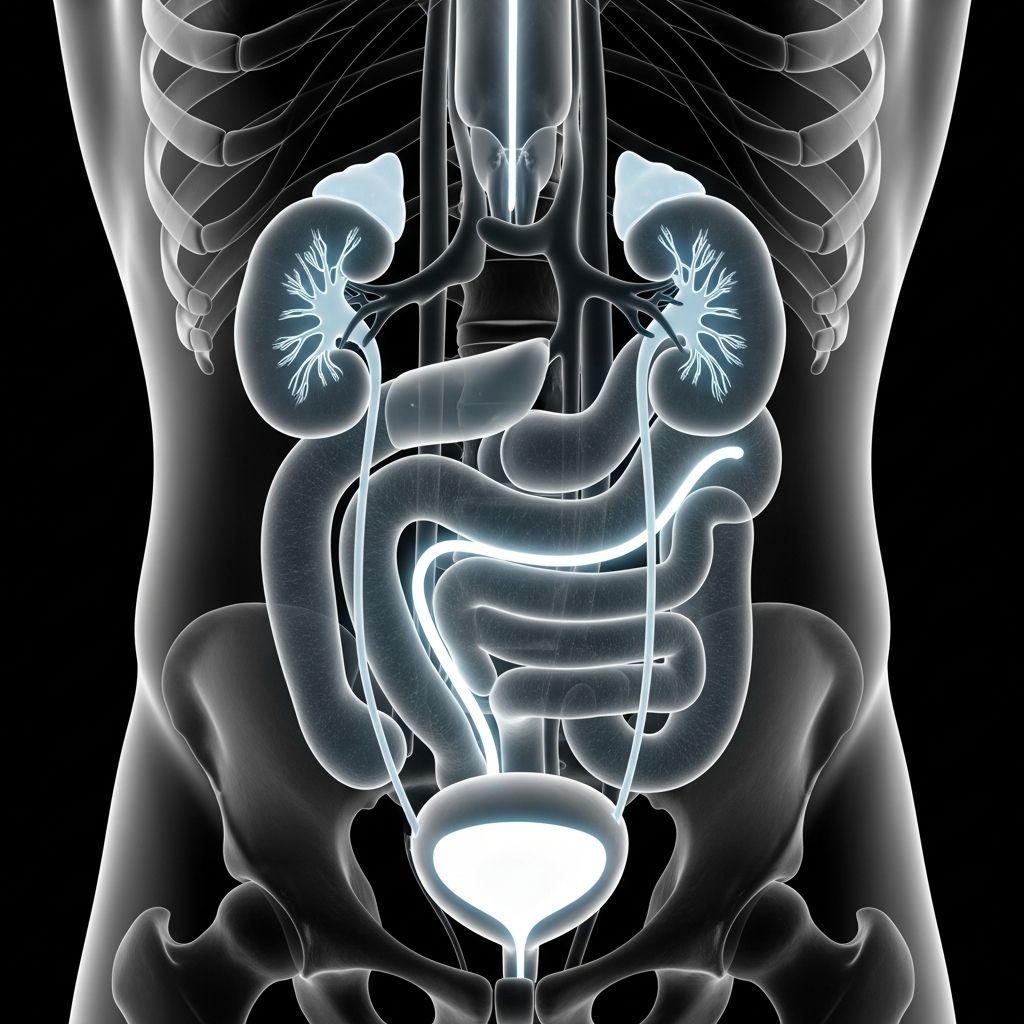
An intravenous pyelogram (IVP), also known as an excretory urogram, is a specialized X-ray examination of the urinary tract system. This diagnostic imaging test uses a contrast medium—typically an iodine-based dye—combined with X-ray technology to produce detailed images of the kidneys, ureters, bladder, and urethra. The contrast material is injected directly into a vein in your arm, travels through your bloodstream, and is filtered by the kidneys into the collecting system. This process highlights the anatomical structures of the urinary tract, allowing healthcare providers to visualize how well the kidneys and urinary system function.
The iodinated contrast flows through the renal vasculature and is filtered into the collecting system, creating distinct images on X-ray film that highlight the structures and their function. The test typically takes approximately one hour, though this duration may extend if the kidneys are functioning at a slower rate or if additional imaging is required for comprehensive evaluation.
Why Your Doctor May Recommend an IVP
Healthcare providers may recommend an intravenous pyelogram for several clinical reasons. This test is particularly useful when patients present with specific symptoms or conditions that suggest urinary tract problems.
Diagnostic Purposes
An IVP may be performed to diagnose various conditions affecting the urinary system. The test can identify kidney stones, enlarged prostate glands, urinary tract tumors, and structural abnormalities of the kidneys such as medullary sponge kidney—a condition present at birth that affects the tiny tubes inside the kidneys. Additionally, an IVP can assess damage caused by trauma, detect infections, and evaluate the overall size, shape, and position of urinary tract structures.
Symptom Evaluation
Patients experiencing specific symptoms related to the urinary system are often candidates for an IVP. These symptoms include blood in the urine (hematuria), pain in the side or lower back, frequent urinary tract infections (UTIs), and unexplained abdominal pain or injury. The test helps determine the underlying cause of these symptoms by providing detailed visualization of the urinary tract structures.
Clinical Assessment
An IVP can also be used to evaluate abdominal injuries, monitor bladder and kidney infections, and assess overall urinary system function. This comprehensive imaging capability makes it a valuable diagnostic tool in various clinical scenarios, though it should be noted that modern imaging techniques like CT scans have become more commonly used alternatives in recent years.
How the Intravenous Pyelogram Procedure Works
Understanding the step-by-step process of an IVP can help you feel more prepared and comfortable during the test. The procedure is typically performed on an outpatient basis in the X-ray (radiology) department of a hospital or clinic, and you usually do not need to stay overnight.
Pre-Procedure Preparation
Before your IVP begins, you will be asked to change into a hospital gown and remove any metal objects that might interfere with the X-ray images. It is crucial to inform your healthcare provider if you are pregnant or think you may be pregnant, as the radiation exposure may pose risks to a developing fetus. Similarly, if you are breastfeeding, inform your provider so they can advise whether you should pump and store milk or use formula temporarily after the procedure. You will also be asked to empty your bladder before the procedure begins, as this ensures better visualization of urinary tract structures.
Related Stories



Initial Imaging
The procedure begins with a preliminary X-ray called a kidney-ureter-bladder (KUB) radiograph. This baseline image is taken before any contrast material is injected and serves as a crucial reference point. The technician will position you on the X-ray table and take this initial image to establish proper positioning and ensure optimal visualization.
Contrast Injection
Once the preliminary images are obtained, the technician will insert an intravenous (IV) line into a vein in your arm, typically in the inner elbow area. Through this IV, a bolus of iodine-based contrast dye is injected. You may experience a warm sensation throughout your body, a metallic taste in your mouth, or a brief flushing sensation when the dye is injected—these are normal reactions. Some patients report a mild burning sensation at the injection site.
Timed X-Ray Imaging
Following the contrast injection, a series of X-ray images are taken at specific timed intervals. The first set of nephrographic images is typically obtained one to three minutes after contrast administration. During this time, you will be asked to remain very still and may be instructed to hold your breath while the X-rays are taken to prevent blurring of the images. At least three X-rays, several minutes apart, are captured as the dye travels through the urinary tract, showing how the kidneys filter the contrast material.
Position Changes and Compression
You may be asked to turn from one side to the other or assume different positions to allow the technician to capture images from various angles. Some facilities use compression bands placed across your abdomen, particularly around the kidney area, to help visualize the lower segments of the urinary tract and ensure proper distribution of the contrast dye. While the belt may feel tight over your belly area, it is a normal part of the procedure.
Post-Micturition Imaging
Toward the end of the examination, you will be asked to urinate to empty your bladder. After you return to the X-ray table, a final X-ray image is taken of your now-empty bladder. This post-micturition image is important because it shows how completely the bladder empties and can reveal any residual contrast or abnormalities. Some facilities may use fluoroscopy—an imaging technique that projects the motion or activity of internal organs onto a screen—during parts of the IVP to provide real-time visualization.
What to Expect During and After the Procedure
During the Test
During the IVP procedure, you will lie still on an X-ray table for approximately one hour. The procedure may feel lengthy, but most patients tolerate it well. You may experience some discomfort from lying still or from the compression belt around your abdomen, but these sensations are typically mild and temporary. Some people develop a headache, nausea, or mild vomiting after the dye is injected, though these effects usually resolve quickly.
After the Procedure
Once the procedure is complete, the technician will remove the peripheral IV from your arm and place a bandage over the needle insertion site. You can immediately resume your normal activities and return to your regular diet and medications. However, healthcare providers strongly recommend drinking plenty of fluids—especially water—following the procedure. This increased fluid intake helps flush the contrast dye from your body through your kidneys and urine, promoting faster elimination of the iodinated material.
Preparation and Important Considerations
Pre-Test Instructions
Specific preparation instructions will be provided by your healthcare facility, but general guidelines typically include fasting for several hours before the procedure. Your provider will inform you about any dietary restrictions or medications to avoid. It is essential to arrive at your appointment on time and inform the medical staff of any allergies, particularly to iodine or shellfish, as the contrast dye is iodine-based.
Important Information to Disclose
Before undergoing an IVP, inform your healthcare provider of the following:
- Any history of allergic reactions to contrast dye or iodine
- Pregnancy or possibility of pregnancy
- Breastfeeding status
- Kidney disease or impaired kidney function
- Diabetes, especially if you take metformin
- Heart conditions or very low blood pressure
- Any medications you are currently taking
Risks and Potential Complications
While intravenous pyelograms are generally considered safe procedures, certain risks and potential complications should be understood.
Contrast Dye Reactions
The most common complication associated with IVP is an allergic reaction to the iodine-based contrast dye. Reactions can range from mild to severe. Mild reactions include itching, hives, or a mild rash. Moderate reactions may include nausea, vomiting, or headache. Rarely, severe allergic reactions can occur, including anaphylactic shock—a sudden, full-body reaction that can lead to breathing problems and other life-threatening symptoms requiring immediate medical intervention. Cardiac arrest, where the heart stops beating, is an extremely rare but possible complication.
Radiation Exposure
During an IVP, you are exposed to low levels of ionizing radiation from the X-rays. The amount of radiation exposure during this procedure is small, and the risk of any damage to cells in your body is low. However, if you are pregnant or think you may be pregnant, you should inform your provider before having an IVP, as radiation exposure during pregnancy carries potential risks to the developing fetus. Your healthcare provider may recommend an alternative imaging test that does not use radiation, such as an ultrasound or MRI.
Contrast-Induced Nephropathy
In patients with significantly impaired kidney function, the contrast dye itself can potentially cause temporary worsening of kidney function, known as contrast-induced nephropathy. This is why it is essential to inform your provider if you have kidney disease or compromised renal function.
Other Potential Complications
Additional rare complications may include very low blood pressure following the procedure or extravasation of contrast material outside the vein. Some patients may experience discomfort at the injection site, though this typically resolves without treatment.
Understanding Your Test Results
After your IVP is completed, the radiologist will review all the images obtained during the procedure. The radiologist analyzes how the contrast dye moved through your urinary system, examining the size, shape, and position of your kidneys, ureters, and bladder. The radiologist will prepare a detailed report describing the findings and any abnormalities detected. Normal results indicate that your urinary tract structures appear normal in size and position, and that the kidneys, ureters, and bladder are functioning appropriately.
Abnormal results may indicate the presence of kidney stones, tumors, structural abnormalities, scarring, or signs of infection or obstruction. Your healthcare provider will discuss the results with you and explain what they mean for your health and any recommended next steps or additional testing.
Frequently Asked Questions About IVP
Q: How long does an intravenous pyelogram take?
A: An IVP typically takes approximately one hour, though the procedure may take longer if your kidneys are functioning at a slower rate or if your healthcare provider needs additional images for comprehensive evaluation.
Q: Will I feel pain during the procedure?
A: Most patients experience minimal discomfort during an IVP. You may feel a brief pinch when the IV needle is inserted, and some people report a warm sensation or metallic taste when the contrast dye is injected. The compression belt around your abdomen may feel tight but should not be painful.
Q: Can I eat or drink before my IVP?
A: Your healthcare facility will provide specific fasting instructions. Generally, you should not eat or drink for several hours before the procedure. Follow the instructions provided by your medical team.
Q: Is the contrast dye safe?
A: The contrast dye used in IVP procedures has been used safely for decades. While allergic reactions can occur, they are uncommon. Inform your provider of any known allergies to iodine or shellfish before the procedure.
Q: What should I do after the procedure?
A: After your IVP, you can resume normal activities immediately. Drink plenty of water and other fluids to help flush the contrast dye from your system. There are typically no restrictions on diet or medications after the procedure.
Q: Is IVP safe during pregnancy?
A: No, IVP is generally not recommended during pregnancy due to radiation exposure. If you are pregnant or think you may be pregnant, inform your healthcare provider before the procedure. Alternative imaging tests that do not use radiation, such as ultrasound or MRI, may be recommended instead.
References
- Intravenous Pyelogram (IVP): MedlinePlus Medical Test — U.S. National Library of Medicine, National Institutes of Health. 2024. https://medlineplus.gov/lab-tests/intravenous-pyelogram-ivp/
- Intravenous Pyelography — StatPearls, National Center for Biotechnology Information (NCBI). 2024. https://www.ncbi.nlm.nih.gov/books/NBK559034/
- Intravenous Pyelogram — Mayo Clinic. 2024. https://www.mayoclinic.org/tests-procedures/intravenous-pyelogram/about/pac-20394475
- Intravenous Pyelogram (IVP): Procedure, Risks & Results — Cleveland Clinic. 2024. https://my.clevelandclinic.org/health/diagnostics/23578-intravenous-pyelogram
- Intravenous Pyelogram (IVP) — Canadian Cancer Society. 2024. https://cancer.ca/en/treatments/tests-and-procedures/intravenous-pyelogram-ivp
- What Is an Intravenous Pyelogram (IVP)? — Urology Care Foundation. 2024. https://www.urologyhealth.org/urology-a-z/i/intravenous-pyelogram-(ivp)
- Intravenous Pyelogram — Penn Medicine. 2024. https://www.pennmedicine.org/treatments/intravenous-pyelogram
Similar Articles








Read full bio of Sneha Tete