Intraventricular Hemorrhage: Causes, Symptoms, and Treatment
Understanding intraventricular hemorrhage: recognition, diagnosis, and evidence-based management strategies.
Understanding Intraventricular Hemorrhage
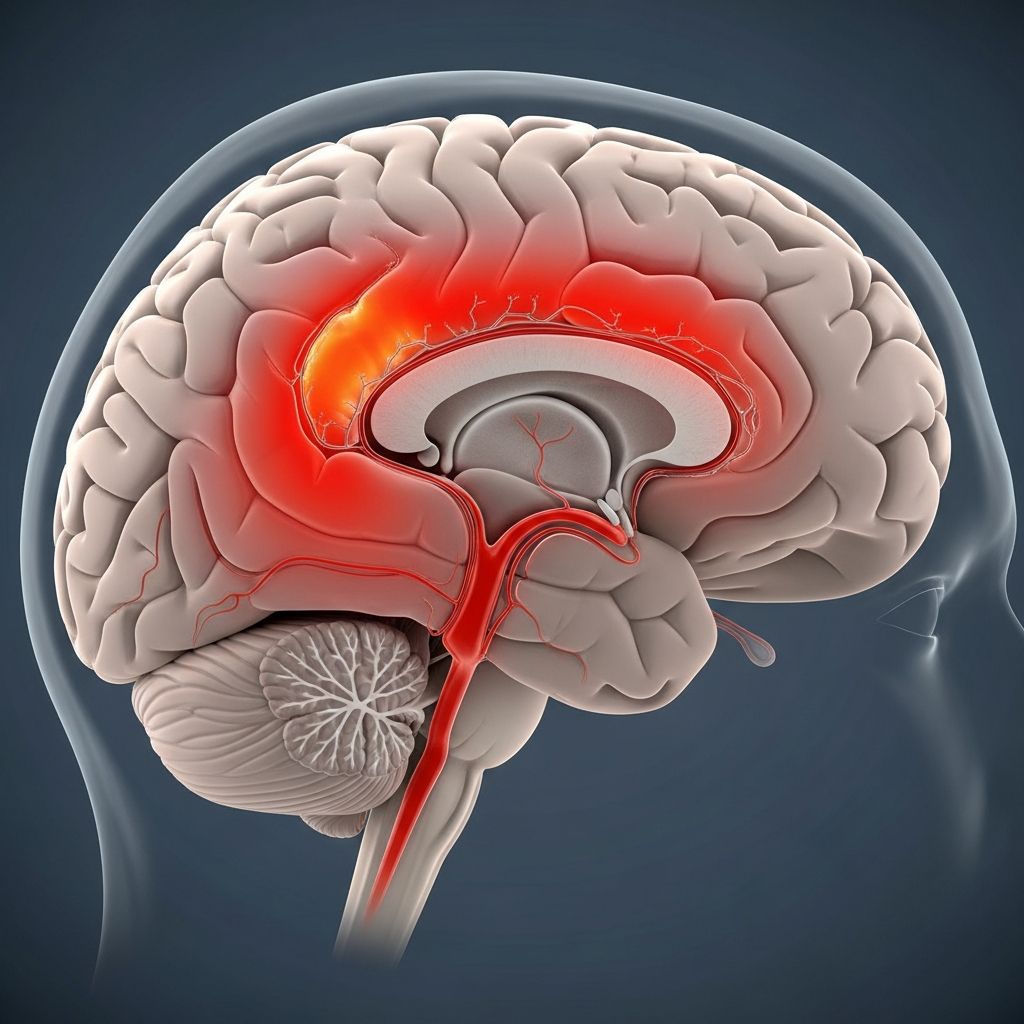
Intraventricular hemorrhage (IVH) is a serious medical condition characterized by bleeding within or around the ventricles, the fluid-filled spaces located deep inside the brain that contain cerebrospinal fluid (CSF). The term “intraventricular” refers to the location within the ventricles, while “hemorrhage” describes the excessive bleeding that occurs in this critical area. This condition represents a medical emergency requiring immediate diagnosis and treatment to prevent life-threatening complications.
The ventricles are essential brain structures that produce and circulate cerebrospinal fluid throughout the brain and spinal cord. This fluid serves crucial protective and cushioning functions for brain tissue. When bleeding occurs in these spaces, blood mixes with the cerebrospinal fluid and can obstruct its normal circulation, potentially leading to increased intracranial pressure and severe neurological damage.
Who is at Risk for Intraventricular Hemorrhage?
Intraventricular hemorrhage occurs across different age groups, but the causes and risk factors vary significantly between premature infants and older children or adults.
Risk in Premature Infants
Premature babies face the highest risk for developing intraventricular hemorrhage, particularly those classified as very low birthweight infants weighing less than 1,500 grams (3 pounds, 5 ounces). In premature infants, IVH typically results not from trauma but from the physiological immaturity of the developing brain’s vascular system. The germinal matrix, a region of delicate blood vessels in the developing brain, is especially vulnerable due to its fragile structure and unique morphology.
Premature infants also possess an underdeveloped cerebral autoregulation mechanism—the brain’s normal ability to maintain stable blood flow despite fluctuations in blood pressure. This developmental inadequacy significantly increases the risk of bleeding when blood pressure changes occur. Most intraventricular hemorrhages in newborns occur within the first 72 hours after birth.
Risk in Older Children and Adults
In contrast, intraventricular hemorrhage in older children and adults typically results from traumatic injury or secondary bleeding from other cerebral hemorrhages. Adults and older children generally develop IVH through different mechanisms, such as high blood pressure-related intracerebral hemorrhage or aneurysmal subarachnoid hemorrhage. Approximately 35% of moderate to severe traumatic brain injuries result in intraventricular hemorrhage.
Causes and Contributing Factors
Understanding the causes of intraventricular hemorrhage helps healthcare providers identify at-risk patients and implement preventive measures when possible.
Causes in Premature Infants
In premature newborns, intraventricular hemorrhage stems primarily from vascular vulnerability and circulatory immaturity rather than external trauma. Key factors include:
Germinal Matrix Fragility: The germinal matrix contains immature, fragile blood vessels prone to rupture, making it the most common source of bleeding in premature infants.
Hypoxic-Ischemic Injury: Insufficient oxygen delivery to brain tissue causes cell death and weakens blood vessel walls, leading to bleeding that serves as a marker for previously occurring injury.
Delivery Complications: Prolonged labor, improper use of delivery instruments, and breech presentations can create trauma leading to IVH.
Related Stories



Maternal Health Issues: Untreated maternal hypertension, infections, and placental problems can cause oxygen deprivation or blood pressure fluctuations in the developing fetus.
Congenital Infections: Congenital cytomegalovirus infection represents an important infectious cause of periventricular-intraventricular hemorrhage in newborns.
Extracorporeal Membrane Oxygenation (ECMO): Use of ECMO support in preterm infants increases the risk of intraventricular hemorrhage.
Causes in Adults and Older Children
In older patients, intraventricular hemorrhage typically develops through secondary mechanisms related to primary bleeding events. Approximately 70% of adult IVH cases are secondary, resulting from expansion of existing intraparenchymal or subarachnoid hemorrhages.
Traumatic Brain Injury: Physical trauma represents the most common external cause of IVH in older populations.
Aneurysm Rupture: Ruptured cerebral aneurysms frequently lead to subarachnoid hemorrhage that extends into the ventricular system.
Hypertension-Related Hemorrhage: Chronic high blood pressure can weaken cerebral blood vessels, leading to spontaneous intracerebral hemorrhage that extends into the ventricles.
Vascular Malformations: Arteriovenous malformations and other vascular abnormalities can rupture and cause intraventricular bleeding.
Tumors: Particularly choroid plexus tumors can cause primary intraventricular hemorrhage.
Recognizing Symptoms and Clinical Presentation
Symptoms of intraventricular hemorrhage vary significantly based on the patient’s age, the severity of bleeding, and whether other brain areas are affected. Early recognition of symptoms is critical for ensuring prompt medical intervention.
Symptoms in Premature Infants
Newborns cannot verbally communicate their symptoms, making clinical observation essential for early detection. Healthcare providers should watch for these common signs:
Respiratory and Cardiovascular Signs:
– Apnea (prolonged breathing pauses) and bradycardia (slow heart rate)- Changes in blood pressure- Pale or blue skin coloring (cyanosis) indicating poor oxygenation
Feeding and Neurological Signs:
– Weak sucking ability during feeding- Decreased muscle tone and reflexes- Excessive lethargy and prolonged sleep- High-pitched crying
Severe Manifestations:
– Seizures or abnormal movements- Swelling or bulging of the fontanelles (soft spots between skull bones)- Anemia (low blood cell count)- Unexplained bleeding from the nose or ears
Symptoms in Older Children and Adults
Older patients typically experience more acute symptom onset:
Early Subtle Symptoms:
– Sudden onset headache- Nausea and vomiting- Vision changes- Weakness or numbness- Difficulty thinking or speaking
Acute Severe Symptoms:
– Loss of consciousness or altered mental state- Seizures or generalized convulsions- Coma- Focal neurological deficits affecting specific body regions
Long-term Consequences:
– Hydrocephalus (fluid accumulation in the brain)- Developmental delays- Learning disabilities- Paralysis or motor dysfunction
Classification and Grading Systems
Medical professionals use classification systems to standardize severity assessment and guide treatment decisions. In premature infants, intraventricular hemorrhages are graded on a scale reflecting severity:
Grades I and II: Represent less severe hemorrhages localized to the germinal matrix region. These grades are most common and often resolve without significant long-term complications.
Grades III and IV: Represent the most serious forms of intraventricular hemorrhage and may result in extensive brain injury. Grade IV typically involves intraparenchymal hemorrhage extending beyond the ventricular system. These severe grades frequently lead to obstructive hydrocephalus and increased intracranial pressure.
Diagnostic Procedures and Imaging
Accurate diagnosis of intraventricular hemorrhage requires specialized imaging studies to visualize bleeding, determine severity, and identify secondary complications.
Primary Diagnostic Tools
Cranial Ultrasound: In premature infants, cranial ultrasound serves as the primary screening tool and can detect intraventricular hemorrhage, ventricular dilation, and associated brain changes without radiation exposure.
Computed Tomography (CT) Scan: CT imaging provides rapid, detailed visualization of intracranial hemorrhage and is particularly useful in acute settings or when ultrasound findings are inconclusive. CT can reveal the exact location, extent, and associated complications such as hydrocephalus.
Magnetic Resonance Imaging (MRI): MRI offers superior tissue contrast and detailed assessment of brain parenchyma, making it valuable for evaluating chronic changes and detecting hemorrhage-related complications. In adults with unclear causes, MRI helps identify underlying vascular malformations or other etiologic agents.
Ancillary Diagnostic Studies
Cerebrospinal Fluid Analysis: CSF examination may reveal xanthochromia (yellow-tinged fluid indicating prior bleeding), elevated protein levels, or other changes consistent with intracranial hemorrhage.
Cerebral Angiography: When primary hemorrhage cause remains unclear, cerebral angiography can identify aneurysms, arteriovenous malformations, or other vascular abnormalities requiring specific management.
Additional Investigations: Toxicology screening, coagulation studies, and blood pressure monitoring help establish underlying causes and guide targeted treatment.
Treatment Approaches and Management Strategies
Treatment of intraventricular hemorrhage focuses on stabilizing the patient, managing complications, and preventing secondary injury.
Acute Management
Immediate medical interventions include supportive care to maintain adequate oxygenation and circulation, careful blood pressure management, and seizure prevention. Hospitalization in intensive care settings allows continuous monitoring and rapid intervention if complications develop.
Management of Hydrocephalus
When blood clots obstruct cerebrospinal fluid flow, hydrocephalus develops, leading to dangerous intracranial pressure increases. Management options include:
Ventricular Drainage: External ventricular drains (EVD) can temporarily divert excess cerebrospinal fluid, relieving pressure and allowing continued monitoring.
Surgical Intervention: Shunt placement provides permanent diversion of excess cerebrospinal fluid when hydrocephalus persists or becomes chronic.
Preventive and Supportive Measures
In premature infants, interventions to minimize hemorrhage risk include careful management of blood pressure, minimization of sudden pressure fluctuations, and avoiding procedures that increase intracranial pressure unnecessarily. Proper neonatal care protocols significantly reduce IVH incidence in at-risk populations.
Long-term Outcomes and Complications
The prognosis for intraventricular hemorrhage depends on severity, age at onset, and the presence of complications.
Potential Long-term Sequelae
Serious intraventricular hemorrhage can lead to multiple complications:
– Brain damage and neurological impairment- Cerebral palsy (affecting muscle control and movement)- Developmental delays in motor and cognitive domains- Difficulty breathing and respiratory complications- Periventricular leukomalacia (white matter damage)- Seizure disorders requiring long-term management- Hydrocephalus necessitating shunt placement
Prognosis Factors
Grade I and II hemorrhages typically carry favorable prognoses with minimal complications in many cases. However, grade III and IV hemorrhages, particularly when accompanied by hydrocephalus or when resulting from high blood pressure-related hemorrhage in adults, carry significantly worse prognoses. Outcomes are especially poor when dangerous intracranial pressure increases occur or when brain herniation develops.
Associated Conditions and Secondary Complications
Intraventricular hemorrhage frequently occurs alongside other brain injuries. Brain contusions and subarachnoid hemorrhages commonly accompany IVH, and the bleeding may involve major cerebral arteries such as the anterior or posterior communicating arteries. These associated injuries compound the severity and complicate treatment planning.
In both infants and adults, IVH can cause dangerous intracranial pressure elevation, direct brain tissue damage, and secondary hydrocephalus that requires careful management to prevent fatal complications.
Frequently Asked Questions
Q: How common is intraventricular hemorrhage in premature infants?
A: Intraventricular hemorrhage occurs most frequently in premature babies, particularly those with very low birthweight under 1,500 grams. The incidence has decreased significantly with modern neonatal care but remains an important complication requiring vigilant monitoring in the neonatal intensive care unit.
Q: When does intraventricular hemorrhage typically occur in newborns?
A: Most intraventricular hemorrhages in premature infants develop within the first 72 hours after birth, making this a critical period for close monitoring and early detection of potential bleeding complications.
Q: Can intraventricular hemorrhage be prevented?
A: While complete prevention is not always possible, careful management of blood pressure, minimization of pressure fluctuations, and adherence to neonatal care protocols significantly reduce the incidence of intraventricular hemorrhage in at-risk premature infants.
Q: What is the difference between primary and secondary intraventricular hemorrhage?
A: Primary IVH occurs directly within the ventricular system, typically from trauma, aneurysm, or vascular malformation, and accounts for 30% of cases. Secondary IVH results from expansion of existing bleeding in other brain regions and represents 70% of intraventricular hemorrhage cases.
Q: How does age affect intraventricular hemorrhage outcomes?
A: In premature infants, outcomes depend largely on hemorrhage grade and complications such as hydrocephalus. In adults, outcomes are generally worse, particularly when IVH results from high blood pressure-related hemorrhage or when it leads to hydrocephalus requiring intervention.
References
- Intraventricular Hemorrhage — Children’s Hospital of Philadelphia. Accessed 2025. https://www.chop.edu/conditions-diseases/intraventricular-hemorrhage
- Intraventricular Hemorrhage — Wikipedia. Accessed 2025. https://en.wikipedia.org/wiki/Intraventricular_hemorrhage
- Intraventricular Hemorrhage — Aurora Health Care. Accessed 2025. https://www.aurorahealthcare.org/services/neuroscience/brain-skull-base-care/brain-hemorrhage/intraventricular-hemorrhage
- Intraventricular Hemorrhage: Causes, Symptoms, & Treatments — Cerebral Palsy Guide. Accessed 2025. https://www.cerebralpalsyguide.com/birth-injury/intraventricular-hemorrhage/
- Intraventricular Hemorrhage (IVH): Causes & Treatment — Cleveland Clinic. Accessed 2025. https://my.clevelandclinic.org/health/diseases/intraventricular-hemorrhage-ivh
- Intraventricular Hemorrhage of the Newborn — MedlinePlus. U.S. National Library of Medicine. Accessed 2025. https://medlineplus.gov/ency/article/007301.htm
- Intraventricular Hemorrhage in Adults — PubMed. National Center for Biotechnology Information. Accessed 2025. https://pubmed.ncbi.nlm.nih.gov/11096707/
Similar Articles








Read full bio of Sneha Tete