Introduction to Menopause: Understanding the Change
A comprehensive guide to understanding menopause, its stages, symptoms, and management strategies.

Introduction to Menopause
Menopause marks a significant transition in a woman’s life, characterized by dramatic hormonal changes that affect not only reproductive function but also overall health and well-being. Understanding what menopause is, how it progresses, and what to expect can help women navigate this natural life stage with greater confidence and better health outcomes. This comprehensive guide explores the definition of menopause, its stages, symptoms, associated health risks, and available treatment options.
What is Menopause?
Menopause is defined as a 12-month period during which a woman has not had a menstrual period. It represents the end of a woman’s reproductive years and is accompanied by a significant decline in estrogen and progesterone—hormones that regulate the menstrual cycle and affect many other bodily functions. While menopause is a natural biological process that every woman experiences, the age at which it occurs and the intensity of symptoms vary considerably among individuals.
The average age for menopause in the United States is between 51 and 52 years old; however, menopause can occur anytime from a woman’s 30s to her mid-50s or later. Research indicates that women of color, including Black and Hispanic women, tend to experience menopause earlier than white, Chinese, and Japanese women, with some studies showing that menopause may begin around age 48 or 49 for women of color.
The Three Stages of Menopause
Understanding the three distinct stages of menopause can help women prepare for and manage the various changes they may experience:
Perimenopause
Perimenopause is the transition phase leading to menopause and can last several years—sometimes up to 10 years. During this stage, hormone levels fluctuate dramatically, creating a seesaw effect that produces unpredictable symptoms. Women in perimenopause continue to menstruate, but their periods may become irregular, occurring less frequently or more heavily than usual. The hormonal fluctuations during perimenopause typically trigger the most severe symptoms, including hot flashes, night sweats, mood changes, and irregular sleep patterns. Perimenopause usually begins in a woman’s 40s, though it can start earlier.
Menopause
Menopause itself is technically a single moment in time—when a woman has gone 12 consecutive months without a menstrual period. Once this milestone is reached, a woman has officially entered menopause. At this point, estrogen levels have dropped significantly, and while many symptoms may begin to improve, new health concerns may emerge due to the sustained lower levels of estrogen in the body.
Postmenopause
Postmenopause refers to the years following menopause. A woman is considered postmenopausal once she has gone 12 consecutive months without a period and remains so for the rest of her life. While vasomotor symptoms like hot flashes tend to improve for most women after they reach postmenopause, other health risks associated with lower estrogen levels—such as cardiovascular disease and osteoporosis—may persist or worsen.
Common Menopausal Symptoms
Menopause can trigger a wide range of symptoms that affect multiple body systems. While many people think of hot flashes and night sweats as the primary symptoms, the experience of menopause extends far beyond these commonly discussed changes. Approximately 85% of women in the United States experience menopause symptoms, with significant individual variation in frequency and severity.
Related Stories



Vasomotor Symptoms
The most frequently reported menopausal symptoms are vasomotor in nature, affecting blood vessel regulation:
– Hot flashes (sudden intense warmth spreading over the body)- Night sweats (profuse sweating during sleep)- Chills and flushing
Research shows that more than 75% of women experience hot flashes during perimenopause, and over 25% continue experiencing them for more than 5 years. These symptoms can significantly disrupt daily life and sleep quality.
Psychological and Cognitive Symptoms
Menopause profoundly affects mental health and cognitive function. Studies reveal that approximately 47% of women experience psychological symptoms, 44.6% report depression, and 43.6% struggle with anxiety. Additionally, menopause can impair cognitive performance, affecting attention, language processing, memory recall, orientation, and visuospatial skills. The severity of these psychological symptoms is typically highest in the late postmenopausal period.
Physical Symptoms
Beyond hot flashes and mood changes, menopause affects the entire body:
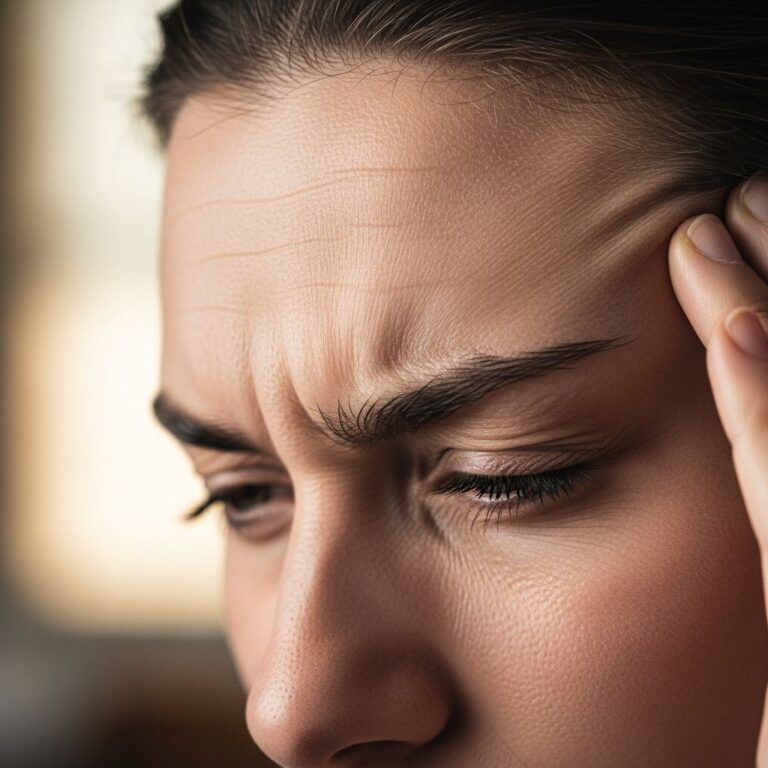
– Irregular menstrual periods- Vaginal dryness and discomfort- Joint and muscle aches- Headaches and migraines- Fatigue and sleep disturbances- Weight gain and changes in metabolism- Thinning hair and dry skin
Long-Term Health Risks Associated with Menopause
While the acute symptoms of menopause are often temporary, the sustained decline in estrogen after menopause creates significant long-term health challenges. Understanding these risks is crucial for implementing preventive strategies early.
Cardiovascular Disease
One of the most significant health consequences of menopause is the increased risk of cardiovascular disease. Estrogen and progesterone receptors are present throughout the heart and the entire vascular system. When estrogen levels drop, atherosclerotic plaque can develop within blood vessels, compromising cardiac function. This is why most women do not experience heart attacks until around age 65, whereas men typically have them in their 50s—estrogen appears to provide substantial cardiovascular protection during a woman’s reproductive years.
Osteoporosis
Estrogen plays a critical role in maintaining bone density. One of the primary causes of osteoporosis in women is the loss of estrogen that occurs during menopause. Bone loss often occurs silently without noticeable symptoms, making it especially dangerous. Women may not realize they are losing bone mass until they suffer a fracture or break. The consequences of untreated bone loss include fragile bones prone to fractures, stooped posture, and chronic pain.
Cognitive Decline and Dementia
Menopause can increase the risk of cognitive decline and conditions such as Alzheimer’s disease and dementia. The hormonal changes associated with menopause affect brain function, and this risk is particularly elevated when menopause is not properly managed.
Increased Mortality Risk
Research on the global impact of menopause demonstrates that mortality patterns change significantly around menopause. The ratio of female to male mortality from all causes declines to low levels around menopause and shortly thereafter, then rises again. This pattern suggests that the female reproductive period provides broad protective health benefits that disappear after menopause. The main protective effect relates to reduced cardiovascular disease mortality, though this is partially offset by increased cancer mortality, particularly breast and endometrial cancers.
Global Demographics of Menopause
The scale of menopause globally is substantial and growing. Using age 50 as a proxy for menopause, approximately 25 million women pass through menopause each year. In 1990, there were an estimated 467 million postmenopausal women worldwide with an average age of about 60 years. By 2030, the global population of menopausal and postmenopausal women is projected to increase dramatically to 1.2 billion, with 47 million new women entering this stage annually. In the United States alone, approximately 50 million women fall between ages 42 to 58, the most common age range for experiencing perimenopause and menopause.
Health Disparities in Menopause Experience
While menopause is a universal experience for women, its impact is not uniform across all populations. Women from different racial and ethnic backgrounds experience menopause differently. Black and Hispanic women not only tend to experience menopause earlier than white, Chinese, and Japanese women but also experience symptoms for a longer duration, sometimes with such intensity that symptoms significantly disrupt their daily lives.
Part of this disparity stems from lifelong differences in healthcare access and increased health burdens that accumulate as women age. When women of color reach menopause, the loss of ovarian hormones compounds existing health vulnerabilities, leading to greater risks of cardiovascular disease, osteoporosis, and dementia.
Treatment and Management Options
A comprehensive approach to menopause management is essential, often requiring collaboration among multiple medical specialists. Healthcare providers including internists, cardiologists, neurologists, psychiatrists, and endocrinologists can work together to address the complexity of menopause and how it interacts with existing health conditions such as multiple sclerosis, rheumatoid arthritis, diabetes, depression, and anxiety.
Hormone therapy, lifestyle modifications, complementary approaches, and targeted treatments for specific symptoms are among the available options. The goal of effective menopause management is to help women live comfortably while protecting their long-term health from the broad range of potential consequences, including chronic pain, heart disease, breast cancer, osteoporosis, and Alzheimer’s disease.
The Economic Impact of Menopause
The economic burden of menopause on society is substantial. Menopausal symptoms cost U.S. women a collective $1.8 billion in lost work time according to a 2023 Mayo Clinic study. This figure underscores the real impact menopause has on women’s quality of life and productivity.
Barriers to Effective Menopause Care
Despite advances in women’s health, significant barriers to effective menopause management persist. Many doctors struggle to address the complexity of menopause within the constraints of the typical 15-minute appointment allowed by the current healthcare and insurance system. Additionally, women have been historically underrepresented in clinical trials. Although the ban on women in clinical trials was lifted three decades ago, their participation still lags behind that of men, particularly among women from underserved populations. This knowledge gap makes menopause more difficult to study and treat effectively, especially for women of color who experience unique patterns and presentations of menopausal symptoms.
Frequently Asked Questions
Q: What is the average age when menopause occurs?
A: The average age for menopause in the United States is between 51 and 52 years old. However, menopause can occur anytime from a woman’s 30s to her mid-50s or later. Women of color may experience menopause earlier, around ages 48-49.
Q: How long does perimenopause last?
A: Perimenopause can last several years, potentially up to 10 years. This extended transition period often produces the most severe symptoms due to hormonal fluctuations.
Q: When do menopausal symptoms typically improve?
A: Vasomotor symptoms such as hot flashes and night sweats tend to improve for most women once they reach postmenopause. However, symptoms are typically at their worst during perimenopause.
Q: What long-term health conditions are associated with menopause?
A: Key health concerns include cardiovascular disease, osteoporosis, cognitive decline, dementia, and increased breast and endometrial cancer risk. These risks increase due to declining estrogen levels.
Q: Why do women of color experience menopause differently?
A: Women of color tend to begin menopause earlier and experience symptoms for longer durations and with greater intensity. This relates to lifelong disparities in healthcare access and increased health burdens accumulated over time.
Q: Is menopause only about hot flashes and night sweats?
A: No. Menopause affects the entire body, impacting bones, muscles, joints, heart, and brain. Symptoms include psychological changes, cognitive effects, joint pain, and increased risks for serious health conditions.
References
- The Demography of Menopause — Johns Hopkins University, Department of Population, Family and Reproductive Health. Available at: https://pure.johnshopkins.edu/en/publications/the-demography-of-menopause-5
- Let’s Please Talk About Menopause — Johns Hopkins University Hub. 2024-10-15. Available at: https://hub.jhu.edu/2024/10/15/menopause-womens-health-pbs-documentary/
- A Journey for Women of Color: Menopause — Johns Hopkins Medicine. Available at: https://www.youtube.com/watch?v=l3nOUldKLrc
- Johns Hopkins Medicine Menopause Guide — Welch Medical Library, Johns Hopkins University School of Medicine. Available at: https://welch.jhmi.edu/database?t=Johns+Hopkins+Medicine+Menopause+Guide
- Severity of Menopause Symptoms Can Affect Cognitive Performance — Pharmacy Times. 2022-01-12. Available at: https://www.pharmacytimes.com/view/severity-of-menopause-symptoms-can-affect-cognitive-performance
- Managing Menopause: Current Therapeutic Options for Vasomotor Symptoms — Johns Hopkins University. Available at: https://pure.johnshopkins.edu/en/publications/managing-menopause-current-therapeutic-options-for-vasomotor-symp-4
Similar Articles








Read full bio of Sneha Tete