Introvert: 15 Essential Tips For Confidence And Calm
Unlock the power of introversion: Discover traits, strengths, and strategies for thriving in an extroverted world.
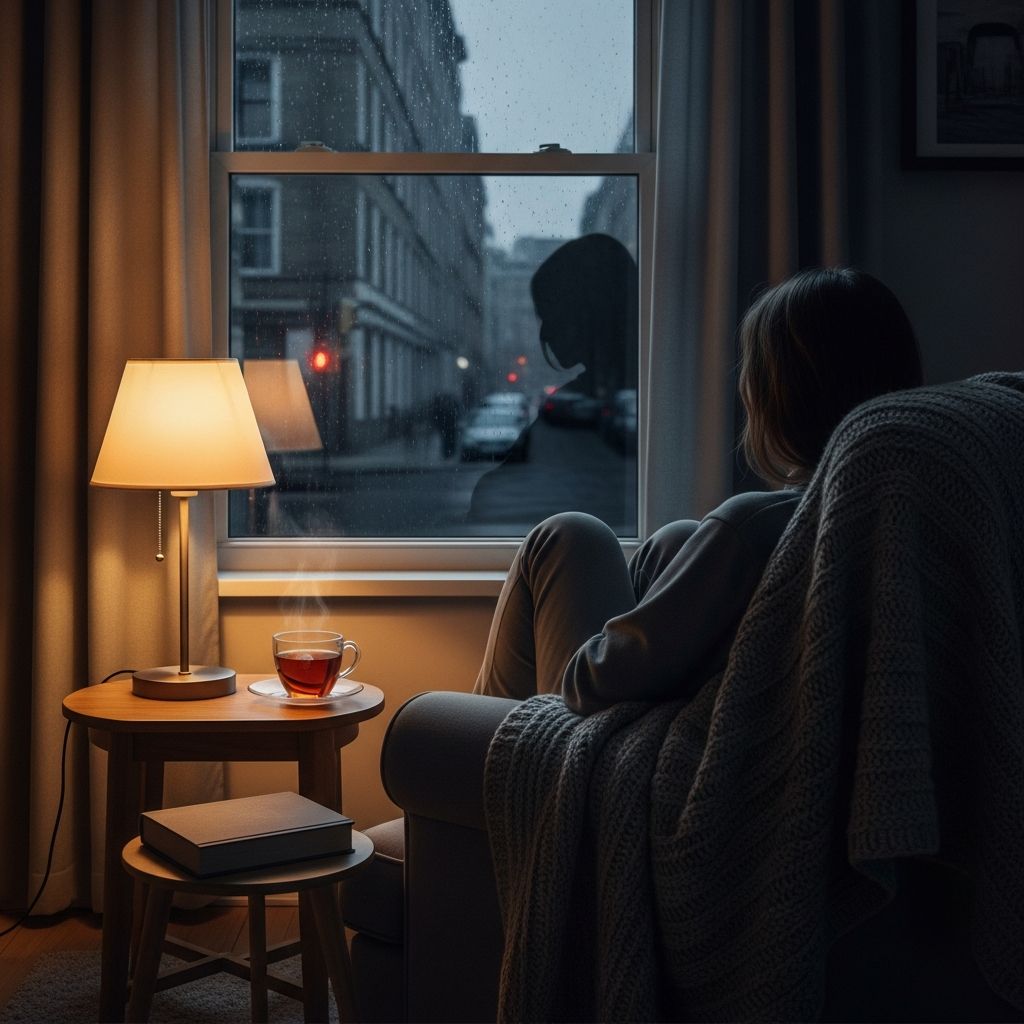
Introverts make up roughly 30% to 50% of the population and possess a unique way of processing the world through deep internal reflection rather than external stimulation. Unlike the common stereotype of being shy or antisocial, introversion is fundamentally about how individuals recharge their energy—preferring solitude or low-stimulation environments over large social gatherings. In today’s fast-paced, extrovert-favoring society, understanding introversion is crucial for mental health, relationships, and personal fulfillment.
What Is an Introvert?
An
introvert
is someone whose energy is replenished by spending time alone or in quiet settings, rather than through social interactions. According to psychological definitions, introversion involves an orientation toward one’s internal world of thoughts and feelings, rather than the external world of people and events. This trait exists on a spectrum, and introverts can enjoy socializing but often feel drained afterward, needing downtime to recover.Introversion is not a flaw or disorder—it’s a core personality dimension identified in models like the Myers-Briggs Type Indicator (MBTI). Introverts typically thrive in environments that allow for focus, reflection, and meaningful one-on-one connections, making them excellent listeners, thinkers, and problem-solvers.
Signs You Might Be an Introvert
Recognizing introversion starts with observing daily preferences and reactions. Here are key indicators drawn from psychological observations:
- You feel energized by solo activities like reading, walking, or hobbies, but tired after parties or crowds.
- You prefer deep conversations in small groups over superficial small talk in large settings.
- Quiet time is essential for recharging; skipping it leaves you overwhelmed or irritable.
- You think before speaking, process ideas internally, and often express yourself better in writing.
- Crowds and chaotic environments easily overstimulate you, prompting a need to retreat.
- You enjoy your own company and daydream frequently to solve problems or relax.
- Conflict feels draining due to sensitivity to criticism, leading you to avoid it.
These traits highlight an introvert’s rich inner life. For instance, introverts often excel at focused work because they concentrate better alone and take time for thoughtful decisions.
Introvert vs. Extrovert vs. Ambivert
Personality exists on a continuum. Use this table to compare:
| Trait | Introvert | Extrovert | Ambivert |
|---|---|---|---|
| Energy Source | Solitude, low stimulation | Social interactions, high energy environments | Balance of both |
| Social Preference | Small groups, deep talks | Large gatherings, networking | Flexible, context-dependent |
| After Socializing | Needs recharge time | Feels invigorated | Mild drain or boost |
| Decision-Making | Reflective, deliberate | Quick, action-oriented | Adaptive |
Ambiverts, about 68% of people, shift based on situation, while pure introverts (16-24%) and extroverts mirror each other. Understanding this helps in self-awareness and relationships.
Types of Introverts
Introversion isn’t monolithic. Psychologists identify subtypes:
- Anxious Introverts: Seek solitude partly due to social discomfort or shyness, feeling awkward in groups.
- Restrained Introverts: Think deeply before acting, taking longer to warm up or decide.
- Social Introverts: Enjoy select interactions but prioritize quality over quantity.
- Thinking Introverts: Absorbed in ideas, often zoning out to process emotions deeply.
In professional settings like medicine, introverts may appear reserved to regulate stimulation from fast-paced environments.
Introvert Strengths and Challenges
Strengths
- Deep focus and creativity from internal processing.
- Empathy and listening skills foster strong, loyal relationships.
- Self-awareness leads to better emotional regulation over time.
- Preference for independent work yields high-quality output.
Related Stories



Challenges
- Drained by overstimulation, risking burnout.
- Misunderstood as aloof in extrovert-dominant cultures.
- Higher sensitivity to negativity or conflict.
- Struggle with networking or group presentations.
Health Impacts of Being an Introvert
Introversion influences well-being profoundly. Positive aspects include lower impulsivity and stronger close bonds, reducing isolation risks. However, chronic social overload can lead to exhaustion, anxiety, or depression due to intense emotional processing.
In clinical training, introverts may face bias, perceived as indecisive when simply regulating arousal via quietude. Strategies like scheduled downtime support health: introverts who honor their needs report better stress management and relationships.
Introversion Myths Debunked
- Myth: Introverts hate people. Reality: They value meaningful connections, just not constant ones.
- Myth: Introverts are shy. Shyness is fear-based; introversion is energy-based.
- Myth: Introverts can’t lead. Many excel quietly through strategy and insight.
- Myth: It’s changeable. Core traits stable, but behaviors adaptable.
Introvert Dating and Relationships
Introverts thrive with partners respecting their space. They build profound bonds through quality time, not quantity. Tips: Communicate recharge needs, plan low-key dates, appreciate their thoughtfulness. Extrovert-introvert pairs succeed via mutual understanding.
Career Paths for Introverts
Ideal roles minimize small talk, maximize independence:
- Writing, research, programming.
- Science, analysis, creative arts.
- Counseling (one-on-one focus).
Introverts shine in roles needing concentration, like data analysis or authorship.
15 Tips for Introverts
Thrive by embracing your nature:
- Schedule daily solitude without guilt.
- Set social limits to avoid drain.
- Practice saying no to overcommitments.
- Use writing for expression.
- Seek quiet workspaces.
- Build a few deep friendships.
- Prepare for events mentally.
- Take breaks in stimulating settings.
- Engage in solo hobbies like reading or gardening.
- Communicate needs to loved ones.
- Leverage strengths in careers.
- Practice small social exposures gradually.
- Meditate for emotional intensity.
- Journal thoughts daily.
- Celebrate your reflective power.
Frequently Asked Questions (FAQs)
Q: Can introverts become extroverts?
A: No, but they can develop social skills while honoring their energy needs. Traits remain stable.
Q: Are introverts more intelligent?
A: No direct link, but their reflective style aids deep thinking.
Q: Do introverts get lonely?
A: They can, but prefer quality solitude over forced socializing.
Q: How do introverts handle leadership?
A: Effectively, through listening, planning, and empowering teams.
Q: Is introversion genetic?
A: Partly; heritability around 40-50%, influenced by environment.
References
- Are You An Introvert or an Extrovert? And Why It Matters for Your Health — Our Heritage of Health. 2023. https://www.ourheritageofhealth.com/are-you-an-introvert-or-an-extrovert-and-why-it-matters-for-your-health/
- What Is an Introvert? Personality, Characteristics, and More — Healthline. 2023-10-26. https://www.healthline.com/health/what-is-an-introvert
- Signs of an Introvert Personality: Types, Traits & Characteristics — WebMD. 2024. https://www.webmd.com/balance/introvert-personality-overview
- Inclusion and Belonging for Introverts (and Extroverts) in Graduate Medical Education — PMC (PubMed Central). 2024. https://pmc.ncbi.nlm.nih.gov/articles/PMC11641883/
Similar Articles








Read full bio of medha deb